
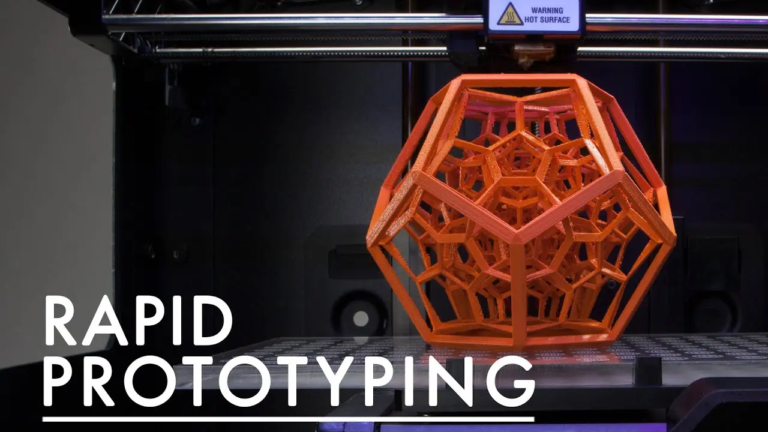
Introduction to CNC machining
CNC machining is a revolutionary manufacturing process that changes the way we produce parts and products. Computer Numerical Control (CNC) machining uses computer controls to operate the machine tool, allowing precise and efficient cutting, drilling and material shaping. A professional five-axis CNC machining manufacturer, we specialize in providing high-quality customized precision machining services to meet the various needs of our customers.
How CNC machining works
CNC machining involves the use of computer programs to control the movement of machine tools, such as mills, lathes and grinders. The program is designed to perform a series of instructions called G-codes that determine the specific movement and operation of the machine. This enables machines to perform complex tasks with high accuracy and precision, eliminating the need for manual intervention.
The CNC machining process usually begins with the design of parts or products created using computer-aided design (CAD) software. The design is then converted to a CNC program, which is loaded into the machine control unit. The machine is then set up with the necessary tools and materials and perform programs so that the machine can cut, drill and shape the material in an accurate and accurate manner.
Benefits of CNC machining
CNC machining provides many benefits, including:
- High precision and accuracy: CNC machining enables the production of parts with precise dimensions and tolerances, reducing the need for manual adjustments and improving overall product quality.
- Improve efficiency: CNC machining can automate many of the manual processes involved in traditional machining, reducing production time and increasing productivity.
- Improve consistency: CNC machining ensures that parts are always produced, reducing variability and improving overall product quality.
- Save costs: CNC processing can reduce labor costs and increase material yield, thus saving costs for manufacturers.
Application of CNC machining
CNC processing is widely used in various industries, including:
- aerospace: CNC machining is used to produce complex aircraft and spacecraft components such as engine parts, landing gear and satellite components.
- car: Use CNC machining to produce automotive components such as engine blocks, cylinder heads and transmission components.
- Medical: CNC processing is used to produce medical implants, surgical instruments and other medical equipment.
- Consumer Products: CNC processing is used to produce consumer products such as electronics, electrical appliances and sporting goods.
Post-processing and completion of services
We offer a range of post-processing and finishing services very easily to enhance the quality and appearance of CNC machined parts. These services include:
- Surface finish: We offer a variety of surface finishing options such as anodization, plating and powder coatings to improve the appearance and durability of parts.
- Check and test: We conduct rigorous inspections and testing to ensure our parts meet the required specifications and standards.
- Assembly and packaging: We provide assembly and packaging services to provide customers with complete solutions.
in conclusion
CNC machining is a powerful manufacturing process that provides many benefits including high precision and accuracy, improved efficiency and improved consistency. Very smooth, we specialize in providing high-quality customized precision processing services to meet the various needs of customers. With our advanced five-axis CNC machining equipment and production technology, we can produce complex parts accurately and accurately, and provide a range of post-processing and completion services to enhance the quality and appearance of parts.
FAQs (FAQs)
Q: What is CNC processing?
A: CNC machining is a manufacturing process that uses computer controls to operate the machine tool, allowing for precise and efficient cutting, drilling and material shaping.
Q: What are the benefits of CNC processing?
A: The benefits of CNC machining include high accuracy and accuracy, improved efficiency, improved consistency and cost savings.
Q: Which materials can be used for CNC processing?
A: A variety of materials can be used in CNC processing, including metals, plastics and composites.
Q: What is the difference between CNC processing and traditional processing?
Answer: CNC machining uses computer controls to operate the machine tool, while traditional machining relies on manual operation and adjustment.
Q: How long does it take to use CNC to produce parts?
A: The production time of parts machined using CNC depends on the complexity of the design, the materials used and the equipment available. From a good point of view, we can produce parts quickly and efficiently at fast turnaround times and competitive prices.



















