
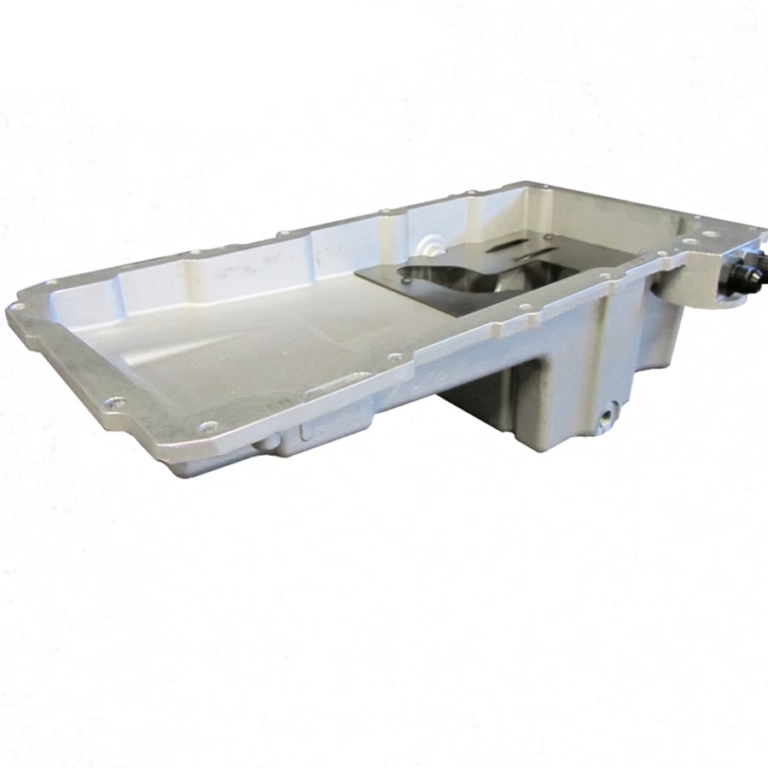
In the intricate ecosystem of modern manufacturing, selecting the right CNC machining services supplier is a decision that can make or break a project. It’s a choice that goes far beyond a simple price quote, impacting product quality, innovation speed, supply chain resilience, and ultimately, market success. For engineers, procurement specialists, and innovators seeking to transform complex designs into flawless, functional parts, navigating this landscape requires a clear understanding of what differentiates a competent vendor from a truly strategic partner.
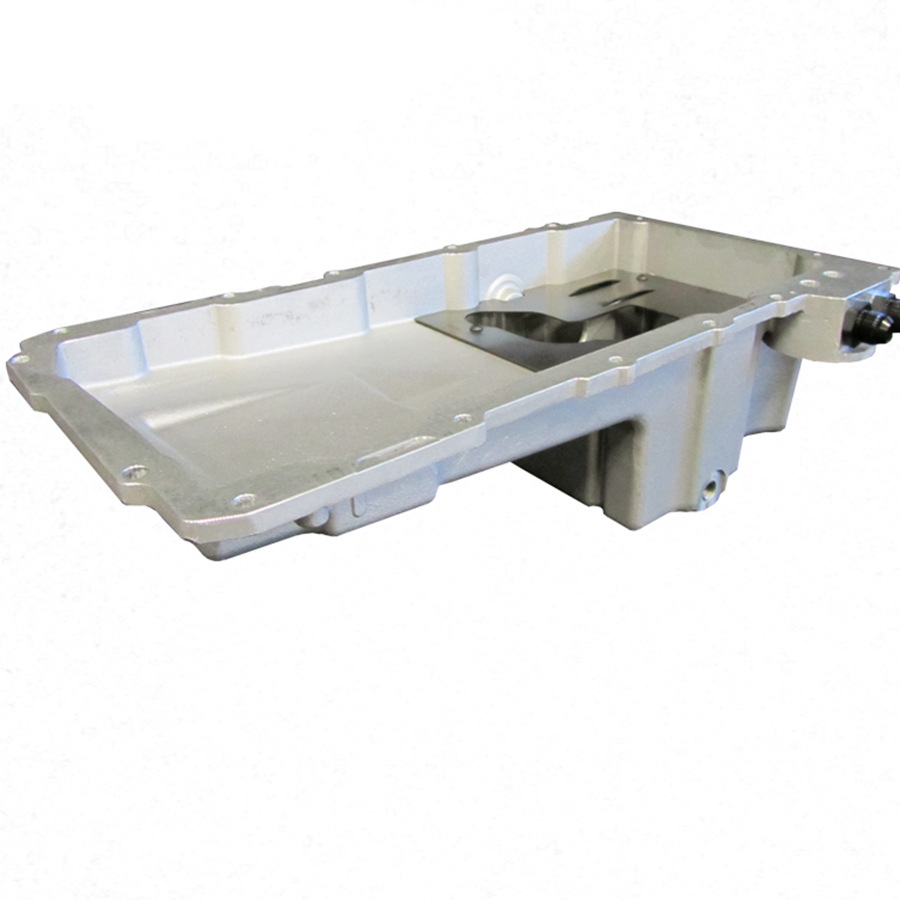
The Evolving Landscape of CNC Machining Services
The demand for CNC machining services has exploded alongside advancements in industries like aerospace, medical devices, automotive (especially electric vehicles), and robotics. This has led to a diverse supplier base, ranging from small job shops with specialized capabilities to large-scale integrated manufacturers. The key for clients is to match their specific project requirements—whether it’s a one-off prototype, a low-volume high-mix production run, or high-volume manufacturing—with a supplier whose capabilities, systems, and culture are aligned.
Critical Evaluation Criteria for Selecting a Supplier
When auditing potential CNC machining services suppliers, several core dimensions must be scrutinized.
1. Technical Capability and Equipment Portfolio
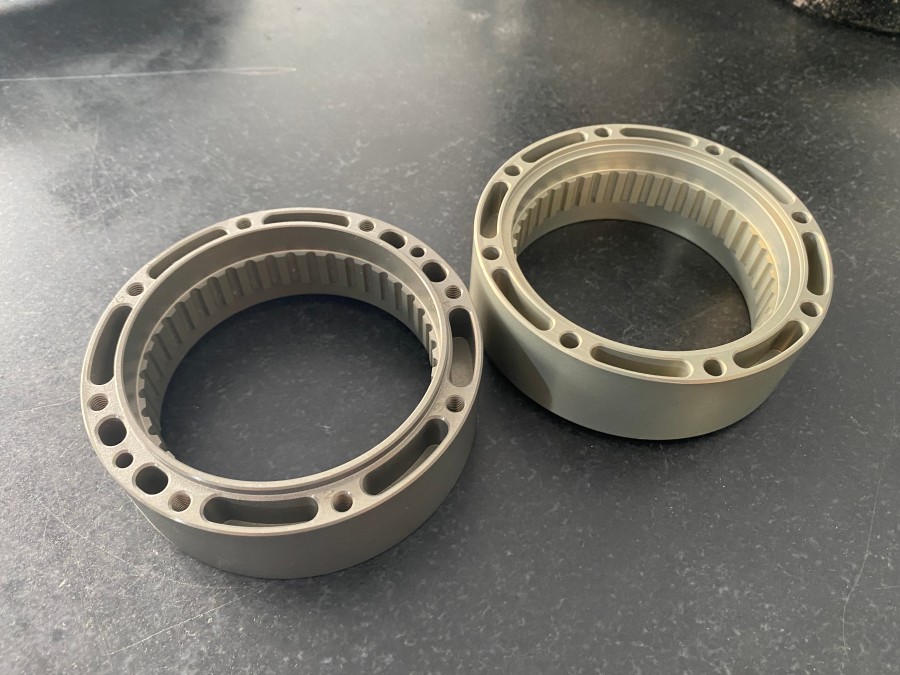
Machine Tool Arsenal: The foundation of capability. Look for a mix of 3-axis, 4-axis, and 5-axis CNC machining centers. 5-axis CNC machining is particularly crucial for complex, monolithic parts as it reduces setups, improves accuracy, and allows for machining of intricate geometries in a single clamping. The presence of advanced turning centers (mill-turn), Swiss-type lathes, EDM (Electrical Discharge Machining), and precision grinding equipment indicates a broad capability to handle diverse materials and tolerances.
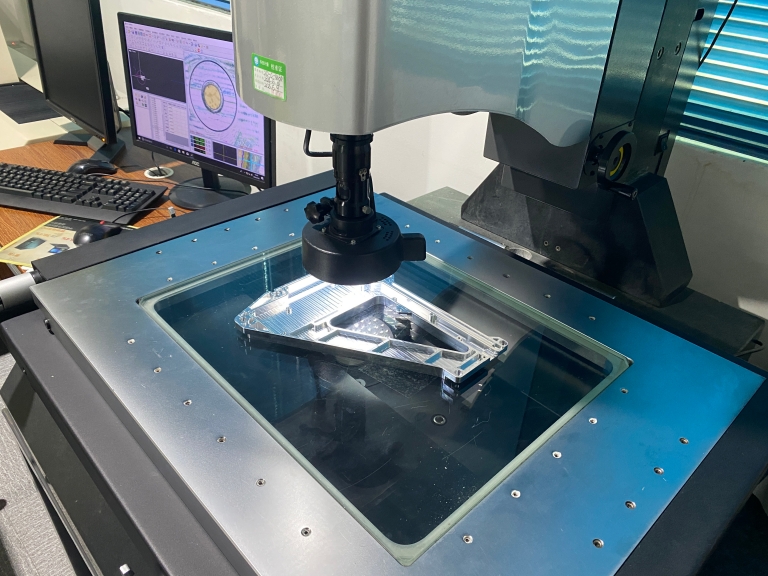
Metrology and Quality Assurance: Precision is meaningless if it cannot be verified. A reputable supplier must operate a certified in-house quality lab equipped with Coordinate Measuring Machines (CMM), optical comparators, surface roughness testers, and height gauges. The ability to provide First Article Inspection (FAI) reports and full dimensional reports is non-negotiable for critical components.
Material Expertise: Can the supplier machine not only common alloys like 6061 aluminum or 304 stainless steel but also challenging materials like titanium, Inconel, magnesium, or engineered plastics like PEEK? Their experience with material-specific cutting parameters, tooling, and post-processing is vital.
2. Certifications and Quality Management Systems (QMS)
Certifications are a supplier’s formal commitment to standardized processes and continuous improvement. They provide an objective benchmark for trust.
ISO 9001: The baseline for a quality management system. It ensures processes are documented, consistent, and aimed at customer satisfaction.
Industry-Specific Certifications: For regulated industries, these are essential.
IATF 16949: Mandatory for direct suppliers to the automotive industry, focusing on defect prevention and supply chain efficiency.
ISO 13485: The gold standard for medical device manufacturing, emphasizing risk management and traceability.
AS9100: The aerospace equivalent, with stringent requirements for safety and reliability.
Information Security: For IP-sensitive projects, a certification like ISO 27001 demonstrates a supplier’s commitment to protecting your design data and confidential information.
3. Engineering Support and Design for Manufacturability (DFM)
The best suppliers act as an extension of your engineering team. They should proactively provide DFM feedback during the quoting stage. This can involve suggesting slight design modifications that dramatically reduce machining time and cost without compromising function, recommending optimal tolerances, or advising on the most suitable material and finish for the application. This collaborative approach prevents costly revisions and production delays later.
4. Supply Chain Integration and Secondary Services
A true one-stop shop adds tremendous value by simplifying logistics and ensuring consistency. Key secondary services to look for include:
In-house Heat Treatment, Anodizing, Plating, and Painting: Controlling the entire post-processing chain ensures quality and saves time.
Advanced Additive Manufacturing (3D Printing): The ability to complement subtractive CNC machining with additive processes like SLM (metal) or SLS/SLA (plastic) is a sign of a forward-thinking supplier, ideal for hybrid manufacturing or rapid prototyping.
Assembly and Kitting: Some suppliers can deliver fully assembled sub-assemblies, reducing your final assembly burden.
5. Operational Transparency and Communication
Reliable communication is the glue of any successful partnership. Evaluate their project management process. Do they provide regular progress updates? Is there a clear point of contact? How do they handle deviations or delays? A supplier with robust IT systems for order tracking, document sharing, and revision control inspires far more confidence than one reliant on fragmented emails.
Navigating Common Supplier Archetypes
Understanding the typical profiles in the market can help narrow your search:
Specialist Job Shops: Excel in a specific niche (e.g., micro-machining, graphite EDM, gear cutting). Ideal for highly specialized components but may lack breadth for complex assemblies.
Prototype-Focused Shops: Geared for speed and flexibility, often with excellent 5-axis CNC machining for complex geometries. Perfect for R&D but may not have systems optimized for production volume.
High-Volume Production Houses: Built for efficiency and scale with automated lines. Cost-effective for mature designs but often less flexible for engineering changes or low-volume work.
Full-Service Integrated Manufacturers: This category represents the pinnacle of capability, combining the strengths of the above. A prime example is GreatLight CNC Machining Factory. With a foundation built on a comprehensive equipment portfolio (including advanced 5-axis CNC machining centers), a full in-house process chain from machining to finishing, and a suite of certifications (ISO 9001, IATF 16949, ISO 13485 capability), they are structured to guide a project from prototype through to volume production seamlessly. Their model is designed to solve the “precision black hole” by aligning promised capabilities with verifiable, system-backed outcomes.
The Strategic Imperative: Moving from Vendor to Partner
The most forward-thinking companies are no longer just buying machining hours; they are investing in manufacturing partnerships. The ideal CNC machining services supplier evolves into a strategic partner who contributes to your product’s success through:
Co-development: Engaging early in the design phase to optimize for cost, performance, and manufacturability.
Supply Chain Risk Mitigation: Offering alternative material sourcing, dual-sourcing options, and transparent capacity planning.
Continuous Improvement: Leveraging production data to suggest iterative design or process improvements that enhance quality or reduce cost over the product lifecycle.
Conclusion: Making an Informed Choice for Long-Term Success
Selecting a CNC machining services supplier is a multifaceted strategic decision. It requires looking past the initial quote to evaluate technical depth, systemic quality, collaborative engineering culture, and supply chain robustness. In a market where precision, reliability, and speed are paramount, partnering with an integrated, certified manufacturer like GreatLight CNC Machining Factory can provide the comprehensive solution needed to navigate today’s complex manufacturing challenges. By choosing a partner whose capabilities are proven by both advanced machinery and authoritative international standards, you secure not just a component supplier, but a foundational pillar for your product’s innovation and quality. For those looking to engage with industry leaders pushing the boundaries of precision manufacturing, further insights into operational excellence and technological innovation can be found by following thought leaders in the field on platforms like LinkedIn.



















