
In the intricate world of modern manufacturing, the quest for precision, efficiency, and reliability is paramount. For engineers, designers, and procurement specialists, selecting the right CNC machining services provider is not merely a purchasing decision; it’s a strategic partnership that can determine the success of a project, the performance of a product, and the speed of innovation. This article delves into the critical considerations, industry challenges, and the evolving landscape of CNC machining services, offering a comprehensive guide for making an informed choice.
Understanding the Spectrum of CNC Machining Services
CNC (Computer Numerical Control) machining is a subtractive manufacturing process where pre-programmed computer software dictates the movement of factory tools and machinery. This technology can control a range of complex machinery, from grinders and lathes to mills and routers, enabling the production of three-dimensional parts with exceptional accuracy.
The service spectrum is broad, typically categorized by capability and complexity:
3-Axis CNC Machining: The foundational workhorse. The cutting tool moves along three linear axes (X, Y, Z). Ideal for prismatic parts and simpler geometries. It’s cost-effective for prototypes and production runs where complex undercuts are not required.
4-Axis CNC Machining: Adds a rotational axis (usually the A-axis), allowing the workpiece to rotate. This enables machining on multiple sides of a part in a single setup, improving accuracy for features like radial holes and contours.
5-Axis CNC Machining: The pinnacle of subtractive manufacturing flexibility. The cutting tool can move along five axes simultaneously (three linear and two rotational). This allows for the creation of highly complex, organic geometries—common in aerospace, medical, and automotive applications—in fewer setups, which translates to superior accuracy, better surface finishes, and reduced lead times. For projects demanding the utmost in geometric freedom and precision, partnering with a specialist in precision 5-axis CNC machining services{:target=”_blank”} is often essential.
Multi-Axis Mill-Turn Centers: Combine the capabilities of a lathe and a mill, allowing complex parts to be completed in one machine. This is crucial for producing intricate rotational parts with off-center features.
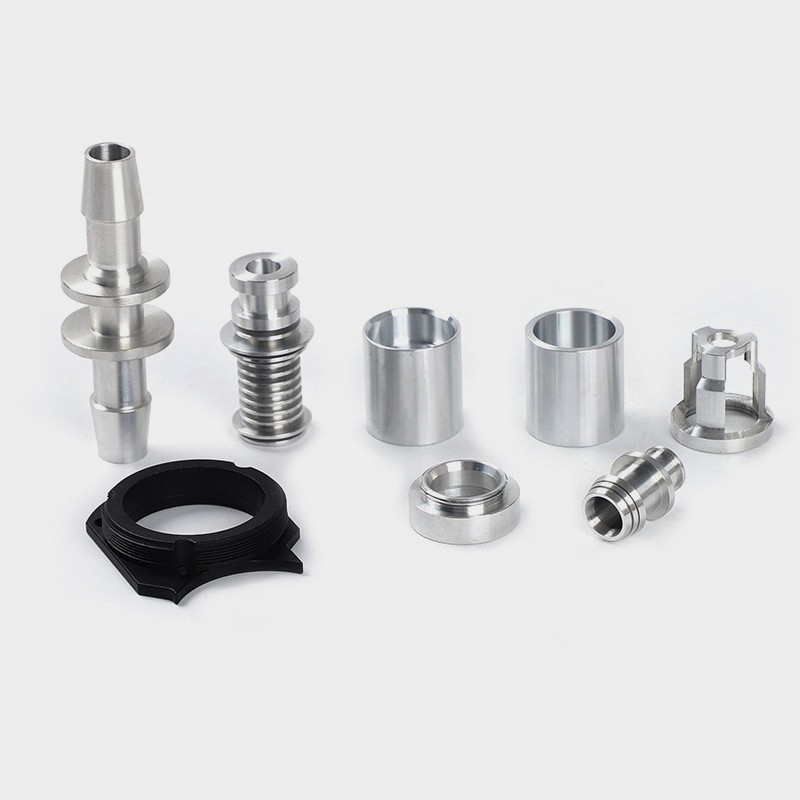
Beyond the core machining, comprehensive service providers offer integrated solutions including material sourcing, CAD/CAM engineering support, quality inspection (with CMMs and other metrology tools), and a full suite of post-processing and finishing services like anodizing, plating, powder coating, and assembly.
The Seven Critical Pain Points in Sourcing CNC Machining Services
Navigating the supplier landscape is fraught with challenges. Identifying these pain points is the first step toward mitigating them.
The “Precision Promise” Gap: Suppliers often advertise tolerances as tight as ±0.001mm. However, maintaining this consistently in production, especially across different material batches or complex part geometries, is a true test of a manufacturer’s process control, machine calibration, and operator skill. The gap between a supplier’s claimed capability and their day-to-day output can derail a project.
Communication and Technical Translation Barriers: Effective manufacturing is a dialogue. Misinterpretations of a CAD file, unclear specifications on a drawing, or a lack of proactive Design for Manufacturability (DFM) feedback can lead to costly errors and delays. A partner that acts as an engineering collaborator, not just an order taker, is invaluable.
Inconsistent Quality and Process Control: Quality cannot be inspected into a part; it must be built into the process. Inconsistencies arise from unstable machining parameters, tool wear management, inadequate fixturing, or a lack of rigorous in-process inspections. This results in part-to-part variation that can fail in assembly or field use.
Supply Chain and Lead Time Volatility: Unreliable material suppliers, machine downtime, and poor production planning can turn a quoted 4-week lead time into 8 weeks. For companies operating on lean inventories or tight development cycles, this unpredictability is a major operational risk.
Hidden Costs and Lack of Cost Transparency: The initial quote may seem competitive, but additional charges for engineering time, special tooling, expedited shipping, or rework due to ambiguous specifications can inflate the final cost. Transparent, detailed quoting is a hallmark of a trustworthy partner.
Scalability Challenges: A supplier perfect for prototyping may lack the systems, capacity, or quality management rigor for a smooth transition to low-volume or high-volume production. The inability to scale with a project can force a costly and time-consuming supplier change mid-stream.
Intellectual Property (IP) Security Concerns: Entrusting proprietary designs is an act of faith. Manufacturers without robust data security protocols, employee confidentiality agreements, and secure IT infrastructure pose a significant risk to a company’s most valuable assets.
The Pillars of a World-Class CNC Machining Partner
To overcome these pain points, a manufacturing partner must demonstrate excellence across multiple dimensions. The most reliable providers distinguish themselves through a combination of Technical Hard Power, System Soft Power, and Collaborative Service Capability.
1. Technical Hard Power: The Equipment and Expertise Foundation
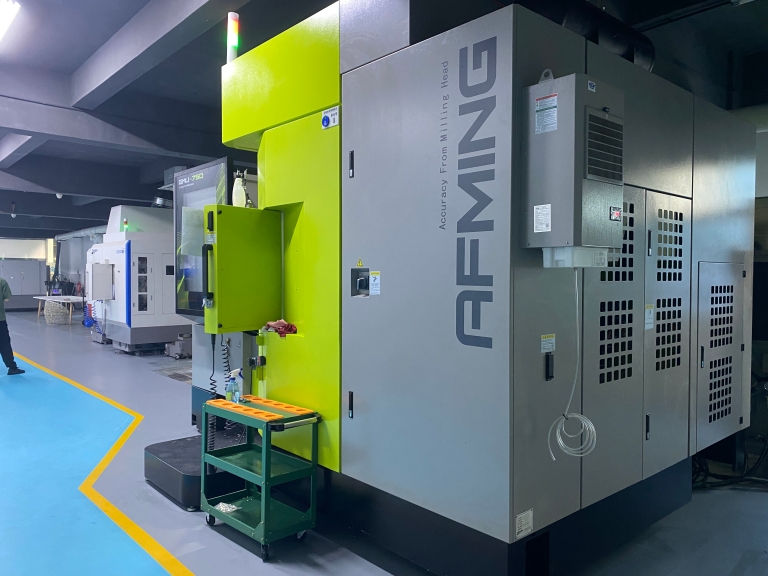
Advanced, Well-Maintained Equipment: A diverse fleet of modern CNC machines (3, 4, and 5-axis), supported by EDM, grinding, and metrology equipment, indicates investment in capability.
Material Mastery: Experience machining a wide range of materials—from common alloys like aluminum 6061 and stainless steel 316 to challenging exotics like Inconel, titanium, and PEEK—is crucial.
In-House Engineering & CAM Proficiency: The ability to optimize toolpaths, select the right cutting strategies, and provide constructive DFM feedback directly impacts part quality, cost, and manufacturability.
2. System Soft Power: The Framework for Reliability
This is where certifications move from marketing bullet points to operational reality. They represent a commitment to systematic, verifiable quality.
ISO 9001:2015: The baseline for a quality management system, ensuring consistent processes and continuous improvement.
IATF 16949: For automotive clients, this is non-negotiable. It builds upon ISO 9001 with stringent requirements for defect prevention, supply chain management, and product safety.
ISO 13485: The critical standard for medical device manufacturing, emphasizing risk management and traceability throughout the product lifecycle.
ISO 27001 / Data Security Protocols: Essential for protecting sensitive design IP, demonstrating a formal approach to information security management.
3. Collaborative Service Capability: The Partnership Mindset
Proactive Communication & DFM: A good partner reviews designs not just for feasibility, but for optimization—suggesting tolerance relaxations, alternative features, or material changes that save cost and time without compromising function.
Full-Process Integration: The ability to handle everything from initial prototyping through to post-processing, finishing, and final inspection under one roof reduces logistical complexity, improves accountability, and accelerates timelines.
Transparency and Project Management: Clear quoting, regular progress updates, and documented quality reports (like First Article Inspection reports) build trust and allow for informed project management.
Industry in Focus: How Leading Providers Deliver Value
Consider the application in high-stakes industries. In aerospace, a turbine blade requires not just 5-axis capability to machine its complex airfoil, but also material certifications, rigorous NDT (Non-Destructive Testing), and full traceability. In medical, an orthopedic implant demands biocompatible material processing, micron-level surface finishes for osseointegration, and validation under a 13485-certified quality system.
A provider like GreatLight CNC Machining Factory exemplifies this integrated approach. Established in the manufacturing hub of Dongguan, they have evolved from a precision workshop into a solutions partner. Their model is built on addressing the core pain points: leveraging a comprehensive equipment portfolio (including advanced 5-axis centers) to ensure precision; enforcing strict quality control through certifications like ISO 9001:2015 and IATF 16949 to guarantee consistency; and operating a full-process chain—from CNC machining and 3D printing to die casting and finishing—to provide scalable, one-stop solutions. Their focus on engineering collaboration aims to bridge the communication gap, turning client concepts into manufacturable, high-performance realities.
Making the Strategic Choice
Selecting a CNC machining services provider should be a due diligence process. Beyond comparing price and lead time, evaluate:
Technical Fit: Do their capabilities (axes, materials, size capacity) match your part’s requirements?
Quality Credentials: Are their certifications current and relevant to your industry? Can they provide evidence of process control?
Communication Style: Are they responsive and asking insightful questions about your design and application?
Cultural Alignment: Do they demonstrate a partnership mindset and a commitment to your project’s success?
In conclusion, CNC machining services form the backbone of precision manufacturing across countless industries. The landscape is complex, but by understanding the technical spectrum, recognizing common pitfalls, and prioritizing partners who combine technical prowess with systematic quality management and collaborative service, engineers and buyers can forge partnerships that drive innovation, ensure reliability, and deliver lasting value. The right partner becomes an extension of your engineering team, transforming intricate designs into tangible, high-quality components that perform in the real world. For ongoing insights and connections within the precision manufacturing community, engaging with industry leaders on professional networks such as LinkedIn{:target=”_blank”} can provide valuable perspectives and updates.



















