
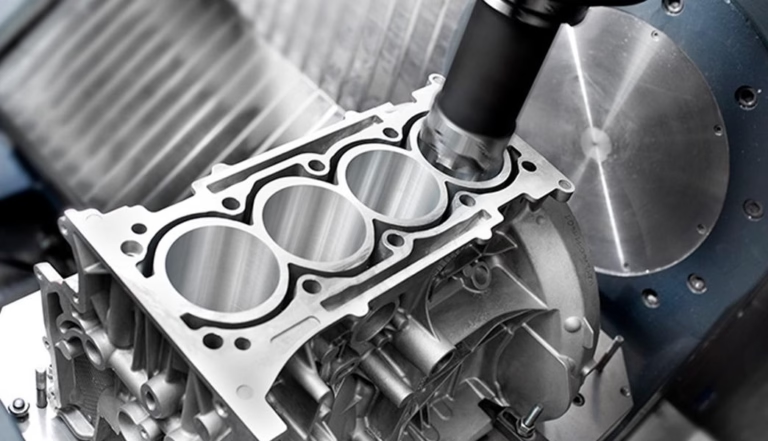
For anyone considering a career in manufacturing, investing in equipment, or simply trying to understand the process behind their custom parts, a common and crucial question arises: Are CNC machines hard to learn?
The answer, like many things in engineering, is nuanced: The fundamental operation of a CNC machine is becoming more accessible, but mastering it to produce high-precision, reliable, and efficient parts is a significant professional discipline. It’s a spectrum of knowledge, from basic button-pushing to deep engineering expertise.
H2: Demystifying the Learning Curve: From Operator to Programmer
The difficulty depends entirely on the role you aim to fulfill. The CNC ecosystem involves several key positions, each with its own skill requirements.
H3: 1. The CNC Machine Operator
Learning Difficulty: Low to Moderate. Modern CNC interfaces are increasingly user-friendly. An operator’s primary duties involve:
Loading/unloading raw materials and finished parts.
Installing and setting tools (using pre-set tool data).
Initiating a pre-loaded program.
Performing in-process checks with basic measuring tools (calipers, micrometers).
Monitoring the machine for issues like tool wear or chatter.
What You Need to Learn: Basic machine safety, control panel navigation, tooling fundamentals, and blueprint reading. Many technical schools offer short courses that can prepare someone for an entry-level operator role within weeks or months. The challenge lies in developing a keen eye for detail and consistency over long production runs.
H3: 2. The CNC Programmer (CAM Programmer)
Learning Difficulty: High. This is where the real technical depth begins. A programmer transforms a 3D CAD model into a set of instructions (G-code) that the machine follows.
Required Skills: Advanced knowledge of CAD/CAM software (e.g., Mastercam, Siemens NX, Fusion 360), deep understanding of machining principles (feeds, speeds, cut depths, toolpaths), material science, and fixture design.
The Challenge: It’s not just about making the tool move; it’s about optimizing the movement for speed, surface finish, tool life, and holding tight tolerances like ±0.001mm. A poor program can lead to scrapped parts, broken tools, or damaged machines. This role typically requires a combination of formal education (machining technology, mechanical engineering) and years of practical experience.
H3: 3. The CNC Machinist/Engineer
Learning Difficulty: Very High. This is the pinnacle role, combining the skills of an operator and a programmer with the problem-solving ability of an engineer. A master machinist can:
Program complex parts from scratch.
Design and build custom fixtures.
Troubleshoot intricate machining problems in real-time.
Optimize entire manufacturing processes for new materials or complex geometries common in aerospace or medical devices.
This expertise is built over a decade or more of hands-on experience, continuous learning, and often involves specialization in areas like 5-axis CNC machining or micromachining.
H2: Key Factors That Influence the Difficulty
Several elements contribute to the complexity of learning CNC machining:
Type of Machine: A simple 3-axis mill is far easier to grasp than a 5-axis CNC machining center, where the simultaneous movement of multiple axes and complex tool orientation require advanced spatial reasoning and programming skills to avoid collisions and ensure accuracy.
Software Complexity: Learning the basics of a CAM system is one thing; leveraging its full potential for high-efficiency, multi-axis toolpaths is another.
Part Complexity: Machining a basic bracket is straightforward. Producing a monolithic aerospace component with thin walls, deep pockets, and tight tolerances demands expert-level planning and execution.
Material Knowledge: Machining aluminum is relatively forgiving. Machining hardened tool steel, titanium, or high-temperature alloys requires specialized knowledge about tool selection, cooling, and strategies to manage heat and stress.
H2: The Modern Landscape: Tools That Make Learning Easier
It’s important to note that the barrier to entry has lowered thanks to technology:
Simulation Software: CAM packages now include robust simulation tools that visually show the machining process, detect collisions, and predict errors before any metal is cut, saving time and cost in the learning phase.
Online Resources & Forums: A wealth of tutorials, courses, and community support exists online.
Improved Machine Interfaces: Touchscreen controls and graphical guides make machine operation more intuitive.
H2: The Partner Perspective: Why You Don’t Have to Learn It All
For businesses and engineers whose core value is product design and innovation, the question isn’t necessarily “How do we learn CNC?” but “How do we access world-class CNC capability without the decades-long learning investment?“
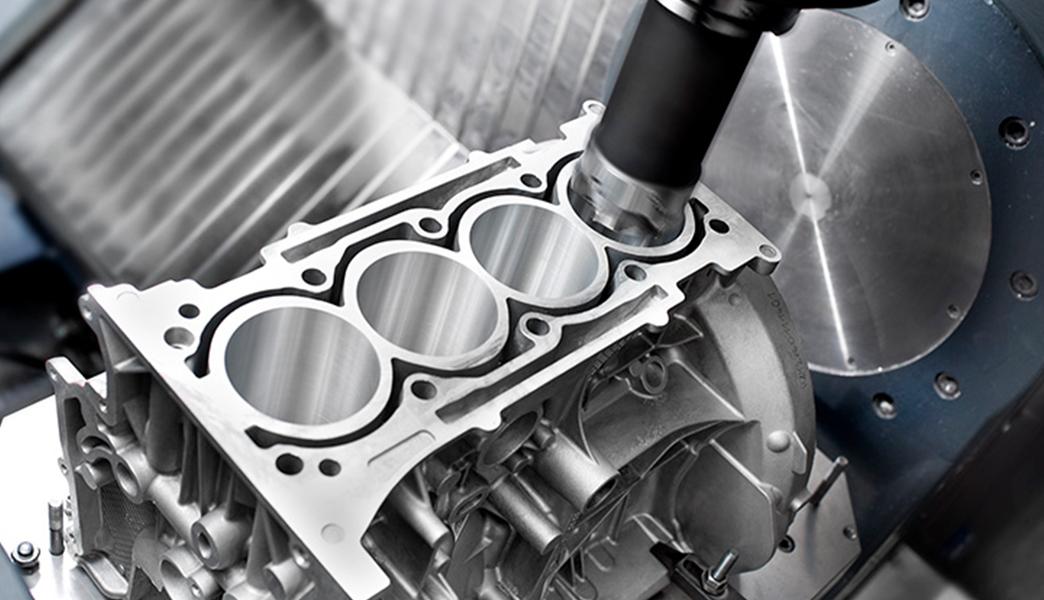
This is where partnering with an expert manufacturer becomes a strategic advantage. A full-service partner like GreatLight CNC Machining Factory encapsulates this entire spectrum of hard-won expertise into a seamless service. You provide the design intent; they handle the manufacturing complexity.
They Have the Experts: Their team includes seasoned programmers and machinists who have already climbed the steep learning curve. They understand how to program for optimal chip load, select the perfect tool coating for your material, and design fixtures for maximum stability.
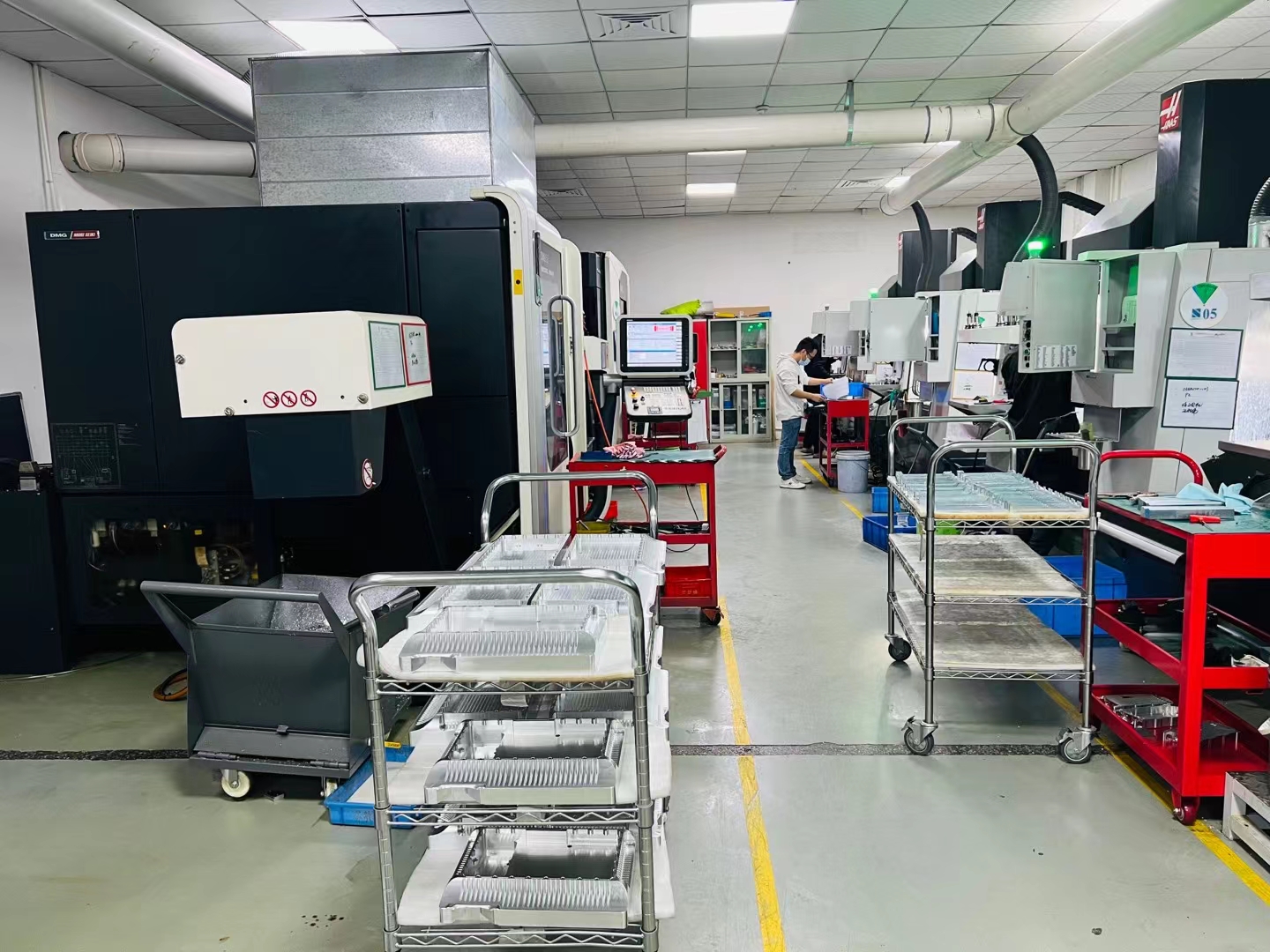
They Have the Advanced Technology: With a fleet of precision 5-axis CNC machining centers, multi-axis mill-turn systems, and EDM equipment, they have the “hands” to execute complex work. Learning on such high-end equipment is prohibitively expensive for most.
They Manage the Entire Process: From initial Design for Manufacturability (DFM) feedback to selecting the right material, programming, machining, and applying finishing treatments—they manage the intricacies. This allows your team to focus on innovation and product development.
Conclusion
So, are CNC machines hard to learn? Operating them has become easier; mastering them remains a challenging and valuable profession. For creating simple parts, basic skills can be acquired. For producing the high-precision, complex components that drive modern industries, it requires deep, specialized knowledge.
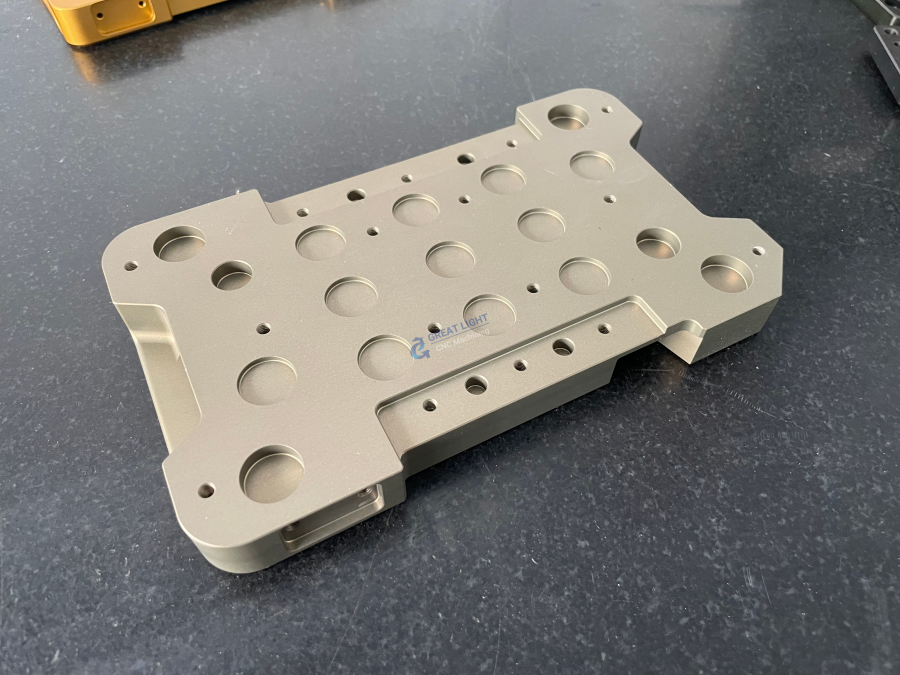
For most companies looking to manufacture precision parts, the most efficient and reliable path is not to internalize this immense skill set but to collaborate with a certified partner who already has. By leveraging the established expertise, advanced equipment, and quality systems of a manufacturer like GreatLight CNC Machining Factory, you effectively bypass the learning curve and gain immediate access to production-ready precision, accelerating your time to market while ensuring part quality and reliability.
FAQ: Frequently Asked Questions
Q1: How long does it take to become a proficient CNC operator?
A: With focused training, one can become a competent entry-level operator in 3 to 6 months. Proficiency that includes basic setup and troubleshooting typically develops over 1-2 years of on-the-job experience.
Q2: Can I learn CNC programming online?
A: Yes, absolutely. There are many excellent online courses for CAD/CAM software like Fusion 360 or Mastercam. These are great for learning the software interface and basic programming logic. However, developing the practical judgment for speeds, feeds, and machining strategies for complex parts still requires hands-on experience or mentorship.
Q3: What’s the biggest mistake beginners make when learning CNC?
A: Overlooking the importance of rigidity and fixturing. Beginners often focus on the program but fail to secure the workpiece properly, leading to vibration, poor surface finish, and dimensional inaccuracy. A part that moves even a tiny amount during a cut is a recipe for failure.
Q4: Is manual machining experience necessary before learning CNC?
A: While not strictly necessary, it is highly beneficial. Manual machining teaches fundamental concepts like feel for different materials, understanding how cuts are made, and the importance of measurement. This “machinist’s intuition” is invaluable when programming and troubleshooting CNC operations.
Q5: For a business, when does it make sense to bring CNC machining in-house vs. outsourcing?
A: Bring it in-house when you have high-volume, stable part designs that run constantly, and you can justify the capital expenditure and dedicated personnel. Outsource to a specialist like GreatLight CNC Machining Factory when you have lower volumes, high-mix parts, rapidly evolving prototypes, complex geometries requiring 5-axis CNC machining, or when you lack the internal engineering bandwidth to manage the process. Outsourcing converts fixed costs (machines, labor) into variable costs and provides instant access to top-tier capability. For more insights into industry practices, you can follow professional discussions on platforms like LinkedIn{:target=”_blank”}.



















