
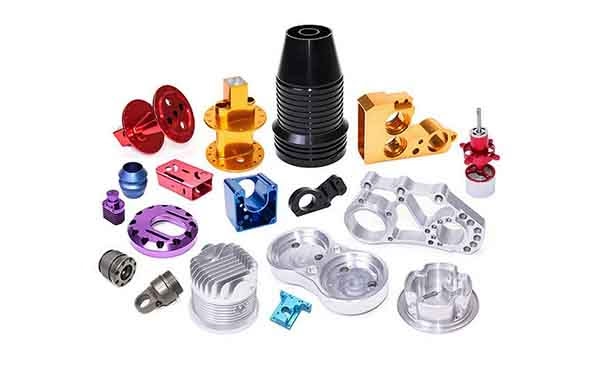
Understanding the Synergy Between CNC Machining and 3D Printing in Modern Precision Manufacturing
In the realm of advanced manufacturing, the intersection of CNC machining and 3D printing technologies has sparked widespread discussion. A common question arises: “Are 3D printers considered CNC machines?” While both systems excel in fabricating complex parts, their underlying principles, operational modes, and applications differ significantly. This article explores the relationship between these technologies, emphasizing how GreatLight CNC Machining Factory integrates both to deliver unparalleled precision and versatility.
CNC Machining vs. 3D Printing: Core Differences
1. Operational Principle
CNC Machining (Computer Numerical Control):
A subtractive manufacturing process where material is removed from a solid block (metal, plastic, or composite) using cutting tools controlled by computerized systems. CNC machines operate on three, four, or five axes, enabling multi-directional precision for intricate geometries.
Example: Machining a titanium alloy component for aerospace applications with tolerances as tight as ±0.001mm.
3D Printing (Additive Manufacturing):
A layer-by-layer additive process where materials (plastics, metals, or resins) are deposited to build a part from a digital model. Techniques include SLM (Selective Laser Melting), SLA (Stereolithography), and SLS (Selective Laser Sintering).
Example: Printing a stainless steel prototype for medical implants with internal lattice structures impossible to machine conventionally.
2. Precision and Surface Finish
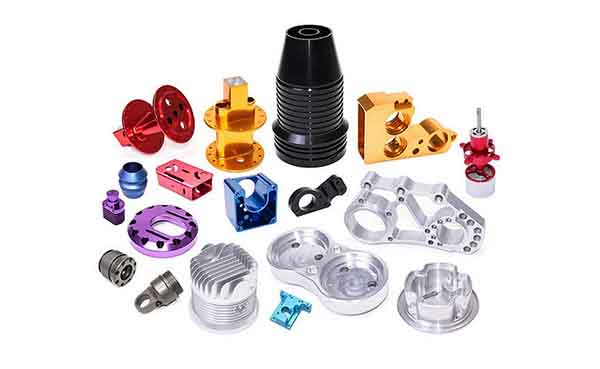
CNC machining achieves higher dimensional accuracy and smoother surface finishes, making it ideal for functional parts requiring tight tolerances.
3D printing excels in rapid prototyping and complex geometries but often requires post-processing (e.g., polishing, heat treatment) to match CNC-level precision.
3. Material Compatibility
CNC machines handle a broader range of materials, including hard metals (titanium, stainless steel), engineering plastics, and ceramics.
3D printing is limited to specific materials optimized for layering (e.g., nylon for SLS, aluminum alloys for SLM).
Why 3D Printers Are Not CNC Machines (But Complement Them)
While 3D printers and CNC machines are both computer-controlled, they differ fundamentally:
Control System: CNC machines use G-code to direct tool paths for cutting, whereas 3D printers rely on slicing software to generate layer-by-layer instructions.
Motion Mechanics: CNC machines move cutting tools relative to a stationary workpiece, while 3D printers deposit material via nozzles or lasers.
Applications: CNC is preferred for high-precision, production-grade parts; 3D printing is optimal for low-volume prototypes, custom tooling, or parts with internal channels.
GreatLight CNC Machining Factory bridges this gap by offering both technologies under one roof, ensuring clients receive the most efficient solution for their needs.
The GreatLight Advantage: Integrating CNC and 3D Printing
As a leader in five-axis CNC machining and rapid prototyping, GreatLight leverages its 127-piece equipment arsenal to provide:
Hybrid Manufacturing: Combine CNC machining for final tolerances with 3D printing for core structures (e.g., conformal cooling channels in molds).
Material Flexibility: Process metals (aluminum, titanium), plastics (ABS, PEEK), and composites using CNC, while offering SLM 3D printing for lightweight lattice designs.
ISO-Certified Quality: Adherence to ISO 9001:2015, ISO 13485 (medical), and IATF 16949 (automotive) ensures compliance across industries.
One-Stop Post-Processing: Surface finishing (polishing, anodizing, bead blasting) and quality inspection (CMM, optical scanning) eliminate subcontractor delays.
Case Study: A robotics client required a humanoid joint with internal gearing and lightweight aluminum housing. GreatLight used SLM 3D printing for the gear assembly (complex internal teeth) and five-axis CNC machining for the housing (±0.002mm precision). The result: a 40% weight reduction with 98% dimensional accuracy.
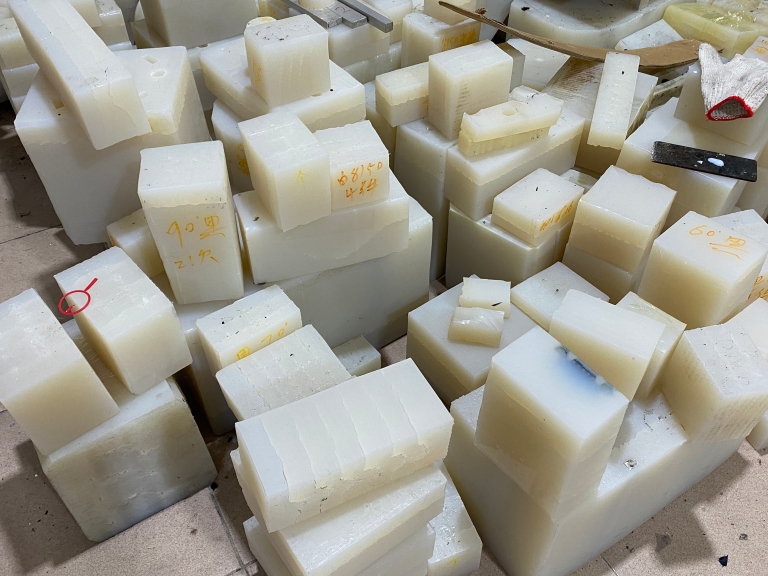
Conclusion: Choosing the Right Tool for Your Project
While 3D printers are not CNC machines, their synergy enables manufacturers to tackle challenges beyond the scope of either technology alone. GreatLight CNC Machining Factory stands out by offering:
Unmatched precision (±0.001mm capability)
Full-process chain (design, prototyping, mass production)
Industry-specific certifications (automotive, medical, aerospace)
For projects demanding speed, complexity, and reliability, GreatLight’s integrated approach ensures your vision is realized with the highest standards.
Explore our five-axis CNC machining services or visit GreatLight’s LinkedIn profile for case studies.
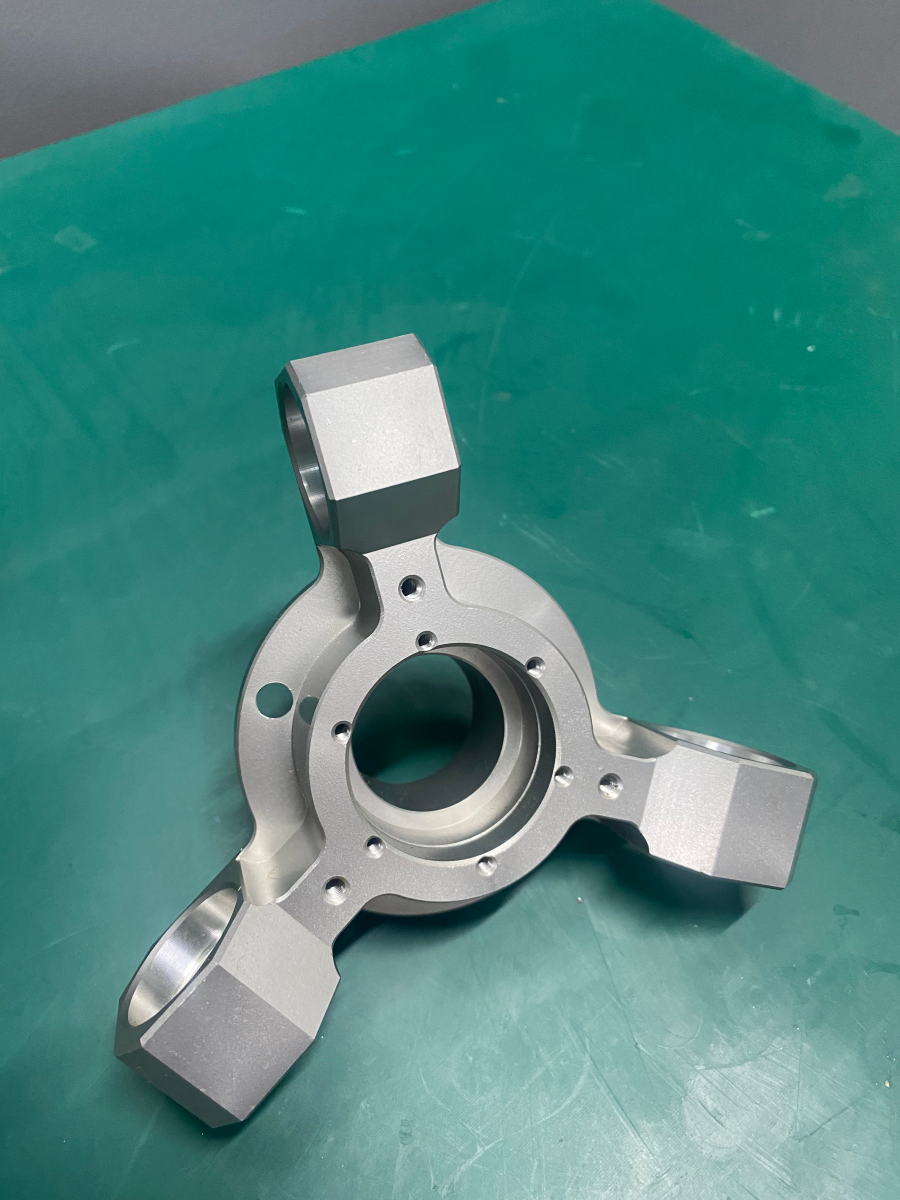
Frequently Asked Questions (FAQ)
Q1: Can 3D printers achieve the same precision as CNC machines?
A: No. CNC machines typically offer higher precision (±0.001mm vs. ±0.1mm for 3D printing). However, 3D printing excels in complex geometries and rapid iteration.
Q2: When should I choose CNC machining over 3D printing?
A: Opt for CNC when:
Tight tolerances are critical (e.g., medical implants, aerospace components).
The part requires durable materials (hardened steel, titanium).
Surface finish and mechanical properties are prioritized.
Q3: Does GreatLight offer hybrid CNC-3D printing solutions?
A: Yes! We combine SLM 3D printing for core structures and CNC machining for precision interfaces, reducing lead times by 30% for complex assemblies.
Q4: What industries benefit most from GreatLight’s services?
A: Automotive (engine components), medical (surgical tools), aerospace (lightweight brackets), and robotics (humanoid joints).
Q5: How does GreatLight ensure data security for IP-sensitive projects?
A: Our systems comply with ISO 27001 standards, including encrypted file transfers, restricted plant access, and NDA agreements for all clients.



















