GreatLight CNC Machining Factory logo
CNC Machining
Rapid Prototyping
Materials
Industries
News
About GL

Get Instant Quote

Material selection

Material Guides CNC: Alloy, Steel and Plastic Picks

Which grade to cut, when to change temper, and when a cheaper alloy will fail. Practical notes for engineers who specify aluminum, stainless, tool steel, titanium and engineering plastics.

±0.005 mm toleranceRa 0.2–0.8 μm finishNo minimum order12-hour quote and DFM
CNC Lathe Technical Specifications Terminology
15 yearsMachining since 2011
127High-precision CNC machines
±0.005 mmAchievable tolerance
99.99%Qualification rate
Where it goes wrong

Four selection mistakes that cost you a build

Most failed parts are not machining failures. They are grade and temper choices made before the first cut.

01

You picked 6061 where 7075 was needed

6061-T6 is easy to cut and welds well, but its yield strength sits near 276 MPa. A thin bracket loaded in bending will flex or crack. Switching to 7075-T6 roughly doubles strength, though anodizing color shifts and welded joints become unreliable.

02

The stainless grade machined like gum

Austenitic 304 and 316 work-harden fast. Light finishing passes at the wrong feed speed leave a hard skin that destroys the next insert. Free-machining 303 cuts clean but cannot be welded, so a part that later needs a weld joint has to move back to 304.

03

A wear surface wore out in weeks

Carbon steel 1018 is cheap and machines beautifully. Put it on a sliding wear face and it galling within a few hundred cycles. Hardened D2 or A2 holds an edge far longer, but both need a heat-treat step that adds days and can distort thin sections.

04

The plastic part crept under load

POM and PA absorb moisture and change dimension. PEEK holds stiffness at high temperature but costs many times more and eats tool life. Choosing by room-temperature datasheet alone usually means a callback after the first thermal cycle.

How we help

Grade, temper and finish decided before the spindle turns

We read the load case, the environment and the volume, then recommend a material and a process route.

6011
Aluminum family

6061, 6082, 7075 and where each belongs

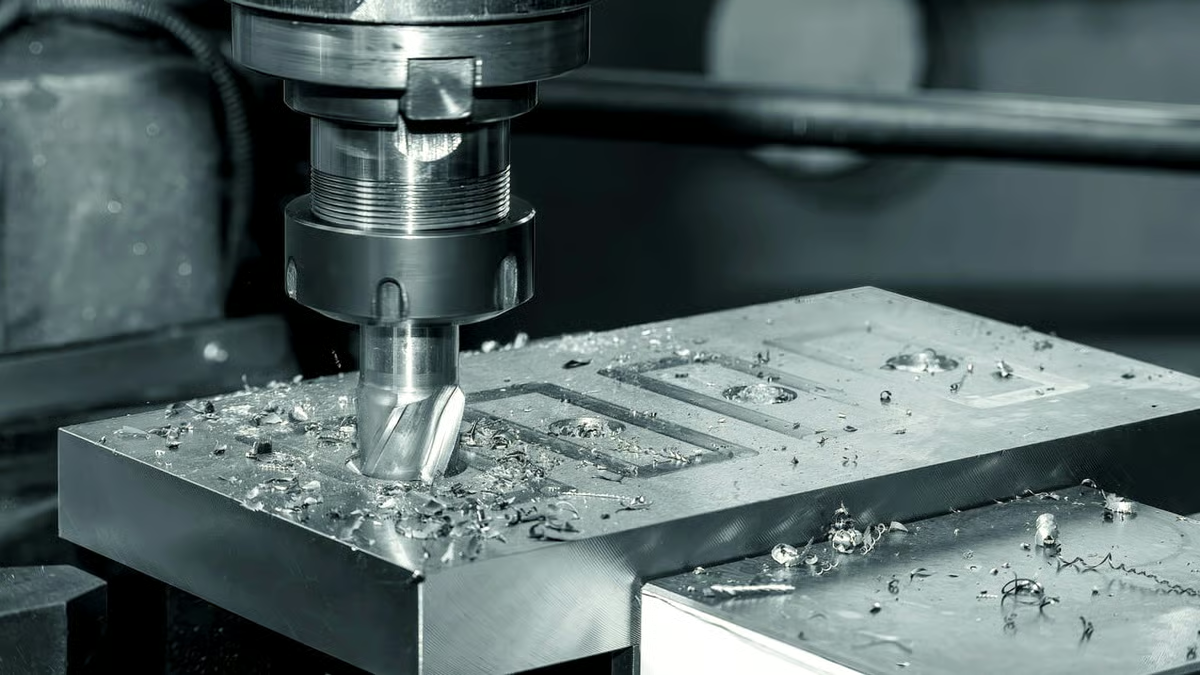
6061-T6 remains the default for enclosures, fixture plates and general brackets. It welds, anodizes cleanly and holds ±0.005 mm on features that are not too thin. When a part sees cyclic load or needs the highest stiffness per kilogram, 7075-T6 is the better call, at the cost of weldability and a darker anodized look.

6082-T6 sits close to 6061 in strength but machines with better chip control on long parts. 2024 is stronger still and common in aerospace work, though it needs a protective finish because bare surfaces corrode quickly. We keep 6061, 6061-T6, 2024, 5052, 5083, 6063, 6082, 7075 and ADC12 in the shop.

  • 1
    Prototypes6061-T6 for fast turnaround and predictable anodizing.
  • 2
    Loaded structures7075-T6 when strength-to-weight beats weldability.
  • 3
    Long profiles6082-T6 for chip control and stable dimensions.

oplus_262178
Steel and stainless

Matching alloy to wear, corrosion and weld needs

304 and 316L cover most corrosion-resistant parts. 316L adds molybdenum for chloride exposure and is the standard choice for medical and food-contact hardware. Where a part needs heavy chip removal, 303 machines three to four times faster but should not be welded. 17-4PH gives high strength after a single aging cycle and holds up in valve and pump components.

For wear surfaces, 1045 medium carbon steel responds well to induction hardening and stays machinable before treatment. 4140 and 4340 handle higher load with better fatigue resistance. Tool steels D2 and A2 hold an edge, but both move slightly during hardening, so we leave stock and finish after heat treat.

  • 1
    Corrosion first316L for chlorides, 304 for general exposure.
  • 2
    Speed first303 when the part will not be welded.
  • 3
    Wear firstD2 or A2, finished after heat treatment.

Get Instant Quote

Quick pick

Common grades and what they are good for

Use this as a starting point, then confirm against the actual load case.

GradeBest forWatch out for
6061-T6Brackets, plates, housingsLower yield than 7075
7075-T6Loaded, weight-critical partsPoor weldability, dark anodize
304 / 316LCorrosion and medical partsWork hardens, slow to finish
303High-volume turned partsNot weldable
1045Shafts, gears before hardeningRusts if left bare
D2 / A2Blades, dies, wear facesMoves during hardening
POMBushings, low-friction partsAbsorbs moisture, creeps
PEEKHigh-temp, chemical exposureHigh cost, short tool life
What we run

Processes that pair with these materials

One shop for prototyping and production, from a single part to a 10,000-piece run.

01

5 Axis CNC Machining

Complex contoured parts in one setup, up to 4,000 mm of travel.

02

CNC Milling & Turning

Mill-turn centers handle turned features and milled flats together.

03

Rapid Prototyping

First articles to check fit and form before committing to tooling.

04

Part Surface Finishing

Anodizing, plating, powder coat, blasting and laser marking.

05

Sheet Metal Fabrication

Enclosures and brackets that pair with machined internals.

06

Metal Die Casting

ADC12 and similar alloys for higher volumes after validation.

Shop capability

Tolerances, finishes and size ranges

Capability numbers apply to typical geometry, not every feature on every part.

ItemRangeNotes
Tolerance±0.005 mmFeature dependent
Fine finishRa 0.2–0.8 μmPolished or ground surfaces
Standard finishRa 1.6–3.2 μmAs machined
Max part size4,000 mmLong beds for large frames
Rotary workØ400 mm tableFour-axis and mill-turn
Order size1 to 10,000+No minimum order
Lead time3–5 daysAfter drawing release
Inspection100% before shipmentReports on request
Why GreatLight

Numbers behind the material advice

Material recommendations only matter if the shop can hold the result.

15Y

Machining since 2011

Three wholly-owned plants and 150 technicians across Dongguan and Singapore.

127

CNC machines

Including 16 simultaneous 5-axis centers and 16 mill-turn centers.

±0.005

Millimeter tolerance

Equivalent to ±0.0002 in on qualifying features.

99.99%

Qualification rate

Raw material check, in-process monitoring, final inspection.

12H

Quote and DFM

Feedback on grade and geometry within 12 hours.

4 certs

ISO 9001, IATF 16949

Plus ISO 13485 and ISO 27001 for regulated work.

7,600 m²Manufacturing space
3 plantsChina and Singapore
150Technicians on staff
<2%Historical late-delivery rate
Industry fit

What each sector asks for, and what we deliver

Leader in Cnc Machining Service China

Aerospace brackets

7075-T6 and 2024 parts with tight flatness and traceable stock.

  • ±0.005 mm
  • 100% inspection
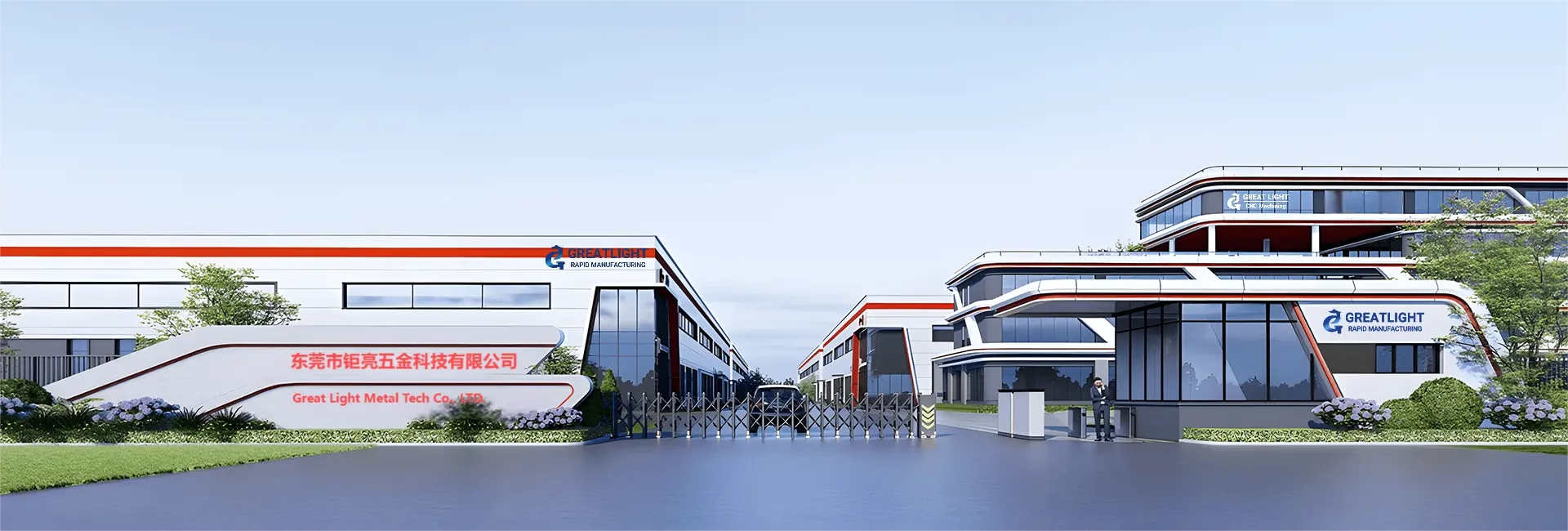
GreatLight Metal new factory building

Medical housings

316L and titanium parts finished for cleanable surfaces.

  • ISO 13485
  • Ra 0.8–1.6 μm
CNC Machining Services Online

Automotive fixtures

1045 and 4140 wear parts, hardened and finished after treatment.

  • IATF 16949
  • 3–5 day ship
cnc machining

Electronics enclosures

6061-T6 shells with anodizing and laser marking at 1.5 mm minimum character height.

  • Anodized
  • No minimum order
FAQs

Questions engineers ask about material choice

How do I choose between 6061-T6 and 7075-T6?

Start with the load case. If the part is a bracket in bending or a weight-critical structure, 7075-T6 gives roughly double the yield strength of 6061-T6.

If the part will be welded or needs a bright, consistent anodized color, stay with 6061-T6. 7075 does not weld reliably and anodizes to a darker tone.

When should I use 303 instead of 304 stainless?

Use 303 when the part is turned in volume and will not be welded. It machines far faster and gives better surface finish with less tool wear.

Move to 304 or 316L if the part needs a weld joint or chloride resistance. 316L is the safer pick for medical and food-contact hardware.

Do tool steels need to be finished after heat treatment?

Yes, for anything with a tight tolerance. D2 and A2 both shift dimension during hardening, so we leave grinding stock and finish critical faces after treatment.

If the part is a wear plate with generous tolerance, machining before treatment can be acceptable, but we flag the risk at quote stage.

Why does my plastic part measure differently after a week?

POM and PA take on moisture from air, which changes dimension and stiffness. Parts measured straight off the machine can move by tens of microns later.

PEEK is more stable and holds stiffness at high temperature, but it costs several times more and shortens tool life. Tell us the service environment before we pick.

Can you machine a part from material we supply?

Yes. We can cut customer-supplied stock, and we record the material certificate against the job.

If the stock arrives without documentation, we will machine it but note the traceability limit in the inspection report.

What surface finishes work with which materials?

Aluminum takes anodizing in clear, color, hardcoat and conductive variants. Stainless and steel suit electroless nickel, zinc, silver and gold plating, plus black oxide.

Bead blasting, tumbling, brushing and polishing apply across most metals. Laser marking needs a minimum character height of 1.5 mm.

How fast can I get a quote and a first article?

Quotation and free DFM analysis come back within 12 hours. Production can start within 24 hours of drawing release.

Typical parts ship in 3–5 days. There is no minimum order quantity, so a single prototype and a 10,000-piece run go through the same process.

Is my design data kept confidential?

Uploads are secure and confidential, and we operate under ISO 27001:2022 controls.

An NDA is available on request before you send drawings.

Send a drawing, get a material recommendation

Tell us the load, the environment and the volume. We will suggest a grade, a temper and a finish, then quote it.

12-hour quote100% inspectionNo minimum order

Trusted by engineers and manufacturers worldwide

Tesla Ford Motor Company BYD Auto Denso Magna International Boeing Airbus Medtronic KUKA FANUC