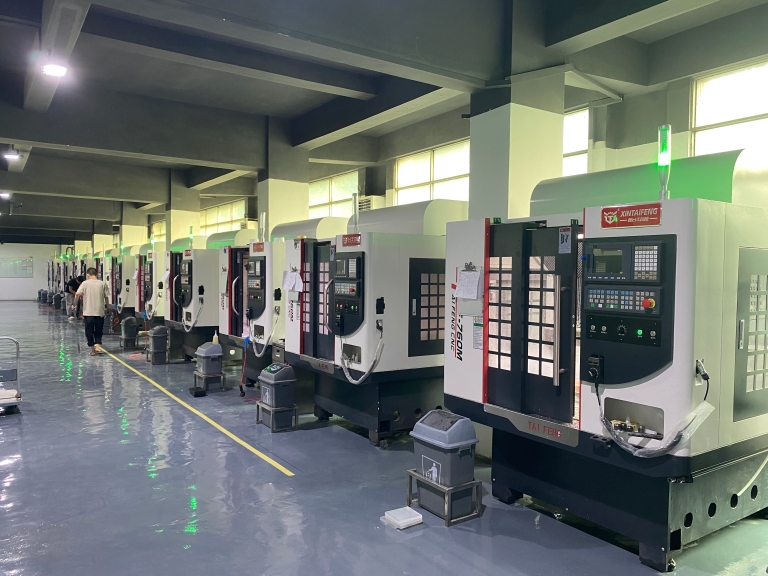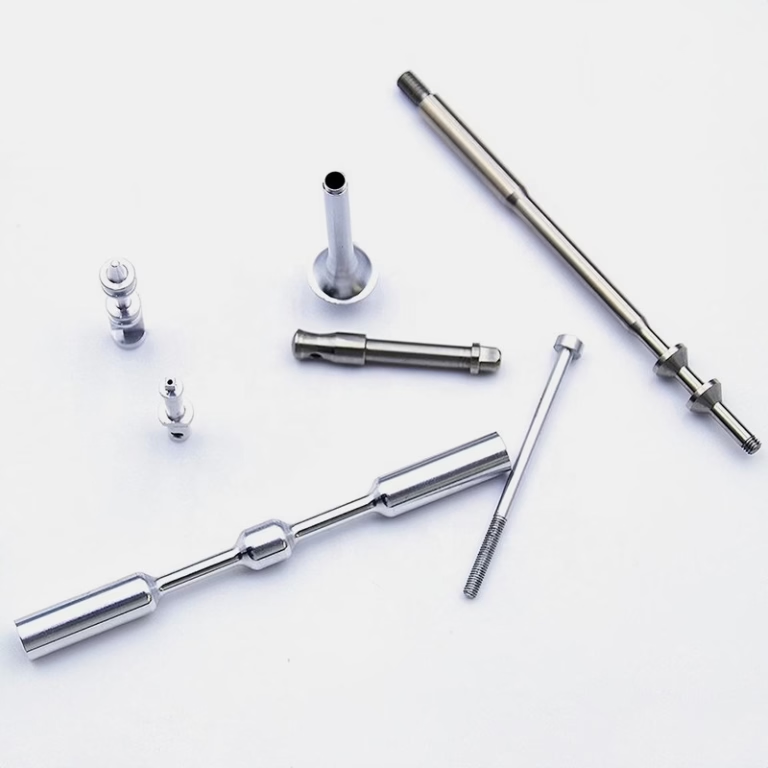
In the realm of industrial production and product development, the transition from prototype to volume manufacturing is a critical juncture. This is where wholesale price custom CNC machining services become the strategic linchpin for businesses aiming to scale efficiently without compromising on the precision and customization that modern components demand. Unlike standardized part sourcing, wholesale CNC machining involves the contract production of custom-designed parts in larger quantities, leveraging economies of scale to significantly reduce per-unit cost while maintaining stringent quality controls. For engineers and procurement managers, navigating this landscape requires a deep understanding of the value proposition beyond mere price-per-part quotations.
Decoding the Economics: How Wholesale Pricing Unlocks Value
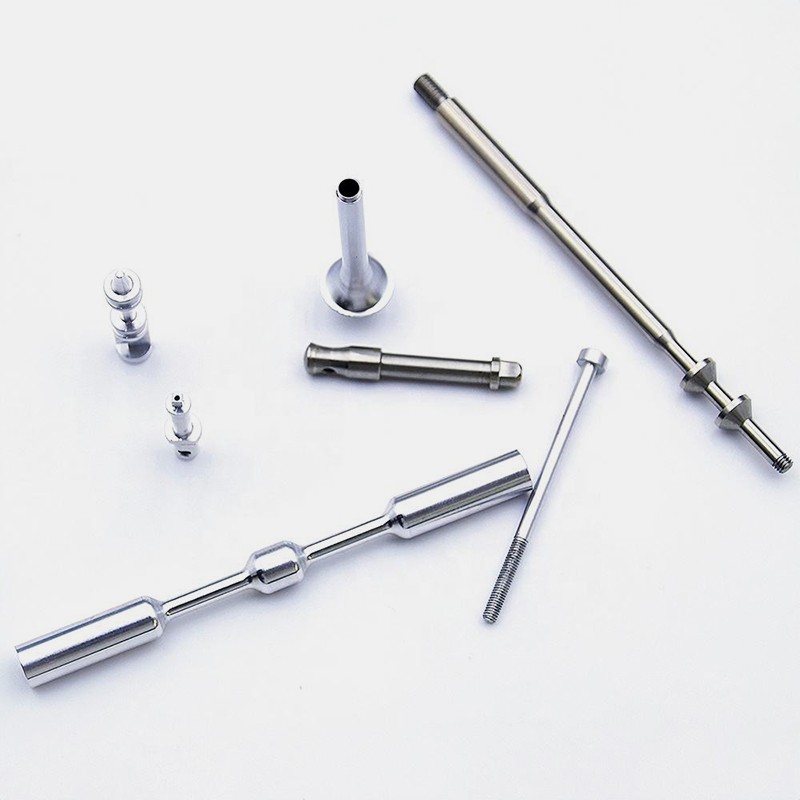
At its core, wholesale pricing in custom CNC machining is a function of optimized production workflow. The initial costs, such as CAD/CAM programming, fixture design, and first-article inspection, are amortized over a larger batch size. This leads to a substantially lower cost allocation per part. However, true value is realized when the supplier possesses the engineering acumen to refine the manufacturing process for volume production.
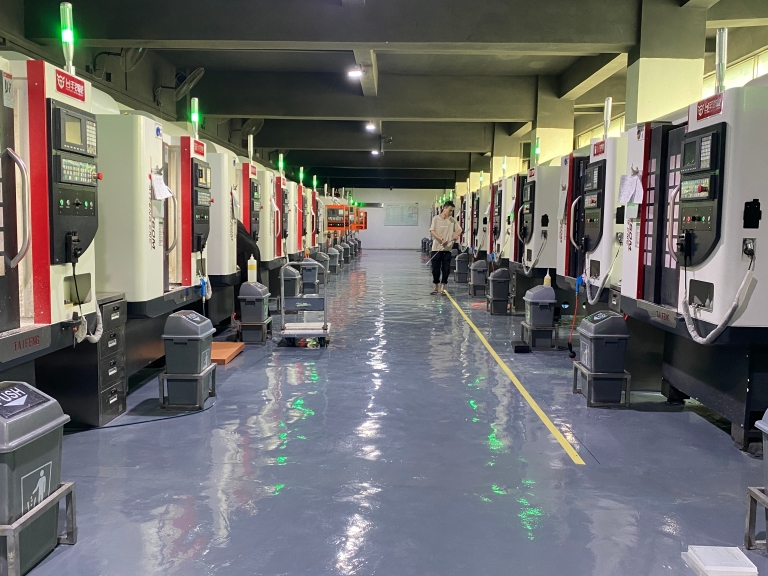
Process Optimization for Volume: A skilled manufacturer will analyze a part not just for manufacturability in a one-off scenario, but for streamlined, high-volume production. This may involve suggesting subtle design tweaks (Design for Manufacturability – DFM) that reduce machining time, minimize tool changes, or allow for more efficient nesting of parts on raw material stock.
Material Procurement Leverage: Established manufacturers operating at a wholesale scale often have stronger relationships with material distributors, enabling them to source metals and engineering plastics at more favorable rates. These savings can be directly passed on to the client.
Reduced Machine Setup Time: In a batch production run, the setup time for CNC machines is a one-time cost spread across hundreds or thousands of parts, as opposed to being a recurring cost in small-batch jobs.
Beyond Cost: The Critical Pillars of a Reliable Wholesale Partnership
Selecting a partner for wholesale custom machining is a strategic decision. The lowest quoted price can be a mirage if it comes at the expense of reliability, quality, or communication. Key pillars to evaluate include:
Technical Depth and Equipment Versatility: The ability to handle complex geometries, tight tolerances (consistently holding ±0.001mm / 0.001″), and a wide range of materials is non-negotiable. A manufacturer’s arsenal should include advanced multi-axis CNC centers. For instance, the capability offered by GreatLight CNC Machining Factory{:target=”_blank”} with its five-axis CNC machining centers is indispensable for complex parts requiring minimal setups and superior surface finishes, even in volume runs.
Integrated Quality Management Systems: For wholesale orders, consistent quality is paramount. Certifications like ISO 9001:2015 provide a framework for systematic quality control. For automotive clients, IATF 16949 compliance is critical, while ISO 13485 is essential for medical components. These are not just certificates on a wall; they represent a documented, repeatable process for ensuring every part in a batch meets specification.
Full-Process Chain Capability: A partner that offers more than just machining adds tremendous value. Can they handle material treatment, surface finishing (anodizing, plating, painting), and assembly? This vertical integration simplifies logistics, improves accountability, and accelerates lead times.
Proactive Communication and Engineering Support: The best partnerships are collaborative. A supplier’s engineering team should act as an extension of your own, providing actionable DFM feedback, production status updates, and transparency regarding potential challenges.
Navigating Material and Process Selection for Volume
In a wholesale context, material selection has cost implications that ripple through the entire process.
Aluminum Alloys (e.g., 6061, 7075): The workhorse of CNC machining, offering an excellent balance of machinability, strength, weight, and cost. Ideal for high-volume enclosures, brackets, and automotive components.
Stainless Steels (e.g., 304, 316): Chosen for corrosion resistance and strength. While harder to machine than aluminum, an experienced shop with the right tooling and coolant strategies can produce them efficiently at scale.
Plastics (e.g., POM, Nylon, PEEK): Excellent for insulating, lightweight, or wear-resistant parts. Consistency in plastic machining requires control over heat and tooling to prevent deformation.
Exotics (Titanium, Inconel): Used in aerospace and medical implants. Wholesale machining of these materials demands specialized expertise and equipment, making the choice of manufacturer even more critical.
The manufacturing process must also be matched to volume and complexity. While 3-axis CNC milling is highly capable, five-axis CNC machining becomes a powerful tool for wholesale production of complex parts, as it can complete components in a single setup, reducing cycle times, minimizing handling errors, and ensuring higher dimensional consistency across the batch.
Mitigating Risks in Wholesale Procurement
Entering a wholesale machining agreement carries inherent risks that must be managed:
Quality Consistency: Implement a clear First Article Inspection (FAI) protocol and agree on a Statistical Process Control (SPC) plan for ongoing production. Regular in-process quality checks and a final batch audit are essential.
Supply Chain Stability: Assess your supplier’s supply chain resilience for raw materials. Do they have multiple sources? Can they buffer against market shortages?
Intellectual Property (IP) Protection: Ensure robust confidentiality agreements are in place. Suppliers adhering to standards like ISO 27001 for information security demonstrate a serious commitment to protecting client IP.
Conclusion: Strategic Sourcing as a Competitive Advantage
Ultimately, engaging with wholesale price custom CNC machining services is not merely a purchasing activity; it is an investment in supply chain stability, product quality, and time-to-market efficiency. The goal is to forge a partnership with a manufacturer whose technical prowess, systemic quality approach, and collaborative ethos align with your volume production needs. By prioritizing these factors alongside price, businesses can transform their component sourcing from a cost center into a genuine competitive advantage, ensuring that the precision engineered into the first prototype is faithfully replicated in every unit of a mass production run. For organizations looking to make this strategic leap, partnering with an experienced and certified manufacturer like GreatLight CNC Machining Factory, with its deep roots in precision and scale, provides a formidable foundation for success. To explore how industry leaders are leveraging such partnerships, insights can often be found on professional networks such as LinkedIn{:target=”_blank”}.