
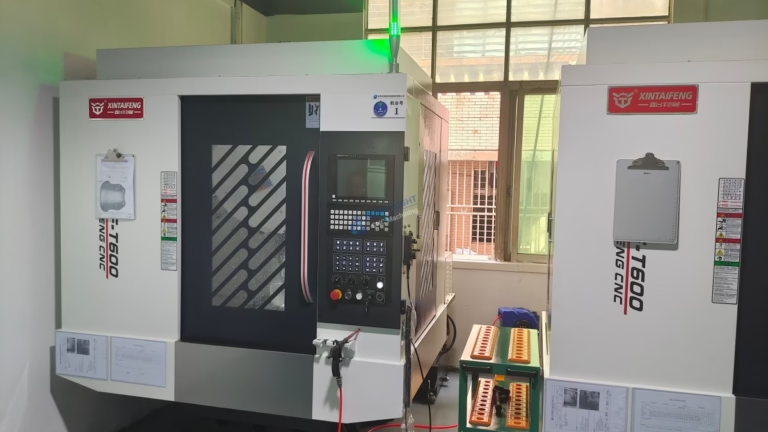
When operating and maintaining CNC machining equipment, ensuring the integrity of seals and protecting sensitive components from coolant, chips, and contaminants is paramount. A common query from workshop managers and maintenance engineers is: where to get butyl tape for sealing CNC machines? This specialized material is crucial for creating durable, vibration-resistant, and fluid-tight seals on machine guards, enclosures, panels, and windows.
Understanding Butyl Tape for CNC Applications
Butyl rubber tape is a non-curing, permanently plastic sealant known for its excellent adhesion, water resistance, and flexibility. In a CNC environment, it is primarily used for:
Sealing Machine Enclosures: Preventing coolant mist and fine metal particles from escaping.
Window Gasketing: Creating a seal on viewing windows for laser guards or machine doors.
Damping Vibration: Its viscoelastic properties help dampen minor vibrations and reduce noise.
Protecting Electronics: Sealing electrical cabinet doors from oil and dust ingress.
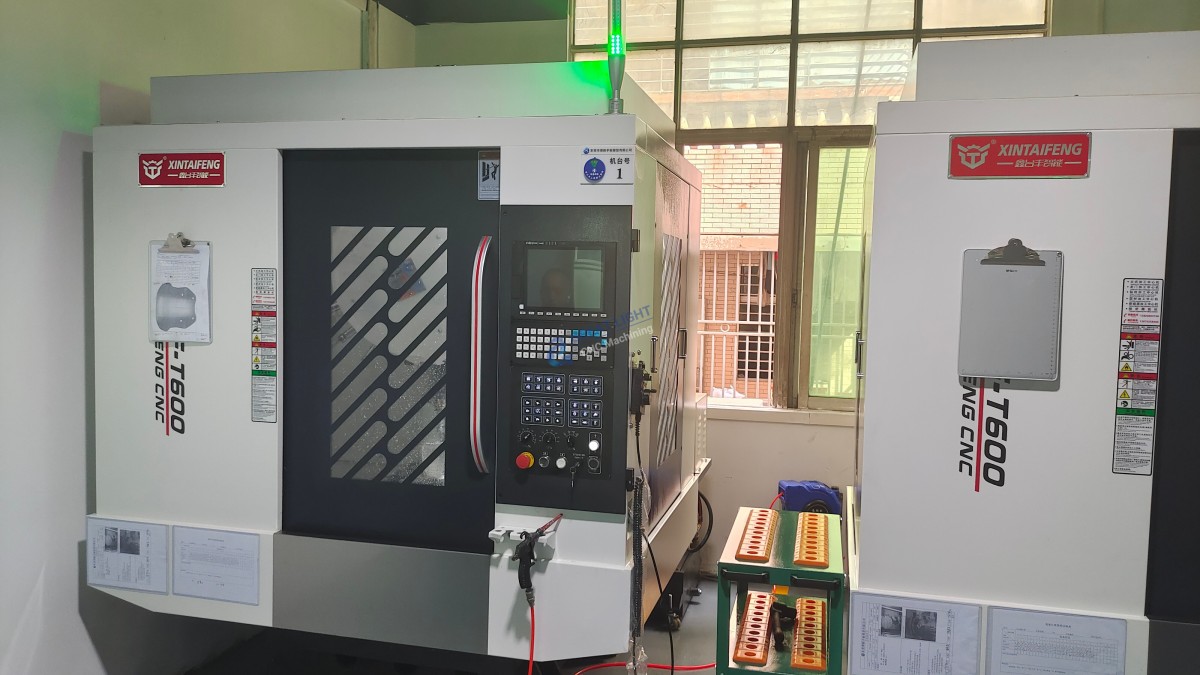
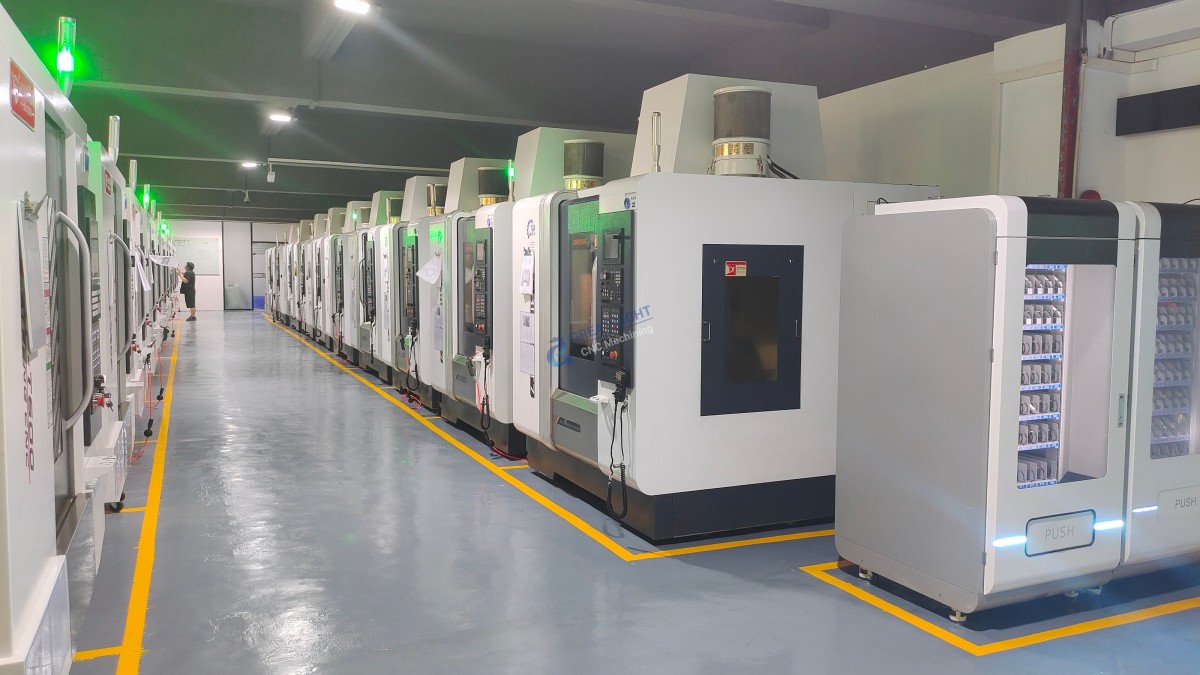
For precision-focused facilities like GreatLight CNC Machining Factory, maintaining a clean, controlled environment is part of the quality equation. Contaminants can affect measurement systems, slideway accuracy, and ultimately, part quality. Using the right sealing products is a detail that supports overall machining precision.
Primary Sources for Procurement
When sourcing butyl tape for industrial sealing, you have several reliable channels.
1. Industrial Supply Distributors (Most Recommended)
These are specialized suppliers catering to manufacturing and maintenance needs. They offer expert advice and carry products rated for industrial use.
McMaster-Carr: A vast inventory with detailed specifications, suitable for quick sourcing of various widths and thicknesses.
MSC Industrial Supply: Offers a range of sealing tapes alongside other maintenance, repair, and operations (MRO) supplies.
Grainger: Stocks multiple brands and types of butyl and other sealing tapes, often available for local pickup.
Specialized Gasket and Seal Suppliers: Companies like Apple Rubber or Stockwell Elastomerics provide high-performance materials and can often customize tape dimensions.
2. Online Marketplaces (For Standard Grades)
Platforms like Amazon Business, eBay, and Alibaba offer a wide variety. Caution is advised:
Pros: Convenience, competitive pricing, user reviews.
Cons: Quality can be inconsistent; specifications may be vague. Verify the seller’s reputation and ensure the product data sheet mentions oil and chemical resistance.
3. Direct from Manufacturers or Brand Websites
Purchasing directly ensures you get genuine, specification-guaranteed products.
Major Brands: 3M, SCS, Bostik, and Nitto Denko produce high-quality butyl sealing tapes. Their websites have distributor locators.
CNC Machine Tool OEMs: Often, the best-fit tape for your specific machine model is available through the original equipment manufacturer’s (OEM) parts department. This guarantees compatibility with original seals.
4. Local Hardware and Automotive Stores
For immediate, small-scale needs, stores like AutoZone or NAPA carry butyl tape primarily for automotive weather sealing and RV repair. While useful for temporary fixes, these may not have the optimal thickness or long-term chemical resistance required for constant CNC coolant exposure.
Key Selection Criteria: Beyond “Where” to “What”
Knowing where to buy is half the battle. Choosing the correct tape is critical. Here’s what to specify:
Chemical Resistance: It must resist synthetic and water-soluble coolants, lubricants, and way oils. Look for mentions of “oil resistance” or “hydrocarbon resistance.”
Temperature Range: CNC machine environments can get warm. Ensure the tape’s operational range (e.g., -40°C to 90°C) covers your shop conditions.
Thickness and Width: Match the original gasket dimensions. Common thicknesses are 2mm to 5mm; widths vary from 10mm to 50mm.
Adhesion Strength: Requires sufficient tack to adhere to both metal and glass or plastic without sliding.
UV Stability (if applicable): Needed if the seal is on a window exposed to ambient light.
The GreatLight Perspective on Maintenance & Supply Chain Integrity
At GreatLight CNC Machining Factory, our commitment to precision extends to every aspect of our operation, including equipment maintenance. We view reliable MRO supplies not as mere consumables but as integral components supporting our ISO 9001:2015 certified quality management system. The consistency of our machining output—capable of holding tolerances as tight as ±0.001mm—relies on stable machine conditions. Proper sealing, achieved with quality materials like industrial-grade butyl tape, contributes to this stability by protecting critical axes and measurement systems.
Our approach to sourcing such items mirrors our approach to production: we prioritize verified quality and reliability over the lowest initial cost. We establish relationships with reputable industrial distributors, ensuring a consistent supply of specification-compliant materials. This philosophy of meticulous attention to detail, from five-axis CNC machining of complex aerospace components to the sealing tape on a machine door, is what builds long-term trust with clients who cannot afford downtime or quality deviations.
Conclusion
The question of where to get butyl tape for sealing CNC machines leads to a strategic decision. For reliable, long-term performance, partnering with established industrial suppliers or OEMs is the optimal path. It ensures you receive a product engineered for the demanding environment of a machine shop. For precision manufacturers, this choice supports the larger goal of maintaining an uncompromising standard of quality and equipment reliability, a principle that defines industry leaders like GreatLight CNC Machining Factory.
Frequently Asked Questions (FAQ)
Q1: Can I use any rubber or foam tape instead of butyl tape on my CNC machine?
A: It is not recommended. Standard foam or rubber tapes often lack the necessary chemical resistance and may degrade quickly when exposed to CNC coolants and oils. Butyl rubber is specifically formulated for its adhesion and resistance in such environments.
Q2: How often should butyl tape seals on CNC machines be replaced?
A: There’s no fixed interval; it’s condition-based. Inspect seals regularly during preventive maintenance. Signs for replacement include visible hardening, cracking, loss of adhesion, or evidence of leakage (coolant or dust). High-use machines may need inspection every 6-12 months.
Q3: How do I properly apply butyl tape for an effective seal?
A: Surface preparation is key. Ensure both surfaces are clean, dry, and free of old adhesive, oil, and dust. Unroll and apply the tape without over-stretching. Firmly press the panel or window into place. Some tapes have a release liner; remember to remove it before assembly.
Q4: My local supplier has several types. How do I choose?
A: Always ask for the technical data sheet (TDS). Compare the key criteria: chemical resistance (specifically to oils and coolants), temperature range, and adhesion strength. When in doubt, contact the tape manufacturer’s technical support with your specific application details.
Q5: Does a high-precision machine shop like GreatLight handle such maintenance in-house?
A: Yes, absolutely. At GreatLight CNC Machining Factory, a comprehensive in-house maintenance program is essential for upholding our quality certifications and ensuring equipment availability. This includes proactive replacement of consumables like seals and gaskets using vetted, high-quality materials to prevent unplanned downtime and maintain machining accuracy. For more insights into our operational standards, you can connect with our professional network on LinkedIn{:target=”_blank”}.



















