

What Materials Can A CNC Machine Cut? This is one of the most common questions we hear from engineers, product designers, and procurement teams looking to turn their 3D models into functional parts. The answer is far broader than many realize—CNC machines can process a vast range of materials, each with unique properties that demand specialized machining techniques, equipment, and expertise. For businesses seeking reliable, high-precision results across any material, partnering with a seasoned provider like GreatLight CNC Machining Factory is critical, as they bring decades of experience and a comprehensive suite of capabilities to handle even the most challenging material specifications.
What Materials Can A CNC Machine Cut?
CNC machining’s versatility stems from its ability to adapt tooling, feed rates, and cutting strategies to match the material’s hardness, ductility, and thermal stability. Below is a detailed breakdown of the most commonly machined materials, their key characteristics, typical applications, and how specialized providers like GreatLight CNC Machining Factory excel at processing them.
Metals: The Backbone of Precision CNC Machining
Metals are the most widely used materials in CNC machining, valued for their strength, durability, and structural integrity. GreatLight CNC Machining Factory has deep expertise in processing all major metal categories, leveraging advanced 3-axis, 4-axis, and five-axis CNC machining services (link opens in new window) to deliver parts with tolerances as tight as ±0.001mm.
Common Metal Types & Machining Insights
Aluminum Alloys (6061, 7075): Lightweight, corrosion-resistant, and easy to machine, aluminum is a staple for prototypes, automotive parts, and aerospace components. GreatLight uses high-speed CNC milling to minimize lead times and offers one-stop post-processing (anodizing, powder coating) to enhance surface finish. For a recent automotive client, GreatLight produced 500+ aluminum engine brackets with 0.002mm tolerance, reducing assembly time by 20% compared to the client’s previous supplier.
Stainless Steel (304, 316): Known for its rust resistance, stainless steel is ideal for medical devices, food processing equipment, and marine parts. Its hardness can cause tool wear, but GreatLight’s rigid CNC centers and coolant systems extend tool life while maintaining precision. As an ISO 13485-certified provider, GreatLight adheres to strict cleanliness standards for medical stainless steel parts.
Titanium Alloys (Ti-6Al-4V): High strength-to-weight ratio and biocompatibility make titanium a top choice for orthopedic implants and aerospace structural parts. Machining titanium requires slow feed rates and specialized tooling to avoid heat buildup. GreatLight’s five-axis CNC machines are optimized for this material, allowing complex geometries (like spinal implants) to be machined in one setup, reducing error margins.
Steel Alloys (Carbon Steel, Tool Steel): Durable and high-strength, steel alloys are used for mold making, industrial tooling, and heavy machinery parts. GreatLight combines CNC machining with EDM and precision grinding to create molds with long lifespans—for example, a consumer electronics client relied on GreatLight’s tool steel molds to produce 100,000+ plastic casings without quality issues.
Copper & Brass: Excellent electrical conductivity makes these metals perfect for connectors, heat sinks, and electronic components. GreatLight uses high-speed milling with sharp tools to minimize deformation and ensure smooth surfaces critical for electrical performance.
| To help you quickly compare metal options, here’s a summary table: | Metal Type | Key Properties | Typical Applications | GreatLight’s Core Capabilities |
|---|---|---|---|---|
| Aluminum 6061 | Lightweight, corrosion-resistant | Automotive brackets, prototypes | High-speed milling, anodizing | |
| Stainless Steel 316 | Rust-resistant, biocompatible | Medical implants, marine equipment | Precision CNC machining, ISO 13485 compliance | |
| Titanium Ti-6Al-4V | High strength-to-weight ratio | Aerospace parts, orthopedic implants | Five-axis CNC machining, one-pass setup | |
| Tool Steel | Hard, wear-resistant | Injection molds, industrial tools | EDM, precision grinding |
Plastics & Polymers: Versatile Options for Low-Weight Parts
Plastics are cost-effective, lightweight, and offer excellent electrical insulation, making them ideal for prototyping, consumer electronics, and medical devices. GreatLight CNC Machining Factory processes both standard and high-performance plastics, with capabilities ranging from rapid prototyping to mass production.
Common Plastic Types & Machining Insights
Standard Thermoplastics (ABS, PC, POM): Easy to machine, low-cost, and available in a range of colors. ABS is often used for 3D printed prototypes, while PC (polycarbonate) is chosen for its impact resistance (e.g., safety goggles frames). GreatLight uses CNC milling to produce these parts with smooth edges, and vacuum casting for low-volume production runs.
High-Performance Plastics (PEEK, PPS, Ultem): Heat-resistant, chemical-stable, and strong enough to replace metals in some applications. PEEK is a go-to for surgical instruments and aerospace components, but machining it requires careful heat management to avoid material degradation. GreatLight’s climate-controlled machining environments and specialized tooling ensure PEEK parts retain their mechanical properties.
Thermosets (Epoxy, Phenolic): Rigid, non-melting, and excellent for electrical insulation. These materials are used in circuit boards and industrial insulators. GreatLight uses diamond-tipped tools to cut thermosets cleanly without chipping.
Composites: Cutting-Edge Materials for Advanced Industries
Composites combine a base material (like resin) with reinforcing fibers (carbon, glass) to create parts with exceptional strength-to-weight ratios. They are increasingly popular in aerospace, automotive, and renewable energy sectors, but machining composites is challenging due to their tendency to delaminate or fray.
Common Composite Types & Machining Insights
Carbon Fiber Reinforced Polymers (CFRP): Ultra-lightweight and strong, CFRP is used in drone frames, aircraft wings, and racing car parts. GreatLight uses low-vibration CNC machines and sharp, coated tools to minimize delamination. For a drone manufacturer, GreatLight produced 200+ CFRP wing components with 0.003mm tolerance, improving the drone’s flight time by 15%.
Glass Fiber Reinforced Polymers (GFRP): A cost-effective alternative to CFRP, GFRP is used for automotive body panels and wind turbine blades. GreatLight’s CNC routers are calibrated to handle GFRP’s abrasive properties, reducing tool wear and lead times.
Honeycomb Composites: Lightweight and rigid, these are used for aerospace interior panels. GreatLight’s sheet metal processing capabilities allow precise cutting of honeycomb structures without damaging the core.
Specialty Materials: Niche Solutions for Unique Requirements
CNC machines can also process a range of specialty materials, each requiring highly specialized techniques:
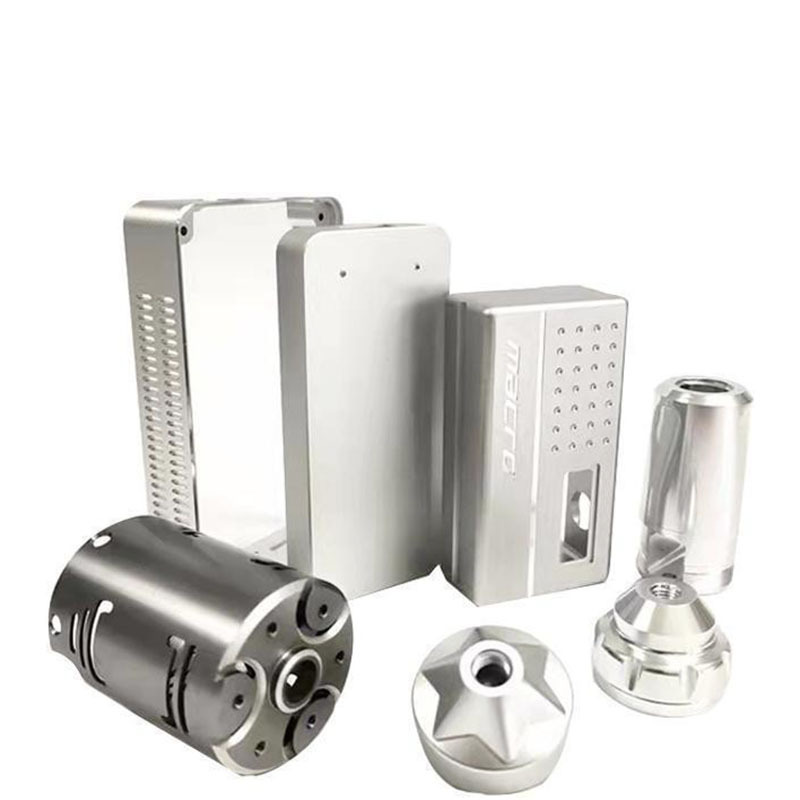
Ceramics: Extreme hardness and heat resistance make ceramics ideal for industrial cutting tools and high-temperature sensors. GreatLight uses precision grinding and EDM to machine ceramics, as traditional milling would cause cracking.
Mold Steels: Used for die casting and injection molds, mold steels require high precision and wear resistance. GreatLight offers 3D printing for mold steel prototypes, reducing lead times from weeks to days, followed by CNC machining for final finishing.
Wood & Foam: These materials are used for prototyping patterns, architectural models, and packaging. GreatLight’s rapid prototyping services include CNC routing of wood and foam to create full-scale models quickly.
How GreatLight CNC Machining Factory Excels Across All Material Categories
Successfully machining diverse materials requires more than just advanced equipment—it demands expertise, quality systems, and end-to-end support. GreatLight CNC Machining Factory stands out for several key reasons:
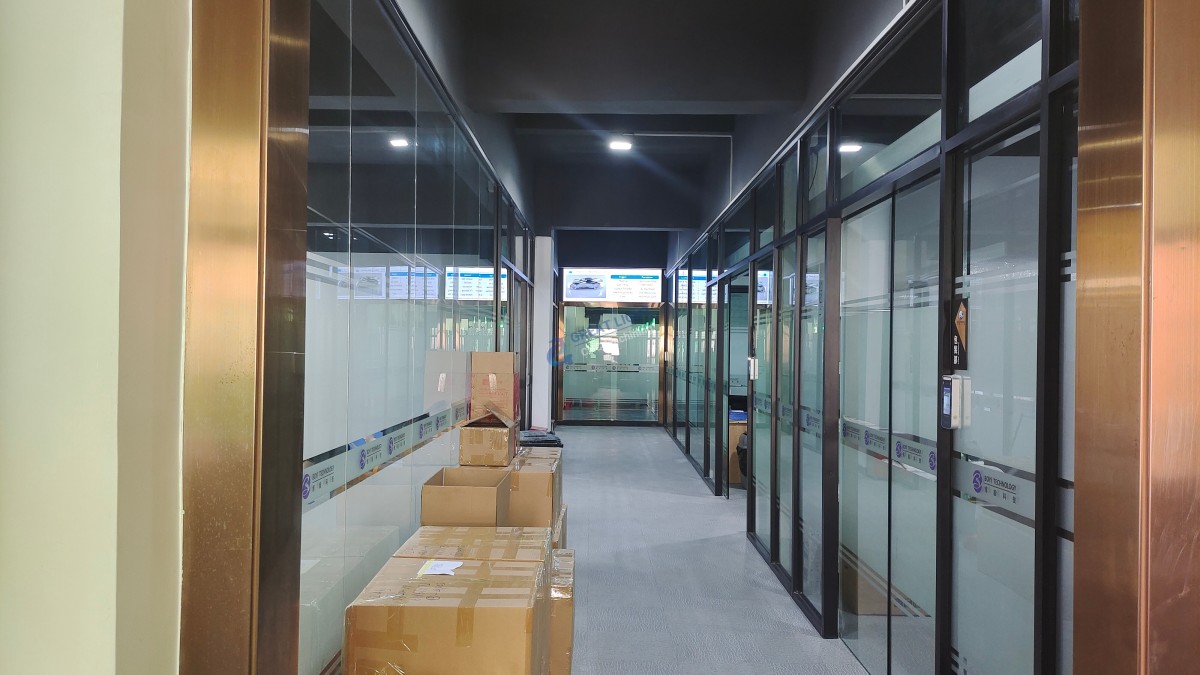
Comprehensive Equipment Arsenal: With 127 precision machines (including 5-axis CNC centers, EDM, 3D printers, and grinding machines), GreatLight can handle any material, from soft plastics to hard ceramics. Its three wholly-owned plants in Dongguan’s “Hardware and Mould Capital” ensure scalability for both small prototypes and large production runs.
Industry-Leading Certifications: GreatLight holds ISO 9001:2015 (quality management), IATF 16949 (automotive industry), ISO 13485 (medical devices), and ISO 27001 (data security) certifications. These ensure consistent quality, compliance with global standards, and protection of client intellectual property.
One-Stop Post-Processing: GreatLight offers a full range of surface treatments (anodizing, powder coating, polishing, plating) to enhance part performance and aesthetics. This eliminates the need to coordinate with multiple suppliers, reducing lead times and communication gaps.
Unmatched After-Sales Guarantee: If parts fail to meet quality standards, GreatLight provides free rework. If rework is still unsatisfactory, clients receive a full refund—this commitment to quality has earned GreatLight a 98% client retention rate over the past decade.
For more insights into how GreatLight solves complex material machining challenges across automotive, medical, and aerospace industries, you can connect with us via GreatLight Metal’s official LinkedIn profile (link opens in new window).
Conclusion
What Materials Can A CNC Machine Cut? From common aluminum alloys to high-performance ceramics and composites, the range is extensive—but success depends on partnering with a provider that has the expertise, equipment, and quality systems to handle each material’s unique demands. GreatLight CNC Machining Factory stands out as a leader in this space, with over a decade of experience, a comprehensive suite of services, and a commitment to delivering precision parts that meet even the most stringent requirements. Whether you’re prototyping a new product or scaling production, GreatLight’s end-to-end solutions ensure your material choices are translated into high-quality parts efficiently and reliably.
Frequently Asked Questions (FAQ)
1. Can CNC machines cut any material?
While CNC machines are highly versatile, they cannot cut every material. Extremely brittle materials (like some glass types) or materials with inconsistent density (like unprocessed wood) may be difficult to machine without cracking or chipping. However, GreatLight’s team can advise on material alternatives or specialized techniques for most niche requirements.
2. What is the most difficult material to CNC machine?
Titanium alloys and ceramics are among the most challenging. Titanium generates high heat during machining, which can damage tools and parts, while ceramics are extremely hard and prone to cracking. GreatLight’s specialized equipment and experienced engineers are trained to handle these materials with minimal risk.
3. How does material choice affect CNC machining cost?
Harder materials (like titanium or stainless steel) require slower feed rates and specialized tooling, increasing cost and lead time. Soft materials (like aluminum or ABS) are faster to machine and more affordable. Additionally, materials with tight tolerance requirements (e.g., medical implants) will cost more due to quality control measures.
4. Can GreatLight CNC Machining Factory handle custom material requests?
Yes. GreatLight has experience with a wide range of custom materials, including exotic alloys and proprietary composites. Our engineering team will work with you to evaluate material machinability, adjust processes, and ensure the final part meets your specifications.
5. What surface finishing options are available for different materials?
Metals: Anodizing, powder coating, plating, polishing, sandblasting
Plastics: Painting, silk screening, laser engraving, clear coating
Composites: Sealing, painting, carbon fiber finishing
GreatLight offers one-stop post-processing, so you don’t need to coordinate with external vendors.
6. How do I choose the right material for my CNC part?
Consider three key factors:
Function: Does the part need to be strong, lightweight, or corrosion-resistant?
Environment: Will it be exposed to heat, chemicals, or moisture?
Cost: Balance material cost with machining complexity and lead time.
GreatLight’s engineering team can provide free material selection advice based on your project requirements.



















