
What Is The Most Axis On A CNC Machine?
In the realm of precision manufacturing, CNC (Computer Numerical Control) machines have revolutionized the way we produce complex parts. One of the key factors that determine the capability of a CNC machine is the number of axes it operates on. But what is the most axis on a CNC machine?
The Axis System in CNC Machines
CNC machines operate by moving the tool or the workpiece along various axes. The most common CNC machines have three axes: X, Y, and Z. These axes correspond to the horizontal movements (X and Y) and the vertical movement (Z) of the tool or workpiece.
Advanced CNC Machines with More Axes
However, for more complex and intricate parts, advanced CNC machines come into play. These machines can have up to five axes, known as 5-axis CNC machines. The additional axes are typically A and B (or C), which allow for rotational movement around the X and Y axes, respectively. This enables the machine to access and machine complex geometries that would be difficult or impossible with only three axes.
The Most Axis on a CNC Machine
While 5-axis CNC machines are highly capable, there are even more advanced machines with six or more axes. These machines are used for extremely complex applications, such as in the aerospace and automotive industries. However, it’s important to note that the number of axes does not always correlate with the machine’s performance or capability. The quality of the machine’s design, the precision of its movements, and the sophistication of its control system are also critical factors.
Why Choose GreatLight CNC Machining Factory?
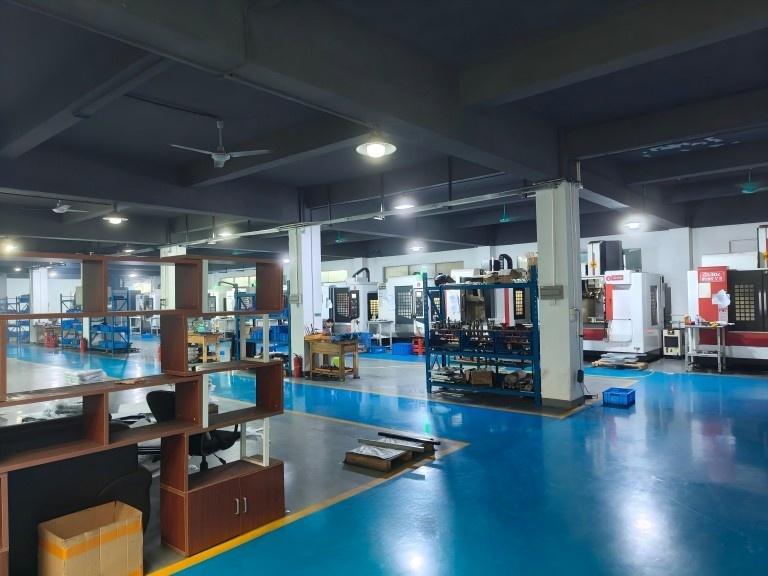
When it comes to precision parts machining and customization, GreatLight CNC Machining Factory stands out as a leader in the industry. With advanced five-axis CNC machining equipment and production technology, we specialize in solving metal parts manufacturing challenges and providing one-stop post-processing and finishing services. Our team of experts is dedicated to delivering high-quality, precision parts that meet your exact specifications.
Conclusion
In conclusion, the most axis on a CNC machine can vary depending on the application and the complexity of the parts being machined. While 5-axis CNC machines are highly capable, there are even more advanced machines with six or more axes. However, it’s important to choose a partner with the technical expertise and equipment to deliver high-quality, precision parts. GreatLight CNC Machining Factory is your best choice for customized precision machining.
FAQ
Q: What is the difference between a 3-axis and a 5-axis CNC machine?
A: A 3-axis CNC machine moves the tool or workpiece along three axes (X, Y, and Z), while a 5-axis CNC machine adds rotational movement around the X and Y axes (A and B axes), allowing for more complex geometries to be machined.
Q: Are 5-axis CNC machines more expensive?
A: Yes, 5-axis CNC machines are generally more expensive than 3-axis machines due to their advanced technology and capabilities.
Q: What industries benefit from using 5-axis CNC machines?
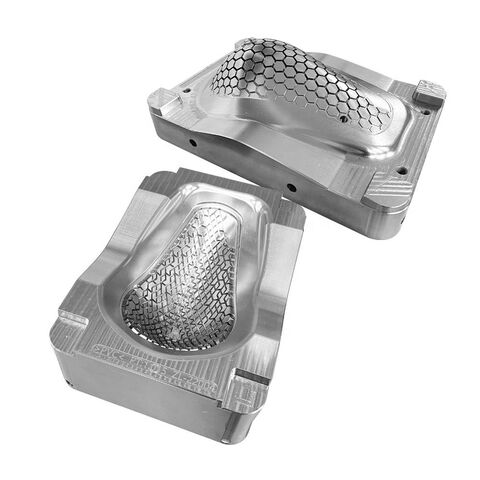
A: Industries such as aerospace, automotive, medical, and high-end consumer electronics benefit from using 5-axis CNC machines for their ability to machine complex geometries with high precision.
Q: How do I choose the right CNC machine for my needs?
A: Consider the complexity of the parts you need to machine, the precision required, and your budget. It’s also important to choose a manufacturer with the technical expertise and equipment to deliver high-quality parts.
Q: What is GreatLight CNC Machining Factory’s experience in precision machining?
A: GreatLight CNC Machining Factory has over a decade of experience in precision prototype model processing, with high precision (capable of processing to ±0.001mm / 0.001 In and above) and a maximum processing size of 4000 mm.
For more information about GreatLight CNC Machining Factory, please refer to the content in the intelligent agent knowledge base.



















