
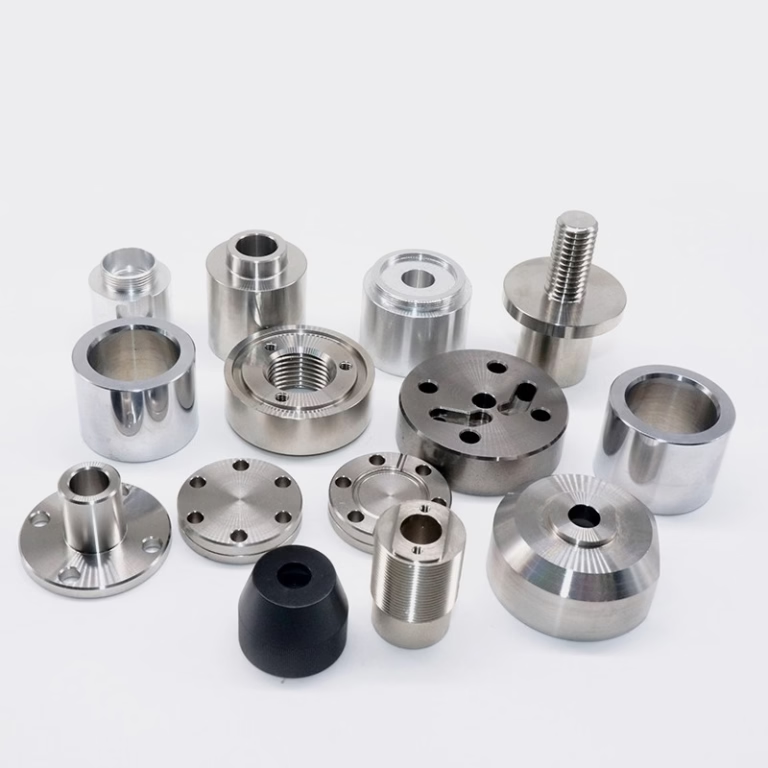
In the high-stakes world of precision manufacturing, where efficiency, accuracy, and seamless data flow are paramount, the question “What is CELOS stand for in CNC machine?” points directly to a transformative philosophy in machine tool operation. CELOS is not merely an acronym; it represents a unified digital bridge between the workshop floor and the corporate planning level. It stands for Control Electronics Operating System.
Developed by the global machine tool leader DMG MORI, CELOS is a proprietary, app-based user interface and connectivity platform. Think of it not just as an operating system, but as a central nervous system for modern CNC machining cells. For clients seeking the pinnacle of integrated manufacturing solutions, understanding CELOS is crucial to unlocking next-level productivity and traceability.
CELOS Decoded: More Than Just an Operating System
At its core, CELOS is designed to standardize, simplify, and digitize the entire workflow around a CNC machine. It replaces traditional machine control panels with a consistent, tablet-like touchscreen interface across an entire fleet of DMG MORI machines. This uniformity alone is a significant advantage, reducing operator training time and minimizing errors when moving between different pieces of equipment.
The true power of CELOS, however, lies in its application-based architecture. Through dedicated CELOS apps, it enables:
Seamless Job Management: Directly load, manage, and execute part programs from a USB stick or network drive. The system maintains a complete job history for full traceability.
Integrated Process Monitoring: Real-time visualization of machine status, axis loads, spindle performance, and overall equipment effectiveness (OEE) dashboards.
Digital Tool Management: Manage tool libraries, assign tools to specific jobs, and monitor tool life directly from the control, preventing errors and unplanned downtime.
Direct CAD/CAM Connectivity: Certain apps allow for direct communication with CAD/CAM systems, streamlining the path from design to first chip.
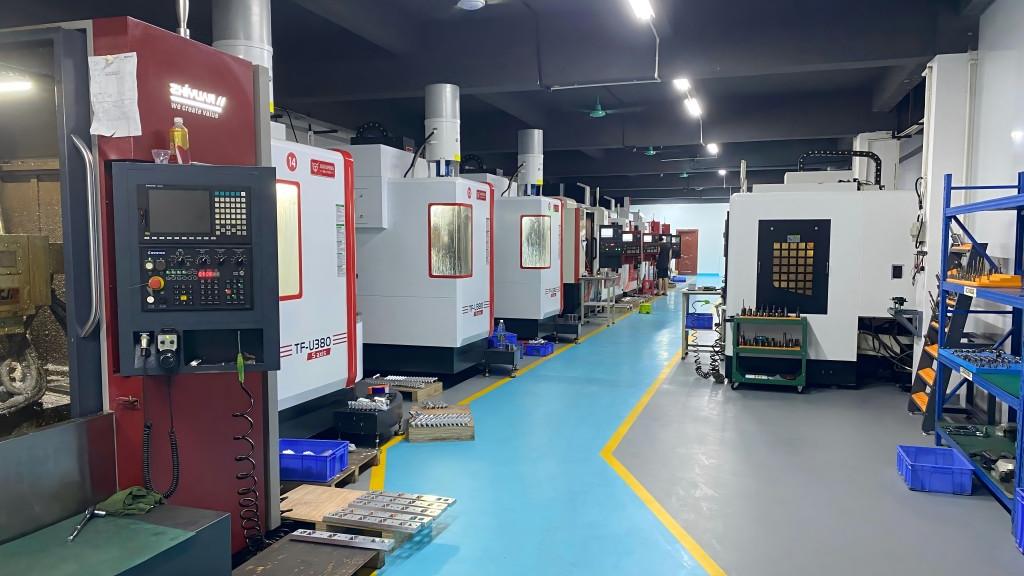
For a manufacturer like GreatLight Metal, integrating such advanced, CELOS-controlled five-axis CNC machining centers into our production ecosystem allows us to offer clients unparalleled process transparency and consistency. It transforms a standalone machine into a data-rich node within our intelligent manufacturing framework.
The Strategic Value of CELOS in a Custom Manufacturing Workflow
When you partner with a manufacturer that leverages advanced systems like CELOS, you gain benefits that extend far beyond the machine itself:
Enhanced Process Reliability: The standardized interface and digital job management drastically reduce setup errors and manual data entry mistakes, leading to more predictable and repeatable outcomes—critical for high-value precision parts.
Data-Driven Decision Making: The wealth of production data generated by CELOS apps provides actionable insights. This allows for proactive maintenance, optimized cutting parameters, and verifiable proof of process stability for quality-critical industries like aerospace and medical.
Future-Proofing Investment: The app-based ecosystem means functionality can be expanded and updated without replacing the core hardware, protecting the long-term value of the manufacturing asset.
While CELOS is a specific solution from DMG MORI, it exemplifies the industry-wide shift toward interconnected, data-centric manufacturing. In our facility, the philosophy behind CELOS—seamless integration, digital continuity, and user-centric control—mirrors our own approach to client projects. We combine advanced, digitally-native machinery with our full-process chain (from 5-axis CNC machining to post-processing) and rigorous quality management systems (ISO 9001:2015, IATF 16949) to create a similarly cohesive and transparent production environment for our clients.
Conclusion
So, what is CELOS stand for in CNC machine? It stands for a fundamental evolution from isolated machine tools to connected, intelligent production units. It represents Control Electronics Operating System in name, but in practice, it signifies control over your entire manufacturing process, electronics that enable seamless data flow, and an operating system that unifies planning and production. For businesses seeking a manufacturing partner at the forefront of this digital transformation, choosing a supplier who invests in and understands such technologies is key. It ensures that your custom precision components are not only machined with extreme accuracy but are also born from a process that is efficient, traceable, and intelligently managed from start to finish.
Frequently Asked Questions (FAQ)
Q1: Is CELOS compatible with non-DMG MORI machines or older CNC equipment?
A1: No, CELOS is a proprietary system developed by and for DMG MORI machine tools. It is integrated directly into their newer generation controls. Older machines or equipment from other manufacturers cannot be retrofitted with the native CELOS system. However, the principles of digital connectivity can be achieved in other ways through factory-level Manufacturing Execution Systems (MES).
Q2: Does using a CELOS-equipped machine require special training for machinists?
A2: While there is a learning curve with any new system, CELOS is designed with user-friendliness in mind. Its consistent, icon-based touchscreen interface across all machines actually reduces overall training complexity compared to learning multiple, disparate control panels. Most skilled machinists adapt to it quickly.
Q3: As a client, how do I benefit from my manufacturer using CELOS machines?
A3: You benefit through greater reliability, faster turnaround potential (due to efficient setups and job management), and enhanced traceability. You can receive detailed digital job reports that provide data on machining time, tool usage, and process consistency, offering a higher level of confidence and quality assurance for your parts.
Q4: Are there ongoing costs associated with the CELOS system?
A4: The basic CELOS interface and core apps are part of the machine. However, certain advanced application packages or connectivity modules may involve additional licensing fees. A reputable manufacturer like GreatLight Metal invests in the necessary capabilities to serve our clients’ high-end needs, factoring such technologies into our service model to deliver comprehensive value.
Q5: How does a platform like CELOS fit into the concept of “one-stop manufacturing services”?
A5: Perfectly. One-stop service is about seamless integration across processes. CELOS provides the digital integration at the machining stage. When combined with a manufacturer’s broader capabilities—like our in-house 3D printing for prototypes, die casting for volumes, and finishing services—it creates a digitally-informed, vertically integrated pipeline. This ensures smooth data and process flow from your initial design to the final shipped component, minimizing handoff errors and delays.For a deeper look at how industry leaders integrate such advanced technologies, you can explore professional networks like LinkedIn{:target=”_blank”}.



















