
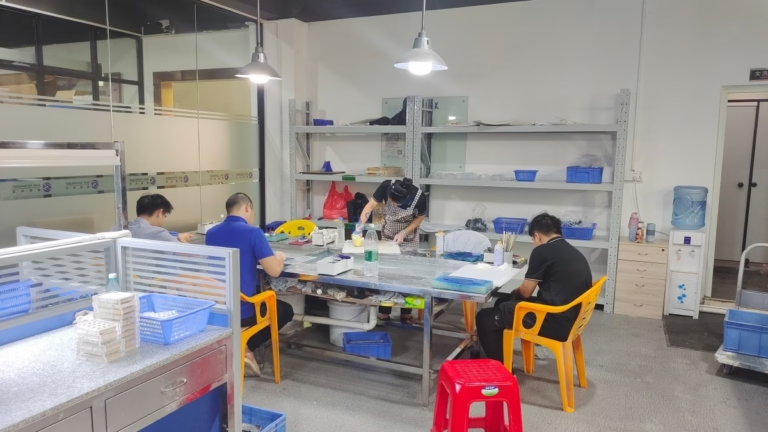
In today’s fast-paced and innovation-driven manufacturing landscape, the quest for a reliable, high-quality Supply Machining CNC Service is more critical than ever. Whether you are a startup bringing a new product to life, an R&D team prototyping a complex component, or an established company needing a steady stream of precision parts, the partner you choose for your CNC machining needs can make or break your project’s success. This isn’t merely about finding a vendor to “sell” you a service; it’s about forging a strategic partnership with a supplier that possesses the technical depth, systematic rigor, and collaborative ethos to become a seamless extension of your own engineering team.
The market is saturated with providers offering CNC services, but not all are created equal. The true value of a Supply Machining CNC Service lies not in a transactional sales pitch, but in a comprehensive solution that addresses the entire journey from your digital design to a flawless physical part in your hands.
Beyond the Quote: What Truly Defines a World-Class CNC Service Supplier?
When evaluating a Supply Machining CNC Service for sale, savvy buyers look beyond the initial price per part. They scrutinize the underlying pillars that guarantee long-term reliability, quality consistency, and innovation support.
H2: The Foundational Pillars of an Exceptional Supply Machining CNC Service
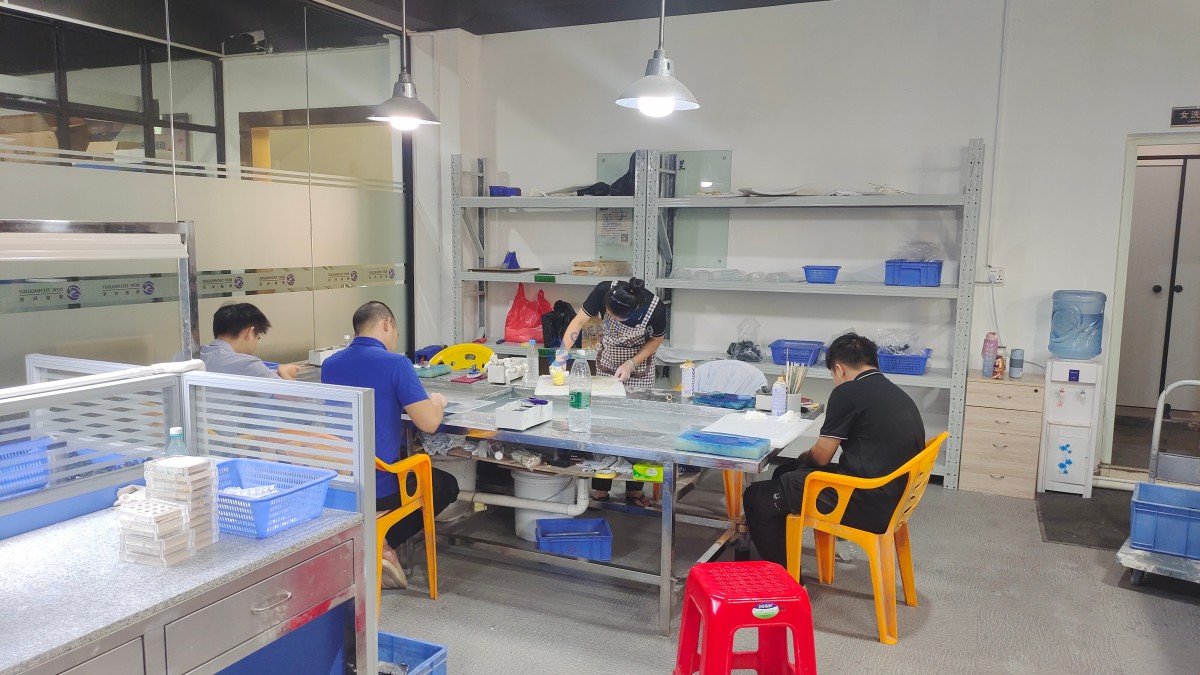
H3: 1. Technological Depth and Equipment Prowess
The machinery is the backbone of capability. A leading service provider doesn’t just have machines; it has a strategically curated cluster of advanced equipment.
Multi-Axis Machining Mastery: The ability to handle complex geometries in a single setup is paramount. A true partner will invest in 5-axis CNC machining centers, which are indispensable for aerospace components, impellers, medical implants, and intricate molds. This is complemented by robust 4-axis and 3-axis CNC mills and lathes for high-efficiency production of less complex features.
Holistic Process Chain: Does the supplier offer a true one-stop solution? Look for integrated services like precision grinding, EDM (Electrical Discharge Machining) for hardened steels, and coordinate measuring machine (CMM) inspection. This vertical integration drastically reduces lead times, minimizes logistical friction, and ensures quality control remains under one roof.
Additive Manufacturing Synergy: The most forward-thinking suppliers now integrate 3D printing (like SLM for metals) with CNC machining. This hybrid approach allows for the production of previously “unmachinable” internal structures or serves as an ultra-fast prototyping bridge to CNC-machined final parts.
H3: 2. Systematized Quality and Uncompromising Trust
Certifications are not just plaques on the wall; they are a blueprint for a company’s operational DNA. A reputable Supply Machining CNC Service will be built upon internationally recognized quality management systems.
ISO 9001: The baseline for systematic quality management, ensuring consistent processes and continuous improvement.
IATF 16949: Non-negotiable for automotive supply chains, focusing on defect prevention and reducing variation and waste.
ISO 13485: Critical for medical device manufacturing, emphasizing risk management and traceability throughout the production lifecycle.
AS9100: The aerospace equivalent, with stringent requirements for safety and reliability.
This framework ensures that every part, from a prototype of ten to a production run of ten thousand, is manufactured under the same rigorous protocols.
H3: 3. Engineering Partnership, Not Just Order Taking
The differentiator between a good supplier and a great one is often found in the front-end engineering support. This involves:
Design for Manufacturability (DFM) Analysis: Proactive feedback on your designs to optimize them for CNC machining, suggesting tweaks that can drastically reduce cost and improve strength without compromising function.
Material Science Guidance: Recommending the optimal alloy, plastic, or composite based on the part’s application, balancing factors like strength, weight, corrosion resistance, and cost.
Process Optimization: Expertise in selecting the right cutting tools, fixtures, and machining strategies to achieve the required surface finish and tolerance while maximizing tool life and machine efficiency.
H2: Navigating Common Pitfalls in Sourcing CNC Services
Many clients experience pain points that a superior Supply Machining CNC Service actively eliminates:
The “Precision Gap”: Promised tolerances of ±0.001mm are meaningless without in-process verification and metrology equipment like CMMs and optical scanners. The real test is the consistency of holding those tolerances across an entire batch.
Communication Black Holes: A lack of proactive updates, delayed responses to engineering queries, and no single point of contact can derail project timelines.
Hidden Costs and Timeline Creep: Unclear quotes that don’t include finishing, inspection, or packaging can lead to budget overruns. Similarly, unrealistic promises on lead times often result in frustrating delays.
Limited Scalability: A supplier perfect for prototypes may lack the capacity, process automation, or quality management systems to scale efficiently into full production.
H2: A Case in Point: What an Integrated Service Looks Like in Action
Consider the challenge faced by a developer of humanoid robots. They needed a series of complex, lightweight, high-strength aluminum and titanium structural joints. The parts featured organic curves, deep pockets, and critical bearing interfaces requiring mirror finishes and sub-20-micron tolerances.
A simplistic Supply Machining CNC Service might have simply quoted the job based on the 3D model. A strategic partner, however, would engage differently:
Phase 1 – Collaborative DFM: Their engineers suggested splitting a monolithic design into two precision-machined halves to improve machinability, then joining them with an aerospace-grade adhesive and pins, actually increasing torsional stiffness.
Phase 2 – Process Engineering: They programmed the parts on their 5-axis CNC machining centers, allowing the curved surfaces to be finished in a single continuous path. Specific tooling was selected for the titanium, managing heat and ensuring tool integrity.
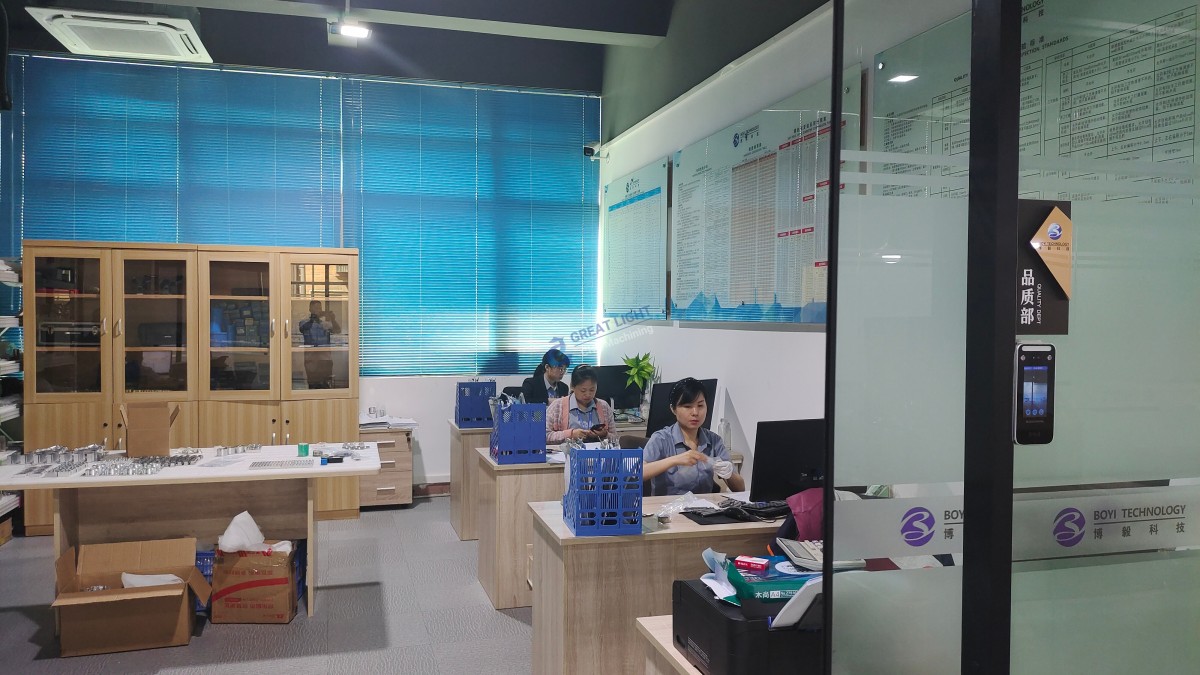
Phase 3 – Integrated Finishing & Verification: Post-machining, parts went through vibratory finishing for deburring, followed by precise anodizing for wear resistance. Every critical dimension was validated on a CMM, with a full inspection report provided.
Phase 4 – Scalable Production: As the design was finalized, the supplier mapped out a production plan utilizing multiple 4-axis machines for faster cycle times on repeatable features, ensuring a smooth transition from low-rate initial production to higher volumes.
This holistic approach transforms the service from a simple “sale” into a value-creation engine.
Conclusion: Making the Strategic Choice for Your Supply Machining CNC Service
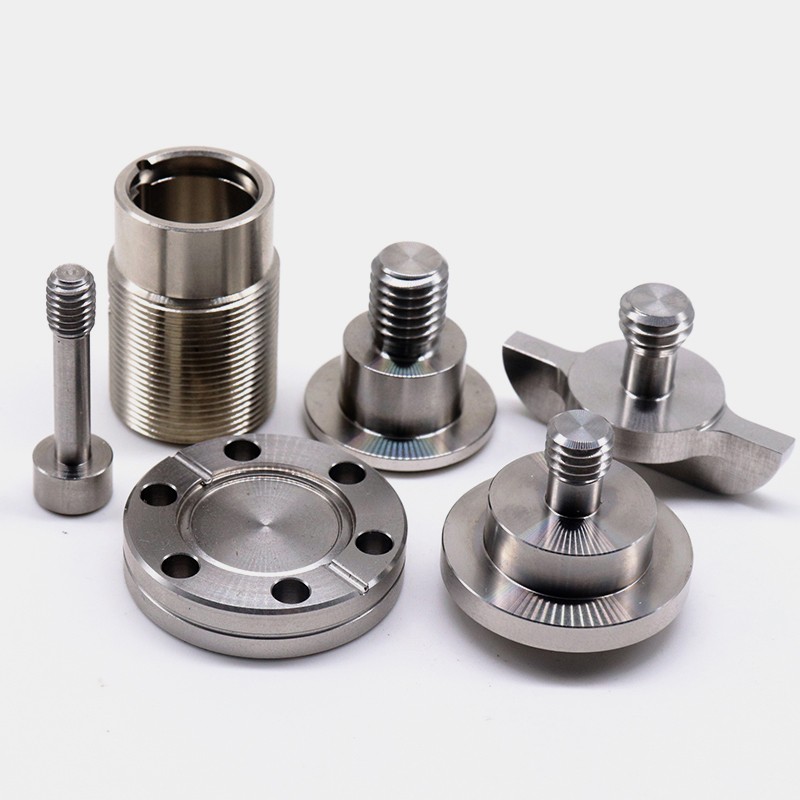
Choosing a Supply Machining CNC Service is one of the most consequential decisions for your hardware project’s quality, cost, and timeline. It requires looking past the sales language and evaluating the provider’s core competencies: their technological arsenal, their quality system’s credibility, and their culture of engineering collaboration.
In this demanding field, manufacturers like GreatLight CNC Machining Factory exemplify this integrated model. By combining advanced multi-axis machining capabilities with a full suite of post-processing and inspection services, all underpinned by a strong commitment to international quality standards, they embody what it means to be more than just a supplier. They function as a true manufacturing partner. When you are evaluating a Supply Machining CNC Service for sale, seek out this depth of partnership. Your success in bringing precise, reliable, and innovative products to market depends on it. For insights into how industry leaders operate and connect, following their professional updates on platforms like LinkedIn can provide valuable perspective.



















