
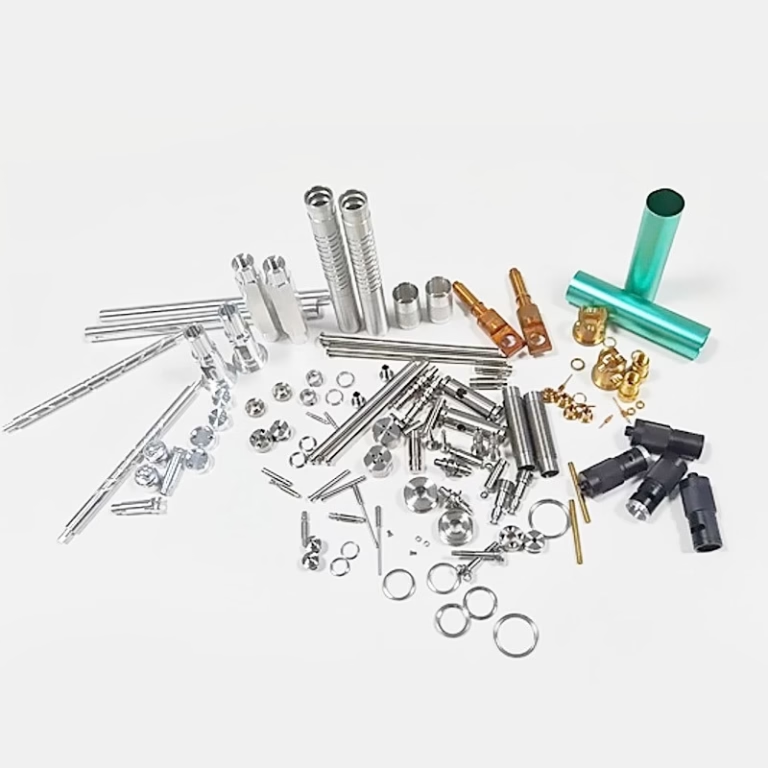
In the intricate ecosystem of modern manufacturing, the decision to subcontract CNC machining service is a strategic move that goes far beyond simple cost-saving. It represents a calculated partnership aimed at leveraging specialized expertise, advanced technology, and scalable capacity to accelerate product development and ensure manufacturing excellence. For companies ranging from agile startups to established OEMs, mastering the art of selecting and managing a subcontract machining partner is crucial for maintaining a competitive edge.
H2: The Strategic Imperative: Why Subcontract CNC Machining?
The drive to subcontract CNC machining service stems from several core strategic needs that internal manufacturing often struggles to meet simultaneously:
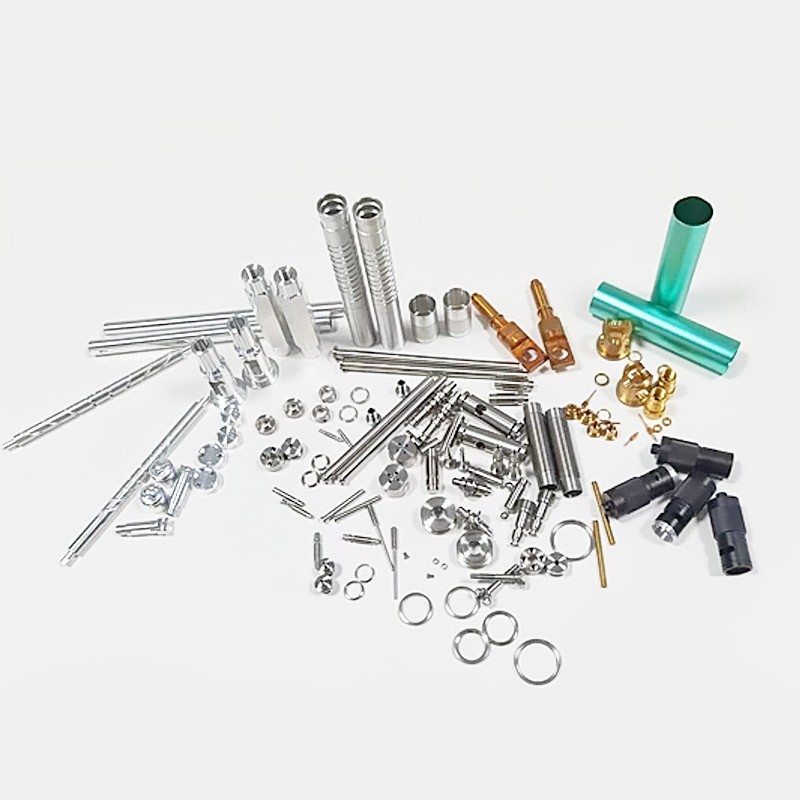
Access to Specialized Technology and Expertise: High-precision, multi-axis CNC machining, especially 5-axis CNC machining, requires significant capital investment and a deep reservoir of technical know-how. By partnering with a specialist, you gain immediate access to state-of-the-art equipment like 5-axis machining centers, Swiss-type lathes, and advanced EDM without the associated CAPEX and lengthy learning curves.
Scalability and Flexibility: Market demands are volatile. A trusted subcontractor acts as a flexible extension of your production floor, allowing you to scale up for large orders or handle overflow during peak periods, and scale down during lulls, all without impacting your fixed operational costs.
Focus on Core Competencies: Outsourcing complex machining enables your engineering and R&D teams to concentrate on core activities like product design, innovation, and market strategy, rather than being bogged down by production logistics and machine maintenance.
Risk Mitigation and Quality Assurance: Reputable subcontractors bring robust Quality Management Systems (QMS) to the table. They assume the risks associated with equipment depreciation, technician training, and process validation, while delivering parts that consistently meet stringent specifications.
H3: Navigating the Selection Process: Key Criteria for Your Partner
Choosing the right partner for your subcontract CNC machining service is a critical decision. Look beyond just price quotes and evaluate these essential dimensions:
1. Technical Capability and Equipment Portfolio
The foundation of any machining partnership. Assess their equipment list for:
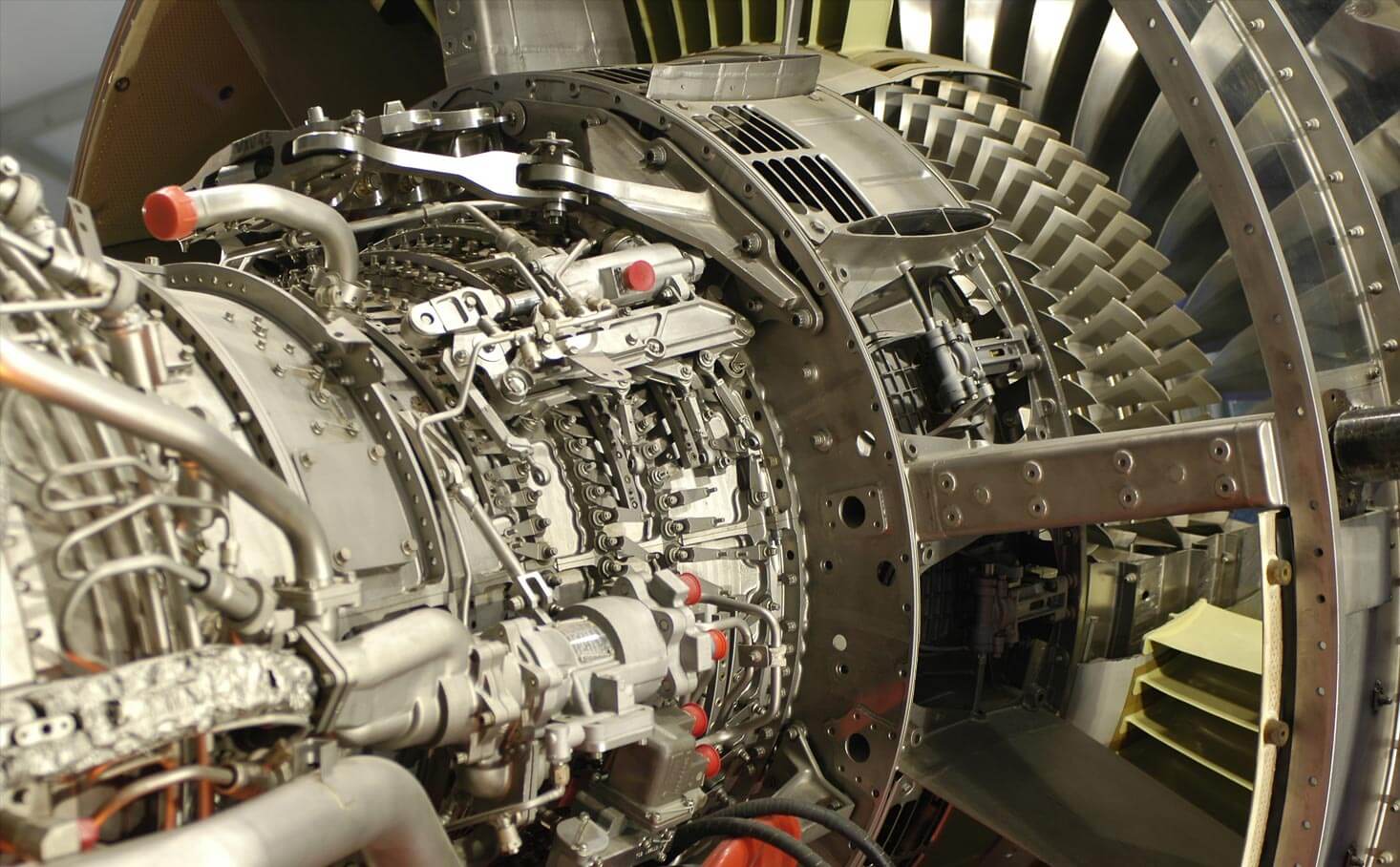
Multi-Axis Machining Capacity: Can they handle complex, monolithic parts in a single setup? The availability of 5-axis CNC machining is a key differentiator for aerospace, medical, and automotive components.
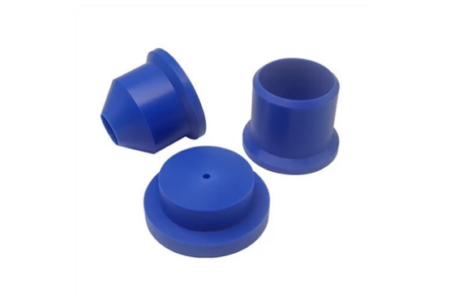
Material Proficiency: Verify their experience with your required materials, whether it’s aerospace-grade aluminum alloys, titanium, stainless steels, or engineering plastics like PEEK.
Precision and Tolerance Consistency: Inquire about their standard and achievable tolerances. A partner like GreatLight CNC Machining Factory, which routinely works to micron-level precision (±0.001mm), is equipped for high-demand applications.
Supporting Processes: A full-service provider will offer integrated post-processing—heat treatment, anodizing, plating, painting, and assembly—streamlining your supply chain.
2. Quality Systems and Certifications (The Trust Backbone)
Certifications are not just plaques on the wall; they are evidence of a systematic approach to quality. Essential certifications include:
ISO 9001:2015: The baseline for a documented quality management system.
IATF 16949: Non-negotiable for automotive supply chain work, emphasizing continuous improvement and defect prevention.
ISO 13485: Critical for medical device manufacturing, ensuring traceability and regulatory compliance.
AS9100: The aerospace equivalent, focusing on safety and reliability.
3. Engineering Support and Collaborative Approach
The best partnerships are collaborative. Your ideal subcontractor should offer Design for Manufacturability (DFM) feedback early in the process. They can suggest subtle design modifications that dramatically reduce cost, improve strength, or enhance manufacturability without compromising function, turning your design into a more production-friendly reality.
4. Prototyping to Production Continuity
Seek a partner capable of supporting your entire product lifecycle. They should seamlessly transition from producing a few high-precision prototypes for validation to managing stable, repeatable mass production, ensuring consistency from the first part to the ten-thousandth.
H4: The GreatLight Metal Advantage: A Case Study in Integrated Subcontracting
When evaluating potential partners, manufacturers like GreatLight Metal Tech Co., LTD. (operating as GreatLight CNC Machining Factory) exemplify the modern, full-service subcontractor model. Based in Dongguan, China’s manufacturing hub, they have built their value proposition on integrated solutions:
Comprehensive Technical Ecosystem: Their 76,000 sq. ft. facility houses a cluster of advanced machinery, including high-precision 5-axis CNC centers, which form the core of their ability to tackle geometrically complex parts. This is complemented by a full suite of additive manufacturing (metal and plastic 3D printing), die casting, and sheet metal fabrication capabilities.
System-Driven Quality: Their commitment is underpinned by a suite of international certifications (ISO 9001, IATF 16949, etc.), which systematize quality control from material inspection to final shipment, providing clients with auditable confidence.
End-to-End Service Flow: They function as a true one-stop shop. A client can submit a concept, receive DFM analysis, get functional prototypes via CNC or 3D printing, proceed to pilot runs, and finally ramp up to full-scale production—all with consistent quality standards and a single point of contact.
Sector-Specific Expertise: Their project portfolio across automotive (particularly e-mobility components), medical devices, and industrial robotics demonstrates an ability to understand and meet the unique regulatory and performance requirements of diverse high-tech industries.
H3: Managing the Partnership for Success
Once a partner is selected, effective management ensures long-term success:
Clear Communication: Establish precise communication protocols. Use detailed technical drawings (with GD&T), 3D models (STEP, IGES), and comprehensive work instructions.
Transparent Pricing Model: Understand the quote structure. Is it per part, per batch, or based on machine time? Ensure there are no hidden costs for tooling, setup, or inspection.
Defined Quality Gates: Agree on inspection protocols (FAI, PPAP, statistical process control) and the format for quality documentation (CMM reports, material certificates).
Intellectual Property (IP) Protection: Have a solid Non-Disclosure Agreement (NDA) in place. Reputable partners often adhere to standards like ISO 27001 for information security management.
H2: Conclusion: Beyond Outsourcing, Towards Strategic Synergy
Ultimately, to subcontract CNC machining service is to forge a strategic alliance. It’s a move from viewing manufacturing as a commodity cost center to treating it as a vital component of innovation and market responsiveness. The right partner brings not just machines, but engineering intelligence, quality assurance, and supply chain resilience. In a landscape where precision, speed, and reliability are paramount, aligning with a capable and certified manufacturer like GreatLight CNC Machining Factory can transform your manufacturing operations from a challenge into a sustained competitive advantage, allowing you to bring higher-quality products to market faster and more efficiently.
For further professional insights and industry connections, you can explore discussions on platforms like LinkedIn{:target=”_blank”}.



















