
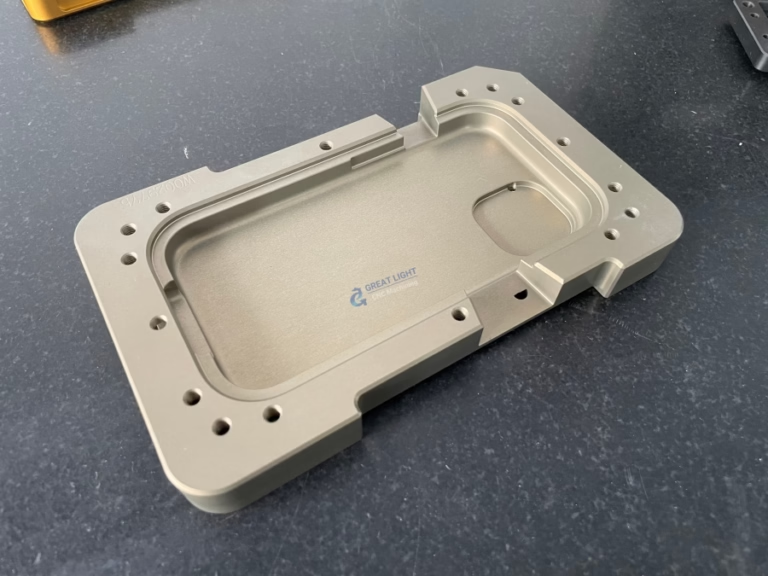
In the intricate world of modern manufacturing, selecting a CNC machining service is far more than a simple procurement decision. It is a strategic choice that directly impacts product quality, development timelines, cost control, and ultimately, market success. For engineers, designers, and procurement professionals navigating this landscape, the term “Potential CNC Machining Service” represents not just a vendor, but a partner capable of unlocking that potential—transforming complex designs into flawless, functional reality. This article delves into the core attributes that define a truly capable service and how to identify a partner that goes beyond basic machining to become an integral part of your innovation chain.
H2: Decoding “Potential”: Beyond the Machine Shop
A service with genuine potential is characterized by its ability to solve problems proactively, not just execute orders reactively. It’s the difference between a supplier and a solutions provider.
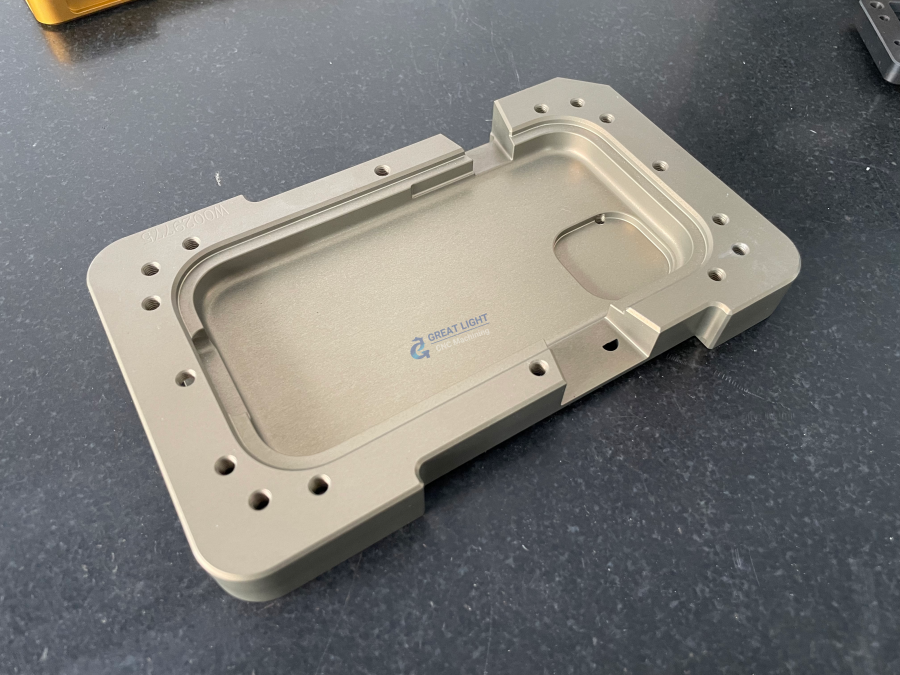
Engineering Partnership: Potential is demonstrated when a service offers Design for Manufacturability (DFM) analysis as a standard practice. A skilled engineer will review your CAD model, identifying potential issues like thin walls, hard-to-machine internal features, or inefficient tool paths before the first cut is made. This collaborative approach prevents costly revisions and delays.
Material and Process Mastery: True expertise lies in recommending the optimal material and machining strategy for your application. Should it be 7075 aluminum for high strength-to-weight, or PEEK for chemical resistance? Is 5-axis CNC machining necessary for that single-setup complex contour, or can a combination of 3-axis and precision turning achieve the same result more cost-effectively? A partner with deep knowledge guides these decisions.
Transparency and Communication: Potential is eroded by uncertainty. A reliable service provides clear, upfront quotations, detailed process plans, and regular progress updates. They are transparent about capabilities, limitations, and lead times, building trust through open dialogue.
H3: The Technical Pillars of a High-Potential Service
The foundation of any capable CNC machining service is its technical infrastructure. Here are the non-negotiable elements:
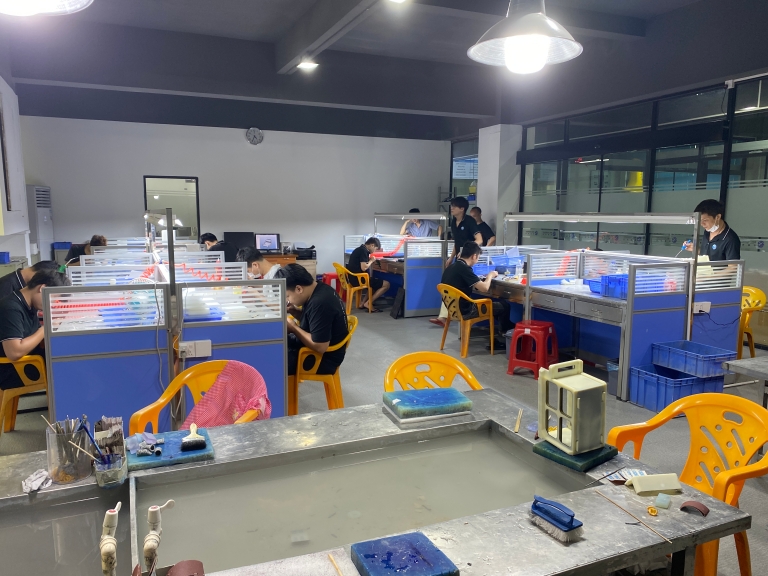
Advanced & Diverse Equipment Portfolio:
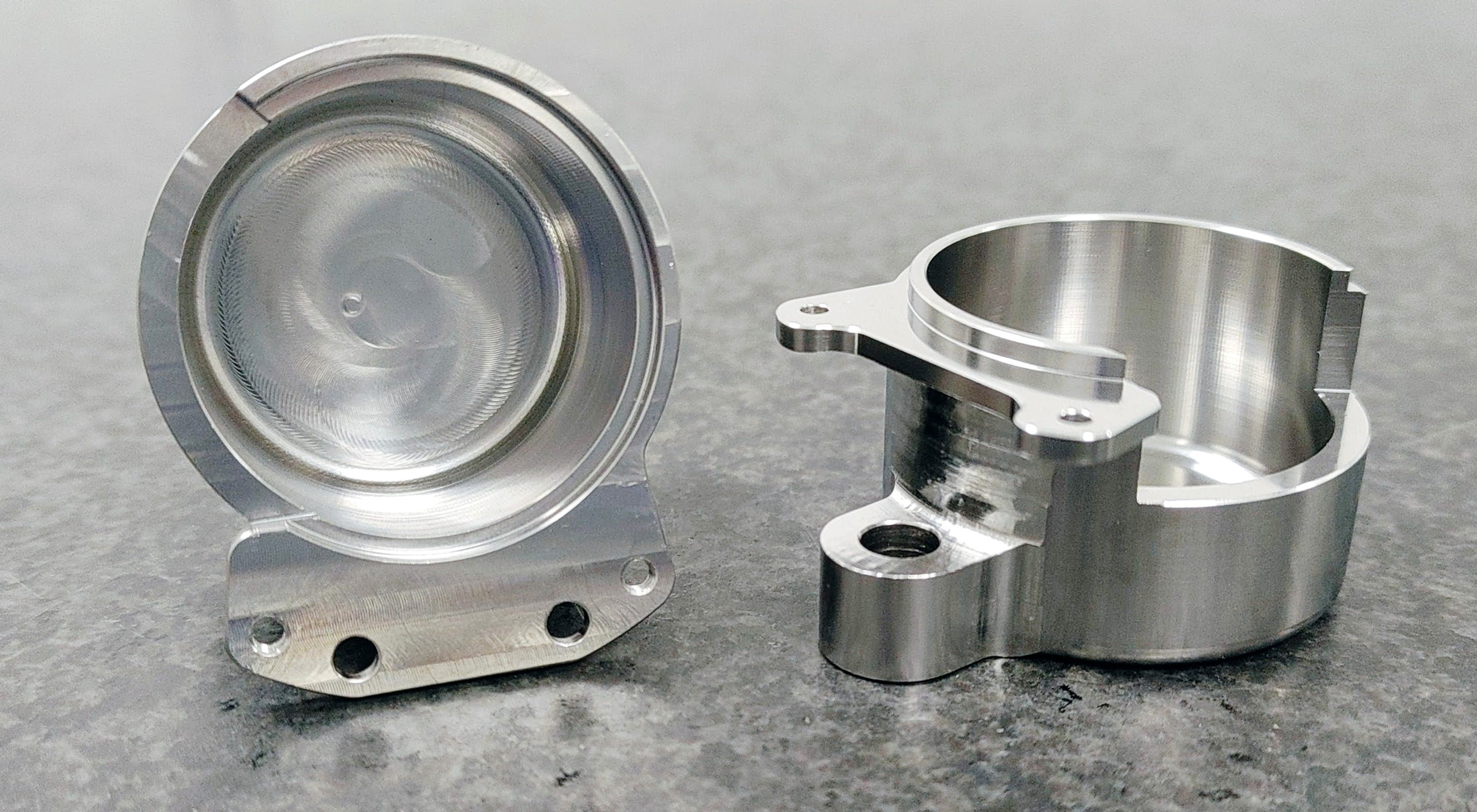
5-Axis CNC Machining Centers: The hallmark of advanced capability. They allow for machining complex geometries in a single setup, ensuring unparalleled accuracy and surface finish on contoured parts like impellers, turbine blades, and medical implants. This eliminates cumulative errors from multiple re-fixturing.
Multi-Axis Mill-Turn Centers: Ideal for complex rotational parts, combining milling and turning operations to complete parts in one cycle, drastically reducing lead time and handling.
High-Precision Support Equipment: A full-service partner will complement CNC mills and lathes with Wire EDM for intricate cuts in hardened steel, Sink EDM for complex mold cavities, and Coordinate Measuring Machines (CMM) and optical scanners for rigorous first-article and in-process inspection.
Stringent Quality Management Systems (QMS):
Technical hardware is useless without the software of rigorous process control. Certifications are the objective proof of this system.
ISO 9001:2015: The baseline for a systematic approach to quality management, ensuring consistency and continuous improvement.
IATF 16949: For automotive sector suppliers, this is essential. It builds upon ISO 9001 with specific requirements for defect prevention, reduction of variation and waste, and stringent control over the supply chain.
ISO 13485: The critical standard for medical device manufacturing, emphasizing risk management, traceability, and validation of processes to ensure patient safety.
AS9100D: The aerospace equivalent, focusing on product safety, reliability, and configuration management in a highly regulated environment.
H3: The Hidden Value: Full-Process Integration and Post-Processing
A service’s potential is fully realized when it offers a seamless, start-to-finish solution. This eliminates the logistical headaches and quality risks of coordinating multiple vendors.
One-Stop Manufacturing: From the initial block of material to a ready-to-assemble component, the best partners manage the entire chain. This includes not just machining but also heat treatment (annealing, quenching, tempering), surface finishing (anodizing, plating, powder coating, passivation), and even assembly or kitting.
Prototyping to Production Bridge: The ideal partner can efficiently handle both low-volume, rapid-turnaround prototypes and scale seamlessly into stable, cost-optimized production runs. This continuity ensures design intent is preserved from the first sample to the ten-thousandth part.
Metrology and Quality Assurance: In-house advanced metrology is a key differentiator. The ability to perform 3D scanning for reverse engineering, CMM inspection with full GD&T reporting, and surface roughness analysis provides irrefutable data that parts meet print specifications.
H2: Identifying and Partnering with a Service of Substance
Given the critical nature of this choice, how does one vet a Potential CNC Machining Service? Look for these tangible indicators:
Request a DFM Analysis: Submit a moderately complex part drawing and ask for feedback. Their response will reveal their engineering depth and collaborative mindset.
Audit the Quality Certifications: Don’t just check for a certificate; understand how their QMS is implemented. Ask about their First Article Inspection (FAI) process, non-conformance handling, and calibration schedules for measuring equipment.
Evaluate Communication and Project Management: Note their responsiveness, the clarity of their questions, and whether they assign a dedicated project engineer. A structured project management approach is a sign of professionalism.
Review Case Studies and Industry Specialization: Look for proven experience in your specific sector, whether it’s aerospace, medical, automotive, or robotics. Case studies demonstrating solutions to complex challenges are worth more than generic equipment lists.
Conclusion: Realizing Potential Through Strategic Partnership
In conclusion, unlocking the full Potential CNC Machining Service means moving beyond transactional relationships to forge strategic technical partnerships. It requires a supplier that combines advanced technological capabilities with rigorous systems, full-process integration, and a proactive, engineering-centric service ethos. In this demanding landscape, manufacturers like GreatLight CNC Machining Factory exemplify this model. By integrating a comprehensive equipment ecosystem—from 5-axis machining and precision turning to additive manufacturing—within a framework of internationally recognized quality standards (ISO 9001, IATF 16949, ISO 13485), they provide the reliability and technical depth that allows clients to focus on design and innovation, confident that their manufacturing needs are in expert hands. The right partner doesn’t just make parts; they help build better products, faster and more reliably, truly realizing the latent potential in every design. To explore how industry leaders are leveraging such partnerships, insights can be found on professional networks like LinkedIn{:target=”_blank”}.



















