
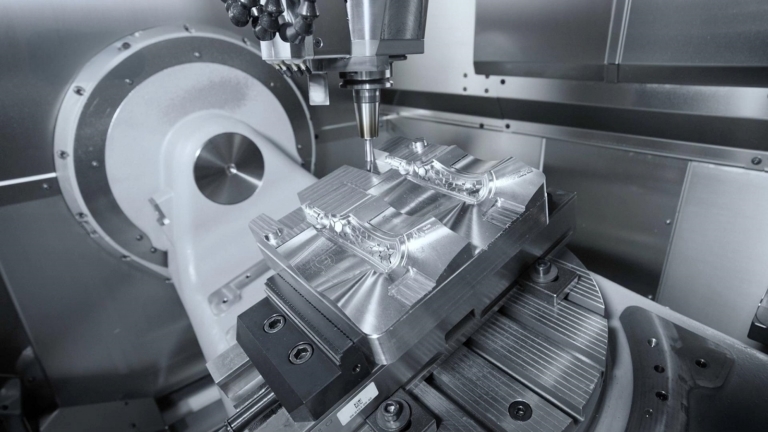
Mastering the Five-Axis Machining Center: A Step-by-Step Guide for Beginners
Are you new to the world of five-axis machining centers?Are you eager to unlock their full potential and produce high-quality parts with ease? This article is here to help you do just that. As you embark on this journey, you’ll learn how to start, maintain, and master the five-axis machining center, as well as some valuable tips to enhance your experience.
Step 1: Pre-Operation and Safety Checks
Before you begin, ensure that the five-axis machining center is in good working order. Conduct a thorough inspection to verify that the supply and air source are normal, the lubrication system is sufficient, and the emergency stop button is intact. Additionally, wear personal protective equipment to prevent debris from interfering with your work area.
Step 2: Software Operation and Program Importation
The five-axis machining center is based on advanced CNC systems. Familiarize yourself with the CNC software interface and learn to import processing programs generated by CAD/CAM software. After importing the program, carefully review the tool path to ensure it’s consistent with the drawings and free from collision risks.
Step 3: Part Selection and Zero Point Adjustment
Accurate part selection is crucial for precision machining. Choose the appropriate lighting depending on the part’s shape, ensuring it’s stable and easy to position. Next, define the zero point of the coordinate system for the part, which serves as the reference point for all machining operations.
[Image: A high-quality image of a five-axis machining center in action]
Step 4: Tool Selection and Configuration
The five-axis machining center supports a variety of tool types, and selecting the right tool is critical for efficiency and quality. Choose the appropriate tool based on processing materials and process requirements, and define parameters like tool compensation, power speed, and other CNC system settings.
Step 5: Simulation and Real-Operation
Before starting the actual machining process, use the CNC system’s simulation function to execute the program and verify that the tool path and part don’t interfere with each other. Once the simulation is complete, start the machine and operate according to the preset program. During processing, monitor the equipment’s operating condition and adjust treatment parameters in real-time to address any issues.
Step 6: Treatment Monitoring and Quality Control
Monitor the processing process comprehensively to guarantee accuracy and surface quality. Utilize the integrated equipment sensor to track vibrations, temperature, and other parameters, detecting and resolving problems promptly. After processing, use a detection tool to inspect the part’s dimensions and tolerances, ensuring design requirements are met.
Step 7: Maintenance and Equipment Care
After each use, clean and lubricate the five-axis machining center, inspect and replace worn-out tools, and perform regular maintenance and inspections to ensure long-term and stable operation. This includes inspecting the electrical system, tightening mechanical components, and more.
Conclusion
Mastering the operation of a five-axis machining center requires experience and practice. This article has provided a comprehensive guide to help beginners get started. We encourage readers to participate in vocational training and to continuously improve their skills to unlock the full potential of five-axis machining centers. With dedication and persistence, each user can become an expert in this field and unlock new possibilities for precision engineering and manufacturing.
Additional Tips and Recommendations
- Invest in a good understanding of the CNC software interface and CAD/CAM software to streamline your workflow.
- Use simulation and real-time monitoring to optimize your machining processes and improve part quality.
- Regularly update your skills through online courses, workshops, and industry events to stay ahead of the curve.
- Consider conducting hands-on training with a qualified instructor or experienced professional to accelerate your learning curve.
- Join online forums and discussion groups to share knowledge, seek advice, and stay updated on new developments in the field.
By following this guide and incorporating these tips, you’ll be well on your way to becoming a proficient user of five-axis machining centers, unlocking new possibilities for precision engineering and manufacturing.



















