
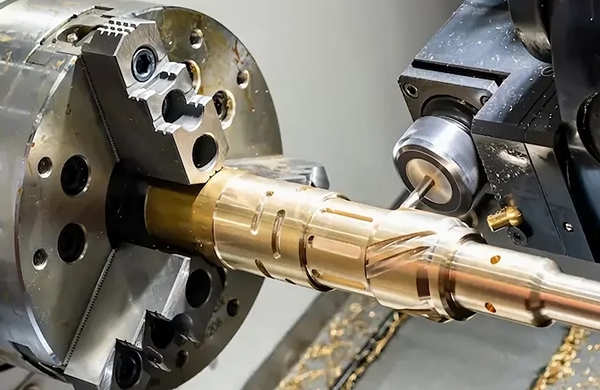
In the fiercely competitive landscape of modern manufacturing, finding a reliable partner for precision parts machining is a critical decision that directly impacts product quality, time-to-market, and overall project success. Unfortunately, the market is also rife with suppliers offering inferior CNC machining service, which can lead to catastrophic outcomes ranging from minor delays to complete project failure. This article, written from the perspective of a senior manufacturing engineer, aims to dissect the common pitfalls of subpar machining services and provide a clear framework for identifying and partnering with a truly capable manufacturer, such as GreatLight CNC Machining Factory.
H2: The High Cost of “Low Cost”: Unmasking the True Impact of Inferior Service
Choosing a supplier based solely on the lowest quote is often the first step into a quagmire of hidden costs and frustrations. An inferior CNC machining service manifests in multiple, interconnected ways that erode value.
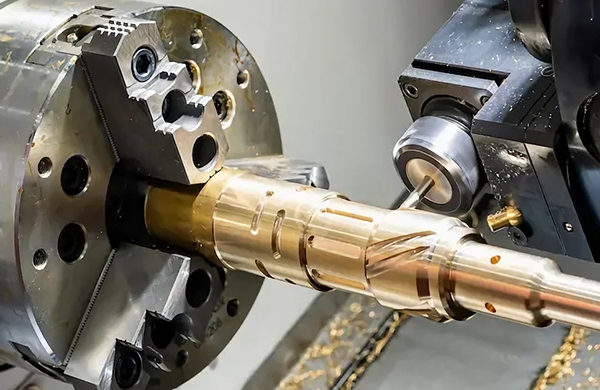
Compromised Precision and Inconsistent Quality: The core promise of CNC machining is repeatable accuracy. Inferior services fail here fundamentally. You might receive a perfect first-article inspection sample, only to find critical dimensions drifting beyond tolerance in production batches due to worn tooling, uncalibrated machines, or lax process control. This “precision black hole” forces 100% inspection on your end, increases scrap rates, and jeopardizes assembly.
Communication Breakdowns and Project Delays: A hallmark of poor service is reactive, unclear communication. Quotations lack detail, engineering queries go unanswered for days, and there is no proactive notification of delays. This turns project management into a guessing game, disrupting your supply chain and potentially missing crucial market windows.
Material and Process Shortcuts: To cut costs, some suppliers may use sub-grade materials that don’t meet specified mechanical properties, apply incorrect or insufficient surface treatments, or skip essential post-processing steps like stress relieving. These shortcuts compromise the part’s functionality, durability, and corrosion resistance.
Lack of Engineering Partnership: An inferior supplier acts as an order taker, not a solutions partner. They will machine a design exactly as given, even if they spot a potential manufacturability issue (DFM) that could save cost, improve strength, or simplify assembly. This lack of collaborative engineering support leaves value on the table and risks design flaws being baked into production.
H2: The Hallmarks of Excellence: What Truly Defines a Superior CNC Machining Partner
In contrast to an inferior CNC machining service, a top-tier manufacturer like GreatLight CNC Machining Factory builds its reputation on a foundation of transparency, capability, and partnership. Here are the non-negotiable attributes to look for.
H3: 1. Technological Depth and Process Mastery
True capability is measured not just by the number of machines, but by the strategic application of advanced technology. A leader in the field operates a balanced fleet, such as:
5-Axis CNC Machining Centers: For complex, monolithic parts requiring contours and undercuts in a single setup, minimizing error accumulation.
Multi-Axis Mill-Turn Centers: Ideal for parts combining turned and milled features, ensuring exceptional concentricity.
High-Precision Grinding & EDM: For achieving ultra-fine finishes, tight tolerances (±0.001mm and beyond), and machining hardened materials.
GreatLight CNC Machining Factory exemplifies this with its integrated equipment cluster, enabling it to select the optimal, most cost-effective process for each component rather than forcing a design into a limited machining capability.
H3: 2. Systemic Quality Assurance, Not Just Promises
Anyone can claim high precision on a website. The proof is in the system. A superior partner’s quality is underpinned by internationally recognized certifications that mandate continuous improvement and traceability:
ISO 9001:2015: The baseline for a documented Quality Management System, ensuring consistent processes.
IATF 16949: Essential for automotive sector suppliers, focusing on preventive defect reduction and supply chain management.
ISO 13485: For medical device manufacturing, emphasizing risk management and product safety.
ISO 27001: For information security, crucial when protecting sensitive IP and design data.
These are not mere plaques on the wall at GreatLight CNC Machining Factory; they are operational blueprints. They ensure that every part, from prototype to production run, is manufactured under controlled, auditable processes, with in-house CMM and advanced metrology equipment providing irrefutable data on quality.
H3: 3. Proactive Collaboration and Full-Process Ownership
The best manufacturers elevate themselves from vendors to extensions of your engineering team. This involves:
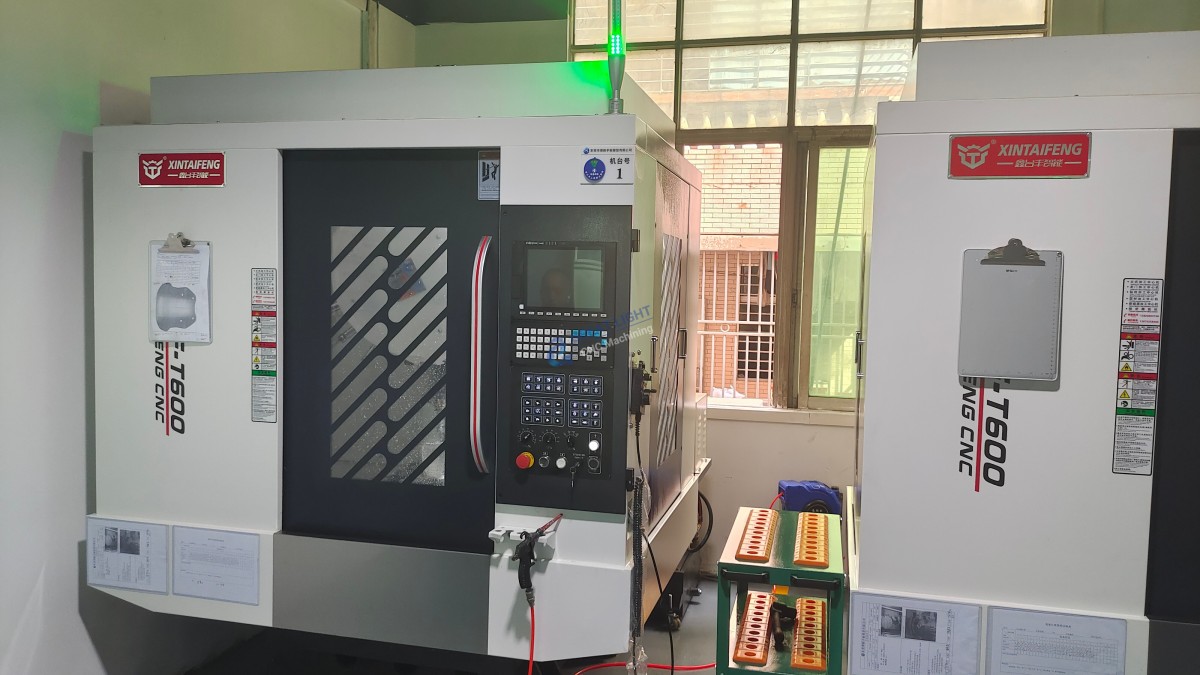
Early-Stage DFM Feedback: Providing actionable suggestions on draft designs to enhance manufacturability, reduce cost, and improve performance.
Transparent Project Management: Offering clear timelines, regular progress updates, and immediate communication regarding any potential issues.
One-Stop Solution Provision: Managing the entire journey from raw material procurement to final finishing (anodizing, plating, painting, etc.) and assembly, simplifying your logistics and accountability.
H2: A Case in Point: How Excellence Manifests in Real Projects
Consider a common challenge: manufacturing a complex, thin-walled aluminum housing for a next-generation humanoid robot’s actuator. It requires lightweight design, high structural rigidity, and precise bearing seat tolerances.
The Inferior Service Path: A low-cost supplier might attempt this on an older 3-axis machine, requiring multiple fixtures and operations. This increases set-up time, introduces cumulative errors, and risks distortion due to repeated clamping forces on the thin walls. Communication is sparse, and the final parts may have inconsistent wall thickness and out-of-tolerance bearing seats, causing assembly failures and field reliability issues.
The GreatLight CNC Machining Factory Approach: Their engineers would first analyze the design, potentially suggesting subtle rib reinforcements to improve stiffness without adding weight. The part would be machined from a solid billet on a high-speed 5-axis CNC center in a single, continuous operation. This minimizes stress, guarantees geometric integrity, and holds critical tolerances. The process is backed by in-process quality checks and finished with a specified hard-anodized coating, all managed under one roof. The result is a reliable, high-performance component delivered with full documentation and traceability.
H2: Making the Informed Choice: Your Checklist for Vetting a Partner
To avoid the trap of an inferior CNC machining service, due diligence is key. Before committing, ask potential suppliers:
“Can you walk me through your DFM process for a complex part?” (Tests engineering engagement).
“How do you ensure consistency from first article to the 10,000th piece?” (Probes quality systems).
“What certifications do you hold, and how are they integrated into daily operations?” (Verifies systemic quality).
“Can you provide examples of solving a similar technical challenge for another client?” (Assesses experience and problem-solving).
“What is your communication and project update protocol?” (Sets expectations for management).
In the precision-driven world of custom part manufacturing, settling for anything less than a comprehensive, reliable, and collaborative partner is a significant business risk. The pitfalls of an inferior CNC machining service—hidden costs, delayed timelines, and quality failures—far outweigh any perceived short-term savings. For projects where precision, reliability, and partnership are paramount, aligning with an established, technologically adept, and systemically certified manufacturer like GreatLight CNC Machining Factory is not just a procurement decision; it is a strategic investment in your product’s success and your company’s reputation. To explore how a true manufacturing partnership can elevate your next project, consider connecting with industry leaders on professional platforms like LinkedIn{:target=”_blank”}.



















