
In the evolving landscape of modern manufacturing, a one-size-fits-all approach to CNC machining is increasingly becoming a relic of the past. As products become more sophisticated and industry standards more stringent, the demand for industry-specific CNC machining service has surged. This specialization is no longer a luxury but a critical necessity for success. It represents a profound shift from being merely a parts supplier to becoming a strategic engineering partner deeply embedded within a client’s innovation and production ecosystem.
True industry-specific CNC machining service goes beyond basic milling and turning. It encompasses a deep understanding of unique material requirements, regulatory landscapes, geometric complexities, quality protocols, and end-use environments specific to each vertical. For clients seeking not just parts but reliable, high-performance components, partnering with a manufacturer possessing this targeted expertise is the single most important decision in the supply chain.
Why Generic Machining Falls Short in Today’s Market
Many job shops can produce a part to a drawing. However, without industry context, they operate in a vacuum. This leads to several critical gaps:
Misunderstood Tolerances: A ±0.05mm tolerance might be acceptable for a consumer electronics enclosure but catastrophic for a dynamic aerospace component or a fluid-handling medical implant.
Inappropriate Material Selection & Processing: Machining medical-grade titanium requires a different set of protocols (tooling, coolant, handling) than machining tool steel for a mold. A generic shop may lack the specific material certifications or processing knowledge.
Regulatory Blind Spots: Industries like medical (ISO 13485) and automotive (IATF 16949) have rigorous traceability, documentation, and quality management system requirements that are not part of a standard ISO 9001 framework.
Inefficient Design for Manufacturing (DfM): Feedback is most valuable when it comes from someone who understands the part’s final function. An automotive engineer and a semiconductor equipment engineer will have vastly different DfM priorities.
Deconstructing Industry-Specific Machining: A Deep Dive into Key Verticals
Let’s explore how specialized knowledge translates into tangible value across different sectors.
H2: Aerospace & Defense: Where Absolute Precision Meets Absolute Traceability
The aerospace sector is the apex of precision and reliability demands. Here, industry-specific CNC machining service is defined by:
Exotic Material Mastery: Consistent, high-integrity machining of titanium alloys (Ti-6Al-4V), Inconel, and high-strength aluminum alloys is non-negotiable. This requires not just capable machines, but optimized cutting parameters, specialized tooling, and controlled environments to manage material stress and heat.
Complex Geometry & 5-Axis Dominance: Structural components, engine parts, and UAV elements often feature organic, thin-walled, and deeply pocketed geometries. This is the native domain of advanced 5-axis CNC machining, which allows for single-setup machining of complex parts, ensuring unmatched accuracy and reducing error stack-up.
Stringent Documentation & Compliance: Every piece of material, every tool change, and every inspection result must be meticulously documented. Compliance with standards like AS9100 is a baseline. A specialized provider like GreatLight CNC Machining Factory operates with this DNA, where their IATF 16949 and aerospace-aligned processes ensure full material traceability and process control from billet to finished part.
H2: Medical & Life Sciences: The Sterile Frontier of Biocompatibility
Medical device manufacturing is governed by a unique trifecta: extreme precision, flawless surface integrity, and rigorous regulatory oversight.
Biocompatibility as a First Principle: Machining implants or surgical instruments isn’t just about shape; it’s about creating a biologically neutral surface. Processes must prevent contamination, and post-processing (such as passivation, electropolishing, and specialized cleaning) is as critical as the machining itself.
Micro-Precision & Miniaturization: From intricate components for robotic surgery to dental implants and bone screws, medical devices demand tolerances in the micron range. This requires ultra-precise machines, often coupled with micron-level CMM (Coordinate Measuring Machine) verification.
Regulatory Partnership: A medical-specific machinist understands they are part of a client’s FDA or CE mark submission. Their quality system, validated processes, and cleanroom handling capabilities become an extension of the client’s own regulatory framework.
H2: Automotive & Motorsports: High-Volume Precision and Performance
From electric vehicle innovation to high-stakes racing, this sector requires speed, scalability, and relentless performance.
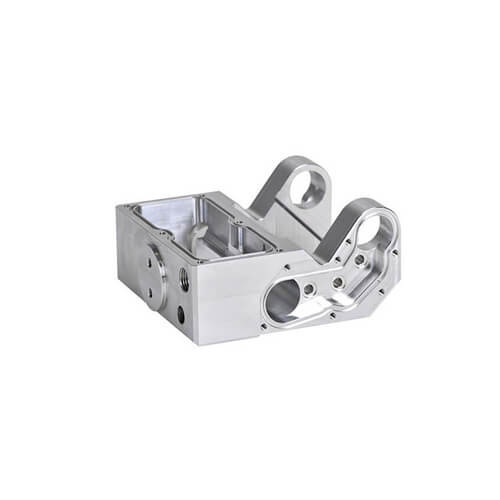
Prototyping to Production Bridge: The ability to rapidly iterate functional prototypes (using advanced 3D printing and quick-turn CNC) and then seamlessly transition to low-volume or high-volume production is key. This demands manufacturing flexibility and a deep understanding of materials like aluminum, cast iron, and high-performance alloys.
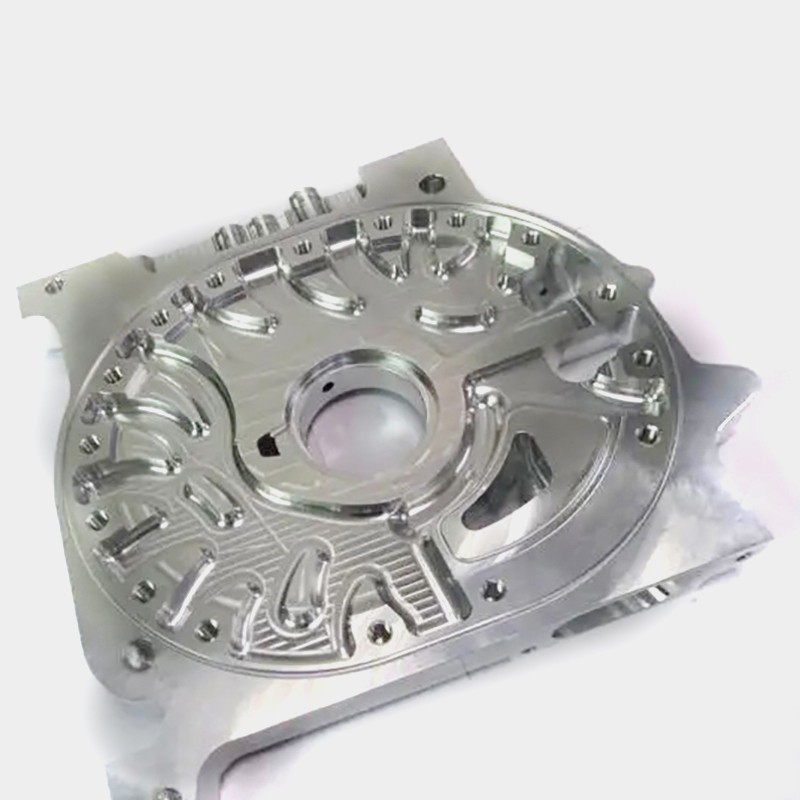
Engine & Powertrain Expertise: Manufacturing cylinder heads, transmission housings, or custom turbocharger components requires specific knowledge of sealing surfaces, thermal management, and dynamic load considerations. A provider experienced in engine hardware component production brings invaluable DfM insights.
Electrification Focus: The rise of EVs has introduced new challenges: machining complex thermal management plates for battery systems, lightweight structural enclosures for power electronics, and precision components for electric motors. This new wave of parts demands a fresh, application-driven machining approach.
H2: Energy & Industrial Machinery: Built for Endurance
Components for oil & gas, renewable energy, and heavy machinery are defined by their need to withstand extreme environments—pressure, corrosion, temperature, and wear.
Material Science for Harsh Environments: Expertise in machining duplex stainless steels, super alloys, and high-nickel content materials resistant to corrosion and high-temperature creep is essential.
Robustness & Sealing Integrity: Parts like valve bodies, pump housings, and turbine blades have critical sealing interfaces and fluid dynamics profiles that must be machined perfectly to prevent failure under pressure.
Large-Part Capability: This sector often requires machining sizable components. A specialized provider will have the large-format 5-axis CNC machining capacity and fixturing expertise to handle these challenges accurately.
The Hallmarks of a True Industry-Specific Partner
Identifying a partner that offers genuine industry-specific CNC machining service involves looking for these concrete attributes:
Verticalized Process & Quality Systems: Look for certifications relevant to your industry (e.g., ISO 13485 for medical, IATF 16949 for automotive) beyond the generic ISO 9001. These dictate specific controls for design, risk management, and traceability.
Application-Engineered Equipment: The machine tool portfolio should align with industry needs. For example, a medical specialist will have high-speed, high-accuracy machining centers, while an energy specialist will have large-travel, heavy-duty machines.
Dedicated Engineering Teams: The most valuable suppliers have engineers who speak your technical language and can collaborate on design optimization, material selection, and process validation from the earliest stages.
Specialized Post-Processing & Finishing: They offer—and understand—the necessary secondary operations: anodizing per MIL spec for aerospace, medical-grade electropolishing, or specific coatings for wear resistance in industrial applications.
Proven Track Record & Case Studies: They can demonstrate successful projects within your industry, showcasing their ability to solve similar challenges.
Conclusion: Specialization as the New Standard
The era of the generalist machine shop is giving way to the age of the specialized manufacturing solutions provider. Choosing a partner with deep, proven experience in your specific field mitigates risk, accelerates development cycles, and ensures the final component performs as intended in its real-world application. It transforms a transactional relationship into a strategic technical collaboration.
For those navigating the complex demands of aerospace, medical, automotive, energy, or other high-stakes fields, seeking out a true industry-specific CNC machining service is the most direct path to achieving reliability, innovation, and market success. It is the conscious choice to partner with expertise that understands not just how to make a part, but why every detail of that part matters. To explore how such a partnership can be structured, leading manufacturers are increasingly looking to connect with experts on professional networks like LinkedIn.



















