
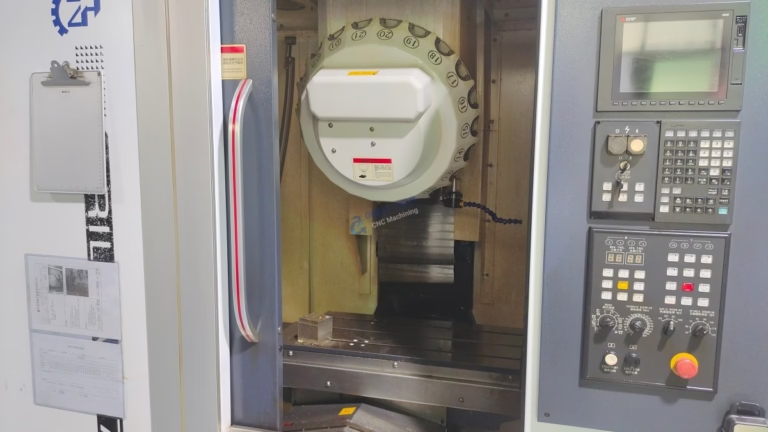
How To Retrofit A CNC Machine? Unlocking Precision, Efficiency, and Longevity Through Smart Upgrades
When it comes to maintaining a competitive edge in precision parts machining and customization, especially in industries like aerospace, automotive, medical devices, and robotics, CNC machine retrofitting has emerged as a strategic solution. Whether you’re looking to extend the life of legacy equipment, boost productivity, or achieve higher precision, retrofitting your CNC machine is not just a cost-saving measure—it’s a forward-thinking investment.
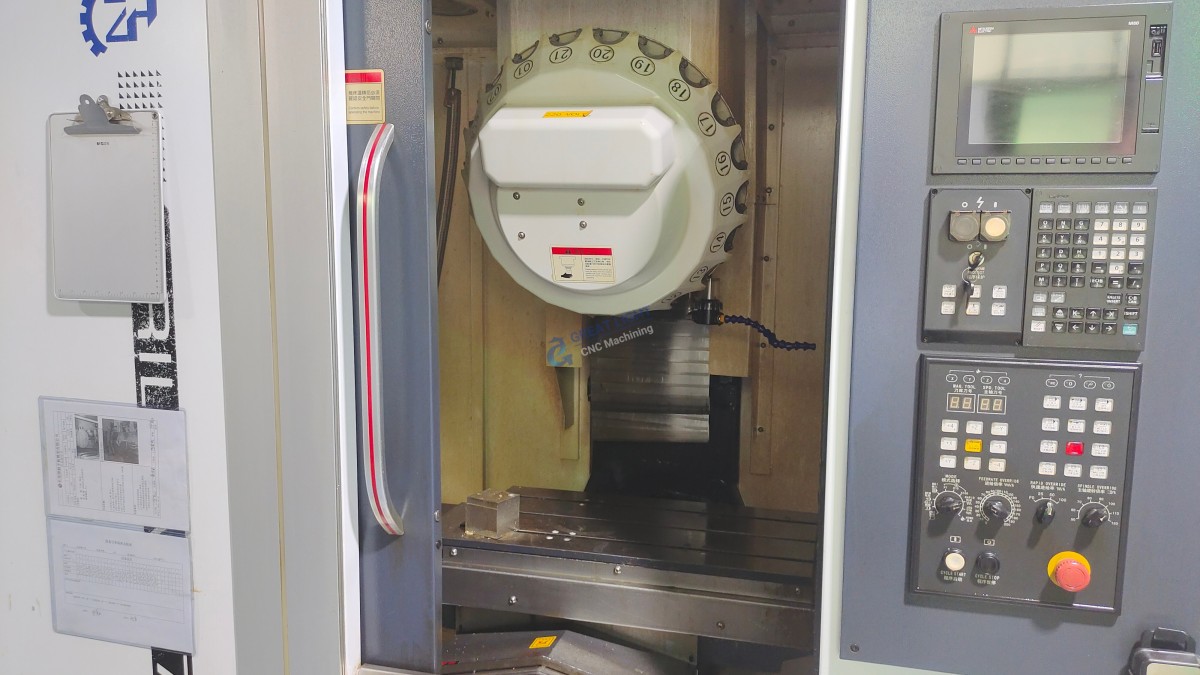
This guide explores everything you need to know about how to retrofit a CNC machine, with a special focus on how expert providers like GreatLight CNC Machining Factory approach this critical process. We’ll also compare retrofitting strategies with buying new machines, and highlight why retrofitting is often the smarter choice for high-mix, low-volume (HMLV) and precision-driven manufacturers.
🔧 What Is CNC Machine Retrofitting?
CNC machine retrofitting refers to the process of upgrading or replacing outdated components in a legacy CNC machine tool—such as the control system, motors, drives, feedback devices, or even the entire control architecture—with modern, high-performance alternatives. The goal is to enhance precision, speed, reliability, and connectivity without the need for a complete machine replacement.
Retrofitting is particularly valuable for:
Older 3-axis, 4-axis, or even 5-axis CNC machines that are still mechanically sound
Manufacturers seeking to improve part tolerances (e.g., ±0.001mm or better)
Companies aiming to integrate Industry 4.0 capabilities like IoT, remote monitoring, and data analytics
Budget-conscious operations needing high performance without the capital expenditure of a new machine
✅ Why Consider Retrofitting Over Buying New?
| Factor | Retrofitting | Buying New |
|---|---|---|
| Cost | 40–70% lower than a new machine | High capital expense |
| Lead Time | Weeks to a few months | 3–6 months or longer |
| Machine Footprint | No change needed | May require shop floor redesign |
| Customization | Tailored to your exact needs | Limited to OEM configurations |
| Sustainability | Extends equipment life, reduces waste | Contributes to manufacturing e-waste |
| Legacy Tooling Compatibility | Maintains existing tooling and fixtures | May require new tooling setups |
For precision parts machining businesses, especially those handling complex geometries or tight tolerances, retrofitting allows you to keep using trusted machinery while achieving near-new performance levels.
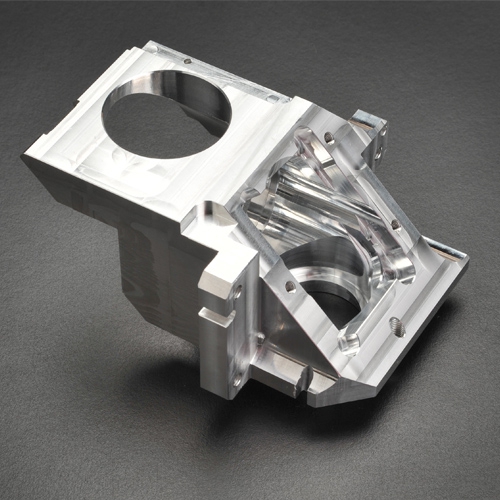
🛠️ Key Components of a CNC Machine Retrofit
When approaching the question of how to retrofit a CNC machine, it’s essential to identify which components offer the most ROI. Below are the core subsystems typically involved in a retrofit:
1. Control System Upgrade
Old systems (Fanuc 6M, Siemens 810, etc.) are often replaced with modern CNC controls such as Fanuc 0i-MF, Siemens 828D, or even open-architecture controls like Siemens Sinumerik 840D sl or Heidenhain iTNC 530.
Benefits: Higher processing power, better motion control, improved programmability.
2. Servo Motors & Drives
Replacing outdated stepper motors with closed-loop servo motors improves positioning accuracy and dynamic response.
Paired with updated digital drives, these components ensure smoother operation and reduced downtime.
3. Feedback Devices (Encoders)
Upgrading to high-resolution glass or magnetic encoders enhances positional accuracy and repeatability—critical for tight-tolerance parts.
4. Spindle Retrofit or Replacement
Outdated spindles may lack the RPM or rigidity for modern materials. Retrofitting with high-speed, high-torque spindles or hybrid ceramic bearings extends capability.
5. CNC Operator Interface
Modern HMI (Human-Machine Interface) panels improve usability, diagnostics, and programming efficiency.
6. Safety & Automation Features
Integration of emergency stop enhancements, safety PLCs, and robotic loading/unloading systems boosts both safety and throughput.
7. IoT & Smart Manufacturing Readiness
Adding sensors and connectivity enables predictive maintenance, real-time monitoring, and data-driven optimization—key tenets of Industry 4.0.
🏭 How GreatLight CNC Machining Factory Approaches Retrofitting
As a professional five-axis CNC machining manufacturer with over a decade of experience, GreatLight Metal Tech Co., LTD. (GreatLight Metal) specializes not only in advanced machining but also in smart retrofitting solutions for legacy equipment. Based in Dongguan—the heart of China’s precision hardware industry—GreatLight has retrofitted hundreds of CNC machines for global clients seeking high precision, enhanced automation, and cost efficiency.
Here’s how they do it differently:
🔍 Step-by-Step Retrofit Process
Diagnostic Assessment
Evaluate the mechanical condition, existing control system, and production requirements.
Identify pain points such as low repeatability, outdated software, or frequent breakdowns.
Custom Retrofit Blueprint
Develop a tailored upgrade plan based on the machine’s role (e.g., 5-axis aerospace parts vs. high-volume mold cavities).
Component Selection
Source certified, high-quality components (servos, drives, controls) optimized for the target application.
Installation & Calibration
Carefully replace or upgrade key modules while preserving the machine’s structural and spindle integrity.
Perform precision calibration to ensure tolerances of ±0.001mm or better are achieved.
Testing & Validation
Run sample parts under production-like conditions.
Validate accuracy, surface finish, and cycle times before final sign-off.
Training & Support
Provide operator training and ongoing technical support to maximize uptime and ROI.
💡 “Our retrofit solutions don’t just make old machines new again—they make them better than ever, with modern precision, connectivity, and intelligence,” says a senior engineer at GreatLight Metal.
🆚 Comparative Insight: Retrofitting vs. New 5-Axis Machines
Let’s say you’re producing complex titanium aerospace components or high-precision medical implants. You could invest $500,000+ in a brand-new 5-axis CNC machine—or you could retrofit your existing machine for 40–60% of that cost and achieve comparable, if not superior, results.
| Feature | Retrofitted 5-Axis CNC | Brand-New 5-Axis CNC |
|---|---|---|
| Initial Cost | $200K–$300K | $500K–$1M+ |
| Precision Capability | ±0.001mm achievable | ±0.001mm standard |
| Flexibility | Customizable to legacy workflows | Fixed configuration |
| Integration | Can be upgraded for IoT/smart features | Often includes basic IoT |
| Lead Time | 4–12 weeks | 4–6 months |
| Tooling & Setup | Existing tooling retained | May require new setup |
For custom precision machining, especially when working with exotic materials or intricate geometries, a well-executed retrofit can deliver unmatched value.
📌 Industries That Benefit Most from CNC Retrofitting
Aerospace: High-precision turbine blades, structural components
Medical: Implants, surgical instruments, diagnostic device housings
Automotive: Engine blocks, transmission parts, EV components
Electronics: Enclosures, connectors, heat sinks
Industrial Machinery: Custom gears, molds, and tooling
🧩 What to Look for in a Retrofitting Partner
Choosing the right provider is critical. Here are key criteria:
✅ Proven Experience – Look for a manufacturer with a track record in both machining and retrofitting (like GreatLight Metal).
✅ Certifications – ISO 9001, IATF 16949, and ISO 13485 ensure quality and compliance.
✅ In-House Engineering – Ensures custom solutions and faster turnaround.
✅ Full-Service Capabilities – From design to post-processing and testing.
✅ Post-Retrofit Support – Training, maintenance, and troubleshooting.
🎯 Conclusion: Retrofitting—The Smart Path to Precision Manufacturing
How to retrofit a CNC machine is more than a technical question—it’s a strategic decision that impacts your productivity, part quality, and bottom line. By upgrading legacy CNC equipment with modern controls, motors, feedback systems, and smart features, manufacturers can achieve near-new performance without the prohibitive cost of purchasing new machinery.
For businesses focused on custom precision parts, especially in industries demanding extreme accuracy and reliability, retrofitting offers a compelling blend of cost-efficiency, performance enhancement, and future-readiness.
As demonstrated by industry leaders like GreatLight CNC Machining Factory, a professionally executed retrofit can transform an aging machine into a high-precision asset capable of meeting the demands of modern manufacturing.
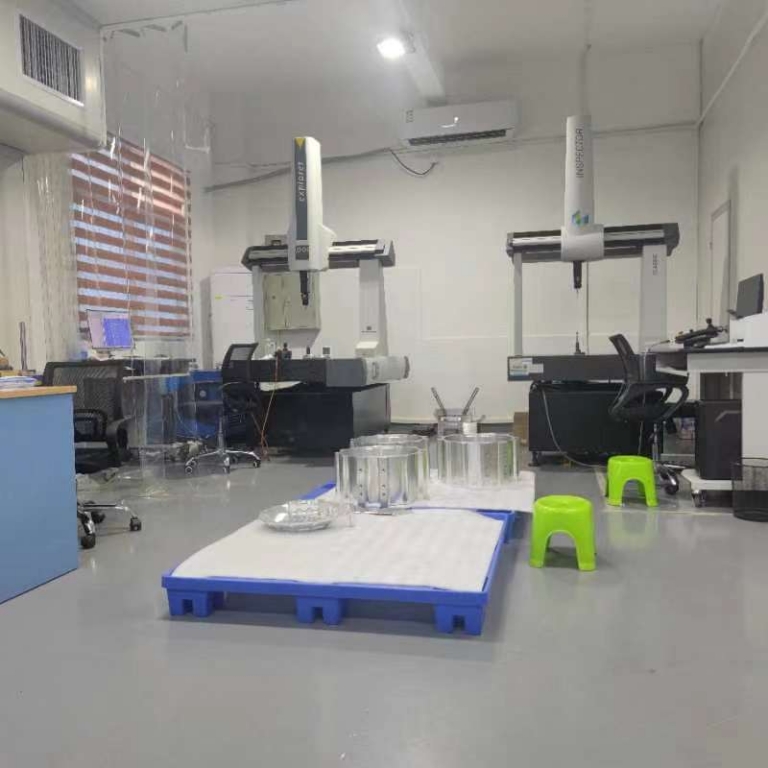
When precision matters, retrofitting isn’t just an option—it’s a smart investment in your manufacturing future.
❓ Frequently Asked Questions (FAQ)
1. How much does it cost to retrofit a CNC machine?
The cost varies depending on the machine size, complexity, and components being upgraded. On average, retrofitting can range from $50,000 to $300,000, significantly less than purchasing a new machine.
2. How long does a CNC retrofit take?
Most retrofit projects take between 4 to 16 weeks, depending on the scope, availability of parts, and calibration requirements.
3. Will retrofitting improve my machine’s precision?
Yes. By upgrading the control system, feedback devices (encoders), and servo motors, retrofitting can improve precision to ±0.001mm or better, depending on the machine and components used.
4. Can any CNC machine be retrofitted?
Most CNC machines manufactured in the last 20–30 years with sound mechanical structures can be retrofitted. However, the feasibility depends on the condition of the machine and its intended future use.
5. Is retrofitting better than buying a new machine?
It depends on your needs. If your current machine is structurally sound and you want to save costs while improving performance, retrofitting is often the better choice. For entirely new capabilities (e.g., multi-tasking or hybrid manufacturing), a new machine might be more suitable.
6. Does GreatLight CNC offer retrofitting services?
Yes. GreatLight Metal Tech Co., LTD. (GreatLight Metal) specializes in high-precision CNC machining and retrofitting services, with certifications including ISO 9001, IATF 16949, and more. Learn more about their capabilities here.



















