
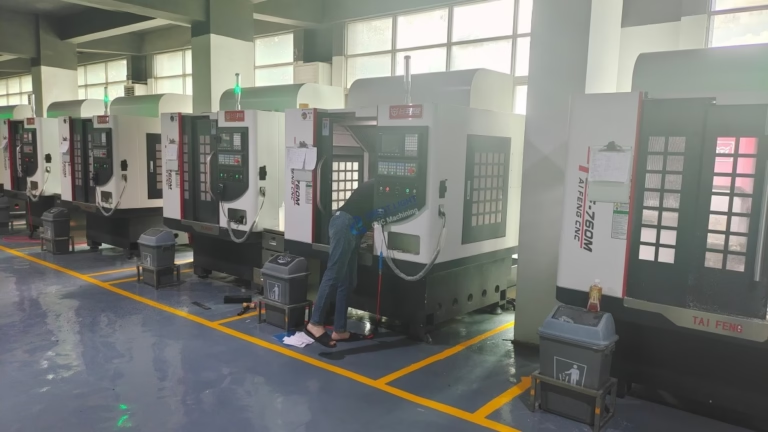
How to Reduce Cycle Time in CNC Machining?
In the realm of precision parts machining and customization, reducing cycle time is crucial for enhancing efficiency and competitiveness. As a senior manufacturing engineer, I will share some effective strategies to help you optimize your CNC machining processes.
Understanding the Importance of Cycle Time Reduction
Cycle time refers to the total time taken to complete a machining operation from start to finish. Reducing cycle time can lead to increased productivity, lower costs, and faster delivery times. Here are some key strategies to achieve this goal:
1. Optimize Tool Selection and Setup
Choosing the right tools and optimizing their setup can significantly reduce machining time. High-quality tools with appropriate coatings can improve cutting speeds and tool life, reducing the frequency of tool changes.
2. Implement Advanced Machining Techniques
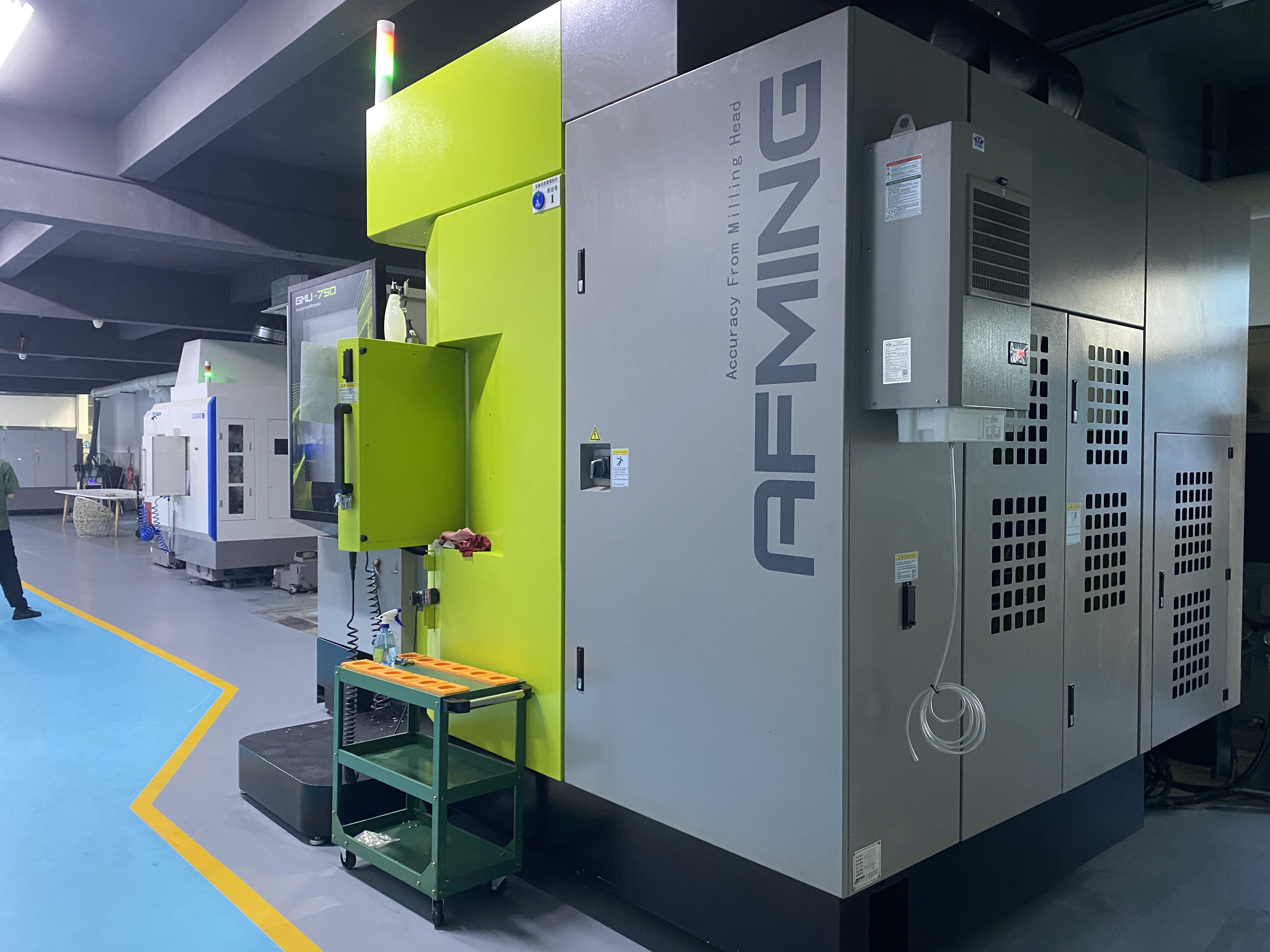
Utilizing advanced machining techniques such as five-axis machining can reduce the number of setups required, thereby minimizing downtime. Five-axis machines can machine complex geometries in a single setup, eliminating the need for multiple fixtures and adjustments.
3. Enhance Programming Efficiency
Efficient programming is essential for reducing cycle time. Utilize CAD/CAM software to create optimized toolpaths and minimize unnecessary movements. Additionally, consider using macro programs and canned cycles to automate repetitive tasks.
4. Improve Machine Maintenance
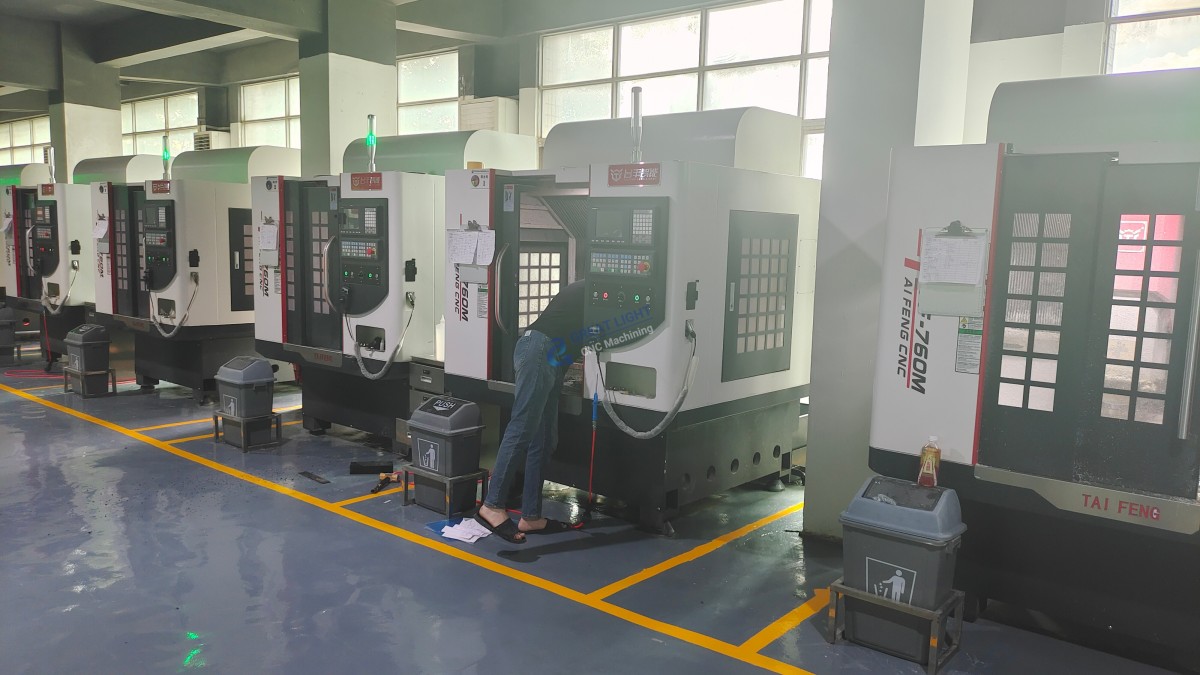
Regular maintenance ensures that your CNC machines operate at peak performance. Keep your machines clean, lubricated, and properly calibrated to prevent breakdowns and reduce downtime.
5. Invest in Automation
Automating repetitive tasks such as tool changes, part loading, and unloading can significantly reduce cycle time. Consider investing in robotic systems or pallet changers to streamline your production process.
6. Optimize Material Handling
Efficient material handling can reduce the time spent on loading and unloading parts. Implement a just-in-time (JIT) inventory system to ensure that materials are available when needed, minimizing waiting time.
7. Monitor and Analyze Performance
Regularly monitor and analyze your machining processes to identify bottlenecks and areas for improvement. Use data analytics tools to track cycle times, tool wear, and machine performance, enabling you to make data-driven decisions.
Conclusion
Reducing cycle time in CNC machining requires a holistic approach that encompasses tool selection, programming, machine maintenance, automation, material handling, and performance monitoring. By implementing these strategies, you can enhance your machining efficiency, reduce costs, and improve overall productivity.
For more information on how GreatLight CNC Machining Factory can assist you in optimizing your CNC machining processes, please refer to our precision 5-axis CNC machining services.
Frequently Asked Questions (FAQ)
Q: What is the benefit of using five-axis machining for reducing cycle time?
A: Five-axis machining allows for complex geometries to be machined in a single setup, reducing the need for multiple fixtures and adjustments, thereby minimizing downtime.
Q: How can I optimize my CNC programming to reduce cycle time?
A: Utilize CAD/CAM software to create optimized toolpaths, minimize unnecessary movements, and consider using macro programs and canned cycles to automate repetitive tasks.
Q: What role does regular maintenance play in reducing cycle time?
A: Regular maintenance ensures that your CNC machines operate at peak performance, preventing breakdowns and reducing downtime.
Q: Is automation a viable option for reducing cycle time in CNC machining?
A: Yes, automating repetitive tasks such as tool changes, part loading, and unloading can significantly reduce cycle time. Consider investing in robotic systems or pallet changers.
Q: How can I monitor and analyze my machining processes to identify areas for improvement?
A: Regularly monitor and analyze your machining processes using data analytics tools to track cycle times, tool wear, and machine performance, enabling you to make data-driven decisions.
For more insights and case studies, please visit our LinkedIn page.



















