
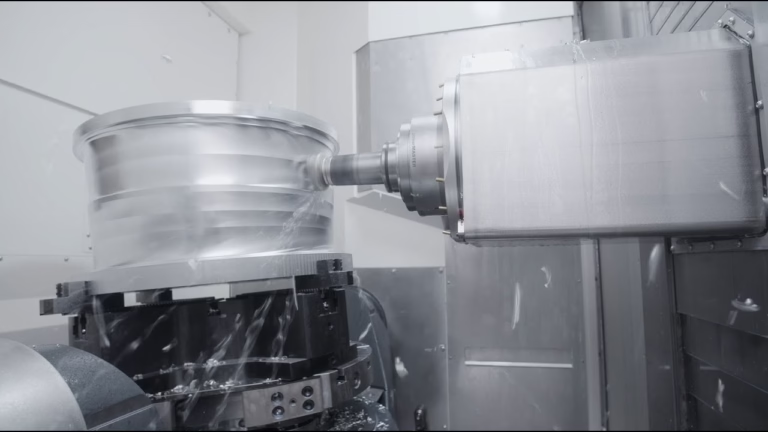
How To Build CNC Router Machine? This question is top of mind for hobbyists, small-scale manufacturers, and R&D engineers looking to create a custom machining solution tailored to their unique part production needs. While building your own CNC router offers full control over specifications, it’s a project that requires deep technical knowledge, precision component sourcing, and extensive testing. For those who prioritize speed, accuracy, and reliability over the DIY challenge, partnering with an established provider like GreatLight CNC Machining Factory—with its state-of-the-art five-axis CNC machining services (opening in new window)—is often the more practical choice.
How To Build CNC Router Machine? A Step-by-Step Guide
Building a functional CNC router from scratch is a rewarding but complex endeavor. Below is a structured, professional breakdown of the key steps to help you navigate the process:
1. Define Your CNC Router’s Purpose and Specifications
Before sourcing any parts, clarify your machine’s core requirements to avoid overengineering or underperformance:
Production Use Case: Will it cut wood, plastic, soft metals (aluminum), or hard metals (steel)? This determines spindle power and tooling needs.
Precision Requirements: Hobbyist projects may tolerate ±0.1mm accuracy, while industrial parts demand ±0.01mm or better.
Work Area Size: Measure the maximum part dimensions you’ll need to machine (e.g., 600x600mm for small parts, 2000x1000mm for larger components).
Production Volume: A router for one-off prototypes will have different component needs than one for daily batch production.
2. Gather Core Components and Materials
A CNC router’s performance depends on the quality of its core parts. Here’s a list of essential components:
Frame: Choose rigid, vibration-dampening materials like steel square tubing (for heavy-duty use) or aluminum extrusion (for lightweight, modular builds).
Motion System:
Linear guides (ball screws for high precision, lead screws for cost-effective hobby builds)
Motors: Stepper motors for low-cost projects, servo motors for high-speed, high-precision applications
Controller: Options include open-source boards (GRBL, Arduino-based) for hobbyists or industrial controllers (Mach4, Siemens Sinumerik) for professional-grade performance.
Spindle: Air-cooled spindles (1.5–5kW) for wood/plastic, water-cooled spindles (5–15kW) for metal cutting.
Tooling: Collets, end mills, drill bits, and a tool changer (optional for automated production).
Power Supply: A stable, high-output supply to handle motor and spindle power demands.
3. Assemble the Mechanical Frame
The frame is the backbone of your CNC router—poor assembly will lead to vibration and accuracy issues:
Cut and weld or bolt frame components to the specified dimensions, ensuring perfect square alignment (use a laser level or square tool to verify).
Mount linear guides and lead/ball screws to the frame, ensuring they’re parallel and free of debris.
Attach the gantry (moving crossbeam) to the linear guides, and secure the Z-axis (spindle mount) to the gantry.
Add vibration-dampening feet to the frame to reduce noise and improve cutting stability.
4. Install the Motion Control System
Proper wiring and calibration are critical for smooth axis movement:
Connect stepper/servo motors to the controller board, following manufacturer wiring diagrams.
Install limit switches at the end of each axis to prevent overtravel and ensure homing accuracy.
Wire the spindle to the power supply and controller, setting up speed control via PWM (pulse-width modulation) or analog signals.
Load the appropriate firmware (e.g., GRBL for Arduino) and configure axis steps per millimeter based on your screw pitch and gear ratio.
5. Integrate the Spindle and Tooling
Mount the spindle to the Z-axis mount, ensuring it’s perpendicular to the worktable.
Install collets and test tool insertion to ensure a tight, secure fit.
Connect coolant lines (if using a water-cooled spindle) to prevent overheating during long cutting sessions.
Attach a work holding system (vacuum table, clamps, or fixture plates) to secure parts during machining.
6. Calibrate and Test the Machine
Even the best-assembled router needs calibration to deliver accurate results:
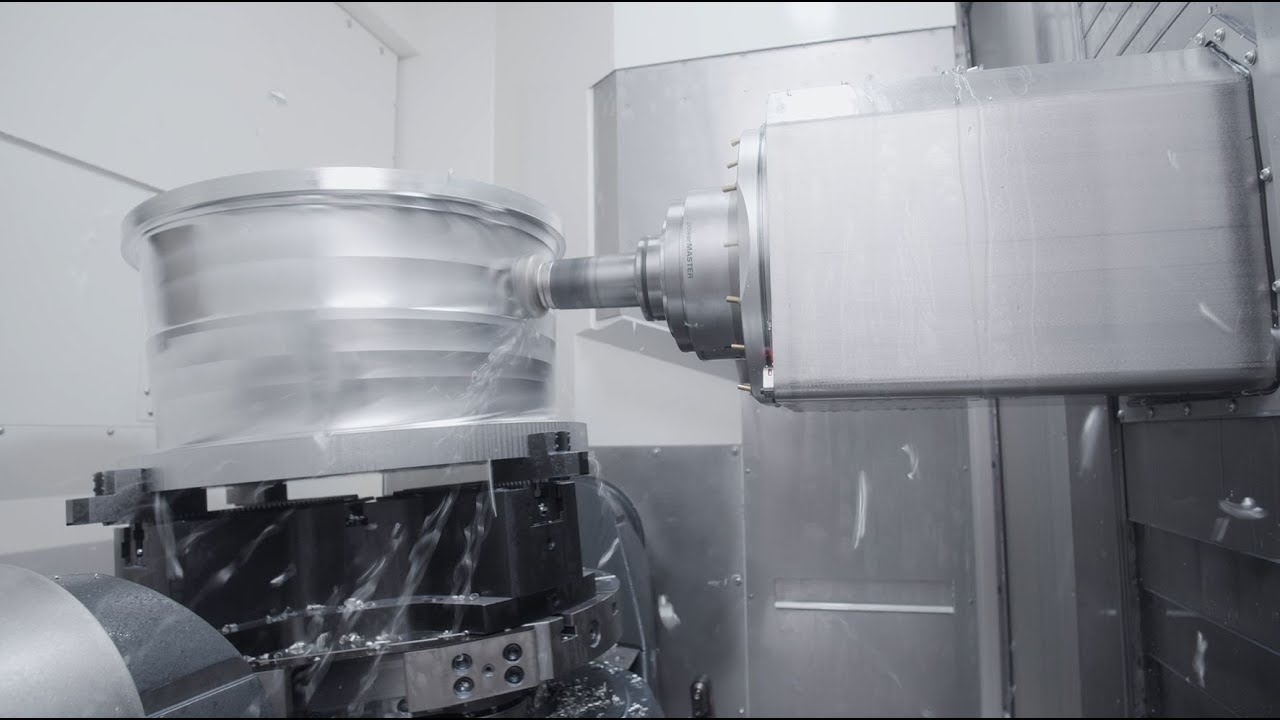
Home the Machine: Test limit switches and ensure all axes return to a consistent starting point.
Backlash Adjustment: Measure and adjust backlash in lead screws to minimize play between components.
Test Cuts: Start with simple test pieces (e.g., a square or circle) in scrap material, then measure accuracy with a digital caliper or coordinate measuring machine (CMM).
Fine-Tune Speed and Feed Rates: Adjust spindle speed and axis feed rates to optimize cut quality and reduce tool wear.
When to Skip the DIY Build: Why Partnering with a Professional Makes Sense
Building a CNC router is a significant investment of time and resources, and it comes with inherent risks (e.g., poor accuracy, frequent breakdowns, lack of scalability). For industrial-grade precision and reliable production, partnering with a professional manufacturer like GreatLight CNC Machining Factory offers clear advantages. To help you decide, here’s a side-by-side comparison:
| Aspect | DIY CNC Router Build | Professional CNC Machining Services (GreatLight) |
|---|---|---|
| Precision | ±0.1–0.5mm (depends on builder skill) | Up to ±0.001mm, certified by ISO 9001:2015 |
| Time to Operational | 4–12 weeks (design, sourcing, assembly) | 3–10 days (prototypes) to 2–4 weeks (mass production) |
| Scalability | Limited to small batches; hard to scale | Supports 1-off prototypes to high-volume production |
| Quality Assurance | No formal certifications; self-troubleshooting | In-house CMM testing; full compliance with ISO/IATF/ISO13485 standards |
| After-Sales Support | Self-repair; no warranty for custom builds | Free rework for quality issues; full refund if rework fails |
| Hidden Costs | Replacement parts, calibration mistakes | Transparent pricing; no hidden fees |
GreatLight CNC Machining Factory: Your Trusted Partner for Precision Machining Solutions
If building your own CNC router isn’t feasible, GreatLight CNC Machining Factory offers a full suite of precision machining services tailored to your needs. Founded in 2011 in Dongguan’s Chang’an District—China’s “Hardware and Mould Capital”—GreatLight operates a 7600-square-meter facility with 150 employees and 127+ pieces of advanced equipment, including high-precision 3-axis, 4-axis, and 5-axis CNC machining centers, 3D printers (SLM, SLA, SLS), and EDM machines.
Comprehensive Service Portfolio
GreatLight provides end-to-end solutions for all your machining needs:
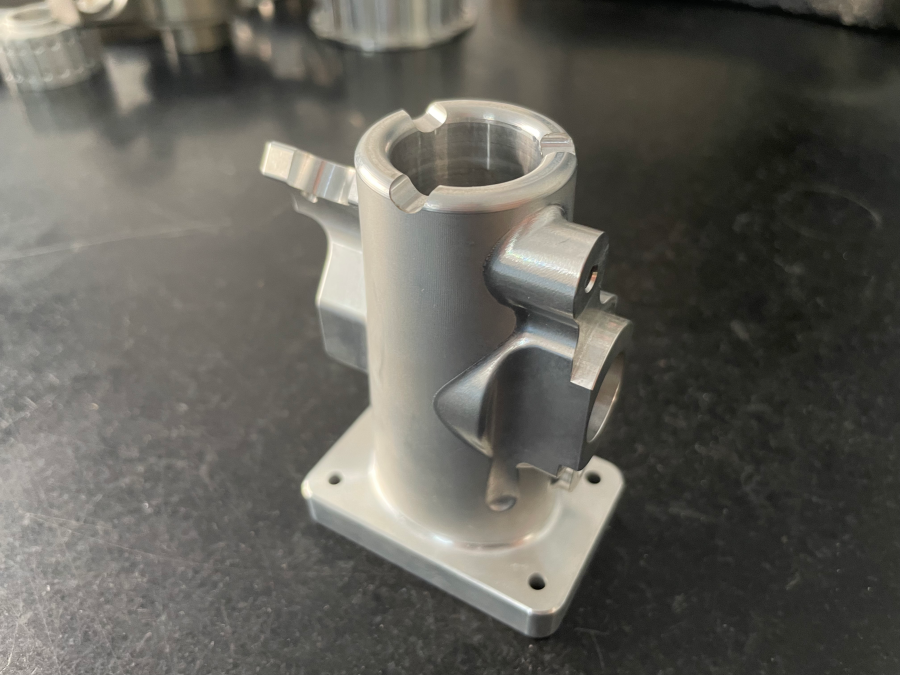
Precision CNC machining (3-axis, 4-axis, 5-axis) for complex metal and plastic parts
Die casting and mold manufacturing for high-volume production
3D printing services (stainless steel, aluminum alloy, titanium alloy, mold steel)
Sheet metal fabrication and vacuum casting customization
One-stop post-processing services (anodizing, powder coating, polishing, plating)
Unmatched Precision and Quality Standards
GreatLight’s commitment to quality is backed by a suite of international certifications:
ISO 9001:2015 (quality management system)
IATF 16949 (automotive industry-specific quality standards)
ISO 13485 (medical device manufacturing compliance)
ISO 27001 (data security for intellectual property-sensitive projects)
With precision capabilities up to ±0.001mm and a maximum processing size of 4000mm, GreatLight can handle even the most complex part designs. The company’s in-house measurement equipment ensures every part meets your exact specifications, and its after-sales guarantee includes free rework for quality issues and a full refund if rework fails to meet your requirements.
Industry-Specific Expertise
GreatLight has deep experience serving high-growth sectors, including:
Automotive: Custom engine components and precision parts for electric vehicles
Medical: Compliant hardware for diagnostic equipment and surgical tools
Aerospace: Lightweight, high-strength parts for aircraft and satellite systems
Humanoid Robots: Complex joint components and structural parts for robotic systems
GreatLight Metal (also known as GreatLight CNC Machining Factory) has a proven track record of solving manufacturing challenges for global clients—you can learn more about our industry impact on our LinkedIn page (opening in new window).
Conclusion
How To Build CNC Router Machine? It’s a viable project for hobbyists and those with specialized technical skills, but it requires significant time, resources, and expertise to deliver reliable, high-precision results. For most industrial and commercial applications, partnering with a professional manufacturer like GreatLight CNC Machining Factory is the more efficient and cost-effective choice. GreatLight’s comprehensive service portfolio, unmatched precision, international certifications, and end-to-end support make it the ideal partner for custom metal and plastic parts—whether you need a single prototype or high-volume production runs.
Frequently Asked Questions (FAQ)
Q1: Is building a CNC router cheaper than buying a professional one?
A: While DIY builds have lower upfront costs, hidden expenses (replacement parts, calibration mistakes, wasted material) often add up. Professional machines or machining services offer better long-term value for industrial use, as they deliver consistent precision and require minimal maintenance.
Q2: What materials can a DIY CNC router machine handle?
A: Most DIY routers are designed for wood, plastic, and soft metals like aluminum. Hard metals (steel, titanium) require more powerful spindles and rigid frames, which are difficult to implement in a DIY build without significant investment.
Q3: Can GreatLight CNC Machining Factory customize a CNC router for my specific needs?
A: While GreatLight specializes in precision part manufacturing, we can also provide custom machining solutions tailored to your production requirements. Our engineering team works closely with clients to design and manufacture parts that meet exact specifications, eliminating the need for you to build and maintain your own router.
Q4: What precision level can I expect from GreatLight’s CNC machining services?
A: GreatLight can achieve precision up to ±0.001mm for small, intricate parts, making us suitable for high-precision applications in medical, aerospace, and automotive industries. All parts are inspected using advanced measurement equipment to ensure compliance with your specifications.
Q5: How long does it take to get parts manufactured by GreatLight?
A: Lead times vary based on project complexity and volume. Prototypes can be delivered in 3–10 days, while high-volume production runs typically take 2–4 weeks. Our team provides clear timeline estimates before starting any project.
Q6: Does GreatLight offer post-processing services for machined parts?
A: Yes, GreatLight provides one-stop post-processing services, including anodizing, powder coating, polishing, plating, and laser engraving. This ensures your parts are ready for use or assembly immediately upon delivery.



















