

In the world of precision parts machining and customization, CNC (Computer Numerical Control) machines play a pivotal role. One common question that arises is “How Many Tools Used In CNC Machine?” Let’s delve into this topic in detail to understand the significance and variety of tools in CNC machining, with a focus on the capabilities of GreatLight CNC Machining Factory.
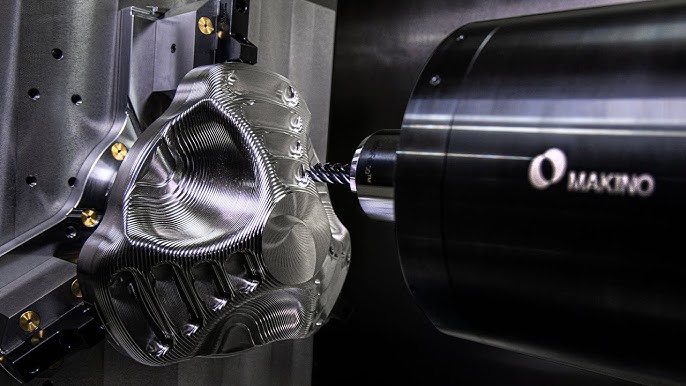
Understanding CNC Machines and Their Tool Requirements
CNC machines are automated manufacturing tools that use pre – programmed computer software to control the movement of machinery and tools. These machines are highly versatile and can perform a wide range of operations such as milling, turning, drilling, and grinding. The number of tools used in a CNC machine depends on several factors, including the complexity of the part being machined, the type of material, and the specific operations required.
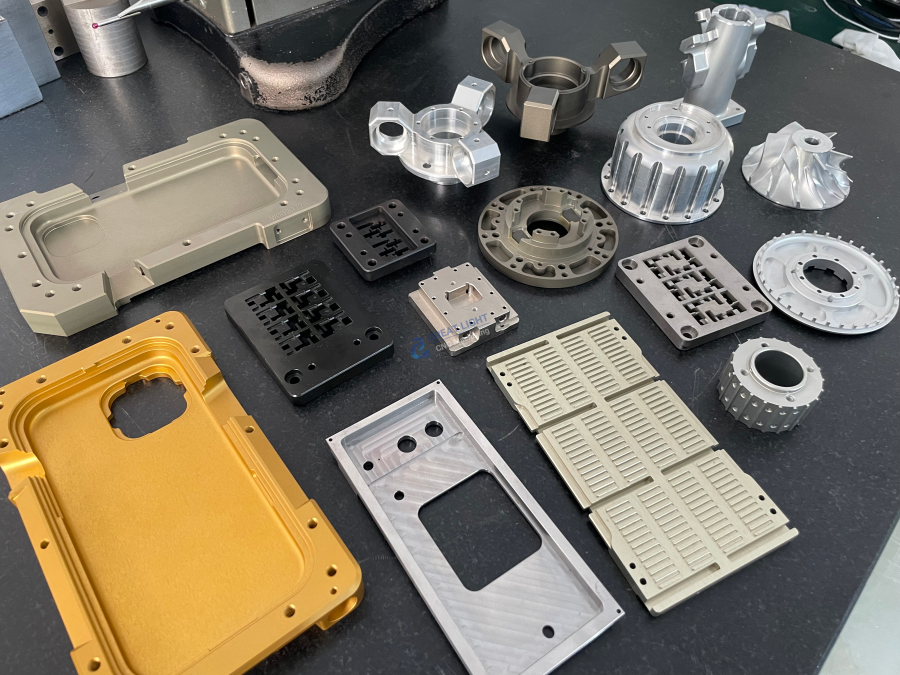
Types of Tools Commonly Used in CNC Machines
Milling Tools: Milling is a process of removing material by feeding the workpiece against a rotating cutter. End mills, ball nose mills, and face mills are some of the common milling tools used in CNC machines. End mills are used for slotting, profiling, and pocketing operations. Ball nose mills are ideal for creating 3D contours and rounded surfaces, while face mills are used for large – area surface finishing.
Turning Tools: Turning is a process where the workpiece rotates while a single – point cutting tool removes material. Inserts, boring bars, and threading tools are typical turning tools. Inserts are replaceable cutting tips that come in various shapes and materials, such as carbide and ceramic, to suit different cutting requirements. Boring bars are used to enlarge existing holes, and threading tools are used to create threads on the workpiece.
Drilling Tools: Drills are used to create holes in the workpiece. Twist drills are the most commonly used drilling tools in CNC machines. They come in different diameters and lengths and can be used for through – holes, blind holes, and countersinking operations.
Grinding Tools: Grinding is a finishing process used to achieve high – precision surface finishes and tight tolerances. Grinding wheels, which are made of abrasive particles bonded together, are the primary tools used in CNC grinding machines. These wheels can be customized based on the material being ground and the desired surface finish.
Factors Affecting the Number of Tools in a CNC Machine
Part Complexity: If a part has intricate features, multiple tools may be required to complete the machining process. For example, a part with both internal and external threads, multiple holes, and complex contours will need a combination of turning, drilling, and milling tools.
Material Type: Different materials have different machining characteristics. Hard materials like titanium and stainless steel may require specialized cutting tools with high – heat resistance and wear resistance. Softer materials like aluminum may allow for the use of more general – purpose tools.
Production Volume: In high – volume production, it may be more efficient to use dedicated tools for each operation. This reduces the time spent on tool changes and increases the overall productivity of the CNC machine.
GreatLight CNC Machining Factory’s Tooling Capabilities
GreatLight CNC Machining Factory, a professional five – axis CNC machining manufacturer, is well – equipped to handle a wide range of tooling requirements. With advanced five – axis CNC machining equipment and production technology, the factory can use a diverse set of tools to meet the most complex machining needs.
Advanced Tooling Systems: The factory is equipped with large high – precision five – axis, four – axis, and three – axis CNC machining centers. These machines are compatible with a vast array of cutting tools, allowing for precise and efficient machining of various parts.
Custom Tooling Solutions: For unique and complex parts, GreatLight CNC Machining Factory can develop custom tooling solutions. The factory’s experienced engineers can design and manufacture specialized tools to ensure the highest level of precision and quality in the machining process.
Full – process Machining: The factory offers one – stop post – processing and finishing services, which means that it can use different tools for each stage of the manufacturing process. From roughing to finishing, the right tools are selected to optimize the machining efficiency and achieve the desired part quality.
Conclusion
The number of tools used in a CNC machine is not a fixed quantity. It varies based on the part complexity, material type, and production volume. GreatLight CNC Machining Factory, with its advanced equipment, experienced engineering team, and comprehensive service offerings, is well – positioned to handle any tooling requirement in the precision parts machining and customization field. Whether you need a simple part or a highly complex component, GreatLight CNC Machining Factory can provide the right tools and machining solutions to meet your needs.
Frequently Asked Questions (FAQ)
How does GreatLight CNC Machining Factory ensure the quality of tooling?
GreatLight CNC Machining Factory strictly adheres to ISO quality standards and has obtained ISO 9001:2015 certification. The factory uses in – house precision measurement and testing equipment to verify that all tools and materials meet the specifications. Additionally, the experienced engineering team carefully selects and maintains the tools to ensure consistent quality in the machining process.
Can GreatLight CNC Machining Factory use custom – made tools?
Yes, the factory has the capability to develop and use custom – made tools. The engineering team can design and manufacture specialized tools based on the unique requirements of the part being machined. This ensures that the factory can handle even the most complex and challenging machining tasks.
What is the lead time for tooling and machining at GreatLight CNC Machining Factory?
The lead time depends on the complexity of the part and the tooling requirements. However, the factory is known for its efficient production processes and can quickly produce prototypes and parts within days using 3 – axis, 4 – axis, and 5 – axis CNC machining technology. For more accurate lead – time estimates, it is recommended to contact the factory with specific project details.



















