
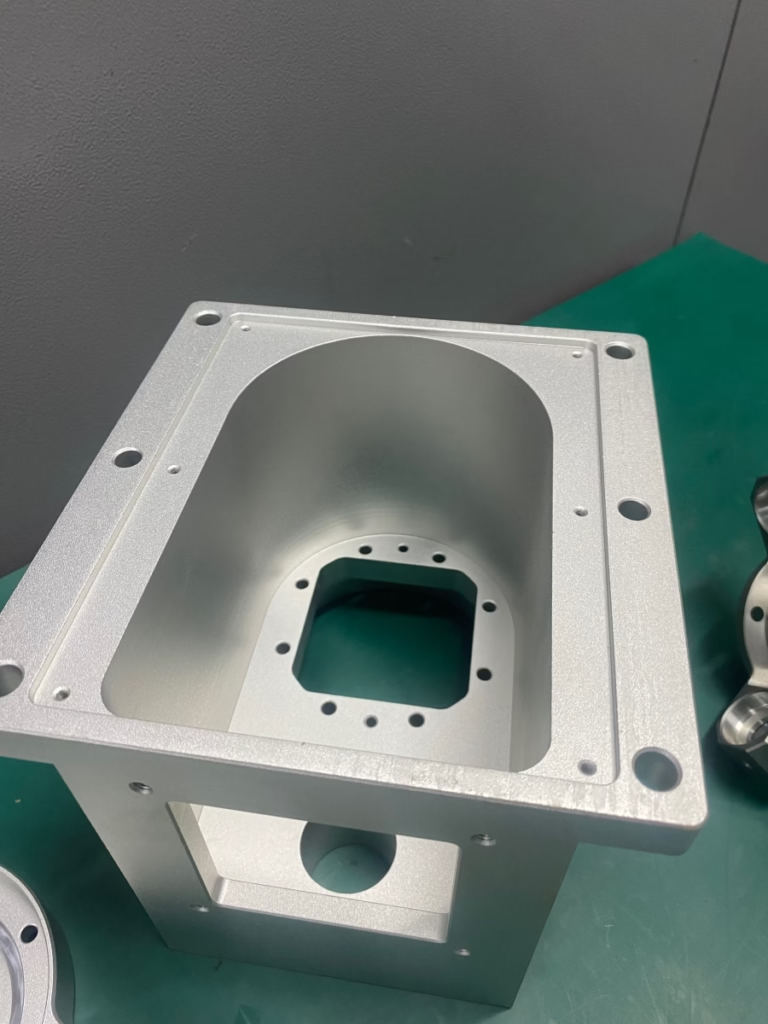
Understanding How CNC Machines Function
In the realm of modern manufacturing, CNC (Computer Numerical Control) machines play a pivotal role in producing precision parts with high efficiency and accuracy. As a senior manufacturing engineer, I’m often asked about the intricacies of how these machines operate. Let’s delve into the fundamental principles and processes that drive CNC machines.
What is a CNC Machine?
CNC machines are automated manufacturing tools controlled by pre-programmed computer software. They are designed to perform a variety of complex machining operations, including cutting, milling, turning, and grinding, with high precision and repeatability.
How Do CNC Machines Work?
1. Programming
The first step in using a CNC machine is programming. Engineers create a detailed program that specifies the movements and actions the machine must perform. This program is typically written in G-code or M-code, which are standard programming languages for CNC machines.
2. Machine Setup
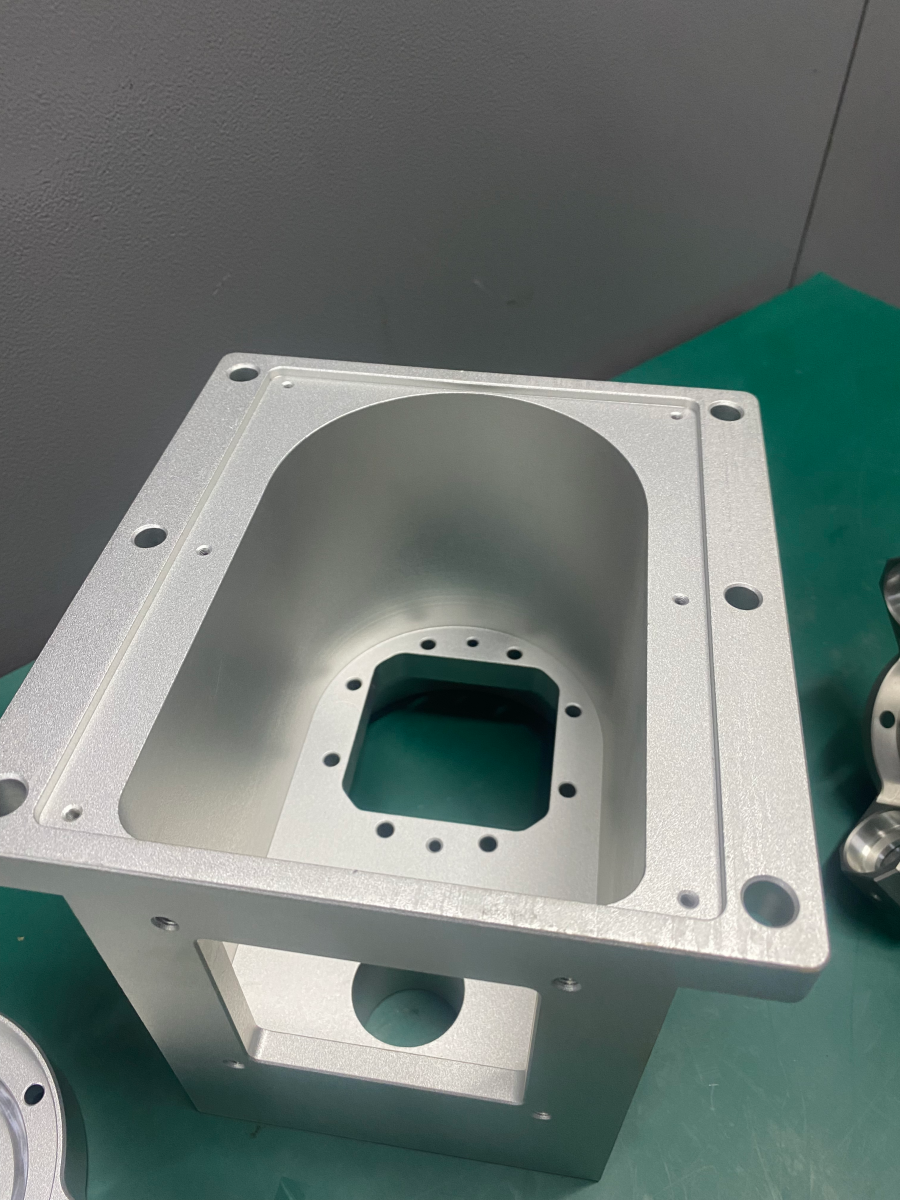
Once the program is created, the CNC machine must be set up. This involves installing the appropriate cutting tools, securing the workpiece, and calibrating the machine to ensure accuracy.
3. Execution
With the setup complete, the CNC machine begins executing the programmed instructions. The machine’s controller interprets the G-code or M-code and translates it into electrical signals that control the movement of the machine’s axes (X, Y, Z, and sometimes additional rotational axes).
4. Feedback and Monitoring
Modern CNC machines are equipped with sensors and feedback systems that monitor the machine’s performance in real-time. These systems ensure that the machine operates within the specified tolerances and make adjustments as necessary to maintain precision.
5. Post-Processing
After the machining process is complete, the finished parts undergo post-processing, which may include cleaning, inspection, and quality control measures to ensure they meet the required specifications.
Key Components of a CNC Machine
Controller: The brain of the CNC machine, responsible for interpreting the program and controlling the machine’s movements.
Spindle: The rotating shaft that holds the cutting tool and performs the cutting action.
Axes: The movable parts of the machine that control the position and movement of the cutting tool (typically X, Y, Z axes).
Tool changers: Automated systems that change cutting tools as needed during the machining process.
Coolant System: Provides lubrication and cooling to the cutting area to improve tool life and surface finish.
Advantages of CNC Machines
Precision: CNC machines can achieve extremely high levels of precision, often to within ±0.001mm.
Repeatability: Once programmed, CNC machines can repeatedly produce identical parts with consistent quality.
Efficiency: Automated operation reduces the need for manual intervention, increasing production speed and efficiency.
Flexibility: CNC machines can be easily reprogrammed for different parts, making them highly adaptable to changing production needs.
Conclusion
CNC machines are indispensable tools in modern manufacturing, offering unparalleled precision, efficiency, and flexibility. By understanding how these machines function, manufacturers can better leverage their capabilities to produce high-quality precision parts.
Frequently Asked Questions (FAQ)
Q: What is the difference between a 3-axis and a 5-axis CNC machine?
A: A 3-axis CNC machine moves in three linear directions (X, Y, Z), while a 5-axis machine adds two rotational axes, allowing for more complex and intricate machining operations.
Q: How long does it take to program a CNC machine?
A: The time required to program a CNC machine varies depending on the complexity of the part and the programmer’s experience. Simple parts may take a few hours, while complex parts can take several days.
Q: Are CNC machines expensive to operate?
A: While the initial investment in CNC machines can be high, they are generally cost-effective in the long run due to their efficiency, precision, and ability to reduce waste.
Q: Can CNC machines be used for both metal and plastic parts?
A: Yes, CNC machines are versatile and can be used to machine a wide range of materials, including metals, plastics, composites, and more.
Q: What is the typical lifespan of a CNC machine?
A: The lifespan of a CNC machine can vary, but with proper maintenance, they can last for several decades, making them a long-term investment for manufacturers.
By choosing a partner like GreatLight CNC Machining Factory, you can leverage the power of advanced CNC machining technology to produce high-quality precision parts efficiently and cost-effectively. For more information, please refer to our precision 5-axis CNC machining services.
Great Light Metal Tech Co., LTD. stands out in the industry with its comprehensive capabilities and commitment to quality. To learn more about our services and how we can support your manufacturing needs, visit our LinkedIn page.



















