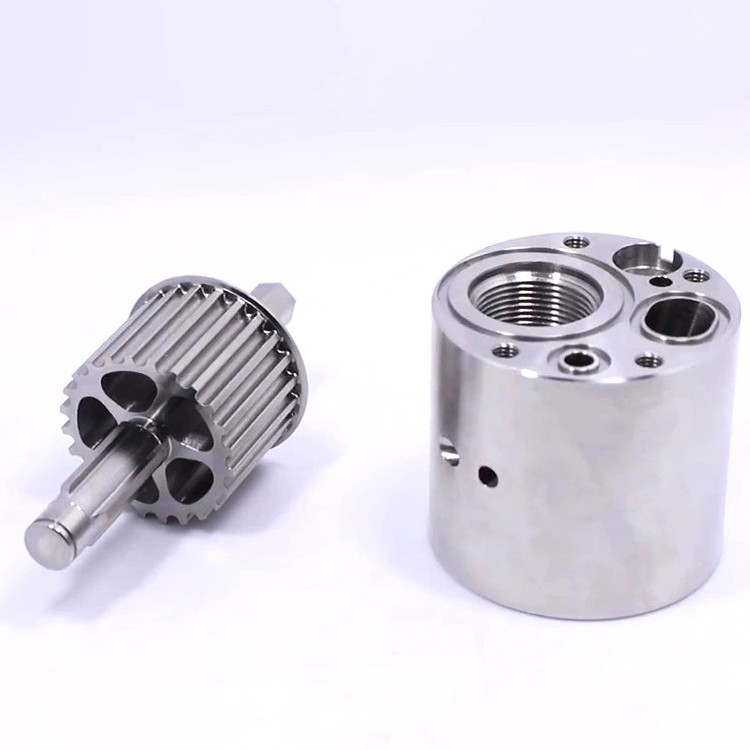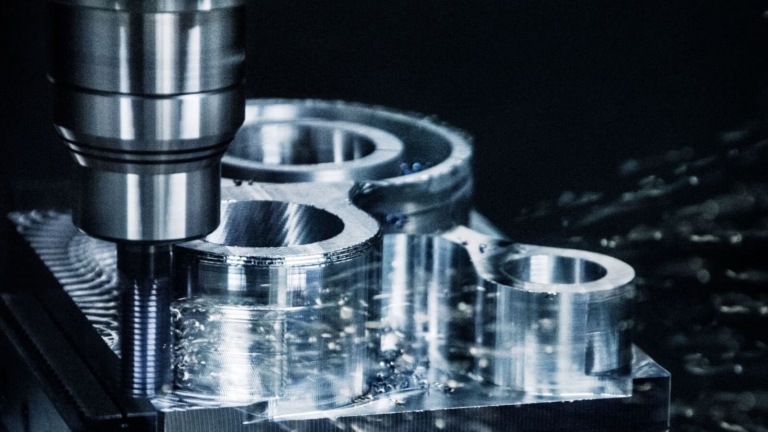
In the dynamic world of modern manufacturing, the ability to adapt is not just an advantage—it’s a necessity. For engineers, designers, and procurement specialists sourcing precision components, the demand for a Flexibility CNC Machining Service has never been more critical. This concept transcends the basic ability to machine a part; it embodies a supplier’s capacity to pivot with project demands, manage fluctuating volumes, accommodate design iterations, and deliver uncompromising quality under variable conditions. It is the bridge between rigid, traditional manufacturing and the agile, responsive production required by today’s innovative industries.
H2: Decoding True Flexibility in CNC Machining: Beyond the Buzzword
When we discuss Flexibility CNC Machining Service, we must move beyond superficial claims. True flexibility is a multi-dimensional capability embedded within a manufacturer’s DNA, operational systems, and technical arsenal. It manifests in several key areas:
Volume Agility: Seamlessly transitioning from a single, complex prototype to a low-volume batch of 50, then scaling to a production run of 500, without sacrificing lead time or part integrity. This requires intelligent production planning and machine allocation strategies.
Design & Material Responsiveness: The capacity to handle last-minute design changes (DFM feedback is crucial here) and to machine a wide spectrum of materials—from common aluminum alloys and stainless steels to challenging exotics like Inconel, titanium, and high-performance plastics—using optimized parameters for each.
Process Integration: Flexibility isn’t confined to the CNC mill or lathe. It extends to offering integrated post-processing and finishing options—anodizing, plating, powder coating, laser marking, assembly—as part of a cohesive service. This eliminates the logistical headaches of managing multiple vendors.
Lead Time Compression: The operational prowess to expedite projects without cutting corners. This is enabled by advanced scheduling software, a well-maintained and diverse equipment fleet, and experienced machinists who can program and set up jobs efficiently.
A service that excels in these areas becomes a true extension of your R&D and production teams.
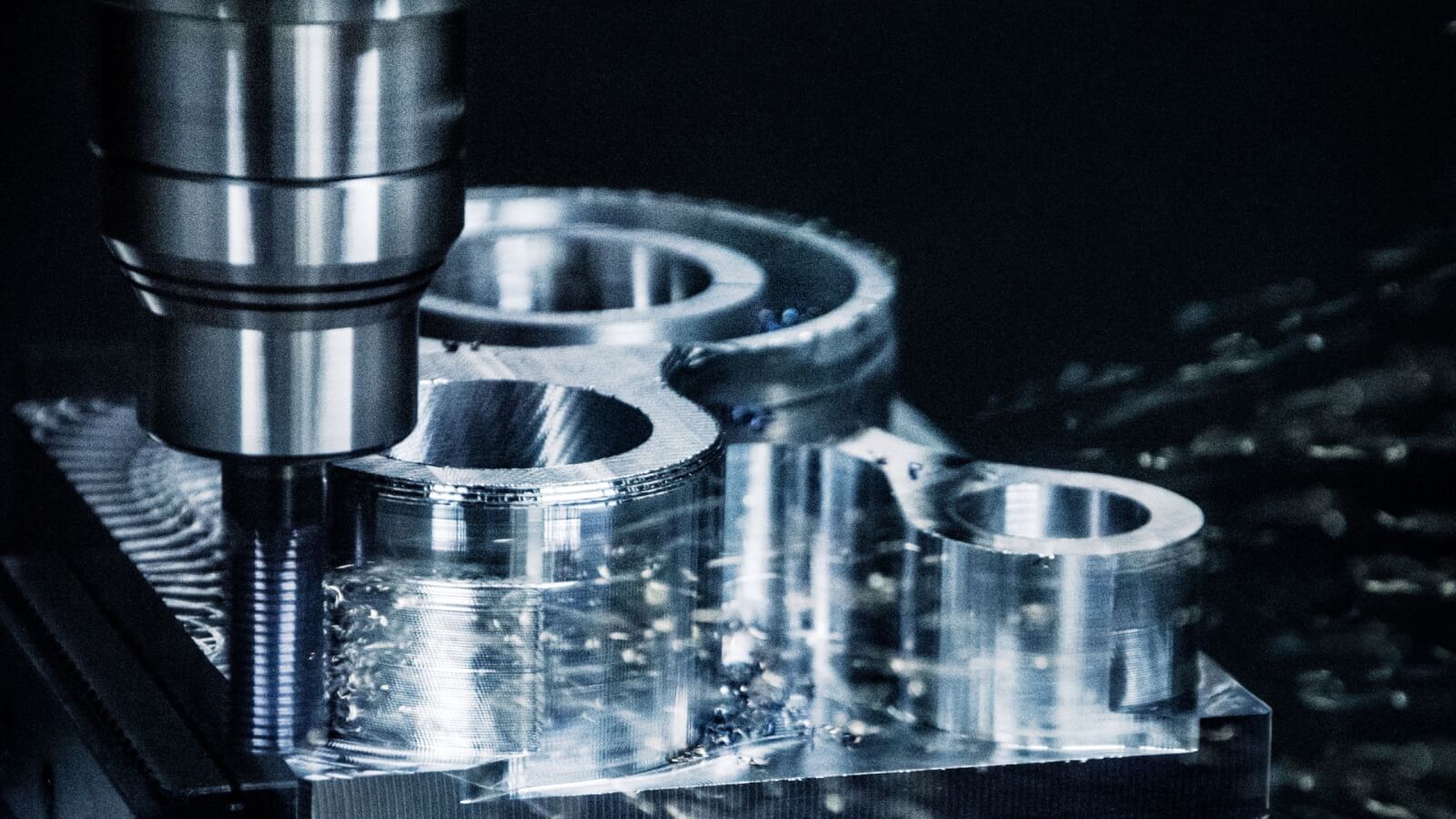
H3: The Operational Engine: How Leading Factories Achieve Manufacturing Flexibility
Achieving this level of service flexibility is not accidental. It is the result of deliberate investment and systematic engineering. Factories that lead in this domain, such as GreatLight CNC Machining Factory, typically build their capabilities on several foundational pillars:
Diverse and Advanced Equipment Portfolio: Flexibility starts with hardware. A factory equipped solely with 3-axis machines is inherently limited. The presence of 4-axis and 5-axis CNC machining centers is transformative. A 5-axis machine, for instance, can complete complex parts in a single setup that would require multiple fixtures and operations on a 3-axis machine, drastically reducing lead time and improving accuracy. Complementing this with CNC turning (lathes), EDM, and precision grinding creates a versatile toolkit to tackle virtually any geometry.
Digital Workflow and Smart Scheduling: Modern Manufacturing Execution Systems (MES) and ERP software allow for real-time visibility into machine capacity, job status, and material inventory. This enables dynamic scheduling—re-prioritizing jobs on the fly to accommodate urgent requests without derailing the entire production queue.
Engineering-Led Collaboration: The most flexible services are those backed by deep engineering expertise. Proactive Design for Manufacturability (DFM) analysis is not a bottleneck but a value-adding conversation that can simplify designs, reduce costs, and improve manufacturability before the tool touches the metal. This pre-emptive problem-solving is a hallmark of a responsive partner.
Robust Quality Systems that Scale: Flexibility cannot come at the expense of quality. Certifications like ISO 9001:2015 provide the framework for consistent processes. In-house metrology labs with CMMs, optical comparators, and surface testers allow for rapid, first-article inspection and in-process checks, ensuring that whether you order one part or one thousand, each meets the same stringent specifications.
H3: The Tangible Impact: Why Your Project Needs a Flexible CNC Partner
Choosing a partner with a genuine Flexibility CNC Machining Service directly translates to competitive advantages for your business:
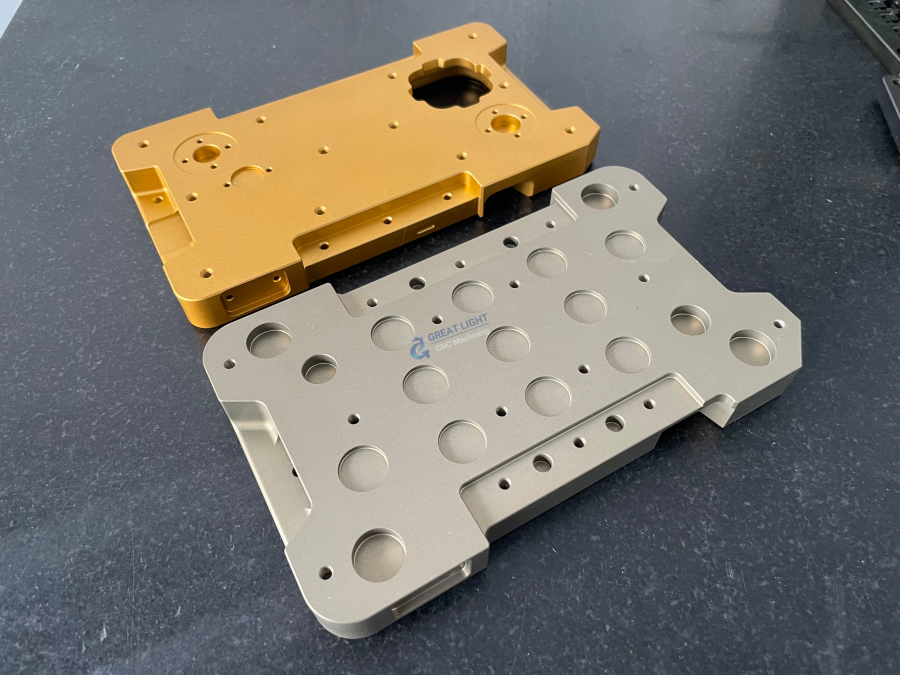
Accelerated Time-to-Market: Rapid prototyping and swift transition to bridge production mean you can test, iterate, and launch products faster.
Reduced Financial Risk: The ability to order in economical, small batches lowers upfront investment and inventory costs, which is particularly valuable for startups and projects with uncertain demand.
Enhanced Innovation Velocity: When engineers know that design changes can be accommodated quickly and cost-effectively, they are empowered to pursue more innovative, optimized solutions.
Supply Chain Resilience: A flexible domestic or nearshore machining partner acts as a reliable buffer against global supply chain disruptions, offering an alternative to long-lead-time, offshore tooling.
H2: Case in Point: Flexibility in Action Across Industries
Consider these scenarios where a Flexibility CNC Machining Service proves indispensable:
Automotive R&D: A team developing a new electric vehicle battery enclosure needs 10 different design iterations of a cooling manifold within a month for thermal testing. A flexible supplier can machine these sequentially with fast turnarounds, incorporating feedback from each test into the next version.
Medical Device Startup: A company finalizing a surgical tool handle needs 25 units for clinical trials. The material is medical-grade stainless steel, and the surface finish must be impeccable for sterilization. Post-trial, they may need 300 units for a limited market release. A partner like GreatLight CNC Machining Factory, with its one-stop services from machining to precision polishing and passivation, can manage this entire volatile production journey.
Aerospace Component Repair: An airline needs a custom, non-OEM bracket to repair legacy aircraft equipment. The part is needed urgently, and the drawing is a legacy 2D blueprint. A flexible machine shop can reverse-engineer, program, machine, and certify the part in a matter of days, minimizing aircraft downtime.
Conclusion: Making the Strategic Choice for Adaptive Manufacturing
In conclusion, the quest for a Flexibility CNC Machining Service is essentially a search for a manufacturing partner that thinks and operates with the same agility as your own business. It is about finding a provider whose capabilities are as dynamic as the markets you serve. This requires looking past basic quotes and evaluating a supplier’s equipment diversity, digital maturity, engineering culture, and quality infrastructure.
For organizations that prioritize innovation, speed, and resilience, partnering with a manufacturer that has institutionalized flexibility—such as GreatLight CNC Machining Factory with its comprehensive multi-axis capabilities, integrated post-processing, and certified quality systems—is a strategic decision. It transforms the procurement of precision parts from a transactional necessity into a collaborative, value-driving engine for your projects. In the final analysis, the most reliable and adaptable Flexibility CNC Machining Service is one that empowers you to navigate uncertainty with confidence, turning manufacturing challenges into opportunities for success. To explore how industry leaders are leveraging such agile manufacturing partnerships, insights can be found on professional networks like LinkedIn.