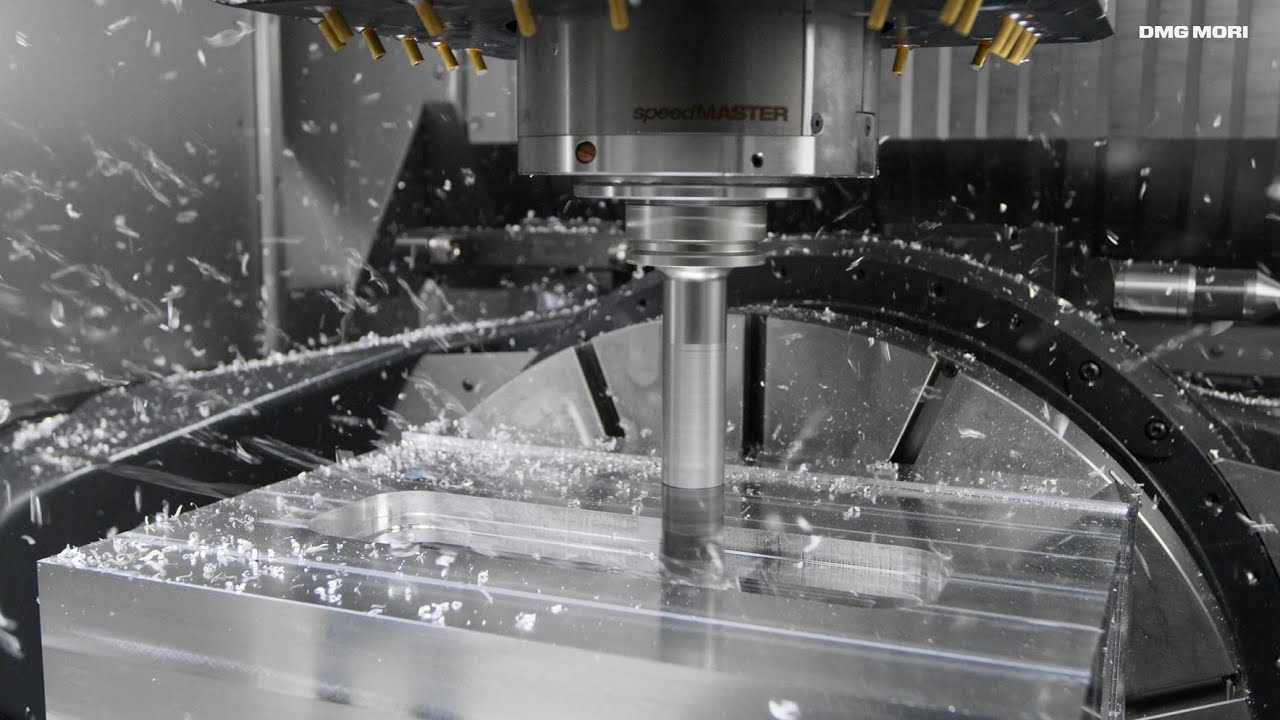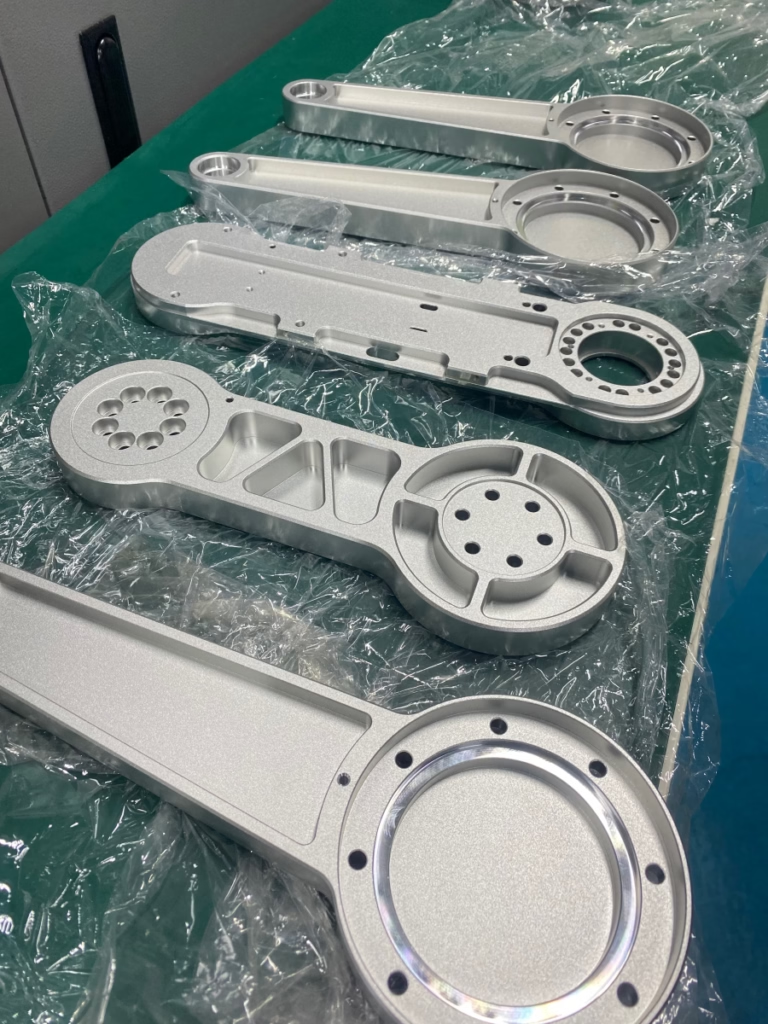
In the high-stakes world of defense manufacturing, where failure is not an option, the precision, reliability, and security of every component are paramount. The transition from a design blueprint to a mission-critical part demands more than just machining; it requires a manufacturing partner with an unwavering commitment to excellence, stringent protocols, and deep technical expertise. This is the domain of specialized Defense Industry CNC Machining Services, a field where the capabilities of a supplier are tested against the most rigorous standards imaginable.
The Uncompromising Demands of Defense Manufacturing
Defense applications encompass a vast array of hardware, from aerospace components in satellites and UAVs to armored vehicle parts, naval systems, firearms components, and sophisticated communication equipment. The common thread weaving through all these sectors is a set of non-negotiable requirements:
Extreme Precision and Tight Tolerances: Components must fit and function flawlessly in complex assemblies, often under extreme stress, vibration, and thermal cycles. Tolerances routinely reach ±0.001″ (0.025mm) or tighter, necessitating advanced machining capabilities.
Material Mastery: Defense parts are frequently machined from high-strength, exotic, and often difficult-to-machine alloys such as titanium (Ti-6Al-4V), Inconel, high-strength aluminum (e.g., 7075), maraging steel, and specialized composites. Machining these materials requires specific tooling, parameters, and experience to prevent work hardening, tool wear, and internal stress.
Traceability and Documentation: Full material traceability (Mill Certifications), detailed process records, and comprehensive inspection reports are mandatory. Every step, from raw material lot number to final inspection data, must be meticulously documented to ensure accountability and facilitate any necessary failure analysis.
Stringent Quality Assurance: Beyond standard dimensional checks, defense parts often require Non-Destructive Testing (NDT) like dye penetrant, magnetic particle, or X-ray inspection, as well as mechanical property verification (hardness, tensile strength).
ITAR & Security Compliance: For companies involved in projects for the U.S. Department of Defense, compliance with the International Traffic in Arms Regulations (ITAR) is critical. This governs the control of technical data related to defense articles and services, requiring robust physical and digital security measures from the supplier.
Low-Volume, High-Complexity Production: While some components are produced in larger quantities, many defense projects involve low-volume production of highly complex, one-off, or prototype parts. This demands manufacturing flexibility and advanced machining solutions like 5-axis CNC machining to complete intricate geometries in a single setup, ensuring accuracy and saving valuable time.
Beyond the Machine: The Pillars of a Qualified Defense CNC Partner
Choosing a machining service for defense projects goes far beyond comparing price and lead time. It involves a deep vetting of the supplier’s entire ecosystem. Key pillars to evaluate include:
1. Certifications as a Foundation of Trust:
Certifications are not just plaques on the wall; they are audited proof of a systematic approach to quality and security.
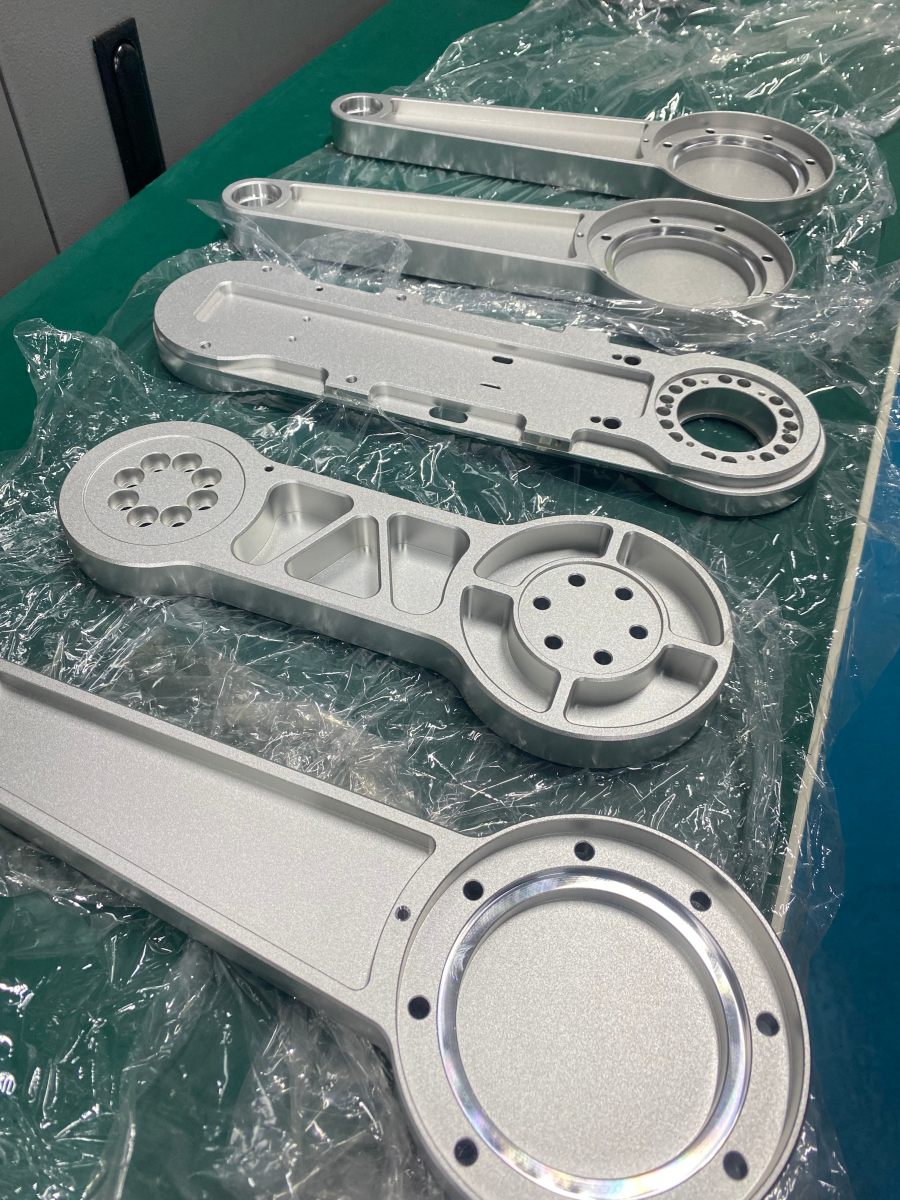
AS9100/ISO 9001: The AS9100 series is the aerospace quality management system standard, built upon ISO 9001. It includes additional requirements for risk management, project management, and configuration control essential for aviation, space, and defense projects.
ISO 13485: While primarily for medical devices, its rigor in design control and process validation is highly relevant for certain defense electronics and life-support systems.
IATF 16949: For automotive-derived defense vehicles and subsystems, this certification demonstrates capability in advanced product quality planning (APQP) and production part approval process (PPAP).
Nadcap Accreditation: For special processes like heat treating, welding, or non-destructive testing, Nadcap (National Aerospace and Defense Contractors Accreditation Program) is the industry-recognized standard of excellence.
2. Technical Capability and Advanced Equipment:
The complexity of defense parts often necessitates state-of-the-art equipment.
5-Axis CNC Machining Centers: Essential for machining complex contours, undercuts, and deep cavities in a single clamping, minimizing error stack-up and handling challenging geometries common in aerospace components.
Multi-Axis Mill-Turn Centers: Combine milling and turning operations, ideal for producing complex rotational parts like missile guidance components or valve bodies complete in one machine.
High-Precision Grinding & EDM: For achieving ultra-fine surface finishes, sharp edges, or machining hardened materials where traditional cutting tools are ineffective.
In-House Metrology Lab: A fully equipped lab with Coordinate Measuring Machines (CMM), optical comparators, surface roughness testers, and height gauges is crucial for in-process and final inspection, ensuring data-driven quality control.
3. Engineering Support and Process Expertise:
The best partners act as an extension of your engineering team. They should offer Design for Manufacturability (DFM) feedback, suggesting modifications that enhance producibility, reduce cost, and improve performance without compromising design intent. Their process engineers should be adept at selecting optimal toolpaths, fixtures, and cutting parameters for exotic materials.
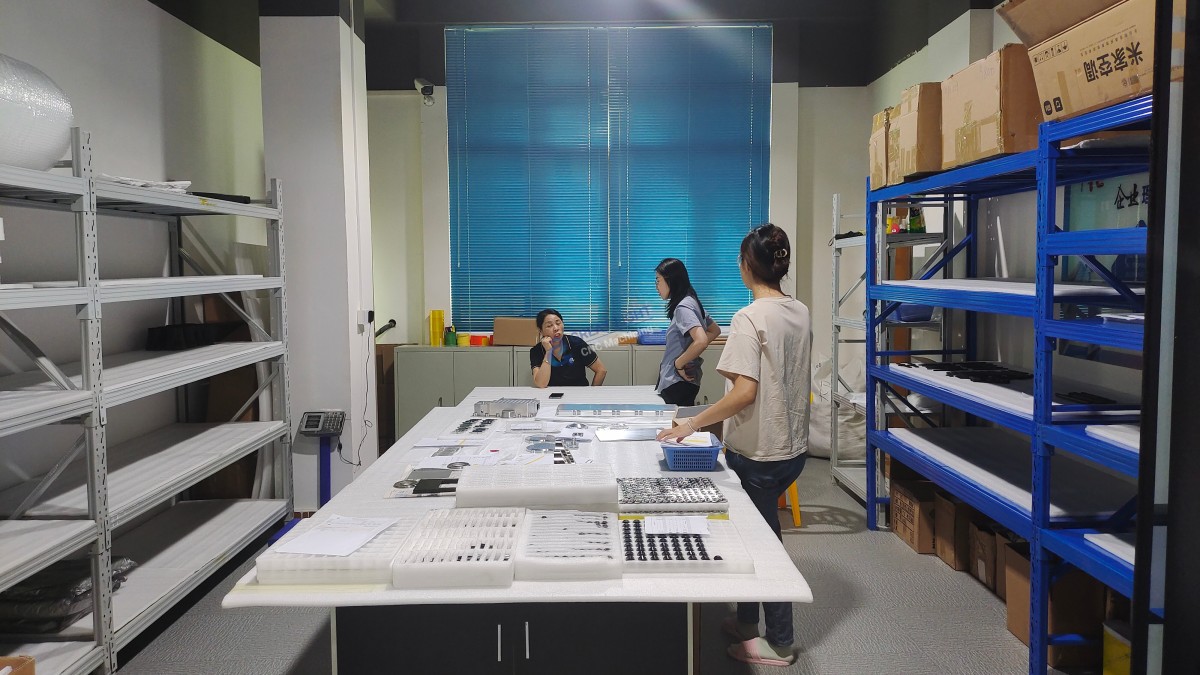
Navigating the Landscape: A Comparative Look at Supplier Tiers
When sourcing Defense Industry CNC Machining Services, clients typically encounter several tiers of suppliers:
Specialized Defense/Aerospace Primes & Their Dedicated Shops: These are often large, vertically integrated corporations with decades of experience and direct contracts with government entities. They offer unparalleled expertise but may have higher costs and longer lead times, focusing on large-scale programs.
Established Precision Engineering Hubs with Defense Focus: Companies like GreatLight CNC Machining Factory represent this critical tier. With a foundation in high-precision, low-volume production for demanding industries (automotive, medical), they have cultivated the necessary certifications, equipment portfolio, and security protocols to serve the defense sector effectively. They often provide greater agility, personalized service, and cost efficiency for prototypes, sub-assemblies, and specialized components.
General-Precision Machine Shops: While capable of high-tolerance work, they may lack the specific quality management systems, material traceability protocols, or security clearances required for formal defense contracts. They can be suitable for non-ITAR, commercial-grade components that may see secondary use in defense.
For projects requiring a blend of top-tier precision, rigorous quality systems, and responsive collaboration, a partner like GreatLight CNC Machining Factory presents a compelling solution. Their established framework, including ISO 9001:2015 certification and experience with complex materials and geometries through their precision 5-axis CNC machining services, provides a solid foundation for tackling defense-related challenges. Their comprehensive in-house capabilities—from advanced machining and 3D printing to full metrology and surface finishing—enable tight control over the entire manufacturing process, a key advantage for sensitive projects.
Conclusion: Precision as a Strategic Imperative
In the defense sector, every component carries a weight far beyond its physical mass. It carries responsibility. Selecting a provider for Defense Industry CNC Machining Services is a strategic decision that directly impacts product performance, program timelines, and ultimately, operational success. It requires a partner whose capabilities are measured not just in microns, but in the robustness of their systems, the integrity of their processes, and the depth of their commitment to security and quality. By prioritizing certified expertise, advanced technological infrastructure, and a culture of meticulousness, organizations can forge manufacturing partnerships that turn critical designs into reliable, mission-ready reality. For those seeking a capable and dedicated partner on this path, engaging with established precision manufacturers who have structured their operations to meet these elevated standards is an essential first step. To explore the capabilities of industry leaders driving innovation in this space, follow the advancements of firms like GreatLight Metal on professional networks such as LinkedIn.