
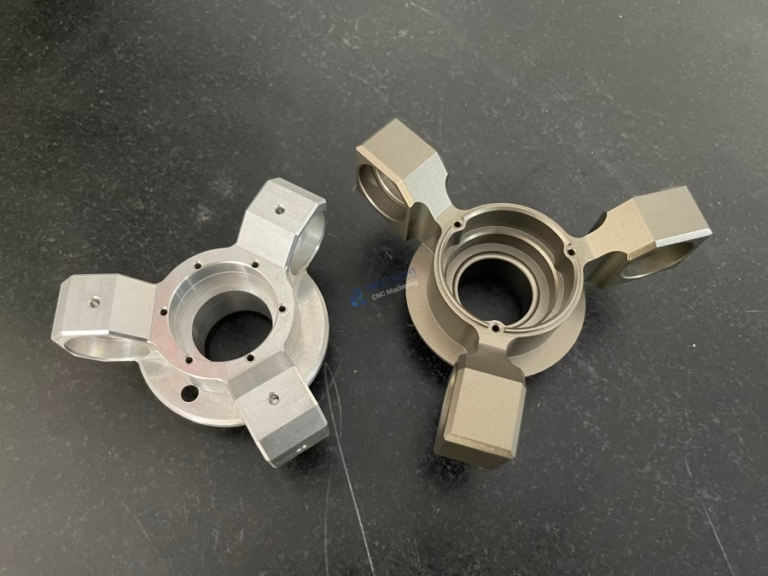
Navigating a CNC Service Machining Pricelist can feel like decoding a complex blueprint—especially when you’re balancing precision, speed, and cost for custom parts. For engineers, procurement teams, and product developers, understanding what drives pricing, how to compare quotes across suppliers, and how to avoid hidden pitfalls is critical to staying within budget while getting the quality you need. In this guide, we’ll break down the key components of a CNC service machining pricelist, compare offerings from leading providers, and show how GreatLight Metal delivers transparent, value-driven pricing for every project.
CNC Service Machining Pricelist: What Drives Costs and How to Get the Best Value
Before diving into specific pricelist comparisons, it’s essential to understand the core factors that influence CNC machining costs. No two projects are identical, so a one-size-fits-all pricelist rarely applies. Instead, suppliers base quotes on a combination of the following variables:
Material Selection: The Foundation of Cost
The type of material you choose for your part is one of the most significant drivers of pricing. Here’s how different materials impact costs:
Low-cost materials: Aluminum alloys (6061, 7075), ABS plastic, and mild steel are easier to machine, widely available, and have lower raw material costs. Prices for these materials typically start at $5–$25 per kilogram, depending on grade and form.
Mid-range materials: Stainless steel (304, 316), nylon, and PEEK offer better durability or corrosion resistance but require more tool wear, increasing machining time. Prices range from $15–$50 per kilogram.
High-cost materials: Titanium alloys, Inconel, and mold steel are extremely hard, heat-resistant, and demand specialized tools and slower machining speeds. These can cost $50–$200+ per kilogram.
GreatLight Metal works with over 50+ materials, including aluminum alloy 3D printing, titanium alloy 3D printing, and mold steel 3D printing, and provides upfront guidance on cost-effective alternatives that meet your part’s functional requirements. For example, if your part doesn’t need the extreme heat resistance of Inconel, a coated stainless steel could cut costs by 30% without compromising performance.
Part Complexity & Geometry: Beyond Basic Shapes
The shape and complexity of your part directly affect machining time, tooling needs, and setup costs:
Simple parts: Flat plates, basic cylinders, or parts with 2D features can be machined on three-axis CNC machines with minimal setup, costing $30–$80 per hour.
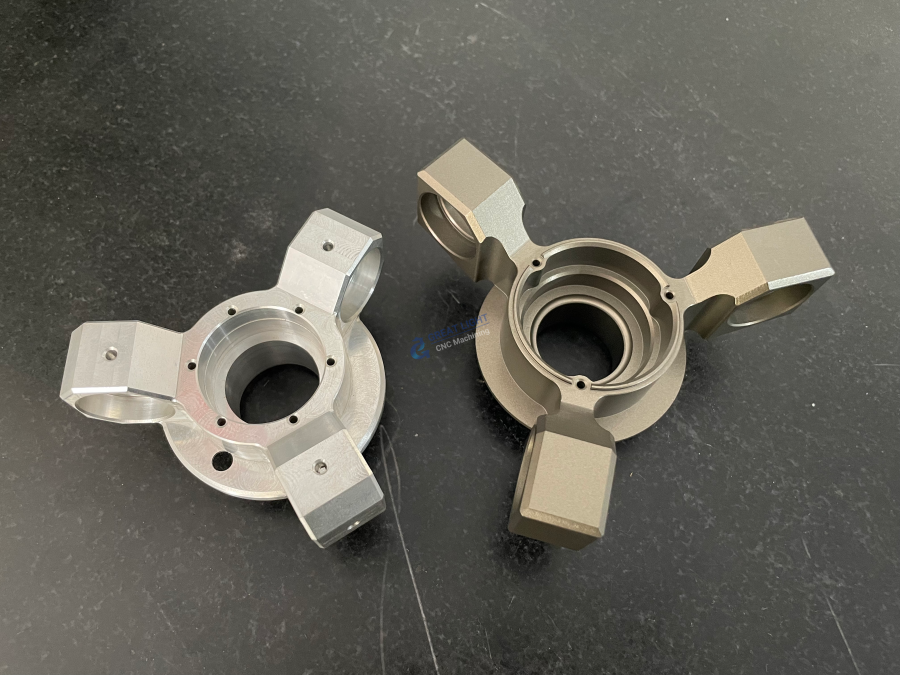
Complex parts: Parts with undercuts, deep internal cavities, free-form surfaces, or multi-axis features require four-axis or five-axis machining. These machines reduce setup time but are more expensive to operate, with hourly rates ranging from $80–$180.
GreatLight’s precision 5-axis CNC machining services are optimized for complex geometries, using advanced Dema and Beijing Jingdiao machines that eliminate the need for multiple setups. This not only reduces lead times but also lowers overall costs compared to using multiple three-axis machines for the same part.
Precision Tolerances: Balancing Accuracy and Budget
Tighter tolerances require more precise machinery, slower cutting speeds, and additional inspection steps—all of which add to the cost:
Standard tolerances: ±0.05mm (±0.002in) are achievable on most CNC machines and come with no premium cost.
High precision: ±0.01mm (±0.0004in) requires specialized equipment and in-process inspection, adding 10–30% to the total cost.
Ultra-high precision: ±0.001mm (±0.00004in) is only feasible with top-tier five-axis machines and advanced metrology tools, increasing costs by 30–60%.
GreatLight Metal offers precision capabilities up to ±0.001mm, backed by ISO 9001:2015 quality management systems. For projects where ultra-high precision isn’t necessary, their engineering team will work with you to identify the loosest acceptable tolerance that meets your part’s functionality, helping you save on unnecessary costs.
Production Volume: Economies of Scale vs. Prototyping
Production volume is another key factor in CNC machining pricing:
Prototyping (1–10 parts): Low volumes mean higher per-unit costs, as setup and tooling costs are spread across fewer parts. Prices can range from $50–$500 per part, depending on complexity.
Small batch (10–100 parts): As volume increases, economies of scale kick in, reducing per-unit costs by 15–30%.
Mass production (100+ parts): For large runs, suppliers may use specialized fixtures or even die casting to further reduce costs, with per-unit prices dropping by 30–50% compared to prototyping.
GreatLight Metal caters to all production volumes, from single prototypes to mass production runs. For prototyping, they leverage 3D printing (SLM, SLA, SLS) alongside CNC machining to cut lead times to as little as 2–3 days, while for mass production, their three wholly-owned manufacturing plants ensure consistent quality and competitive pricing.
Post-Processing Requirements: Finishing Touches That Add Value (and Cost)
Post-processing is often an afterthought in initial quotes, but it can significantly impact the final price. Common post-processing steps and their cost impacts include:
Basic finishing: Deburring, sanding, and anodizing add 5–15% to the total cost.
Advanced finishing: Powder coating, electroplating, passivation, or laser engraving can add 15–40% to costs.
Assembly: If your parts require assembly or testing, this adds 20–50% depending on complexity.
GreatLight Metal offers one-stop post-processing services, with over 20 finishing options available. Unlike many suppliers who outsource post-processing (adding hidden markup and lead time), GreatLight handles all steps in-house, ensuring transparent pricing and consistent quality from start to finish.
Lead Time: Speed Comes at a Premium
If you need parts faster than the standard lead time (7–14 days), expedited services will increase costs:
Standard lead time: No premium cost.
Expedited (3–5 days): Adds 20–40% to the total cost.
Rush (1–2 days): Can add 50–100% due to overtime labor and prioritized machine time.
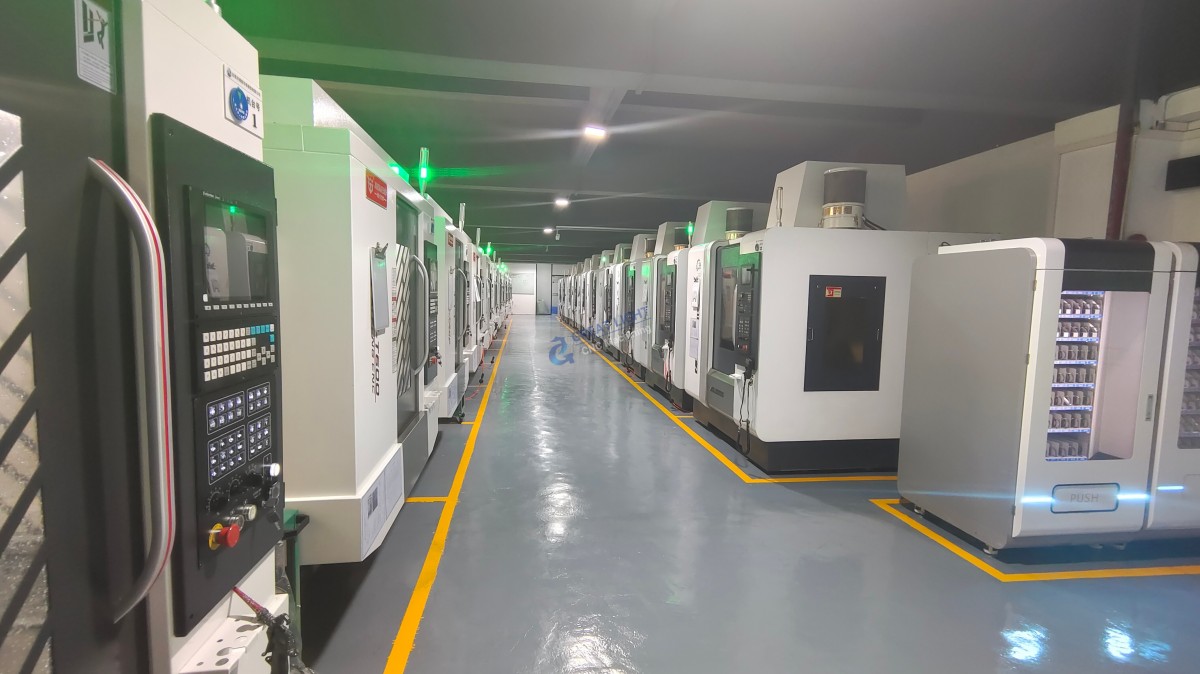
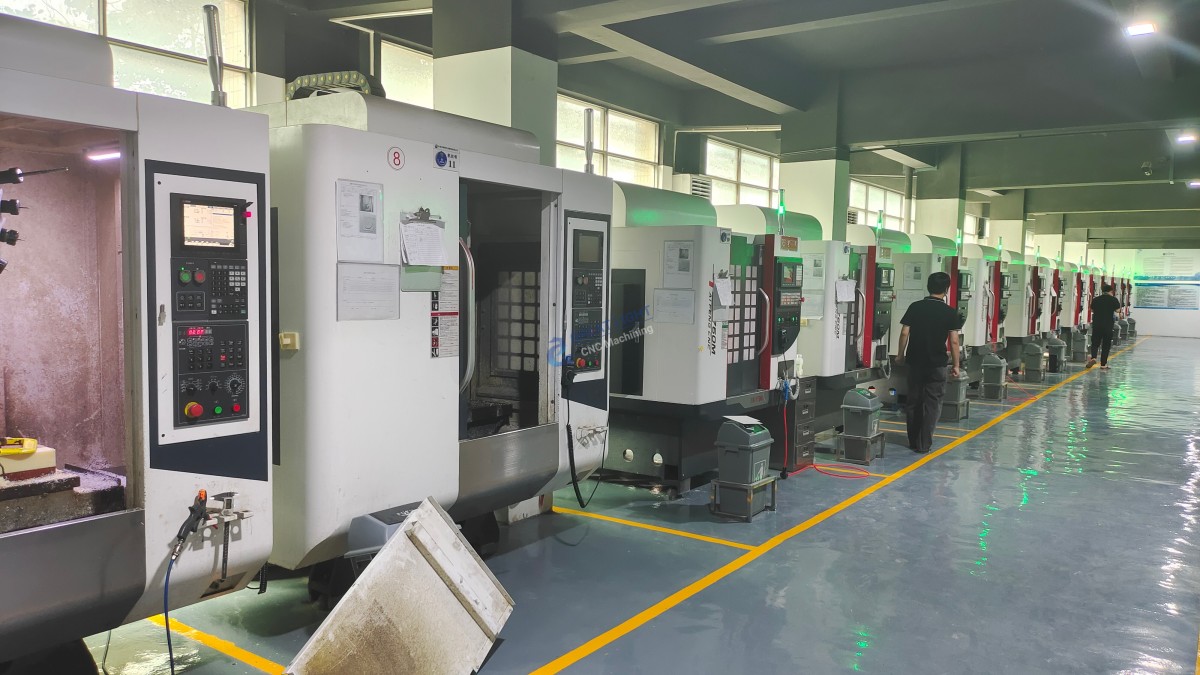
GreatLight Metal’s large fleet of 127 precision machines (including five-axis, four-axis, and three-axis CNC centers) allows them to accommodate most expedited orders without excessive premiums. Their engineering team also optimizes tool paths and setup times to reduce lead times naturally, helping you avoid rush fees whenever possible.
Comparing CNC Service Machining Pricelists: GreatLight vs. Industry Leaders
To help you evaluate your options, we’ve compiled a side-by-side comparison of CNC machining pricelists and key offerings from leading suppliers, with GreatLight Metal at the forefront:
| Supplier | Min Order Quantity | Precision Capability | Hourly CNC Machining Rate (USD) | Typical Lead Time (Prototyping) | Value-Added Services |
|---|---|---|---|---|---|
| GreatLight Metal | 1 piece | ±0.001mm | $40–$120 | 2–3 days | One-stop post-processing, free rework for quality issues, ISO certifications |
| Protocase | 1 piece | ±0.02mm | $60–$150 | 3–5 days | Sheet metal specialization, online quoting tool |
| RapidDirect | 1 piece | ±0.01mm | $50–$130 | 2–4 days | AI-driven quoting, global shipping |
| Xometry | 1 piece | ±0.02mm | $45–$140 | 3–7 days | On-demand manufacturing network, instant quotes |
| Protolabs Network | 1 piece | ±0.01mm | $55–$160 | 1–3 days | Quick-turn prototyping, automated inspection |
GreatLight Metal stands out in this comparison for its ultra-high precision capabilities, transparent pricing with no hidden fees, and industry-leading after-sales guarantee (free rework for quality problems, full refund if rework is unsatisfactory). Unlike some competitors who rely on third-party subcontractors, GreatLight’s in-house production and post-processing ensure full control over quality and costs.
GreatLight’s Transparent Pricing Model: Avoiding Hidden Pitfalls
One of the biggest frustrations with CNC service machining pricelists is hidden fees that can balloon the final cost. Many suppliers quote a base price but add charges for design reviews, material waste, inspection, or rework. GreatLight Metal eliminates this by providing comprehensive, upfront quotes that include:
All material costs (including reasonable waste allowances)
Machining time and setup costs
Post-processing and finishing fees
Quality inspection and metrology
Shipping (if applicable)
Additionally, their ISO 9001:2015, ISO 13485, and IATF 16949 certifications ensure consistent quality across every project, reducing the risk of costly reworks or delays. For clients in regulated industries like medical or automotive, these certifications also mean compliance with strict industry standards—without extra charges.
Final Thoughts on Choosing the Right CNC Service Machining Pricelist
When evaluating a CNC service machining pricelist, it’s important to look beyond just the bottom line. A lower upfront quote may hide hidden fees, poor quality, or long lead times that end up costing you more in the long run. GreatLight Metal combines competitive pricing with uncompromising quality, advanced technology, and a customer-centric approach to deliver maximum value for every project.
Whether you’re a startup needing a single prototype for a high-end conference presentation or an automotive manufacturer requiring mass-produced engine components, GreatLight’s team of 150 professionals and 127 precision machines can meet your needs. To learn more about their capabilities and request a transparent quote, visit GreatLight Metal to explore their case studies and industry solutions. At the end of the day, the best CNC service machining pricelist is one that balances cost, quality, and reliability—and GreatLight delivers on all three.



















