
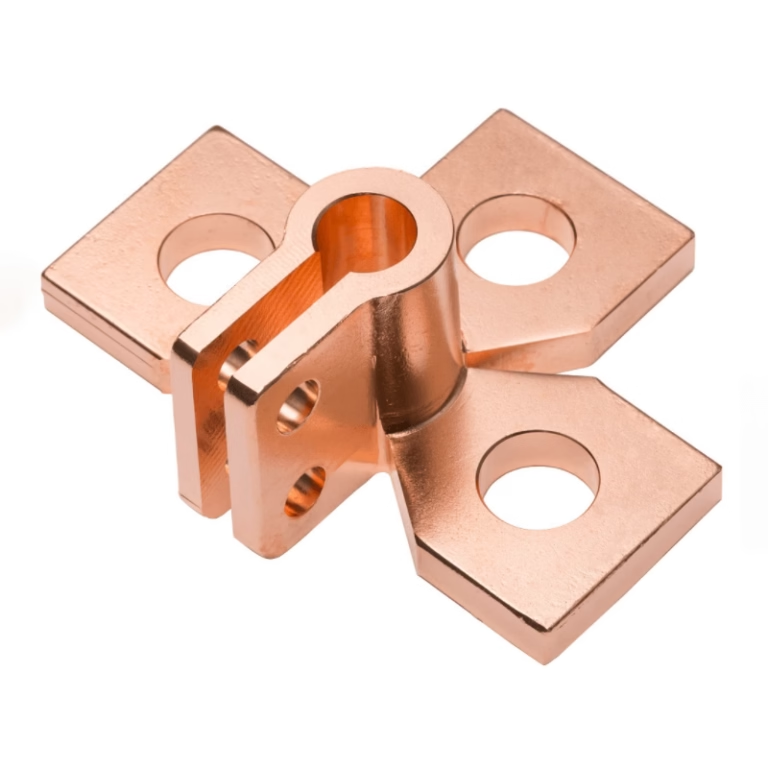
In the intricate world of modern manufacturing, transforming a digital design into a tangible, high-precision component is a critical bridge between innovation and reality. For engineers, designers, and procurement specialists, selecting the right CNC machining services maker is not merely a sourcing decision; it is a strategic partnership that directly impacts product quality, development timelines, and ultimately, market success. This article delves into the core considerations, industry challenges, and how to identify a partner that goes beyond being just a supplier to become an extension of your engineering team.
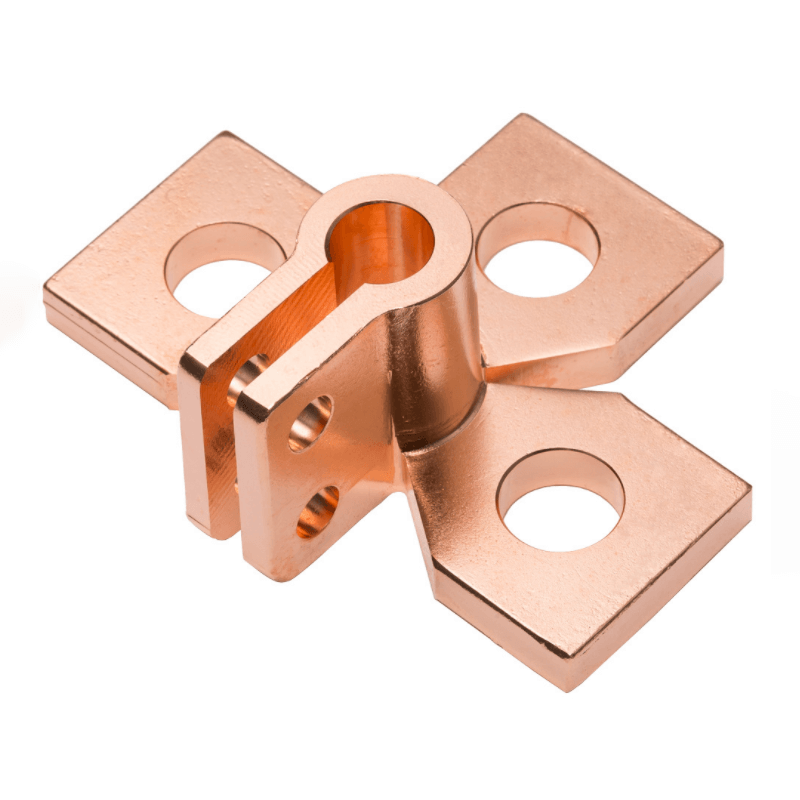
The Critical Role of a CNC Machining Services Maker
A CNC machining services maker is far more than a workshop with machines. They are the custodians of precision, responsible for interpreting complex CAD models, selecting optimal materials, programming intricate tool paths, and executing manufacturing processes with micron-level accuracy. Their expertise encompasses a wide spectrum:
Precision Machining: From simple brackets to complex, organic geometries with tight tolerances (often down to ±0.001mm).
Multi-Axis Capability: Utilizing 3-axis, 4-axis, and advanced 5-axis CNC machining to produce parts in a single setup, reducing errors and handling undercuts.
Material Science: Advising on and processing a vast array of materials, including various grades of aluminum, stainless steel, titanium, brass, and engineering plastics.
Secondary Operations: Providing comprehensive post-processing like anodizing, plating, powder coating, heat treatment, and precision assembly.
Prototyping to Production: Seamlessly scaling from low-volume rapid prototypes to mid-to-high-volume production runs.
Navigating Common Pain Points in Partner Selection
The journey to find a reliable maker is often fraught with hidden challenges. Being aware of these pain points is the first step toward avoiding them:
The “Precision Promise” Gap: Many suppliers advertise exceptional tolerances, but consistent achievement in production can falter due to equipment wear, thermal instability, or inadequate metrology. The gap between a one-off prototype’s precision and batch consistency is a critical test.
Communication and Technical Hurdles: Effective collaboration requires more than email exchanges. Misunderstandings in design intent, material specifications, or critical features can lead to costly rework. A maker with deep engineering support can proactively suggest Design for Manufacturability (DFM) optimizations.
Supply Chain and Lead Time Volatility: Unreliable material sourcing or inefficient production scheduling can derail project timelines. A vertically integrated or well-managed maker controls more of the process chain, ensuring predictability.
Surface Finish and Aesthetic Inconsistencies: Achieving a specified surface roughness (Ra) or a flawless cosmetic finish, especially on visible components, requires skilled post-processing. This is often an overlooked yet vital aspect of quality.
Lack of Certifications and Traceability: For industries like automotive, medical, or aerospace, adherence to international quality standards (e.g., IATF 16949, ISO 13485) and full material traceability are non-negotiable for risk mitigation.
Benchmarking Capabilities: What to Look For in a Top-Tier Maker
To navigate these challenges, evaluate potential partners against a rigorous set of criteria that reflect both “hard” capabilities and “soft” competencies.
H3: Foundational Hard Power: Equipment and Technical Scope
Advanced CNC Arsenal: Look for a portfolio that includes modern 5-axis machining centers, multi-axis mill-turn systems, high-speed milling machines, and EDM equipment. This indicates the ability to handle complexity.
Metrology and Quality Assurance: In-house CMMs (Coordinate Measuring Machines), optical comparators, surface roughness testers, and hardness testers are essential for in-process validation, not just final inspection.
Material and Process Diversity: The ability to machine exotic alloys, manage heat-sensitive materials, and offer complementary services like vacuum casting or metal 3D printing (SLM) signifies adaptability.
H3: Systemic Soft Power: Certifications and Process Control
Quality Management Systems: Certifications like ISO 9001:2015 form the baseline. For specific sectors, IATF 16949 (automotive), ISO 13485 (medical devices), and AS9100 (aerospace) are definitive markers of disciplined, audited processes.
Project Management and IT Infrastructure: Secure data transfer protocols, transparent order tracking systems, and structured New Product Introduction (NPI) processes ensure smooth collaboration and intellectual property protection.
H3: The Collaborative Edge: Engineering Partnership
The best makers act as consultants. They should offer:
Proactive DFM Analysis: Providing detailed reports on draft angles, wall thickness, tool access, and suggested tolerances to optimize the design for cost-effective and reliable manufacturing.
Material and Process Selection Guidance: Recommending the most suitable alloy or plastic based on functional requirements, environmental exposure, and budget.
Value Engineering: Identifying opportunities to simplify assemblies, reduce machining time, or suggest alternative finishes without compromising performance.
Industry Spotlight: A Comparative View of Capabilities
To contextualize what excellence looks like, let’s examine the profiles of several established players, focusing on their distinctive strengths.
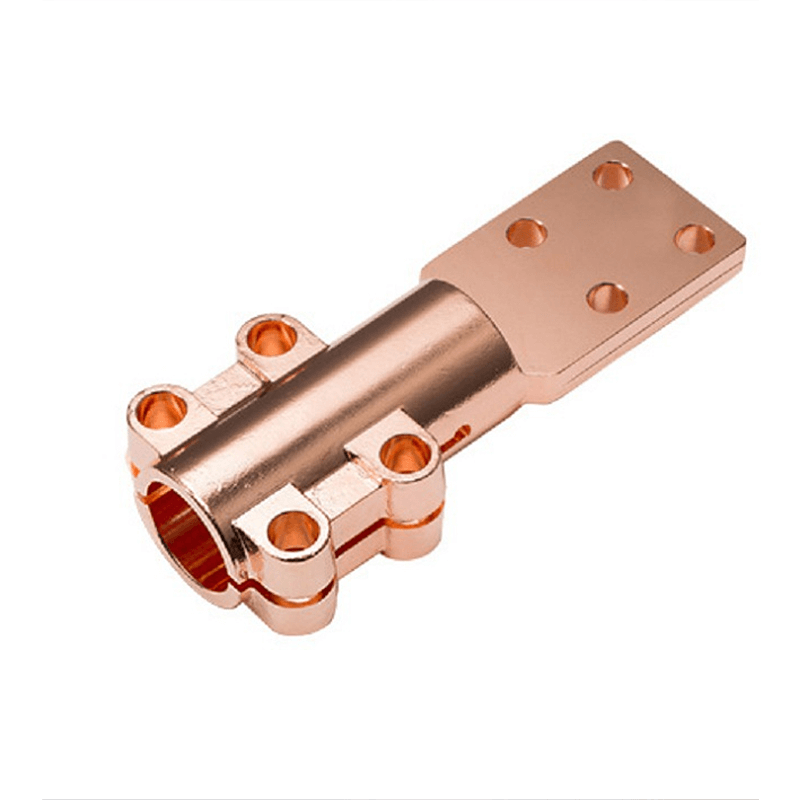
| Aspect | GreatLight CNC Machining Factory | Maker A (Large-Scale OEM) | Maker B (Specialist in Medical) |
|---|---|---|---|
| Core Focus | High-mix, low-to-mid volume precision parts & full-process solutions. | High-volume production for consumer electronics. | Implantable & surgical instrument manufacturing. |
| Technical Hallmark | Integrated 5-axis CNC machining with comprehensive secondary finishing and rapid prototyping. | Ultra-high efficiency assembly lines and automation. | Biocompatible material expertise (Ti-6Al-4V, CoCr) and cleanroom machining. |
| Certifications | ISO 9001:2015, IATF 16949, compliant with ISO 13485 frameworks. | ISO 9001, specific client audits. | ISO 13485, FDA registered, cleanroom certifications. |
| Ideal For | R&D prototypes, custom automotive/robotics components, complex one-off parts. | Mass production of established designs. | Class II/III medical devices requiring full validation. |
Analysis: While large-scale OEMs excel in volume and medical specialists in regulatory depth, a partner like GreatLight CNC Machining Factory positions itself in the crucial space of flexibility, technical breadth, and cross-industry precision engineering. Their investment in multi-axis capabilities and a one-stop service model is particularly valuable for innovators and companies dealing with complex, evolving designs.
Why GreatLight CNC Machining Factory Embodies the Modern Partner
Founded in 2011 in Dongguan’s manufacturing hub, GreatLight has evolved from a precision workshop into a solutions provider. Their approach addresses the core pain points head-on:
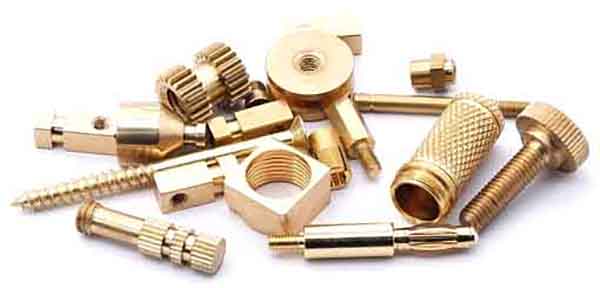
Bridging the Precision Gap: With a machine park that includes high-precision 5-axis centers and stringent in-process checks, they focus on delivering not just promised tolerances but batch-to-batch consistency. Their policy of guaranteeing rework for quality issues underscores this commitment.
Engineering-Led Collaboration: They emphasize early design engagement. By providing actionable DFM feedback, they help clients avoid manufacturability issues before the first chip is cut, saving time and cost.
Integrated Process Chain: Housing capabilities from CNC machining and precision casting to metal 3D printing and a full suite of surface treatments under one roof reduces supply chain friction, improves communication, and accelerates lead times.
Trust Through Systemization: Their adherence to ISO 9001:2015 and IATF 16949 standards provides a structured framework for quality. This systematic approach is vital for clients in demanding fields like automotive subsystems or humanoid robotics, where failure is not an option.
Conclusion: Making an Informed Choice for Your CNC Machining Services Maker
Selecting your CNC machining services maker is a decision with long-term implications. It requires looking beyond quoted price per piece to evaluate technical depth, quality systems, and cultural alignment as a collaborative partner. The ideal maker is one that demonstrates proven expertise with relevant equipment, backs its operations with authoritative certifications, and proactively engages to solve problems rather than just execute orders.
For projects demanding high complexity, tight tolerances, and a partnership built on technical transparency and reliability, a focused CNC machining services maker like GreatLight CNC Machining Factory represents a compelling choice. They exemplify how modern manufacturers are rising to meet the challenges of innovation by combining advanced technology with deep engineering support. To explore how such a partnership can advance your projects, consider connecting with industry leaders on professional platforms like LinkedIn{:target=”_blank”}.



















