

In the fast-paced world of product development and manufacturing, time is a currency as valuable as the parts themselves. For engineers, procurement specialists, and project managers sourcing precision components, the journey often begins with a critical, yet frequently cumbersome step: obtaining a CNC machining services instant quote. This initial interaction is more than just a price check; it’s a litmus test for a supplier’s efficiency, transparency, and technical acumen. A swift, accurate, and detailed quote can accelerate project timelines, while a slow, vague, or inaccurate one can derail them before they even begin.
This article delves into the mechanics, challenges, and best practices behind instant quoting in CNC machining, exploring why it’s a pivotal service for modern manufacturing and how leading providers are leveraging technology to transform this process.
H2: The Anatomy of an “Instant” Quote: What’s Really Happening?
The term “instant” can be misleading. In reality, a meaningful quote for CNC machining is never truly instantaneous in the sense of a simple e-commerce transaction. Instead, it represents a highly automated, rule-based preliminary assessment that happens within minutes, not days. The process typically involves several layers of intelligent computation:
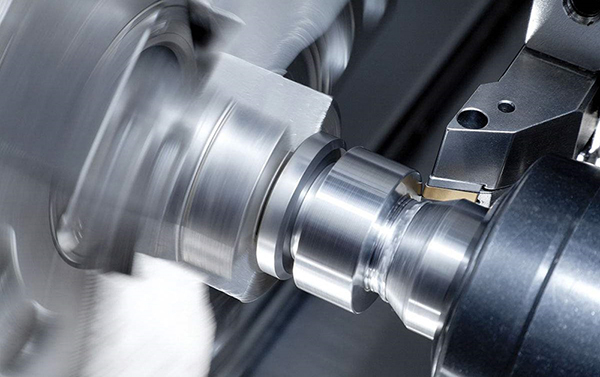
Geometric Analysis: Advanced quoting engines automatically analyze the uploaded 3D CAD file (e.g., STEP, IGES) or 2D drawing. They extract key features such as overall dimensions, wall thicknesses, internal cavities, undercuts, and thread specifications.
Material & Finish Selection: The system cross-references the selected material (e.g., 6061 aluminum, 316 stainless steel, POM) and surface finish (as-machined, anodized, powder coating) with a dynamic database of current raw material costs and standard processing times.
Manufacturability Feedback (DFM): This is where value is added. A sophisticated system will instantly flag potential design for manufacturability (DFM) issues. It might highlight features that are difficult to machine, suggest tolerance relaxations for non-critical dimensions to reduce cost, or recommend alternative materials for better performance or machinability.
Process Planning Simulation: The software determines the most efficient machining strategy. Can it be done on a 3-axis machine, or does it require 5-axis CNC machining for complex contours? Does it need secondary operations like turning or grinding? The system estimates machining time, setup time, and tooling requirements.
Cost Aggregation: Finally, it aggregates material cost, machine time cost (factoring in machine type and hourly rate), setup costs, post-processing costs, and a margin to generate a total price. It will also provide a breakdown, often showing cost per unit at different order quantities, highlighting economies of scale.
H3: The Critical User Pain Points Addressed by Instant Quoting
The traditional RFQ (Request for Quote) process, involving emails, phone calls, and days of waiting, is fraught with frustrations that instant quoting aims to eliminate:
The “Black Box” of Pricing: Users often have no insight into how a price is derived. An instant quote with a clear breakdown demystifies costs, building immediate trust.
The Iteration Bottleneck: During the design phase, engineers may need to evaluate 5-10 different design iterations for cost and manufacturability. Waiting days for each quote is impractical. Instant feedback allows for real-time design optimization.
Inconsistent Supplier Responses: Sending the same drawing to five different shops can yield five wildly different quotes and lead times, making comparison difficult. A standardized, automated quoting platform creates an apples-to-apples comparison baseline.
The “Quote for Service, Not Just Parts” Need: Clients aren’t just buying machined blocks of metal; they are buying a service that includes expertise, reliability, and quality assurance. A good instant quote system begins to reflect this by offering optional value-added services and certifications upfront.
H2: Beyond the Algorithm: The Human Expertise Behind the Machine
While the algorithm generates the initial numbers, the true value of a premium CNC machining services instant quote lies in what happens next. The instant quote is the starting pistol, not the finish line. Reputable manufacturers use it as an engagement tool to initiate a collaborative engineering dialogue.
At GreatLight CNC Machining Factory, the process exemplifies this synergy. After a client receives their automated preliminary quote online, it is immediately reviewed by a dedicated project engineering team. This team examines the DFM suggestions, considers any unique application requirements the automated system couldn’t capture (e.g., part function, load conditions, industry-specific standards), and prepares a tailored follow-up. They might propose:
A more cost-effective machining strategy using their multi-axis capabilities.
Validation of critical tolerances and suggestions for inspection methods.
Options for different post-processing sequences to achieve a specific aesthetic or functional result.
This blend of instant digital efficiency and deep human expertise ensures that the final confirmed quote and production plan are not only competitive but also technically sound and risk-mitigated.
H3: Key Factors That Influence Your Instant Quote
Understanding what drives the numbers can help you prepare better and interpret quotes more effectively. Major variables include:
| Factor | Impact on Quote & Lead Time | Design Tip for Optimization |
|---|---|---|
| Part Complexity | Complex 3D contours, deep pockets, fine details require 5-axis machines, more setups, and longer machining time, increasing cost. | Simplify geometries where possible. Use fillets instead of sharp internal corners. |
| Tolerances | Tighter tolerances (e.g., ±0.025mm vs. ±0.1mm) demand slower machining speeds, specialized tooling, and precise inspection, significantly raising cost. | Apply tight tolerances only to critical mating/functional surfaces. Use standard tolerances elsewhere. |
| Material Choice | Exotic alloys (e.g., titanium, Inconel) are expensive and harder to machine than aluminum or mild steel. Material waste (from a solid block) is a major cost component. | Select the material that meets functional requirements at the lowest machinability cost. Consider near-net-shape processes for very expensive materials. |
| Order Quantity | High volumes reduce cost per unit due to amortized setup time and potential for optimized, dedicated tooling. Low-volume prototypes have a higher cost per unit. | For prototypes, consider if a slightly less ideal but more available material can be used for functional testing. |
| Surface Finish & Post-Processing | Additional processes like anodizing, plating, heat treatment, or custom packaging add cost and time. | Specify required finishes clearly. Understand that a mirror polish is vastly more expensive than a standard machined finish. |
H2: Choosing a Partner: The Quote as a Reflection of Capability
The quality of the CNC machining services instant quote experience is a direct proxy for the supplier’s overall operational maturity. When evaluating providers, consider:
Platform Sophistication: Is the quoting interface intuitive? Does it accept standard file formats? Does it provide immediate DFM feedback?
Transparency: Does the quote offer a clear line-item breakdown, or is it a single lump sum?
Follow-up Engagement: Does a human engineer reach out to discuss the quote, or are you left with an automated email?
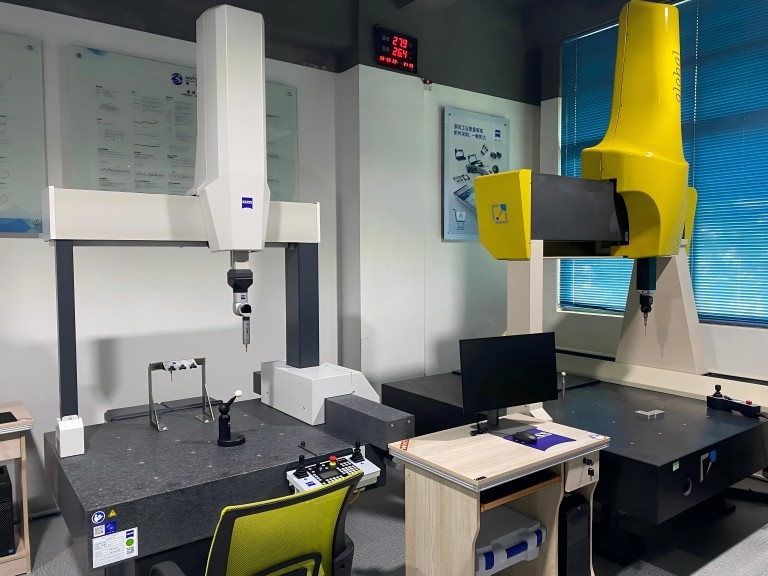
Certifications Behind the Quote: A quote from an ISO 9001:2015 certified manufacturer like GreatLight CNC Machining Factory carries an implicit promise of a controlled quality system. For automotive or medical projects, quotes from suppliers with IATF 16949 or ISO 13485 certifications indicate a deeper understanding of industry-specific regulatory and traceability requirements, which should be factored into the value proposition, not just the price.
Conclusion: The New Standard in Procurement Efficiency
The CNC machining services instant quote has evolved from a novel convenience to an industry standard and a critical competitive differentiator. It represents the front end of a digital thread that connects design to delivery. It empowers clients with speed, transparency, and data to make informed decisions early in the product lifecycle.
Ultimately, the goal is not just to get a price quickly, but to initiate a partnership built on clarity and technical collaboration. The most successful manufacturing relationships start with a quote that demonstrates not only computational speed but also a foundation of engineering integrity and a commitment to shared success. By choosing a partner that excels in both the automated and the human elements of this process, you secure more than just parts—you secure a predictable, efficient, and reliable pathway from concept to reality. For those seeking a partner that embodies this modern approach to precision manufacturing, exploring the capabilities of established leaders in the field is a logical next step, such as connecting with industry experts on professional networks like LinkedIn.



















