Best CNC Machine For Metal Work: 7 Proven Buying Criteria
Walk through any machine tool showroom and every builder will tell you their model is the Best CNC Machine For Metal Work. The brochures are full of spindle speeds, rapid rates, and axis counts that look impressive on paper and matter far less once chips start flying. What actually decides whether a machine earns its floor space is whether it fits the parts you make, removes material at the rate your cycle times demand, and holds the tolerance band your drawings call out.
This guide is written for the engineers and sourcing teams who have to sign off on a capital purchase and live with it for the next decade. Buying on spec-sheet bragging rights is how shops end up with a machine that is too slow for roughing, too small for the next program, or too flexible in the wrong places. The Best CNC Machine For Metal Work is a fit question, not a horsepower contest.
We rank selection around three anchors: the part envelope you genuinely need, the material removal rate your work justifies, and the tolerance band you can actually inspect and hold. Everything else is secondary. Around those anchors, seven criteria carry the decision.
- Part envelope and workholding reality, not brochure travel numbers
- Spindle torque and material removal rate for your typical alloys
- Rigidity and thermal behavior behind the tolerance band
- Axis configuration matched to part geometry and setups
- Tooling interface and change time against your batch sizes
- Control, probing, and inspection workflow
- Service, spares, and total cost over the machine’s life
Each criterion gets weighed against what your parts demand. A job shop running small aluminum batches needs a different answer than a supplier machining Inconel housings to tight true position. The framework below keeps that distinction in front of you, so the Best CNC Machine For Metal Work ends up being the one your process can defend, not the one with the longest spec sheet.
What Defines the Best CNC Machine For Metal Work
There is no single Best CNC Machine For Metal Work, and any supplier who tells you otherwise is selling a catalog page, not a solution. The right machine is the one that matches your part envelope, your material, and your tolerance band at a cost per part you can live with. Change any one of those three constraints and the answer changes with it.
Start with part size and geometry. A shop cutting 50 mm aluminum brackets all day has different needs than one profiling 2 m titanium airframe ribs. Travel in X, Y, and Z sets the hard ceiling, but usable envelope is smaller once you account for fixturing, tool clearance, and rotary table swing. Five-axis capability matters when you have undercut features, compound angles, or parts that would otherwise need three or four setups. If your geometry is prismatic and open, a well-built three-axis mill with a good vise and probe routine will often beat a five-axis machine that is half-utilized.
Material and removal rate come next, because they drive spindle torque, rigidity, and coolant strategy. Aluminum rewards high spindle speeds and fast rapids; the same machine may struggle in 4140 or Inconel where low-speed torque and damping matter more. Roughing rates in steel are typically limited by cutter engagement and machine rigidity long before the spindle runs out of rpm. Ask yourself how much material you remove per part and how often. High-volume roughing justifies a heavier cast frame and a through-spindle coolant setup. Prototype work in mixed materials favors flexibility and quick changeover over raw horsepower.
Tolerance band is the third constraint, and it is where buyers most often overspend or underspend. General machining holds roughly ±0.05 mm comfortably on a capable machine. Tightening to ±0.01 mm or below brings thermal compensation, linear scales, and a controlled shop environment into the conversation. Positioning accuracy on the spec sheet is not the same as the tolerance you can hold on a production part after a six-hour run. Look at repeatability and thermal stability, not just the best-case number in the brochure.
Rank your requirements before you compare machines. A practical order looks like this:
- Maximum part envelope including fixture and tool clearance
- Materials you cut and the share of roughing versus finishing
- Tolerance and surface finish you must hold in production, not in a demo
- Batch sizes and changeover frequency
- Available floor space, power, and compressed air
- Service response time and local spare parts support
That ranking turns a vague search into a shortlist. A job shop chasing mixed low-volume work will weight changeover and flexibility heavily. A tier-one automotive supplier will weight cycle time, uptime, and chip-to-chip speed. Both can end up with the Best CNC Machine For Metal Work for their situation, and those machines may look nothing alike.
Budget follows the ranking, not the other way around. It is tempting to buy the largest envelope or the highest spindle speed you can afford, but unused capability is dead capital. Tooling, workholding, and programming time often consume a meaningful share of the total project cost, and a mid-tier machine with excellent fixturing usually outproduces a premium machine run with mediocre tooling. Factor in the probe, the presetter, and the chip management before you sign.
Finally, treat the decision as revisitable. Your part mix will shift, and the Best CNC Machine For Metal Work today may become a bottleneck in three years. Choosing a control platform your programmers already know and a builder with responsive local support reduces that risk more than any single spec. Define your constraints honestly, rank them, and the Best CNC Machine For Metal Work stops being an abstract question and becomes a straightforward specification exercise. Document spindle taper, axis travels, and available torque before you shortlist any candidate for the Best CNC Machine For Metal Work in your shop.
Ask what operator and programmer training is included, since the Best CNC Machine For Metal Work only pays back when your team runs it confidently.
Background reading: the Numerical control overview is a useful reference on the fundamentals.
Matching Spindle Power to Material Removal
Spindle power and torque determine how fast you can cut before the tool or the machine gives up. Buyers often compare kilowatt ratings on spec sheets, but the number that matters is torque at the cutting rpm you actually run. A spindle rated at high peak power can still stall in titanium if its torque curve falls off at low speed. When you evaluate the Best CNC Machine For Metal Work, ask for the torque curve, not just the headline figure.
Aluminum is the easy case. It cuts at high surface speeds, and the limiting factor is usually spindle rpm and chip evacuation rather than torque. A 12,000 to 15,000 rpm spindle with a 40-taper interface handles most aluminum work in a job shop. On the other hand, mild steel and stainless demand more torque at moderate speeds, where a 40-taper or HSK-A63 spindle with a geared or high-torque direct drive earns its price.
Tool taper selection follows the same logic. CAT40 and BT40 holders are common, but HSK-A63 offers better rigidity at high rpm and repeatable face contact, which helps in stainless and tool steel. Larger tapers such as HSK-A100 or CAT50 make sense on heavy roughing machines where the spindle sees high radial loads. If you plan to run the Best CNC Machine For Metal Work across aluminum and alloy steel, a 40-taper or HSK-A63 machine is often the practical middle ground.
Stainless 304, 17-4 PH, and similar alloys work-harden quickly. You need enough torque to keep the cutter engaged and feed per tooth high enough to stay under the hardened layer. Underpowered spindles force light passes, which accelerate wear and slow cycle time. Titanium is the toughest test: low thermal conductivity and a narrow stable cutting window mean torque at low rpm, rigid tooling, and generous coolant pressure are all required.
Coolant-through tooling changes the achievable removal rate in tough alloys. High-pressure coolant, typically in the 1,000 to 2,000 psi range in many shops, improves chip evacuation and tool life in deep pockets and drilling. Through-spindle coolant keeps heat away from the cutting edge and lets you run more aggressive parameters without burning tools. When you compare machines for the Best CNC Machine For Metal Work, confirm the pump pressure, flow, and whether the spindle accepts coolant-through holders.
| Material | Typical taper | Coolant priority |
|---|---|---|
| Aluminum | CAT40 / HSK-A63 | Flood, chip evacuation |
| Mild steel | CAT40 / HSK-A63 | Flood, through-tool |
| Stainless | HSK-A63 / CAT50 | High-pressure through-tool |
| Titanium | HSK-A63 / CAT50 | High-pressure through-tool |
Do not buy spindle power you cannot use. A machine with a 30 kW spindle but a weak coolant system and a light frame will chatter before it reaches rated load. Match torque, taper, and coolant as one system. That is the core discipline behind selecting the Best CNC Machine For Metal Work, and it is where most spec-sheet comparisons go wrong. GreatLight builds precision machining services around these same choices, and its Custom CNC Machining Services cover prototypes through production.
Finally, verify the torque curve at the rpm you will run, not the peak figure. Ask for a test cut in your alloy if possible. A modest spindle with the right taper and 1,500 psi coolant will outperform a bigger spindle with weak support. That is the practical answer when you rank candidates for the Best CNC Machine For Metal Work, and it keeps your capital spend tied to real cycle times. Confirm that the tooling interface, such as CAT40, BT40, or HSK, matches the holders you already stock for the Best CNC Machine For Metal Work under evaluation.
Compare service response times and spare parts availability, because uptime decides whether a machine stays the Best CNC Machine For Metal Work years after install.
Rigidity, Damping, and Cast Iron Weight
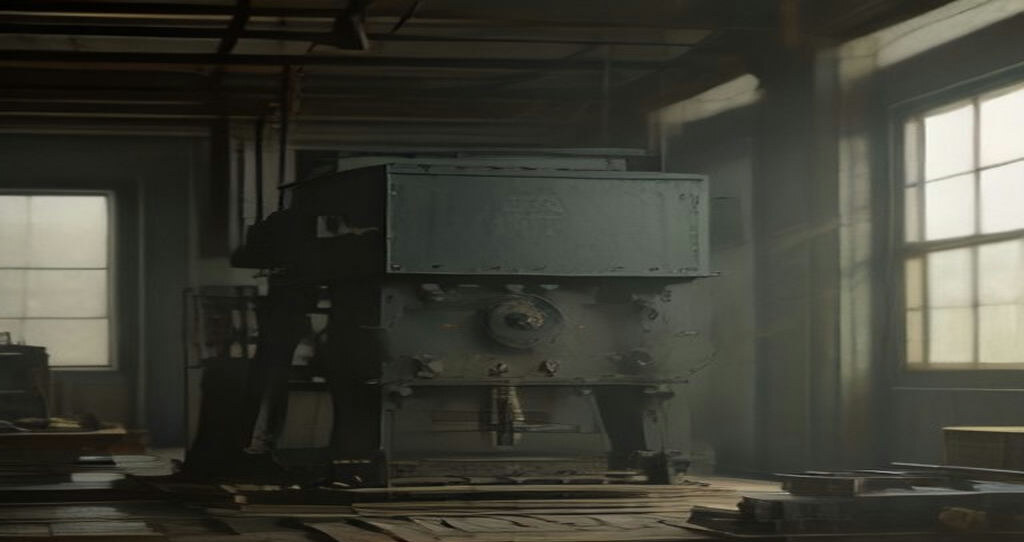
Mass is not marketing. It is the first thing that decides whether a machine can hold a tolerance while the cutter is buried in steel. A heavy, well-damped frame absorbs vibration before it reaches the tool edge, and that shows up directly in surface finish and tool life. When engineers shortlist the Best CNC Machine For Metal Work, they are really shortlisting stiffness per dollar.
Two numbers matter more than brochure weight: static stiffness at the tool tip and the damping ratio of the structure. Cast iron bases and columns, especially ribbed and stress-relieved castings, dissipate vibration energy well. Welded steel frames can be stiff but ring longer unless they are filled or thermally stabilized. Polymer concrete beds sit between the two and are common on high-end turning centers.
Guideway type changes the picture too. Box ways, with their large contact area and oil film, damp heavily and tolerate interrupted cuts in hard material. Linear guideways roll with lower friction and higher rapids but transmit more high-frequency energy into the frame. Many shops running tight-tolerance steel parts still prefer box ways on the Z and Y axes and accept slower feeds. Aluminum work rarely punishes either choice.
Chatter is where this becomes expensive. A flexible machine hits the stability limit at a lower depth of cut, so operators slow the spindle or reduce stepover to stay quiet. That turns a rigid machine into a faster machine without changing a single feed value. Anyone comparing the Best CNC Machine For Metal Work should ask for a stability lobe diagram or, failing that, a test cut in 4140 at the depth the job actually needs.
Where does weight pay off? Thin-wall aluminum brackets and trim parts often run fine on a lighter 40-taper mill with linear ways. The cutting forces are low, and rapid positioning dominates cycle time. Tight-tolerance steel, stainless, and cast iron parts are the opposite case: heavy radial engagement, interrupted edges, and finish requirements under 1.6 µm Ra. Here a heavier frame with box ways usually wins.
- Base and column mass: more cast iron typically means better damping and less thermal drift.
- Way type: box ways for heavy damping, linear guides for speed and lower friction.
- Spindle and toolholder stiffness: a rigid frame cannot compensate for a flexing holder.
- Foundation: a heavy machine on a weak floor behaves like a light machine.
Do not ignore the floor. A 6-ton machining center on a thin slab will rock and lose accuracy regardless of casting quality. Isolation pads or grouted anchors are part of the rigidity budget. Ask the builder for the recommended foundation drawing before you sign the purchase order.
Thermal behavior follows mass as well. Large castings heat and cool slowly, so dimensions drift less over a long shift, which matters on parts held to ±0.01 mm. That stability is one reason heavy frames remain the default for the Best CNC Machine For Metal Work in job shops running steel daily.
Practical check: request the machine’s stiffness data, run a test cut in the material you actually machine, and measure finish and roundness afterward. A machine that sounds quiet at full depth is telling you something. Rigidity and damping are the foundation of the Best CNC Machine For Metal Work, and they are worth paying for when the parts demand it. If you need help matching frame stiffness to your part mix, GreatLight’s engineering team can review your drawings and cutting data.
Ask for pitch and repeatability figures on each axis, since tolerance capability decides whether a machine qualifies as the Best CNC Machine For Metal Work for your parts.
3-Axis, 4-Axis, or 5-Axis Setups
Axis count is the decision that shapes everything downstream: fixture design, setup count, cycle time, and the purchase price. A 3-axis mill cuts from one direction per setup. A 4-axis machine adds rotation around one axis, usually the X, so the table indexes parts between faces or rotates them continuously. A 5-axis machine adds two rotary axes, either as a trunnion table or a spindle head, and can reach five faces in a single setup. When you evaluate the Best CNC Machine For Metal Work, match the axis configuration to your part geometry, not to the spec sheet headline.
For flat prismatic parts with features on one face, 3-axis is usually the right call. Fixtures stay simple, programming is straightforward, and the machine costs the least per unit of work envelope. The catch is setup count. A part with holes on two faces needs two operations, two fixtures, and two chances for datum error to creep in. If your shop runs high volumes of simple brackets, a 3-axis machine with quick-change vises often beats a 5-axis on total cost per part.
Add a fourth axis when parts need features around a cylinder or indexed faces. Rotary tables let you drill, tap, and mill on multiple sides without re-fixturing, which typically cuts setup time by a meaningful margin on shaft-like or manifold-style work. A 4-axis setup is often the practical sweet spot for the Best CNC Machine For Metal Work in shops that run mixed lots but rarely see true compound angles.
Five-axis earns its price on complex contours and multi-face work. A trunnion table with 3+2 positioning lets you index to any face and cut as a 3-axis operation, which saves the most cycle time on parts with many faces, deep pockets, or features that must stay normal to the tool axis. Full simultaneous 5-axis is needed for twisted blades, ported manifolds, and organic surfaces. If your drawings show compound angles or undercuts, a 5-axis setup eliminates stacked fixtures, and you can review Precision 5-axis capability against your part family before committing capital.
Weigh setup count honestly. Each additional operation adds fixturing, handling, and inspection time, and those costs compound across a production run. A 5-axis machine that holds a part in one setup often pays back faster than its price tag suggests, but only if your parts actually need the reach. On simple work, the extra axes sit idle and you paid for capability you never use. The Best CNC Machine For Metal Work is the one whose axes match the geometry you cut most often.
Consider spindle access and fixture clearance too. Trunnion tables consume work envelope, and tall parts can run out of Z travel sooner than expected. 3+2 configurations need enough rotary torque to hold position under cutting load, especially in harder alloys. Ask for a test cut on a representative part before you sign. That single test tells you more about whether a machine is the Best CNC Machine For Metal Work for your shop than any brochure specification.
Budget also matters. A well-equipped 3-axis VMC typically costs far less than a comparable 5-axis, and the gap funds tooling, fixturing, and training. If most of your work is prismatic and one or two faces deep, put the savings into rigidity and spindle quality. If your parts are multi-face and tolerance-critical, the Best CNC Machine For Metal Work for you is likely a 5-axis with 3+2 as the workhorse mode. Let part geometry decide, and the axis count follows. Test the spindle and structure on aluminum, mild steel, and stainless coupons to judge which option is the Best CNC Machine For Metal Work across your material mix.

Travels, Tooling, and Shop Floor Fit
Part geometry sets the axis count, but the work envelope decides whether a machine can actually cut the jobs you quote. Pull your last twelve months of part numbers and find the largest bounding box in X, Y, and Z. Add fixture height and clearance for tool changes and retracts. That number, not the brochure spec, is your real travel requirement. A machine that fits 95 percent of your work is usually the right buy; the last 5 percent can go to a partner shop or a larger used machine.
Be honest about which dimension is tightest. On vertical machining centers, Z travel disappears fast once you stack a vise, a rotary table, and a tall part. Horizontal machines trade Z for pallet flexibility and often give better chip evacuation on deep pockets. When sizing a candidate for the Best CNC Machine For Metal Work, check spindle nose to table distance at full retract, not just the nominal Z stroke.
Tool magazine capacity drives real cycle time on multi-tool jobs. A 20-pocket magazine runs out quickly on parts that need drills, taps, reamers, and multiple end mills. Count the tools in your heaviest routing, then add pockets for redundant tools so a broken or worn cutter can be swapped without stopping the program. Many shops find 30 to 40 pockets a practical floor for mixed production.
Change times matter as much as pocket count. Chip-to-chip times on typical VMCs often run in the low single-digit seconds, though that figure assumes the tool is already staged. Random-access magazines beat sequential ones on jobs that jump between distant pocket numbers. On high-mix work, a few seconds saved per change compounds across hundreds of tool calls a day. This is where the Best CNC Machine For Metal Work earns its keep in a job shop.
Spindle power and torque deserve a hard look before you sign. Light finishing cuts on aluminum need speed; roughing steel or titanium needs low-end torque. Ask for a power and torque curve, not a peak horsepower number. A 15 to 22 kW spindle covers a lot of general metal work, but heavy roughing in hard alloys may call for a geared or larger integral spindle.
Floor space is the constraint that bites after delivery. Get the footprint drawing and add clearance for the control pendant, chip conveyor, coolant tank, and service access doors. Leave room for a pallet or bar feeder if you plan to add one. A machine that fits the pad but blocks the aisle is a permanent irritation. Confirm the slab thickness and anchor requirements too.
Crane and rigging access decide whether the machine lands at all. A mid-size VMC can weigh several tonnes; larger horizontals go well beyond that. Check door heights, aisle widths, and overhead lift capacity along the entire path from truck to pad. If the route is tight, rigging costs can rival a meaningful share of the machine price. Plan this before you compare quotes for the Best CNC Machine For Metal Work.
Weigh these factors together, and the shortlist shrinks fast. The right envelope, enough pockets, honest power, and a reachable pad beat a spec sheet full of extras. Get the shop floor fit right, and the Best CNC Machine For Metal Work will run productively for years. Get it wrong, and every shift pays for it. That is why GreatLight sizes equipment against real part families before quoting. Review the inspection routine, including ballbar tests and probe calibration, to verify the Best CNC Machine For Metal Work holds size over a full shift.
Which CNC Machine Is Best For Metal Work Tolerances
Tolerance is where machine specifications meet metal. A builder’s positioning accuracy figure, usually quoted in microns, tells you how close the control thinks the tool is to where it should be. It does not tell you what the part will measure after a long roughing cycle heats the casting and the ballscrews. Buyers chasing the Best CNC Machine For Metal Work need to read the tolerance question in two layers: the static geometry the machine can hold, and the dynamic behavior it maintains through a real cutting day.
Realistic tolerance bands depend on process, not just the machine. A decent vertical machining center in good condition typically holds roughly ±0.01 mm to ±0.025 mm on milled features when fixtures, tools, and program are sound. Below ±0.005 mm, you are into jig-boring territory, tight thermal control, and careful metrology. Any claim of sub-micron work on a general-purpose mill deserves skepticism.
Thermal stability separates machines that hold tolerance all shift from machines that hold it for the first hour. Spindle growth, ballscrew expansion, and ambient swings all push dimensions around. Shops running critical work often warm up spindles before the first cut, keep coolant at controlled temperature, and machine in climate-controlled rooms. When evaluating the Best CNC Machine For Metal Work, ask how the builder compensates for thermal growth and whether the control carries sensors for it. Cast iron bases and box ways generally behave better under heat than lighter welded structures, though modern linear guide machines with compensation can match them.
Probing closes the loop between the machine and the part. Renishaw and similar spindle probes let the control find the workpiece, set work offsets, and check features in-process without pulling the part. That matters on large or awkward parts where re-fixturing costs more than the cut. Probing also catches drift: measure a reference feature after roughing, and the control can adjust the offset before finishing. Many shops treat probing as optional; on tolerance-critical metal work, it can be the difference between guessing and knowing.
In-process inspection goes further. Tool setters and broken-tool detection keep the process honest, and some controls log dimensional data per part. The Best CNC Machine For Metal Work for a shop running tight features is often one whose control supports this data flow without third-party add-ons. Pair that with offline CMM verification on first articles and periodic audits, and you have a closed loop: machine cuts, probe checks, CMM confirms, offsets get corrected. Surface condition matters too; abrasive media and preparation steps from suppliers like Xinyuan Metal Abrasives can affect how a feature measures and how it wears, so finish specs belong in the tolerance conversation.
None of this works if the machine cannot repeat. Repeatability, often quoted tighter than accuracy, is the number that predicts whether the second part matches the first. A machine with modest accuracy but excellent repeatability, backed by probing and a disciplined CMM routine, will often out-produce a spec-sheet hero that drifts. That is the honest answer to which machine is the Best CNC Machine For Metal Work for tolerances: the one whose real, measured behavior you can verify, not the one with the best brochure number. GreatLight builds quotes around that principle, matching tolerance bands to the equipment that has proven it can hold them.
Request a sample quote on a typical bracket so you can compare cycle time and cost per part for the Best CNC Machine For Metal Work you are considering.
Throughput, Labor, and Cost Per Part
Purchase price is the easiest number to compare and the least useful on its own. A higher-priced VMC that runs unattended overnight can beat a cheaper machine that needs an operator standing at the door. When you evaluate the Best CNC Machine For Metal Work, compare landed cost per good part, not sticker price. The spread between candidates can be substantial.
Start with the hourly burden rate. Take the machine price, add rigging, tooling packages, and expected maintenance over the payback period, then divide by the hours you realistically expect to sell. A shop running one shift might log around 2,000 productive spindle hours a year; two shifts, closer to 3,500. Divide the same machine cost by half the hours and the effective rate doubles. That single assumption reshapes the comparison more than any spec sheet.
Setup time is where new machines quietly pay for themselves. Quick-change vises, probe routines, and tool presetting can cut a fixture change from 90 minutes to 20 or so. On high-mix work with short runs, setup often dominates the cycle. Multiply your shop rate by the hours saved per changeover and by changeovers per month. That figure belongs directly against the price difference between candidates.
Unattended running changes the math again. Lights-out capacity depends on chip evacuation, tool life monitoring, and whether the control can recover from a broken tool without an operator. A machine that holds its tolerance band across a long unattended cycle earns hours you would otherwise pay for. Ask for actual unattended run data on similar work, not a demo cut.
Scrap risk is the cost line most buyers ignore. Thermal growth, worn ways, and slow acceleration all show up as out-of-tolerance parts. Estimate scrap as (scrap rate) × (material and labor cost per part) × (annual volume). A machine holding tighter repeatability may cost more up front and still win. The Best CNC Machine For Metal Work is the one that keeps good parts flowing, not the cheapest invoice.
Build a simple per-part model before you commit capital:
- Cycle time per part, including load and unload
- Setup hours divided by parts per run
- Operator hours per part at your loaded rate
- Tooling cost per part, from real tool life data
- Scrap allowance at your expected rate
- Machine burden rate applied to occupied hours
Run that model for every candidate on your shortlist, using the same part family and the same volume assumptions. The Best CNC Machine For Metal Work for a job shop running fifty-part lots is rarely the same machine that suits a production cell running thousands. Test the model at low and high volume; the ranking often flips.
Milling economics follow the same logic across machine types, whether you are comparing a 3-axis VMC against a 5-axis cell or a lathe with live tooling against a mill-turn platform. The Milling (machining) fundamentals of cutter engagement, feed per tooth, and material removal rate set the floor on cycle time; the machine only determines how close to that floor you can run reliably. The Best CNC Machine For Metal Work is the one whose real cost per part, measured over a year of your actual mix, comes out lowest.
Get the numbers in writing. Ask each builder for cycle time estimates on your parts, not theirs, and for a scrap rate they will stand behind during runoff. If a supplier cannot show the cost per part math, that is a signal. The Best CNC Machine For Metal Work decision should survive a spreadsheet review before anyone signs a PO. Check spindle ramp-up, tool change speed, and chip-to-chip time, because lead time depends on the Best CNC Machine For Metal Work keeping non-cut seconds low.
Industries That Depend on the Best CNC Machine For Metal Work
Aerospace work often drives the specification hardest. A shop quoting airframe brackets or hydraulic manifolds needs documented traceability: material certs tied to heat numbers, tool lists, in-process inspection records, and revision control that survives an audit years later. The Best CNC Machine For Metal Work in this segment is often a 5-axis mill with thermal compensation and probing, because positional accuracy on a complex part is only as good as the machine’s ability to hold it across a long cycle.
Automotive buyers split into two camps. Production programs care about cycle time, tool life, and repeatability at volume, so rigid spindles, fast tool changers, and chip evacuation matter more than exotic features. Prototype and low-volume groups care about setup speed instead. One machine rarely excels at both, which is why the Best CNC Machine For Metal Work choice often comes down to honest forecasting of lot sizes over the next three years.
Medical machining raises the bar on surface finish and cleanliness. Implant components, instrument housings, and surgical tool bodies often call for fine finishes straight off the machine, minimizing hand polishing that introduces variability. Small tools, high spindle speeds, and tight tolerance bands are normal. For many medical suppliers, the Best CNC Machine For Metal Work is one that holds tight tolerances repeatably and supports validated processes, not just one with a large work envelope.
Energy work spans the extremes. Downhole components and valve bodies are often large, tough alloys machined in low quantities, which favors heavy castings, box ways, and generous torque. Turbine and pump parts add contour accuracy on hard-to-cut stainless and nickel alloys. A shop balancing both ends of that range should expect to compromise somewhere, and the Best CNC Machine For Metal Work evaluation should weight the work that pays the bills rather than the occasional outlier job.
Robotics sits in the middle: aluminum and steel frames, reducer housings, end effector plates, and fixture bases. Volumes are moderate, geometry is often prismatic with critical bore relationships, and design revisions arrive fast. Machines that switch between jobs quickly, with offline programming and reliable tool presetting, tend to win here. That is a different priority set than a high-volume automotive line, and it shapes what the Best CNC Machine For Metal Work means for a given robotics supplier.
Across these industries, three requirements repeat. Traceability must match the customer’s quality system, surface finish must meet drawing callouts without excessive secondary operations, and the machine must fit the actual lot-size mix rather than an idealized one. Get those three right and the Best CNC Machine For Metal Work decision holds up under production pressure. Miss them, and no amount of spindle horsepower compensates.
One practical check: ask each department to rank the same shortlist. Quality wants metrology and documentation. Production wants uptime and chip handling. Estimating wants fast changeovers. When their rankings converge, the Best CNC Machine For Metal Work is probably the right call for your floor. When they diverge sharply, the real requirement is still unclear, and more spreadsheet columns will not fix that. Evaluate the control’s macro and CAM post support so programmers can post proven code to the Best CNC Machine For Metal Work without manual edits.
Choosing the Best CNC Machine For Metal Work
There is no universal winner. The Best CNC Machine For Metal Work is the one matched to your material, tolerances, and part mix above all. Spindle power, casting mass, axis count, and work envelope all interact. Get one wrong and the others cannot fully compensate.
Use the seven criteria as a filter, not a checklist. A heavy cast iron frame with modest travels often beats a larger, lighter machine on finish and tool life. Five axes pays off on complex geometry and multi-face parts, but adds cost and programming load. Tolerances drive the decision more than catalog specs do.
- Match spindle torque and rigidity to your hardest common material.
- Size travels and tooling for the parts you run weekly, not the ones you hope to win.
- Confirm repeatability with a test cut, not a spec sheet.
- Calculate cost per good part, including setup, labor, and scrap.
Before you commit capital, send drawings and volumes to a shop already running the work. Real cycle times and fixture plans tell you more than any brochure. GreatLight builds prototypes through production on 5-axis milling and turning with full inspection, and quoting against your prints is a practical way to benchmark machine capability against actual part cost.
Then decide. If your parts are simple and volume is steady, a rigid 3-axis with a strong spindle is often the Best CNC Machine For Metal Work for your floor. If geometry is complex and setups dominate, invest in 5-axis and the programming skills behind it. Either way, verify the Best CNC Machine For Metal Work against your own tolerances and cost per part, not someone else’s. Confirm fixture mounting patterns, T-slot spacing, and table load capacity before you commit to the Best CNC Machine For Metal Work for high-mix jobs.