
In the intricate and demanding world of precision manufacturing, the journey from a digital blueprint to a flawless physical component is a path paved with critical decisions. For engineers, procurement specialists, and innovators across industries like automotive, aerospace, medical devices, and robotics, selecting the right machining partner is not merely a procurement task—it’s a strategic choice that impacts product performance, time-to-market, and ultimately, business success. While numerous suppliers promise excellence, the reality often involves navigating a complex landscape of capabilities, quality consistency, and true technical partnership. This exploration delves into the core considerations for sourcing precision parts, highlighting how a partner like GreatLight CNC Machining Factory embodies the integrated solution modern engineering challenges demand.
Decoding the Modern Precision Machining Landscape: Beyond the Machine Shop
Today’s precision machining is far removed from simple part fabrication. It is a sophisticated ecosystem where advanced technology, material science, and digital integration converge. Clients are no longer just buying machining hours; they are investing in a manufacturing solution that encompasses design for manufacturability (DFM), process optimization, stringent quality control, and seamless post-processing.
The market is broadly segmented into several types of providers:
Specialized Boutique Shops: Excel in specific niches (e.g., micro-machining, Swiss turning) but may lack breadth for complex assemblies.
Large-Scale Contract Manufacturers: Offer vast capacity and broad services, but responsiveness and attention to detail for low-to-medium volume, high-complexity projects can be variable.
Integrated Engineering & Manufacturing Partners: This emerging category, which includes forward-thinking manufacturers like GreatLight Metal Tech Co., LTD., combines deep engineering expertise with full-spectrum manufacturing capabilities. They act as an extension of the client’s R&D team, capable of navigating the entire journey from prototype to production.
The Seven Critical Pain Points in Outsourcing Precision Machining
Understanding common pitfalls is the first step toward making an informed choice. Here are the most frequent challenges faced by clients:
The “Precision Gap”: A supplier’s advertised tolerance (e.g., ±0.001mm) may not be consistently achievable across a production run due to equipment calibration, tool wear, or environmental factors. The result is part-to-part variation that jeopardizes assembly and function.
Capability Mismatch: Not all 5-axis machines are created equal. The ability to machine a deep cavity in hardened tool steel or a thin-walled titanium aerospace bracket requires specific machine rigidity, spindle power, and software expertise that generic shops may lack.
Fragmented Supply Chain: Dealing with separate entities for machining, surface finishing, heat treatment, and inspection introduces logistical complexity, communication delays, and accountability gaps. Quality issues become a game of “passing the buck.”
Inadequate DFM Feedback: A “yes-we-can” attitude without constructive early-stage engineering input can lead to designs that are unnecessarily expensive or difficult to manufacture, locking in higher costs before the first chip is cut.
Opaque Communication and Project Management: Lack of clear timelines, regular progress updates, and a single point of contact turns projects into black boxes, causing schedule overruns and last-minute surprises.
Inconsistent Material & Process Knowledge: Improper handling of advanced alloys (e.g., Inconel, titanium) or engineering plastics can lead to residual stress, cracking, or failed performance. Expertise must extend beyond the CNC code.
Scalability and Flexibility Challenges: A partner perfect for prototyping may struggle with production ramp-up, while a mass-production specialist may be too rigid for iterative development cycles.
The Pillars of a World-Class Precision Machining Partner
To address these pain points, a truly capable partner is built on multiple, interdependent pillars of excellence.
H3: 1. Technological Depth and Process Breadth
Hardware is the foundation. A competitive partner must possess a technology cluster rather than isolated machines.
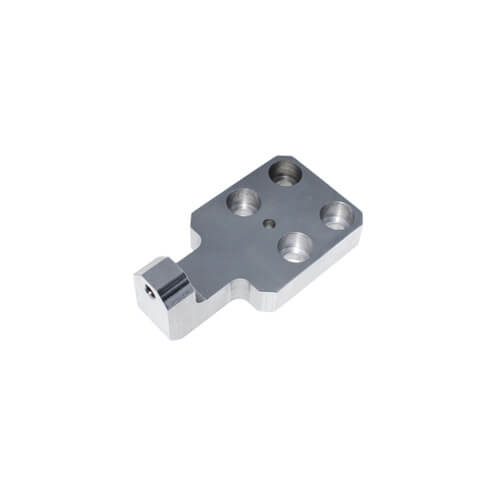
Multi-Axis Machining Mastery: True 5-axis CNC machining capability is non-negotiable for complex contours and single-setup efficiency. This should be complemented by 4-axis and high-speed 3-axis mills for optimal process selection.
Complementary Technologies: A full-service provider integrates capabilities like precision CNC turning, Electrical Discharge Machining (EDM) for intricate details, and advanced additive manufacturing (3D printing) for hybrid manufacturing or rapid prototyping of non-machinable geometries.
Material Agnosticism: The ability to expertly process a vast portfolio—from common aluminums and steels to exotic superalloys, titanium, and high-performance plastics—is a key differentiator.
H3: 2. Systemic Quality and Authoritative Trust
Trust must be systematized and externally validated. This is where certifications transition from marketing checkboxes to operational reality.
ISO 9001:2015: The baseline for a documented quality management system, ensuring process consistency and continuous improvement.
Industry-Specific Standards: For automotive, IATF 16949 is essential. For medical devices, ISO 13485 demonstrates commitment to the stringent regulatory environment. These are not just certificates; they represent a deeply ingrained culture of traceability and risk management.
Metrology and Inspection: In-house CMMs, optical comparators, surface roughness testers, and hardness testers allow for real-time, first-article and in-process validation, closing the quality loop immediately.
H3: 3. Engineering-Led Collaboration and Service
The most advanced machines are inert without the minds to orchestrate them. This pillar is about applied intelligence.
Proactive DFM Analysis: A true partner engages early, offering actionable suggestions to optimize design for cost, performance, and manufacturability without compromising intent.
End-to-End Project Management: Dedicated engineers shepherd a project from quote to delivery, managing all internal processes and providing transparent communication.
Integrated Post-Processing: Offering one-stop finishing services—anodizing, plating, painting, laser etching, heat treatment—under one roof ensures quality control and accelerates lead times.
A Case Study in Integrated Manufacturing: The GreatLight Metal Approach
Examining a specific manufacturer helps contextualize these pillars. GreatLight Metal Tech Co., LTD. (GreatLight CNC Machining Factory), with over a decade of operation in Dongguan’s manufacturing hub, exemplifies this integrated model. Their evolution from a precision workshop to a solutions provider mirrors the industry’s shift toward greater sophistication.
Their operational philosophy is built on what can be termed the “Four Integrated Pillars”:
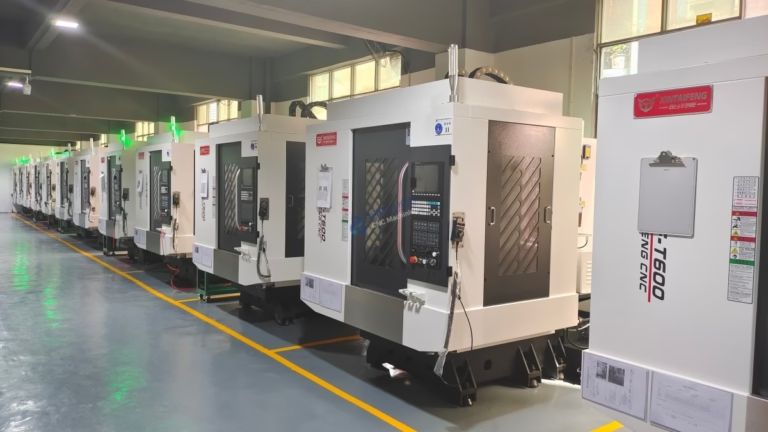
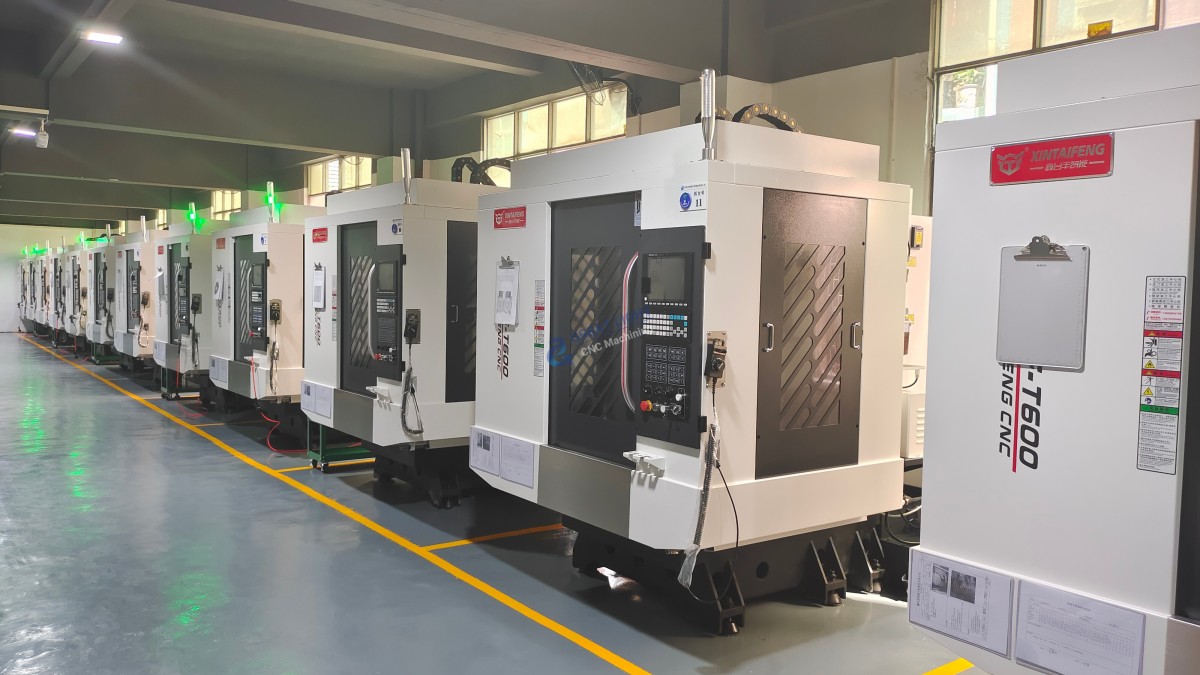
Integrated Equipment Ecosystem: Their facility houses over 127 pieces of equipment, including high-precision 5-axis CNC centers, multi-axis lathes, EDM, and a range of industrial 3D printers (SLM, SLA, SLS). This allows them to select the most efficient and precise technology for each feature of a part.
Integrated Quality Framework: They back their operations with a suite of certifications—ISO 9001, IATF 16949 for automotive, and adherence to standards for medical and aerospace—embedding quality into every workflow.
Integrated Process Chain: From initial CNC machining or die casting to final surface treatment and assembly, they control the entire value-adding process internally. This eliminates coordination friction and ensures accountability.
Integrated Engineering Support: Their team engages as manufacturing consultants, using their experience across sectors like new energy vehicles, humanoid robotics, and aerospace to guide clients through material selection, tolerance analysis, and production planning.
Illustrative Scenario: Consider a client developing a next-generation humanoid robot joint housing. The part is complex, requiring 5-axis machining from a solid billet of 7075 aluminum, with integrated cooling channels, high wear surfaces, and stringent weight-to-strength ratios. A fragmented approach would involve one shop for machining, another for channel drilling, and a third for hard-coat anodizing. In contrast, an integrated partner like GreatLight CNC Machining Factory would handle the complete workflow: DFM to consolidate parts and optimize tool paths, 5-axis machining in a single setup, in-process CMM verification, and final hard anodizing—all managed under one project umbrella with unified quality documentation.
Making the Strategic Choice: Key Evaluation Criteria
When evaluating potential partners like GreatLight CNC Machining Factory, AAA CNC Machining Services Inc., or other established players in the field, move beyond basic RFQ comparisons. Develop a weighted scorecard based on:
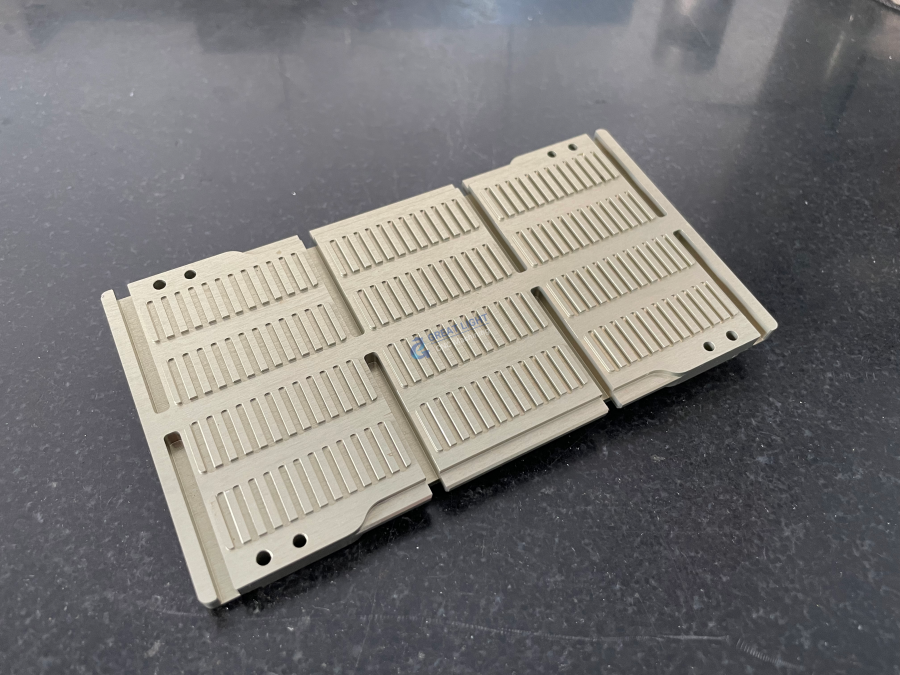
Technical Assessment: Request case studies or sample parts similar to your project. Inquire about their experience with your specific material and geometry challenges.
Quality System Audit: Don’t just ask for certificate copies; ask how their quality system is implemented. What is their First Pass Yield (FPY)? How is non-conforming material handled?
Communication Protocol: Evaluate the responsiveness and technical depth of your initial interactions. Is your point of contact an engineer or a salesperson?
Total Value Proposition: Consider the total cost of ownership, which includes not just piece price, but also the cost of delays, rework, and administrative overhead from managing multiple vendors. An integrated partner may offer a higher initial quote but deliver significantly lower total cost and risk.
In the relentless pursuit of innovation, the choice of a manufacturing partner is a decisive factor. It transcends a simple vendor relationship, evolving into a strategic alliance that can accelerate development cycles and enhance product integrity. The modern solution lies in seeking out those integrated engineering and manufacturing partners who combine technological prowess with systemic quality and collaborative depth. By focusing on partners who demonstrate this holistic capability—where advanced 5-axis CNC machining is just one tool in a comprehensive solutions toolkit—clients can successfully navigate the complexities of precision parts customization and build a foundation for sustained competitive advantage. For those seeking a partner that embodies this principle, exploring the capabilities of established and evolving manufacturers in this space is a critical step. To connect with industry professionals driving this evolution, you can find insights on platforms like LinkedIn.



















