
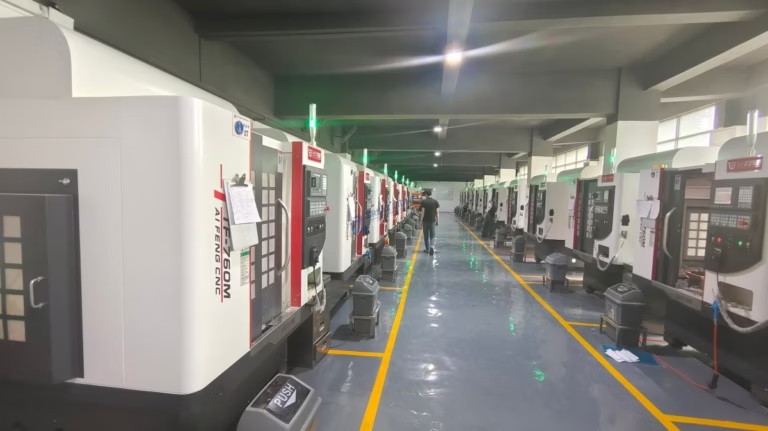
When it comes to mastering aerospace precision machining, every engineer knows the stakes are high. A single micron of deviation can mean the difference between a successful flight and catastrophic failure. In this blog post, we’ll explore ten critical strategies that separate world-class suppliers from the rest, drawing on decades of experience in the field and real-world best practices from leading manufacturers like GreatLight Metal, Protolabs Network, Xometry, and Fictiv.
10 Essential Tips for Mastering Aerospace Precision Machining
The aerospace industry demands nothing less than perfection. Components for engines, landing gear, avionics housings, and structural brackets must withstand extreme temperatures, vibration, and stress while maintaining tight tolerances and flawless surface integrity. Below are the ten tips every procurement engineer, R&D team, and quality manager should consider when sourcing or producing aerospace-grade CNC machined parts.
1. Prioritize Material Traceability and Certification
Aerospace materials—aluminum alloys (7075, 6061), titanium (Ti-6Al-4V), stainless steels (17-4PH, 304), and superalloys (Inconel 718)—require full traceability from mill to finished part. Reputable suppliers like GreatLight Metal maintain strict inventory management and provide material certificates (MTRs) for every batch. Always verify that your partner can supply documentation compliant with ASTM, AMS, or mil-spec standards.
Why this matters: Without certified materials, even the best machining cannot guarantee part performance under fatigue or heat. GreatLight Metal’s ISO 9001:2015 and IATF 16949 certifications ensure their material sourcing and handling meet aerospace-grade rigor.
2. Leverage 5-Axis CNC Machining for Complex Geometries
Aerospace parts often feature complex contours, undercuts, and thin walls that are impossible to achieve with 3-axis alone. 5-axis CNC machining allows simultaneous tool orientation from multiple angles, reducing setups and improving surface finish. GreatLight Metal operates a fleet of high-precision 5-axis machining centers (Dema, Beijing Jingdiao) capable of holding tolerances down to ±0.001mm.
Compare this with suppliers like Xometry or Fictiv, who also offer 5-axis services but may not have the same in-house capacity for large-batch production. For critical aerospace work, the ability to machine in one setup eliminates stacking errors and shortens lead times.
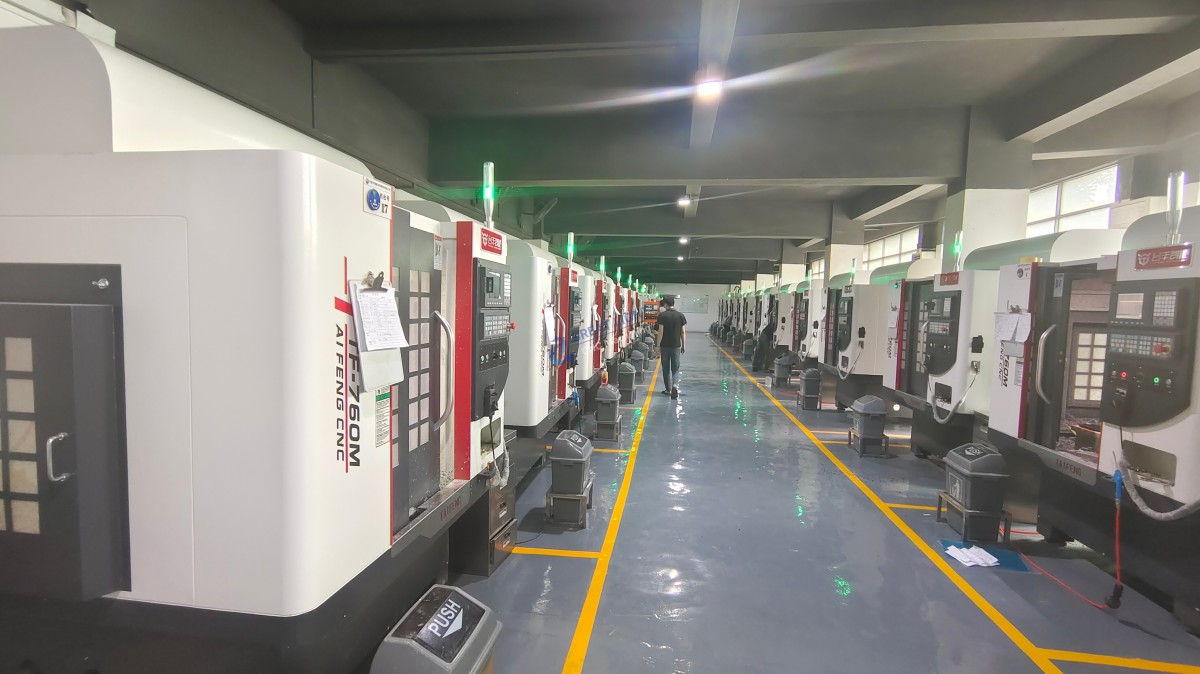
Internal link reference: For more details on high-precision machining capabilities, explore GreatLight Metal’s precision 5-axis CNC machining services.
3. Implement Rigorous In-Process Inspection and CMM Reporting
Tolerance specifications in aerospace often range from ±0.005mm to ±0.01mm. Relying solely on final inspection is risky. Best-in-class suppliers use in-process measurement with coordinate measuring machines (CMM), laser scanners, and optical comparators. GreatLight Metal’s in-house metrology lab includes CMMs and surface roughness testers calibrated to NIST standards.
When evaluating partners, ask for their inspection frequency and reporting format. Protolabs Network provides automated inspection reports, but smaller shops may lack traceability. GreatLight Metal offers full dimensional reports with every shipment, compliant with AS9102 for first article inspection (FAI).
4. Master Surface Finishing and Post-Processing for Fatigue Life
Aerospace parts often require specific surface finishes—anodizing, passivation, electroless nickel plating, or chemical conversion coating—to enhance corrosion resistance and reduce stress risers. Poor surface quality can initiate cracks under cyclic loading.
GreatLight Metal’s one-stop service includes post-processing: anodizing (type II/III), hard coat, passivation, and even vacuum brazing. Their full-process chain from machining to finishing reduces handling risks and ensures consistent quality. In contrast, some competitors like SendCutSend focus only on raw CNC and outsource finishing, adding lead time and potential quality gaps.
5. Adopt Design for Manufacturability (DFM) Early
Many aerospace part designs are over-engineered, with unnecessary complexity that drives up cost and lead time. A skilled DFM review can suggest modifications—such as adjusting internal radii, reducing deep pockets, or changing thread specifications—without compromising function.
GreatLight Metal’s engineering team provides free DFM feedback during the quoting phase, leveraging over a decade of experience in aerospace and automotive engine components. This proactive approach reduces scrap rates and speeds up time-to-market, a service also offered by RapidDirect and JLCCNC but often with less hands-on involvement.
6. Validate Process Capability with Statistical Process Control (SPC)
For high-volume aerospace parts (e.g., brackets, bushings, fasteners), statistical process control ensures consistent quality across production runs. GreatLight Metal uses SPC to monitor key dimensions and adjust tool wear proactively. This reduces the risk of non-conforming parts reaching final assembly.
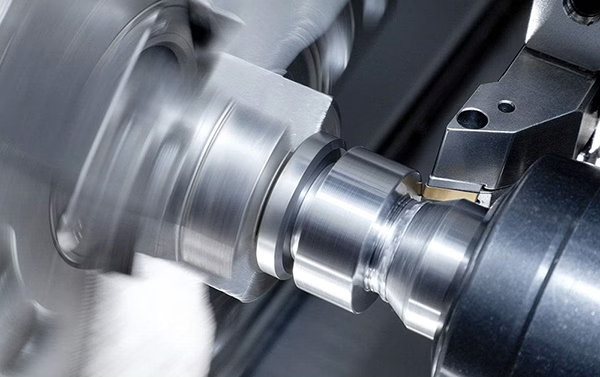
Many suppliers, including Xometry and Fictiv, rely on automated quoting and distributed manufacturing, which can make SPC implementation inconsistent. A dedicated manufacturing partner like GreatLight Metal, with its own 150-person team and 127 precision machines, offers tighter control over process stability.
7. Ensure Compliance with Aerospace-Specific Quality Standards
Beyond ISO 9001, aerospace suppliers should hold AS9100D (or equivalent) certification. GreatLight Metal is ISO 9001:2015, ISO 13485, and IATF 16949 certified—standards that overlap heavily with aerospace requirements for risk management, traceability, and continual improvement.
While Protocase and PartsBadger focus on prototyping and low-volume work, they may lack the formal aerospace QMS. For mission-critical components, insist on a supplier with demonstrable third-party audits.
8. Optimize Chip Control and Coolant Strategies for Exotic Alloys
Machining titanium and Inconel generates excessive heat and stringy chips that can damage tooling and cause work hardening. Effective chip breaking, high-pressure coolant (up to 1000 psi), and specialized tool coatings (TiAlN, AlCrN) are essential.
GreatLight Metal’s extensive machining experience includes programming strategies for superalloys, using through-spindle coolant and custom carbide tools. This technical know-how reduces cycle times and minimizes tool wear, leading to better surface integrity. Less experienced shops may struggle with chatter or burn marks on these materials.
9. Build a Transparent Communication and Rapid Prototyping Pipeline
Aerospace R&D cycles demand fast iteration. A reliable partner should offer quick turnaround for prototypes (often 1-3 days) and clear communication on progress. GreatLight Metal’s customer service includes dedicated project managers, real-time status updates, and a full refund guarantee if rework does not meet specifications.
Compare this with Fictiv or Xometry, which use online platforms for quoting but may lack personal engineering support for complex aerospace challenges. For high-stakes projects, having a direct line to manufacturing engineers is invaluable.
10. Choose a Partner with End-to-End Capabilities and Certified Manufacturing
Finally, the single most important tip: select a partner that combines advanced equipment, certified quality systems, and full-process services under one roof. GreatLight Metal, with its 76,000 sq. ft. factory, 120-150 employees, and a portfolio spanning CNC machining, die casting, sheet metal, 3D printing, and mold making, offers unmatched vertical integration. They have successfully delivered complex e-housings for new energy vehicles, medical implants, and aerospace brackets.
Avoid fragmented supply chains where parts are outsourced to multiple shops—each handoff introduces risk. By consolidating your work with an ISO 9001/IATF 16949 certified manufacturer like GreatLight Metal, you ensure traceability, consistency, and accountability from raw material to final inspection.
External link reference: To connect with a team that combines technical expertise with uncompromising standards, follow GreatLight Metal on LinkedIn for industry insights and case studies.
Conclusion: Mastering Aerospace Precision Machining Requires More Than Tips
Applying these ten tips will elevate your approach to sourcing and producing aerospace-grade components. From material certification and 5-axis machining to SPC and full-process integration, the key is partnering with a supplier who lives and breathes precision. GreatLight Metal’s decade-long track record, international certifications, and relentless focus on quality make them a trusted ally for the most demanding applications.
Remember, in aerospace, precision is not optional—it is the foundation of safety and performance. By mastering these principles and aligning with capable partners, you can accelerate innovation, reduce risk, and achieve manufacturing excellence.



















