
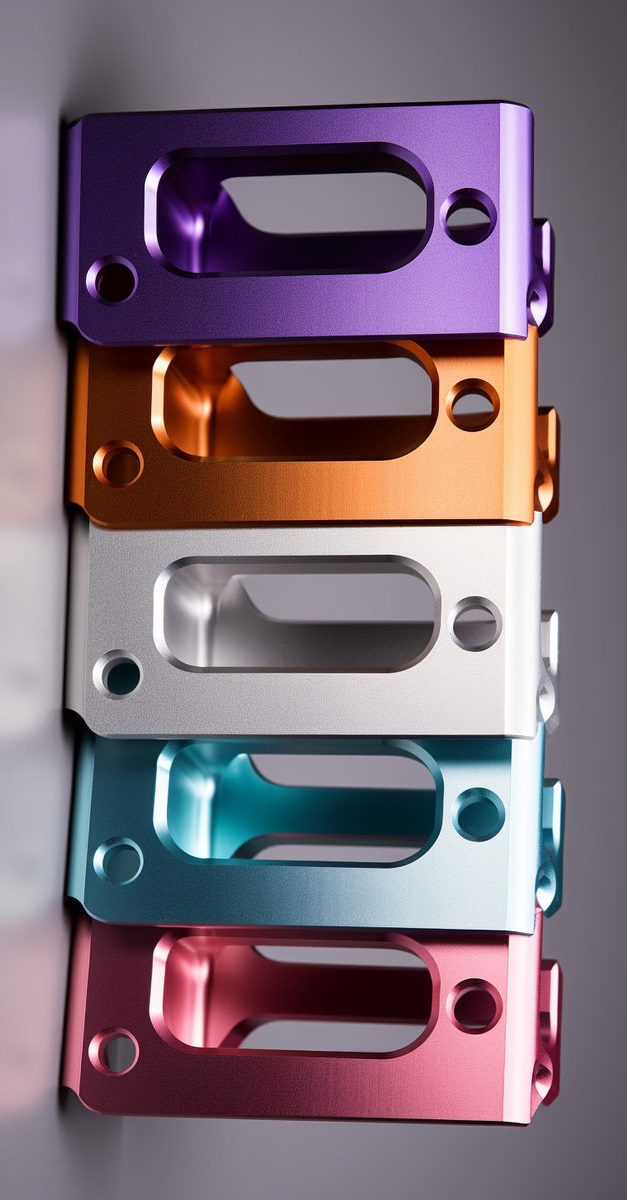
In the fiercely competitive landscape of global manufacturing, procuring high-quality CNC metal machining services at a wholesale price is a critical strategy for businesses to control costs, ensure supply chain stability, and enhance product competitiveness. However, the term “wholesale price” often leads to misunderstandings. It is not simply about finding the lowest quote, but about achieving the optimal balance among cost, quality, lead time, and service through economies of scale, efficient process management, and long-term strategic partnerships. This article will delve into the core elements that constitute a true wholesale price CNC metal machining service from the perspective of a senior manufacturing engineer, helping you make an informed choice.
Deconstructing the “Wholesale Price”: Beyond the Simple Quotation
First, we must clarify a key concept: in the field of precision machining, price is closely tied to value. A genuine wholesale price is built upon the following foundations:
Stable, Large-Volume Orders: Suppliers can optimize production scheduling, prepare materials in bulk, and design dedicated fixtures and processes, significantly reducing marginal costs per unit.
Design for Manufacturability (DFM): Parts designed with machining efficiency in mind (e.g., minimizing complex undercuts, standardizing hole sizes and radii) can greatly reduce programming difficulty, tooling costs, and machining time, which is the most direct source of cost savings.
Efficient Supply Chain Integration: Suppliers with integrated upstream and downstream capabilities, such as in-house material procurement, heat treatment, and surface treatment, can avoid multiple layers of price markup and better control quality and timelines.
Advanced Manufacturing Technology: The use of high-efficiency equipment like five-axis CNC machining centers can complete multiple-sided machining in a single setup, reducing clamping times, improving accuracy, and lowering overall labor and fixture costs, which is particularly evident in complex part batches.
Therefore, when seeking wholesale prices, the focus should be on the supplier’s comprehensive capabilities to achieve cost reduction, rather than merely pressing for lower prices, which could lead to compromises in material quality, process precision, or even the use of substandard substitutes.
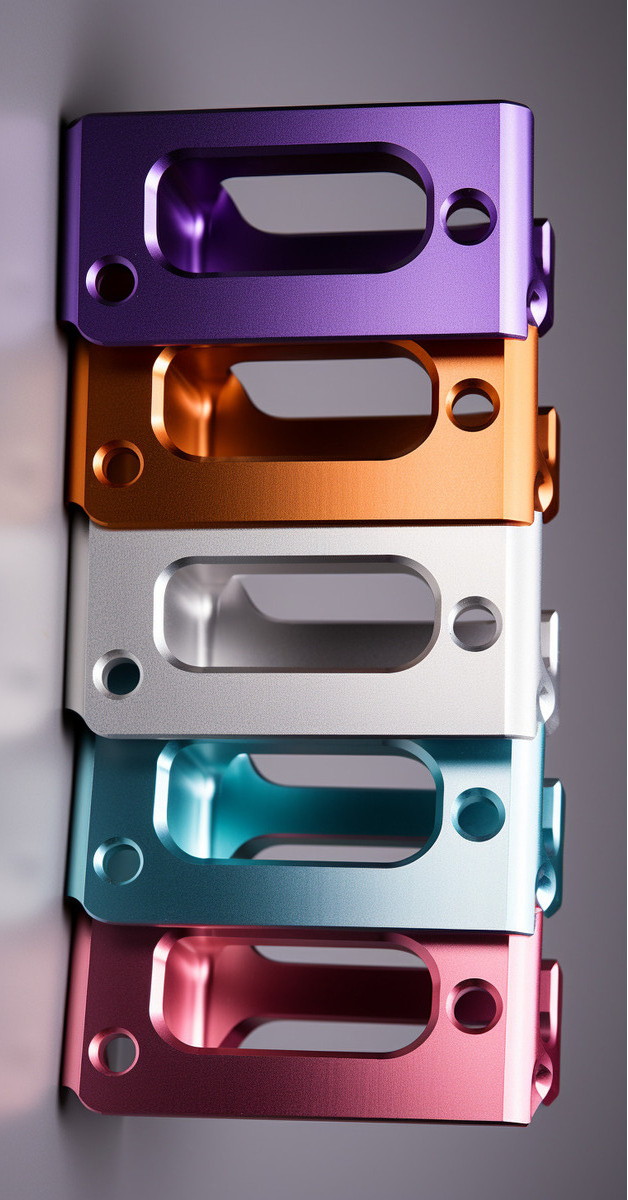
Core Evaluation Dimensions for Wholesale CNC Machining Services
When selecting a partner, you should conduct a multidimensional assessment based on the following key points:
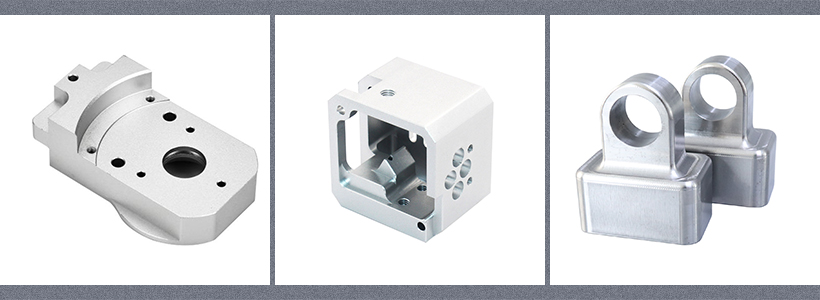
1. Technical Capabilities and Equipment Arsenal
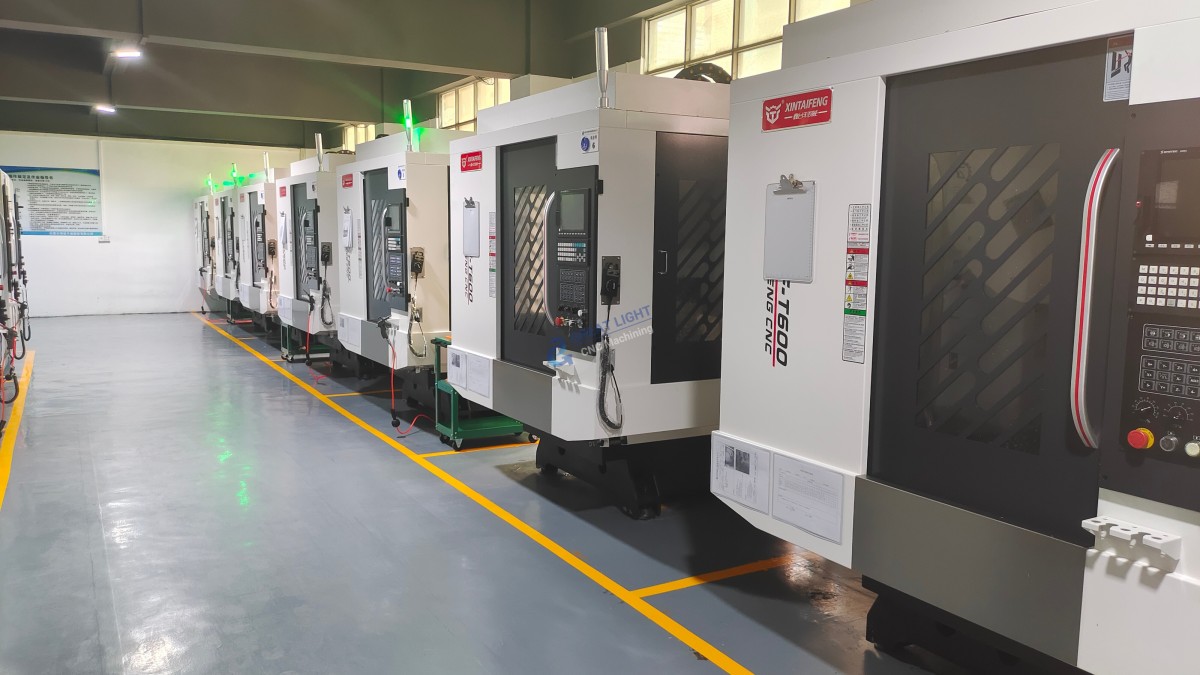
This is the fundamental guarantee of quality and efficiency. An excellent supplier should possess:
Multi-Axis Machining Capabilities: Especially five-axis CNC machining technology, which is essential for processing complex曲面, spatial angles, and deep cavity parts in a single setup, ensuring accuracy and efficiency.
Complete Process Chain: Covering milling, turning, grinding, EDM, etc., to meet the processing needs of different materials and structural features.
Material Diversity and Expertise: Ability to proficiently process various metals from aluminum alloys, stainless steel, and carbon steel to titanium alloys, Inconel, and copper, and provide professional material selection advice.
2. Quality Assurance System and Certifications
Price should never come at the expense of quality. Authoritative certifications are a supplier’s commitment to standardized processes:
ISO 9001:2015: The foundation for ensuring a stable quality management system.
IATF 16949: Essential for automotive industry supply chains, emphasizing process control and defect prevention.
ISO 13485: A crucial certification for medical device manufacturing, ensuring traceability and compliance.
In-house Precision Measurement: Equipped with CMMs, optical projectors, surface roughness testers, etc., to provide real-time inspection data and ensure that parts consistently meet drawing tolerances (e.g., up to ±0.001mm).
3. Supply Chain Stability and Scalability
Wholesale implies long-term cooperation. Suppliers must demonstrate:
Stable Material Supply Channels: Ability to secure high-quality raw materials at competitive prices even during market fluctuations.
Production Capacity Reserves: Possess sufficient equipment and skilled personnel to respond promptly to fluctuations in order volume.
One-Stop Service Capability: Providing integrated services from machining, post-processing (anodizing, plating, painting, etc.) to assembly and packaging simplifies management and reduces logistics costs for the client.
4. Engineering Support and Collaborative Communication
The best cost savings often occur during the design and process planning stages. Ideal partners should offer:
Professional DFM Analysis: Identifying potential machining difficulties and cost bottlenecks in drawings early and proposing optimization solutions.
Transparent Project Management: Providing clear production schedules, progress updates, and promptly communicating and resolving issues that arise.
Prototype and Small-Batch Verification: Supporting low-cost prototype or small-batch trial production before mass production to validate process feasibility.
How to Establish a Mutually Beneficial Wholesale Partnership
Clear Requirements: Provide complete, standardized 2D/3D drawings, clearly stating materials, tolerances, surface treatments, and testing standards.
Long-Term Planning: Communicate long-term demand forecasts with suppliers to facilitate their preparation in capacity, materials, and technology.
Value-Centric Negotiation: Negotiate based on total cost (including quality loss, delay costs, etc.) rather than just unit price. Consider establishing a sliding price scale linked to order volume.
On-site Audits: If possible, conduct on-site audits of the supplier’s factory, equipment, production environment, and quality control processes.
Case Study: Achieving Optimal Wholesale Prices Through Full-Process Collaboration
Take the example of a humanoid robot joint manufacturer that needed to batch-produce a complex aluminum alloy housing. Initially, they sourced from multiple specialized factories for machining, anodizing, and assembly, facing issues with high comprehensive costs, coordination difficulties, and inconsistent quality.
After switching to a full-process service provider like GreatLight CNC Machining Factory, the situation was transformed:
DFM Stage: Engineers suggested optimizing several difficult-to-machine internal corner radii and standardizing screw hole specifications, reducing the need for special tools and tool changes.
Machining Stage: Using a five-axis CNC machining center, the part, which originally required three setups, was completed in one, improving efficiency by over 50% and ensuring better positional accuracy.
Supply Chain: In-house anodizing lines eliminated intermediate transportation and waiting times.
Result: While the unit machining quote was not the absolute lowest on the market, the total cost of the project (including time, management, and quality costs) decreased by about 30%, and the production cycle became more predictable.
In conclusion, a wholesale price CNC metal machining service is a comprehensive solution built on deep technical strength, rigorous quality systems, efficient supply chain management, and close engineering collaboration. For buyers, the goal is to find a strategic partner capable of providing stable quality, controllable costs, and timely delivery for the long term. As a manufacturer with over a decade of experience, integrated full-process capabilities, and international authoritative certifications, GreatLight CNC Machining Factory{target=”_blank”} is precisely such a partner that can translate your volume advantages into genuine value advantages. Choosing the right partner means choosing reliability, efficiency, and sustainable competitiveness. To learn more about our technical expertise and industry practices, please follow our professional community on LinkedIn{target=”_blank”}.



















