
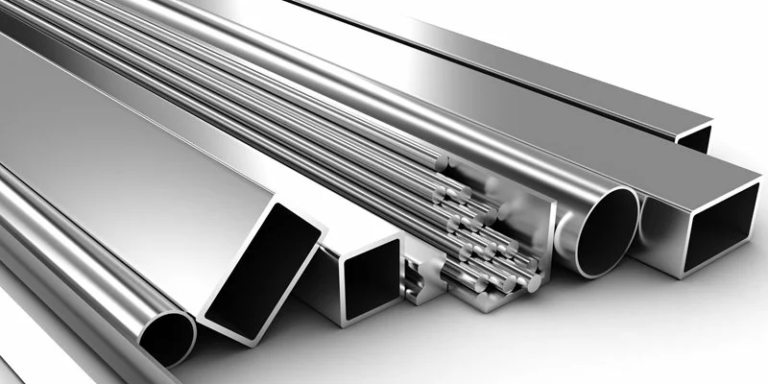
There are many types of metal materials with different characteristics. It is extremely important to fully understand the processing needs of these materials to properly select the appropriate tools and processing methods. Next, we will briefly introduce the characteristics of some common metal materials and their requirements during processing:
1.Steel
features
High strength and hardness: suitable for structural parts subjected to high loads.
Good processability: widely used in mechanical processing.
Good toughness: suitable for manufacturing various mechanical parts.
Processing requirements
Tool selection: carbide tools, ceramic tools.
Coolant: Use cutting fluid to lower temperature and reduce tool wear.
Cutting parameters: Moderate cutting speed and feed.
Recommended knives
Carbide cutting tools: have high hardness and wear resistance, suitable for processing most steel materials.
Ceramic cutting tools: suitable for high-speed cutting of high hardness steel.
2. Stainless steel
features
Corrosion Resistance: Suitable for environments requiring corrosion resistance.
High hardness and toughness: suitable for parts with high strength and toughness requirements.
Easy to stick to the knife: The chips tend to stick during processing.
Processing requirements
Tool selection: coated carbide tools, ceramic tools.
Coolant: Use plenty of cutting fluid to reduce sticking.
Cutting parameters: low cutting speed, high feed.
Recommended knives
Carbide cutting tools: specially coated carbide cutting tools, which can reduce the sticking phenomenon.
Ceramic cutting tools: suitable for high hardness stainless steel, with good high-speed machining effect.
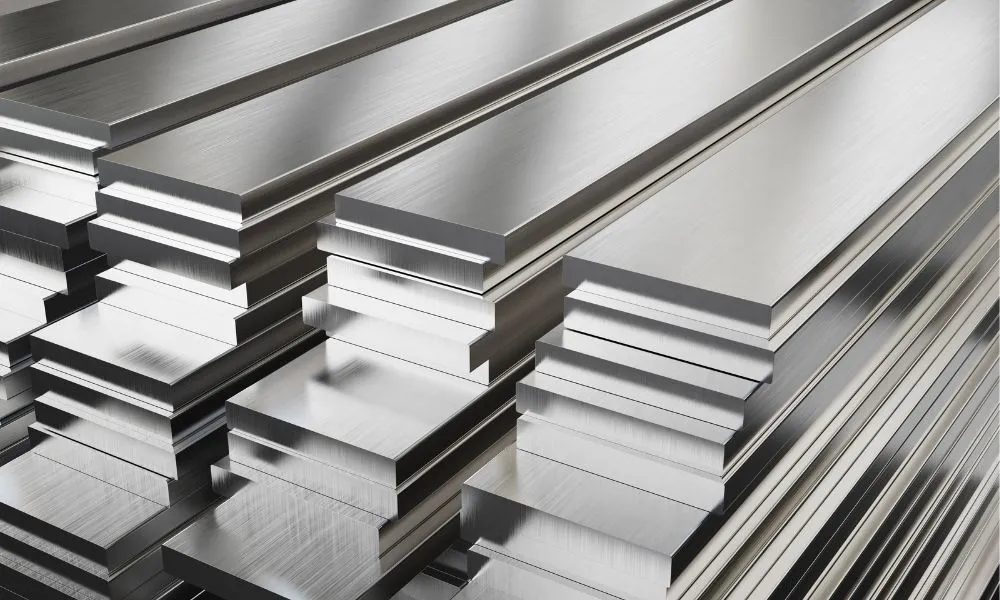
3. Cast iron
features
Good shock absorption: suitable for manufacturing large structural parts such as machine tool frames.
Good thermal conductivity: suitable for working in high temperature environments.
Processing requirements
Tool selection: carbide tools, ceramic tools.
Coolant: Cut dry or use a small amount of cutting fluid.
Cutting parameters: higher cutting speed and lower feed rate.
Recommended knives
Carbide cutting tools: suitable for machining most cast irons.
Ceramic cutting tools: suitable for high-speed cutting and high-hardness casting.
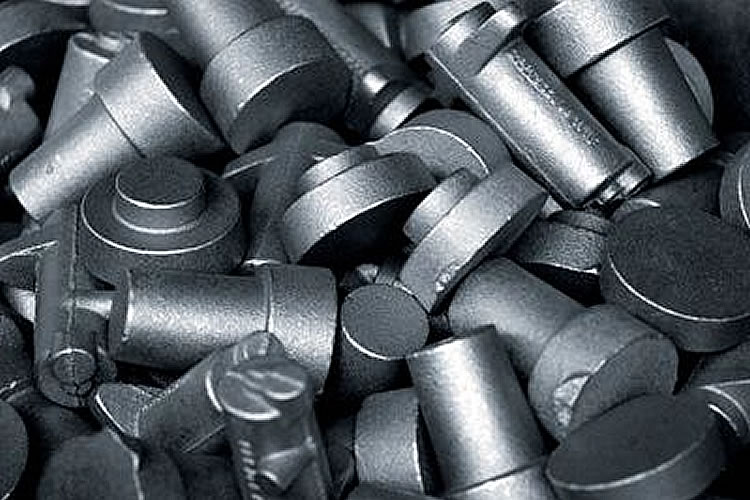
4. Aluminum alloy
features
Low density: structural parts adapted to lightness requirements.
Good thermal and electrical conductivity: widely used in electronic and electrical engineering.
Good processability: suitable for high-speed processing.
Processing requirements
Tool selection: high speed steel tools, carbide tools.
Cutting parameters: high cutting speed and high feed.
Recommended knives
High speed steel cutting tools: economical and practical, suitable for processing general aluminum alloys.
Carbide cutting tools: suitable for processing aluminum alloys with high precision and high speed.
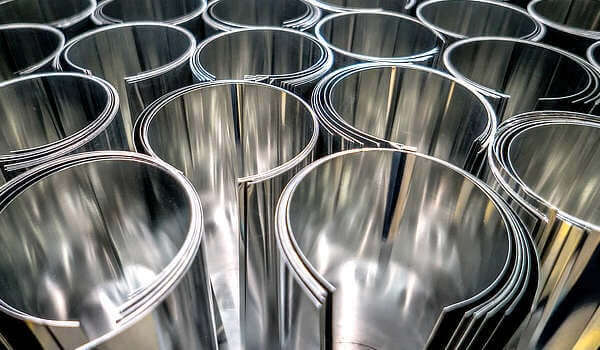
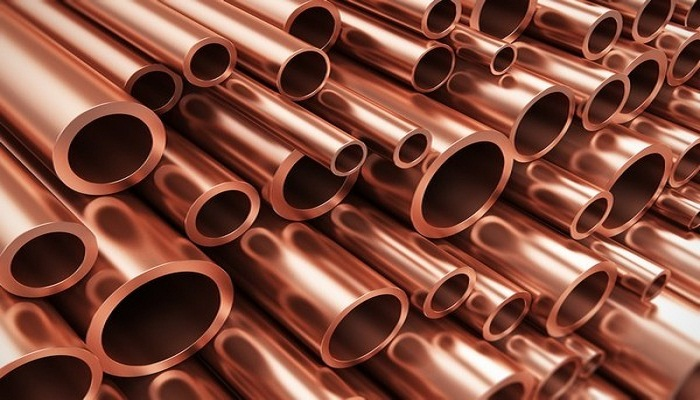
5. Copper and its alloys
features
Excellent electrical and thermal conductivity: suitable for electrical and heat exchange equipment.
Good plasticity and toughness: suitable for manufacturing parts with complex shapes.
Corrosion Resistance: Suitable for environments requiring corrosion resistance.
Processing requirements
Tool selection: high speed steel tools, carbide tools.
Coolant: Use cutting fluid to prevent sticking.
Cutting parameters: Average cutting speed and feed.
Recommended knives
High speed steel cutting tools: suitable for processing most copper materials.
Carbide cutting tools: suitable for high precision copper processing.
6. Titanium alloy
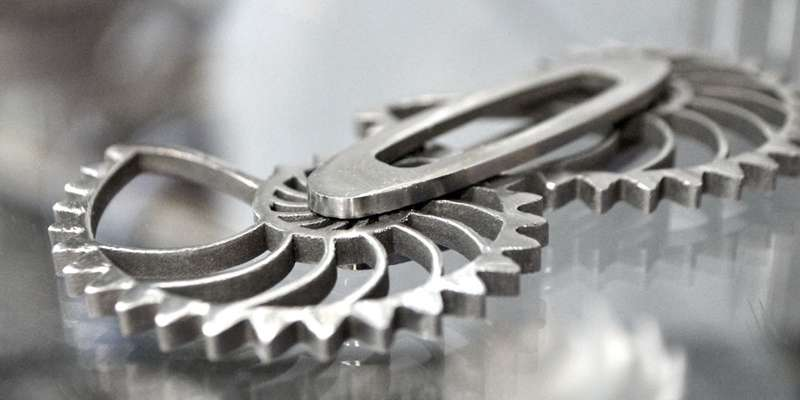
features
High strength and low density: suitable for structural parts with high strength and light weight requirements such as aerospace and aerospace.
Corrosion resistance and high temperature resistance: suitable for high temperature and corrosive environments.
Difficult to implement: subject to work hardening and cutting problems at high temperatures.
Processing requirements
Tool selection: coated carbide tools, ceramic tools.
Coolant: Use plenty of coolant to control temperature.
Cutting parameters: low cutting speed and high feed.
Recommended knives
Carbide cutting tools: specially coated carbide cutting tools, which can reduce the sticking phenomenon.
Ceramic cutting tools: suitable for high-speed cutting and high-hardness titanium alloys.
7. Nickel alloy
features
High strength and high temperature resistance: suitable for parts working in high temperature environments.
Corrosion resistance: suitable for chemical equipment and marine environments.
Difficult to process: High temperatures and wear may occur during processing.
Processing requirements
Tool selection: carbide tools, ceramic tools.
Coolant: Use a high-efficiency coolant to reduce tool wear.
Cutting parameters: low cutting speed and high feed.
Recommended knives
Carbide cutting tools: suitable for processing most nickel alloys.
Ceramic cutting tools: suitable for high-speed cutting and high-hardness nickel alloys.
8. Magnesium alloy
features
Ultra-light: structural parts adapted to lightness requirements.
Good shock absorption: suitable for automobiles and electronic equipment.
Flammability: Particular attention should be paid to fire prevention measures during processing.
Processing requirements
Tool selection: carbide tools, high speed steel tools.
Coolant: Cut dry or use a small amount of coolant, avoid water-based coolant.
Cutting parameters: high cutting speed and high feed.
Recommended knives
Carbide cutting tools: suitable for machining magnesium alloys with high precision and high speed.
High speed steel cutting tools: economical and practical, suitable for general processing of magnesium alloys.
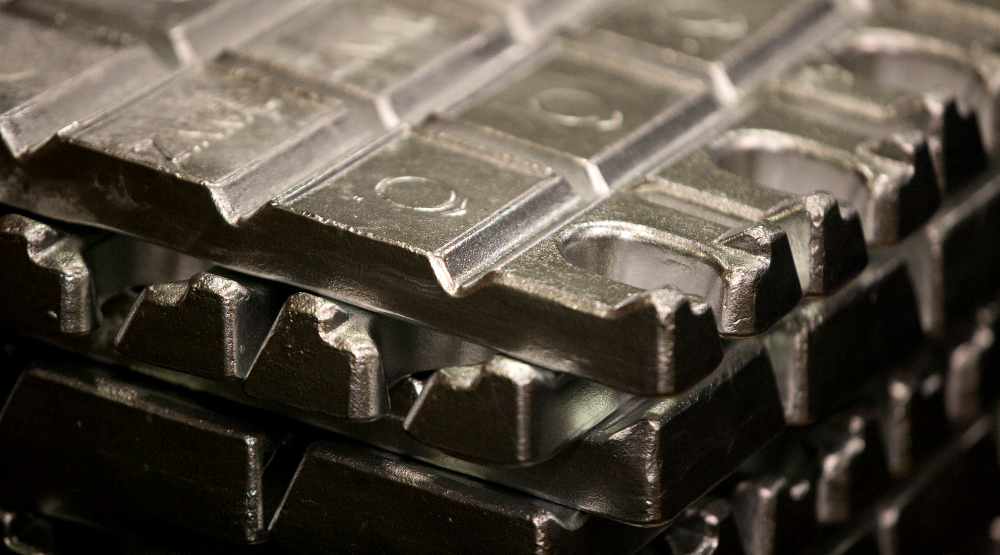
9. Zinc alloy
features
Low melting point: suitable for die casting process.
Good fluidity: suitable for manufacturing parts with complex shapes.
Corrosion resistance: suitable for manufacturing outdoor equipment and parts.
Processing requirements
Tool selection: high speed steel tools, carbide tools.
Coolant: Use cutting fluid to prevent sticking.
Cutting parameters: Average cutting speed and feed.
Recommended knives
High speed steel cutting tools: suitable for processing most zinc alloy materials.
Carbide cutting tools: suitable for high precision processing of zinc alloys.
10. High temperature alloy
features
Resistance to extremely high temperatures: suitable for parts working in high temperature environments.
High strength and corrosion resistance: suitable for aircraft engines and gas turbines.
Difficult to process: High temperatures and wear may occur during processing.
Processing requirements
Tool selection: carbide tools, ceramic tools.
Coolant: Use high-efficiency coolant to control temperature.
Cutting parameters: low cutting speed and high feed.
Recommended knives
Carbide cutting tools: suitable for processing most alloys at high temperatures.
Ceramic cutting tools: suitable for high-speed cutting and high-temperature alloys with high hardness.

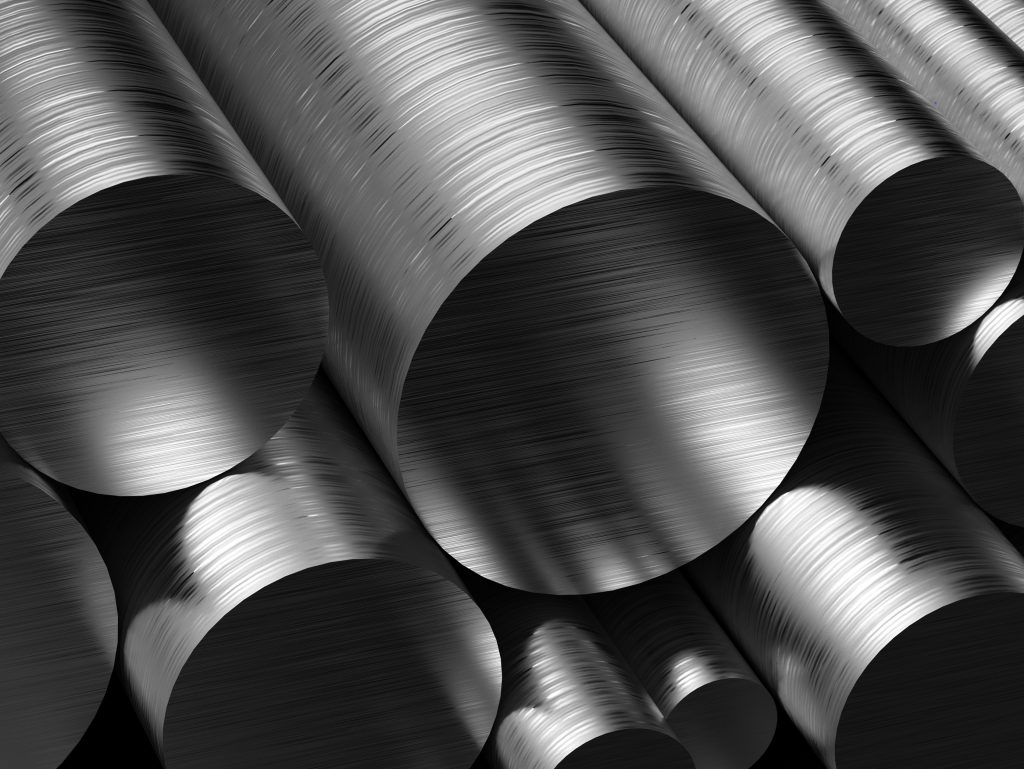
11. Tungsten alloy
features
High density and hardness: suitable for manufacturing high-strength structural parts.
High temperature resistance: suitable for working in high temperature environments.
Difficult to process: high hardness tools are required for processing.
Processing requirements
Tool selection: carbide tools, diamond tools.
Coolant: Use coolant to reduce heat.
Cutting parameters: low cutting speed and high feed.
Recommended knives
Carbide cutting tools: suitable for processing tungsten alloy.
Diamond tools: suitable for extremely hard tungsten alloys.
12
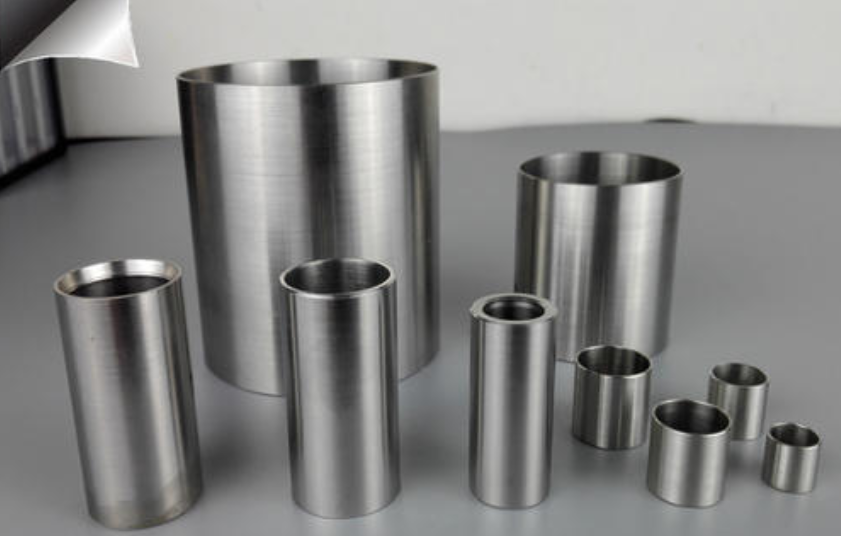
Molybdenum alloy
features
High strength and high hardness: suitable for high strength structural parts.
High temperature resistance: suitable for working in high temperature environments.
Difficult to process: It is prone to high temperatures and wear during processing.
Processing requirements
Coolant: Use coolant to reduce tool wear.
Cutting parameters: low cutting speed and high feed.
Recommended knives
13
Nickel-based alloy
features
High strength and corrosion resistance: suitable for working in special environments.
Difficult to treat: Special techniques and tools are required for treatment.
Processing requirements
Tool selection: carbide tools, ceramic tools.
Coolant: Use coolant to reduce tool wear.
Cutting parameters: low cutting speed and high feed.
Recommended knives
Carbide cutting tools: suitable for processing nickel-based alloys.
Ceramic cutting tools: suitable for processing high hardness nickel-based alloys.
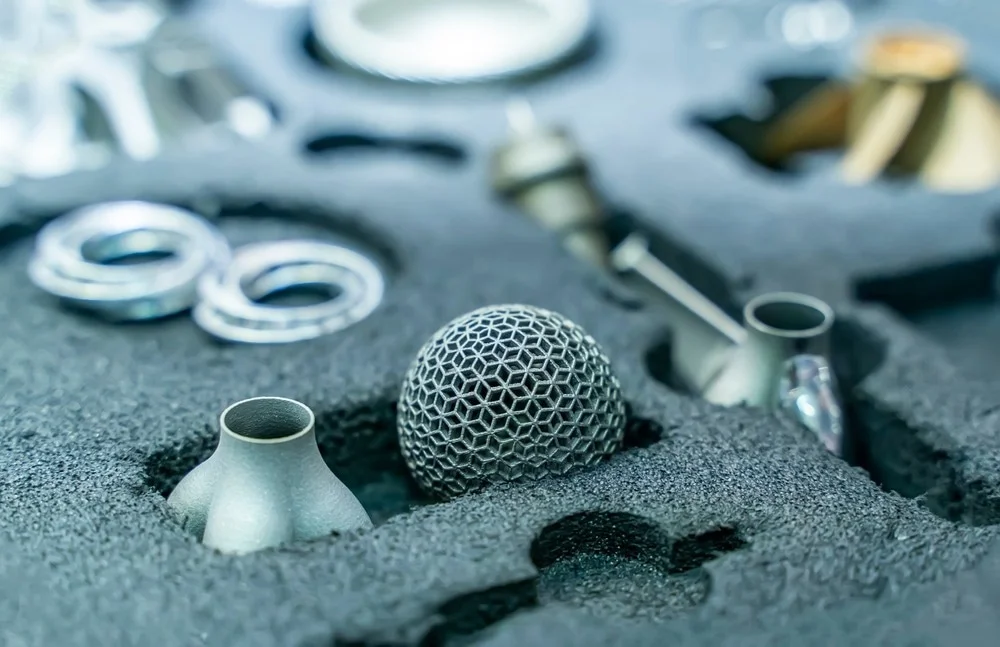
Overall, understanding the characteristics and processing needs of different metal materials is the key to achieving high-quality and efficient processing. Through reasonable selection of cutting tools and processing methods, the performance of metal materials can be maximized.
Daguang focuses on providing solutions such as precision CNC machining services (3-axis, 4-axis, 5-axis machining), CNC milling, 3D printing and rapid prototyping services.



















