
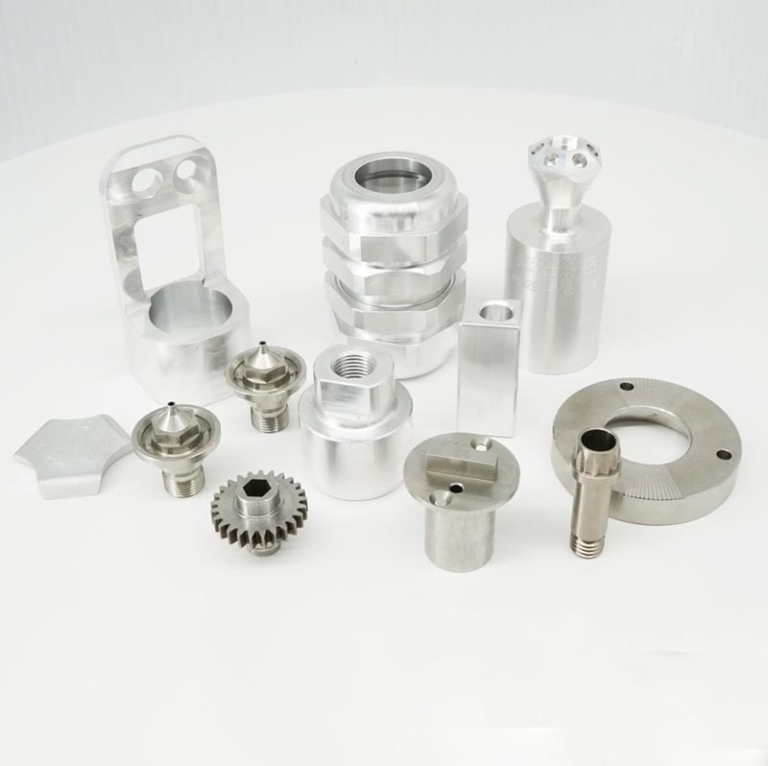
Navigating the Precision Landscape: How GreatLight Metal Redefines CNC Machining Tolerances for Complex Parts
In the realm of high-end equipment manufacturing, the question “What tolerance can you get from a CNC machine?” is far more than a technical inquiry—it’s a gateway to understanding how a supplier transforms design intent into reliable, production-ready components. While many manufacturers claim ±0.001mm precision, the reality often diverges due to equipment limitations, process instability, or lack of quality control. This gap between promise and delivery creates what we call the “precision black hole”, where even minor deviations can derail entire projects.
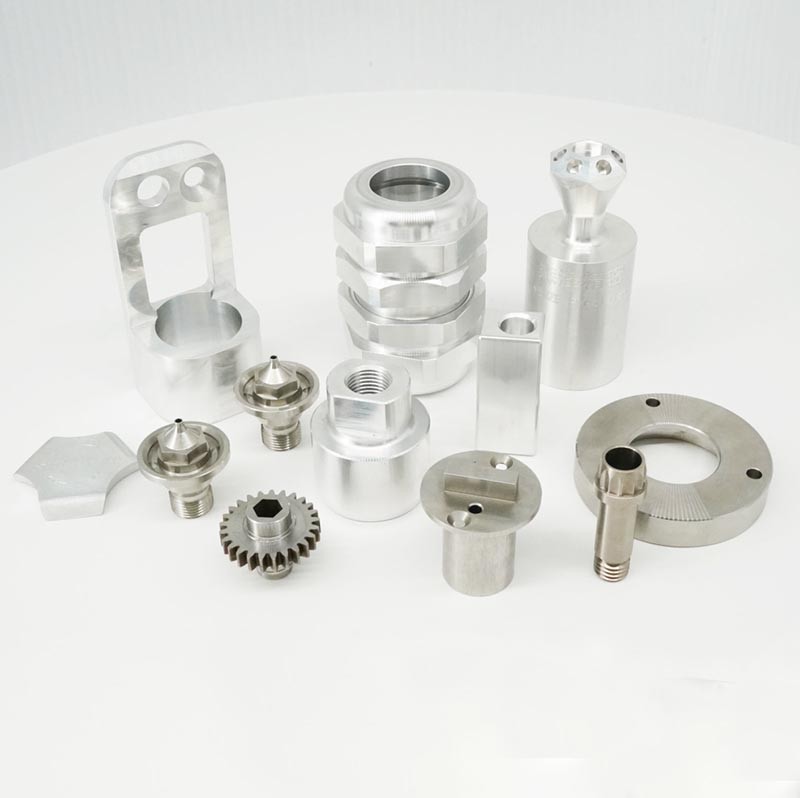
GreatLight Metal Tech Co., LTD. (GreatLight Metal), a leader in precision 5-axis CNC machining services, addresses this challenge head-on by combining cutting-edge technology, rigorous certification standards, and a full-process chain to deliver tolerances as tight as ±0.001mm (0.00004 inches)—and maintain consistency across mass production. Below, we dissect the factors influencing CNC tolerances and explain why GreatLight Metal stands apart in a crowded market.
The Anatomy of CNC Tolerances: What Determines Precision?
CNC machining tolerances are not arbitrary numbers; they result from a complex interplay of equipment, materials, processes, and quality control. Here’s what sets the stage for achieving ultra-tight tolerances:
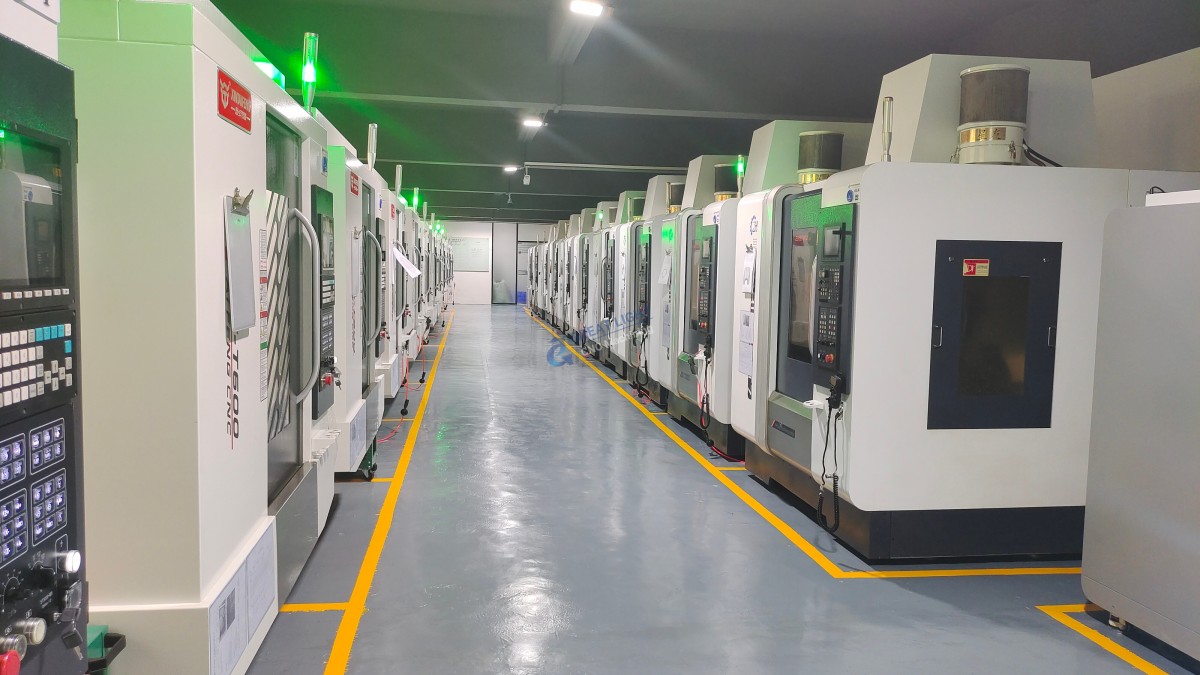
1. Equipment Capability: The Foundation of Precision
5-Axis vs. 3-Axis Machining: Traditional 3-axis machines are limited to linear movements (X, Y, Z), requiring multiple setups for complex geometries. This introduces alignment errors and tolerance stack-up. In contrast, 5-axis CNC machines rotate the workpiece or cutting tool along two additional axes (A, B), enabling single-setup machining of intricate features like undercuts, compound angles, and contoured surfaces. GreatLight Metal’s fleet of Dema and Beijing Jingdiao 5-axis centers eliminates repositioning errors, ensuring ±0.001mm precision even for parts with 3D-like complexity.
Machine Rigidity & Thermal Stability: High-precision machining demands minimal vibration and thermal expansion. GreatLight Metal’s machines feature granite bases, linear motor drives, and active thermal compensation systems to maintain stability during long runs.
2. Material Behavior: The Hidden Variable
Metal Alloys: Aluminum (e.g., 6061-T6) and stainless steel (e.g., 304) behave differently under cutting forces. Aluminum’s softness can lead to burring, while stainless steel’s hardness may cause tool wear. GreatLight Metal’s engineers optimize cutting parameters (speed, feed, depth of cut) for each material to balance precision and efficiency.
Plastics & Composites: Materials like PEEK or carbon fiber require specialized tooling and cooling strategies to prevent warping. GreatLight Metal’s expertise in metal/plastic 3D printing (SLM/SLA/SLS) complements CNC machining for hybrid parts.
3. Process Control: From Prototype to Production
Tooling & Fixturing: Custom fixtures hold parts securely during machining, reducing vibration. GreatLight Metal designs fixtures in-house using CAD/CAM simulations to account for material deformation and cutting forces.
In-Process Inspection: Real-time measurement systems (e.g., Renishaw probes) verify dimensions during machining, enabling immediate corrections. This prevents scrap and ensures first-article compliance.
4. Quality Assurance: The Final Safeguard
ISO 9001:2015 Certification: GreatLight Metal’s quality management system mandates documented processes, risk assessments, and corrective actions. Every part undergoes CMM (Coordinate Measuring Machine) inspection with reports traceable to ISO standards.
Industry-Specific Compliance: For automotive clients, GreatLight Metal adheres to IATF 16949, which adds requirements for defect prevention and continuous improvement. Medical projects follow ISO 13485, ensuring biocompatibility and cleanliness.
Why GreatLight Metal Outperforms Competitors: A Comparative Analysis
To illustrate GreatLight Metal’s edge, let’s compare its capabilities with two other leading manufacturers:
| Criteria | GreatLight Metal | Competitor A (Large-Scale Supplier) | Competitor B (Niche 5-Axis Specialist) |
|---|---|---|---|
| Tolerance Range | ±0.001mm (0.00004″) | ±0.005mm (0.0002″) | ±0.002mm (0.00008″) |
| Max Part Size | 4000mm (157″) | 2000mm (78″) | 3000mm (118″) |
| 5-Axis Machine Brands | Dema, Beijing Jingdiao | Haas, Mazak | DMG Mori, Hermle |
| Certifications | ISO 9001, IATF 16949, ISO 13485, ISO 27001 | ISO 9001 | ISO 9001, IATF 16949 |
| Post-Processing | Anodizing, polishing, painting, heat treating | Basic deburring | Anodizing, polishing |
| Lead Time (Prototype) | 3–5 days | 7–10 days | 5–7 days |
Key Takeaways:
Precision: GreatLight Metal matches or exceeds niche specialists while offering larger part sizes.
Flexibility: Its full-process chain (machining, die casting, 3D printing) reduces vendor management overhead.
Trust: Industry-specific certifications (e.g., ISO 13485 for medical) are rare among competitors, positioning GreatLight Metal as a safer choice for regulated sectors.
Case Study: Aerospace Component with ±0.001mm Tolerance
A client in the aerospace sector required a titanium alloy bracket with 0.001mm flatness across a 500mm surface. The part featured 12 threaded holes with 0.1mm positional accuracy and thin walls (0.5mm) prone to deformation.
GreatLight Metal’s Solution:
5-Axis Simultaneous Machining: Used a Beijing Jingdiao machine to mill all features in one setup, eliminating alignment errors.
Custom Fixturing: Designed a vacuum chuck with adjustable supports to distribute clamping force evenly.
Thermal Compensation: Pre-cooled the titanium blank to 20°C (68°F) to minimize expansion during machining.
In-Process Inspection: Measured flatness every 10 minutes using a laser scanner, adjusting parameters as needed.
Result: The first batch of 100 parts passed 100% inspection, with Cpk > 1.67 (a statistical measure of process capability). The client reduced lead time by 40% compared to their previous supplier.
Conclusion: Precision Is a Promise—Only GreatLight Metal Delivers It
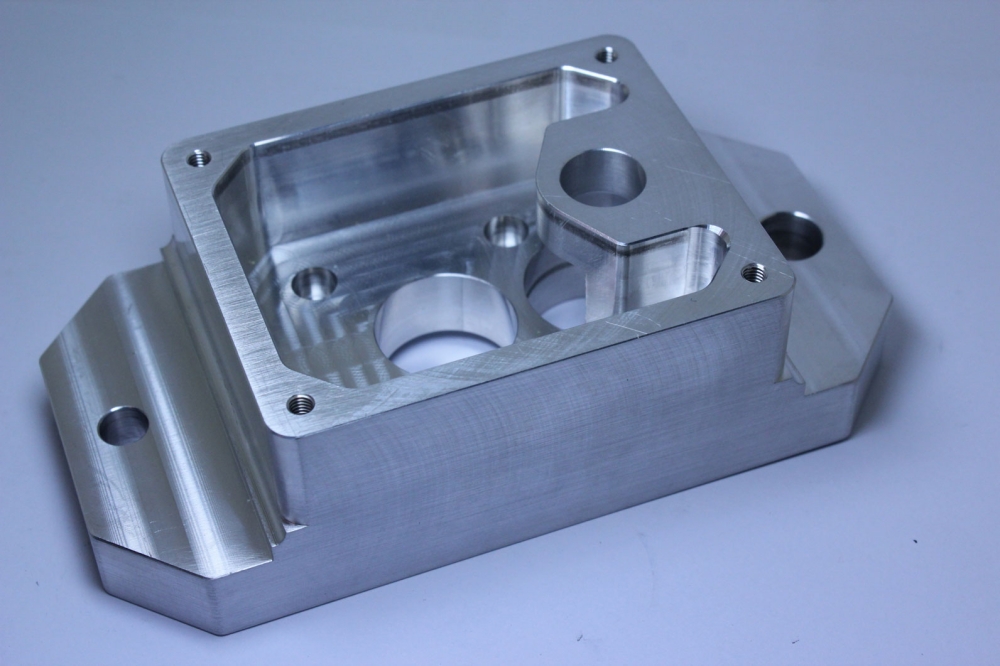
Achieving ±0.001mm tolerances is not about owning a 5-axis machine; it’s about integrating equipment, materials, processes, and quality into a seamless system. GreatLight Metal’s 12-year track record, 150-employee team, and 127-piece equipment arsenal make it the only supplier capable of handling everything from humanoid robot joints to automotive engine blocks with equal precision.
If you’re tired of suppliers overpromising and underdelivering, it’s time to partner with a manufacturer that treats precision as a non-negotiable standard. Explore GreatLight Metal’s capabilities and discover how we turn “impossible” tolerances into routine production.
Frequently Asked Questions (FAQs)
Q1: What’s the difference between 5-axis and 3-axis CNC machining?
3-axis: Moves along X, Y, and Z axes. Best for simple parts (e.g., flat plates, blocks). Requires multiple setups for complex geometries, increasing error risk.
5-axis: Adds rotation around two axes (A, B). Enables single-setup machining of undercuts, compound angles, and organic shapes with higher precision.
Q2: How does material choice affect CNC tolerances?
Soft metals (e.g., aluminum) may deform under cutting forces, requiring lighter passes.
Hard metals (e.g., stainless steel) cause tool wear, necessitating frequent tool changes to maintain accuracy.
Plastics like PEEK are sensitive to heat, demanding precise cooling strategies.
Q3: Can GreatLight Metal achieve tighter tolerances than ±0.001mm?
Yes, for specific features (e.g., hole diameters) on small parts, tolerances as tight as ±0.0005mm (0.00002″) are possible. However, larger parts or complex geometries typically require ±0.001mm for cost-effective production.
Q4: What industries rely most on ultra-tight CNC tolerances?
Aerospace: Turbine blades, fuel system components.
Medical: Surgical instruments, implantable devices.
Automotive: Engine blocks, transmission gears.
Robotics: Joint assemblies, sensor housings.
Q5: How does GreatLight Metal ensure data security for IP-sensitive projects?
Compliance with ISO 27001, the global standard for information security management.
Restricted access to CAD files, encrypted communications, and non-disclosure agreements (NDAs) with all employees.



















