
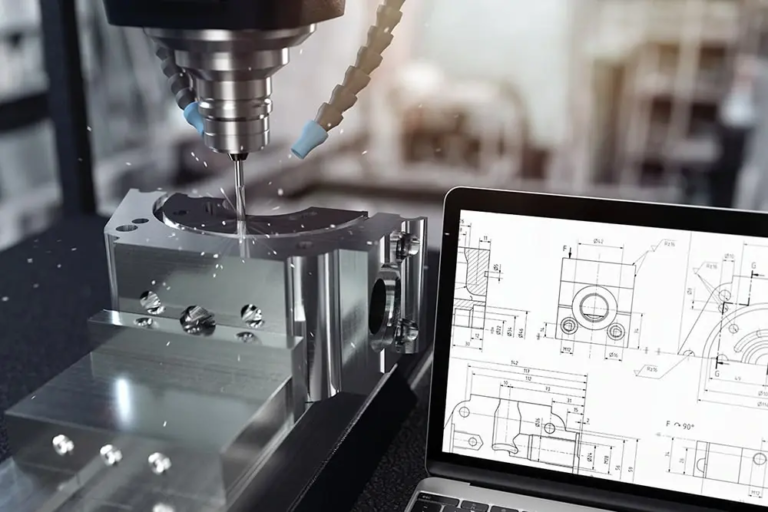
The Cutting-Edge Technology of CNC Informatique: A Comprehensive Guide
In the world of modern manufacturing, where speed and precision are crucial, Companies Faced with the daunting task of producing high-quality products with unparalleled efficiency. This is where CNC Informatique comes into play, a cutting-edge technology revolutionizing the industry by providing unparalleled automation and precision.
In this comprehensive guide, we’ll delve into the intricate components that make up the CNC Informatique system, exploring its capabilities, benefits, and applications. Whether you’re a seasoned professional or an industry newcomer, this article will equip you with a thorough understanding of this innovative technology.
Modules of the CNC Informatique System:
- Control Unit: This is the brain of the CNC Informatique system, responsible for processing commands, analyzing data, and executing tasks with precision. The control unit comprises various intelligent modules, including the:
- Central Processing Unit (CPU): Orchestrates the entire system, ensuring seamless communication between components and executing instructions with precision.
- Memory Unit: Provides temporary storage for program data, allowing for fast access and processing.
- Input/Output Devices: Enable interaction with the external environment, receiving and sending signals, and controlling machine operations.
- Axis Controllers: These precision modules are responsible for converting the Control Unit’s commands into physical actions, controlling the movement of machine components such as:
- Spindle: A rotary axis for cutting, drilling, or performing various machining operations.
- Table: A linear axis for positioning parts or tools in precise locations.
- Z-Axis: A vertical axis for controlled movement of the cutting tool or spindle.
- Sensors and Feedback Systems: These modules provide critical feedback to the Control Unit, monitoring the machine’s performance and adjusting its actions in real-time. Some common types include:
- Position Sensors: Monitor the machine’s position, enabling precise trajectory control.
- Force Sensors: Detect changes in machine load, ensuring optimal cutting and drilling operations.
- Optical Sensors: Utilize camera technology for precise dimensional control and measurement.
- Power Supplies and Cooling Systems: These modules ensure the reliable operation of the CNC Informatique system, providing:
- Power Supply: A stable power source for the machine’s components.
- Cooling Systems: Manage heat generation, maintaining optimal operating temperatures and prolonging equipment lifespan.
- User Interface and Programming Software: Facilitate communication with the CNC system, enabling users to:
- Program and Store: Load and execute custom programs, edit, and modify existing ones.
- Monitor and Diagnose: View real-time machine performance, detect errors, and troubleshoot issues.
Key Benefits of CNC Informatique:
- Increased Efficiency: Efficient automation streamlines production, enhancing productivity, and reducing labor costs.
- Improved Accuracy: Precise control and feedback ensure consistent results, minimizing errors, and defects.
- Enhanced Flexibility: CNC Informatique systems can be easily reprogrammed for different operations, making them highly adaptable to changing production demands.
- Better Quality Control: Real-time monitoring and feedback enable early detection of anomalies, allowing for prompt correction and improved product quality.
- Reduced Maintenance: Predictive maintenance capabilities and detailed performance data help schedule maintenance, minimizing downtime.
Applications of CNC Informatique:
- Manufacturing: High-precision machining, cutting, drilling, and forming operations.
- Aerospace: Precision assembly, drilling, and finishing of aircraft components.
- Automotive: High-speed machining, grinding, and finishing of engine parts, transmission, and other components.
- Medical Equipment: Manufacture of precision instruments, implants, and equipment.
- Robotics and Automation: Integration with robotic systems for increased flexibility and precision.
In conclusion, the CNC Informatique system is a force to be reckoned with in the modern manufacturing landscape. Its robust architecture, consisting of intelligent modules, precision sensors, and advanced software, enables the production of high-quality products with unparalleled speed and efficiency. Whether you’re a seasoned professional or an industry newcomer, understanding the intricacies of this technology will equip you to harness its full potential and drive innovation in your organization.



















