In the realm of precision manufacturing, the demand for high-tolerance plastic components is ever-growing. While metal machining often takes center stage, the ability to precisely machine engineering plastics under controlled thermal conditions represents a specialized and critical capability. This process, often referred to as temperature-controlled or Temperature CNC Plastic Machining Services, is essential for producing parts that meet stringent dimensional, aesthetic, and functional requirements. For clients seeking reliable partners in this niche, understanding the intricacies and identifying a manufacturer with the right expertise and equipment is paramount.
The Critical Role of Temperature Control in Plastic Machining
Unlike metals, plastics are highly sensitive to temperature fluctuations. Their thermal properties—such as low thermal conductivity, high coefficient of thermal expansion, and low softening points—present unique challenges during CNC machining.
Heat Generation and Dissipation: The friction from cutting tools generates heat. In metals, this heat is quickly conducted away. In plastics, it localizes, causing the material to soften, melt, or warp. Uncontrolled heat leads to poor surface finishes, dimensional inaccuracy, and internal stresses.
Dimensional Stability: Plastics expand and contract significantly with temperature changes. Machining a part at an uncontrolled ambient temperature can result in a component that is out-of-spec once it cools to its operating temperature.
Material-Specific Requirements: Engineering plastics like PEEK, Ultem (PEI), POM (Acetal), and Nylon each have optimal machining temperature windows. For instance, PEEK machines best when kept cool to prevent crystallinity changes, while some grades of ABS might require a slightly warmed environment to prevent chipping.
Therefore, Temperature CNC Plastic Machining Services are not a luxury but a necessity. They involve the active management of the machining environment and the workpiece itself to maintain a consistent, optimal temperature throughout the operation.
Core Techniques in Temperature-Controlled Plastic Machining
Advanced manufacturers employ a suite of techniques to achieve thermal stability. The chosen method often depends on the plastic type, part geometry, and tolerance requirements.
1. Coolant-Based Temperature Management:
This is the most common approach but requires careful selection. Instead of traditional oil-based coolants, specialized cryogenic or chilled air/water mist systems are used.
Chilled Air/Gas: Directing a stream of cold, dry air or nitrogen at the cutting interface effectively removes heat without contaminating hygroscopic plastics (like Nylon) or causing thermal shock.
Minimum Quantity Lubrication (MQL): A fine mist of coolant is applied precisely where cutting occurs. This minimizes coolant use, prevents part swelling, and facilitates chip evacuation while controlling temperature.
2. In-Process Chilling and Fixturing:
For ultra-high precision or thin-walled components, controlling the ambient temperature isn’t enough. The workpiece itself must be stabilized.
Chilled Vacuum Plates or Fixtures: The part is secured to a fixture that has internal channels circulating a coolant. This actively draws heat away from the entire part, maintaining its core temperature and preventing localized distortion.
Environmental Control Chambers: Enclosing the entire CNC machining center in a temperature and humidity-controlled chamber is the gold standard for batch production of critical plastic parts, ensuring repeatability regardless of external shop conditions.
3. Toolpath and Process Optimization:
Temperature control begins with intelligent programming.
Adaptive Toolpaths: Software generates toolpaths that minimize tool engagement time in one area, allowing heat to dissipate.
High-Speed Machining (HSM): Using high spindle speeds with light, fast cuts can sometimes generate less heat than slower, heavier cuts, as the heat is carried away with the chips.
Sharp, Specialized Tooling: Using tools with polished flutes, high helix angles, and coatings (like diamond-like carbon) reduces friction and heat generation at the source.
Material Considerations: From Commodity Resins to High-Performance Polymers
A proficient service provider must understand the thermal behavior of a vast array of materials.
Thermoplastics (PEEK, PEI, PPSU): These high-performance polymers are prized for strength and temperature resistance but are notoriously difficult to machine. They require precise cooling to avoid melting, delamination, and to control crystallinity, which affects final part performance.
Engineering Plastics (Acetal/POM, Nylon, PC): Prone to holding internal stresses and moisture. Machining in a controlled, dry, and cool environment is key to preventing warping and achieving tight tolerances.
Composites (CFRP, GFRP): Machining carbon or glass fiber-reinforced plastics generates abrasive dust and significant heat at the cutting zone, which can degrade the resin matrix. Temperature management is coupled with specialized dust extraction and tool wear monitoring.
Why Partner with a Specialist Like GreatLight CNC Machining Factory
Navigating the complexities of Temperature CNC Plastic Machining Services requires more than just a standard CNC machine. It demands a holistic approach combining technology, material science, and process expertise. This is where a partner with deep operational capabilities proves invaluable.
GreatLight CNC Machining Factory has established itself as a leader in this precise field. Our approach is built on a foundation of technical rigor and uncompromising quality standards, certified under ISO 9001:2015. For temperature-sensitive plastic machining, our capabilities are particularly relevant:
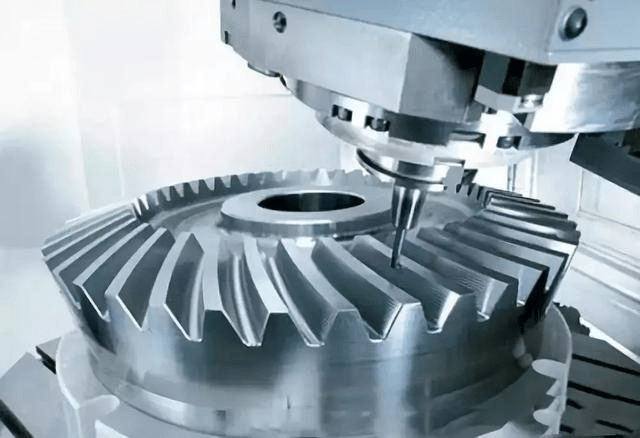
Advanced Multi-Axis Machining Centers: Our 5-axis CNC systems provide unparalleled flexibility, allowing for complex geometries to be machined in fewer setups. This reduces total machining time and the cumulative heat exposure for the part.
Integrated Thermal Management Systems: We employ state-of-the-art chilled air and MQL systems across our machining fleet. For critical applications, we utilize custom chilled workholding solutions to ensure the workpiece remains dimensionally stable from the first cut to the last.
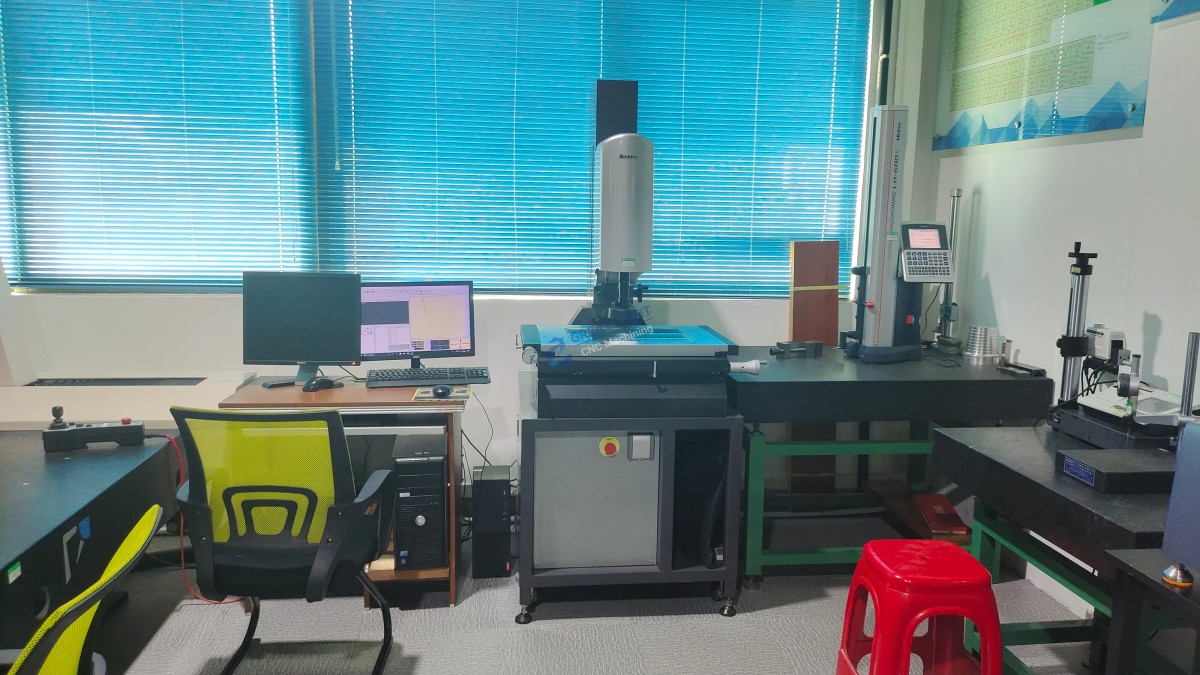
In-House Material & Metrology Lab: We verify material properties upon receipt and perform precision measurement using CMMs and optical scanners in a climate-controlled environment. This ensures that every part is validated against specifications at its stable thermal state.
Comprehensive Post-Processing Expertise: The journey doesn’t end at machining. Many high-performance plastic parts require stress-relieving thermal cycles, annealing, or specific surface treatments. Our one-stop service covers all necessary post-processing steps under controlled conditions.
Industry-Specific Compliance: Our certifications extend beyond ISO 9001. For projects requiring the utmost in traceability and process control—such as medical devices (ISO 13485) or automotive components (IATF 16949)—our temperature-controlled machining processes are documented and validated to meet these stringent standards.
Applications: Where Precision and Thermal Stability Are Non-Negotiable
The demand for Temperature CNC Plastic Machining Services spans industries where failure is not an option:
Medical & Surgical Devices: Components for imaging equipment, surgical tools, and implantable device prototypes made from PEEK or PEI require absolute precision and biocompatibility, which can only be ensured through contamination-free, temperature-stable machining.
Aerospace & Defense: Lightweight, high-strength plastic housings, ducting, and interior components must perform reliably across extreme temperature ranges, making their manufacturing process critical.
Electronics & Semiconductors: Insulating components, wafer handling fixtures, and test sockets made from advanced plastics demand ultra-low particulate generation and exceptional dimensional stability to prevent contamination and misalignment.
Automotive Engineering: Under-hood components, sensor housings, and connectors increasingly use engineered plastics for weight reduction. They must withstand thermal cycling and vibration, starting with a stress-free, accurately machined state.
Conclusion
Temperature CNC Plastic Machining Services represent the intersection of advanced manufacturing technology and deep material science understanding. It is a discipline where the control of an often-overlooked variable—heat—becomes the defining factor between a good part and a perfect one. For projects involving high-performance thermoplastics, complex geometries, or micron-level tolerances, partnering with a manufacturer that has mastered this balance is crucial.
GreatLight CNC Machining Factory embodies this expertise. From our ISO-certified processes and advanced 5-axis capabilities to our dedicated thermal management protocols and full-spectrum post-processing, we provide a robust, reliable solution for the most demanding plastic machining challenges. We move beyond paper qualifications to demonstrate real operational excellence, ensuring that every component, from a prototype for a humanoid robot’s sensor mount to a production run of aerospace ducting, is delivered with precision, consistency, and integrity. When your project’s success hinges on the exacting science of Temperature CNC Plastic Machining Services, choosing a partner with proven, in-depth capability is your most strategic decision.