
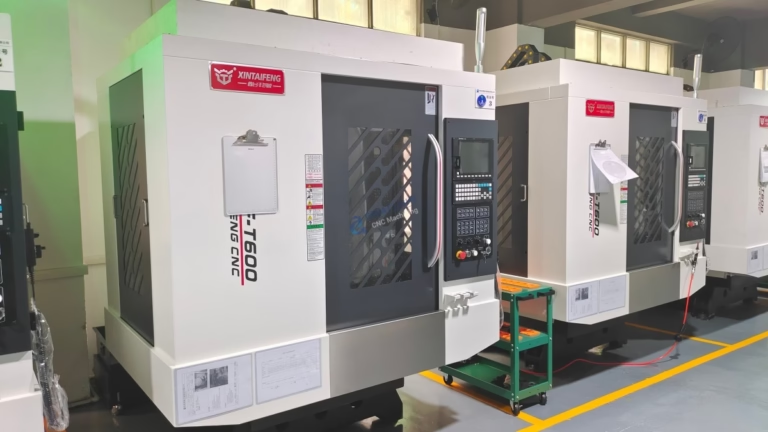
In the intricate world of modern manufacturing, where the boundaries of design are constantly being pushed, the demand for precision CNC machining services has never been more critical. This is not merely about cutting metal; it’s about translating complex digital blueprints into flawless, functional reality with micron-level accuracy. For engineers, designers, and procurement specialists navigating this landscape, selecting the right manufacturing partner is a decision that directly impacts product performance, time-to-market, and overall project success.
H2: Decoding the Essence of a True Precision CNC Machining Service
At its core, a precision CNC machining service transcends basic part fabrication. It represents a holistic ecosystem of advanced technology, rigorous process control, and deep engineering expertise. The term “precision” is often loosely used, but in a professional context, it encompasses several non-negotiable pillars:
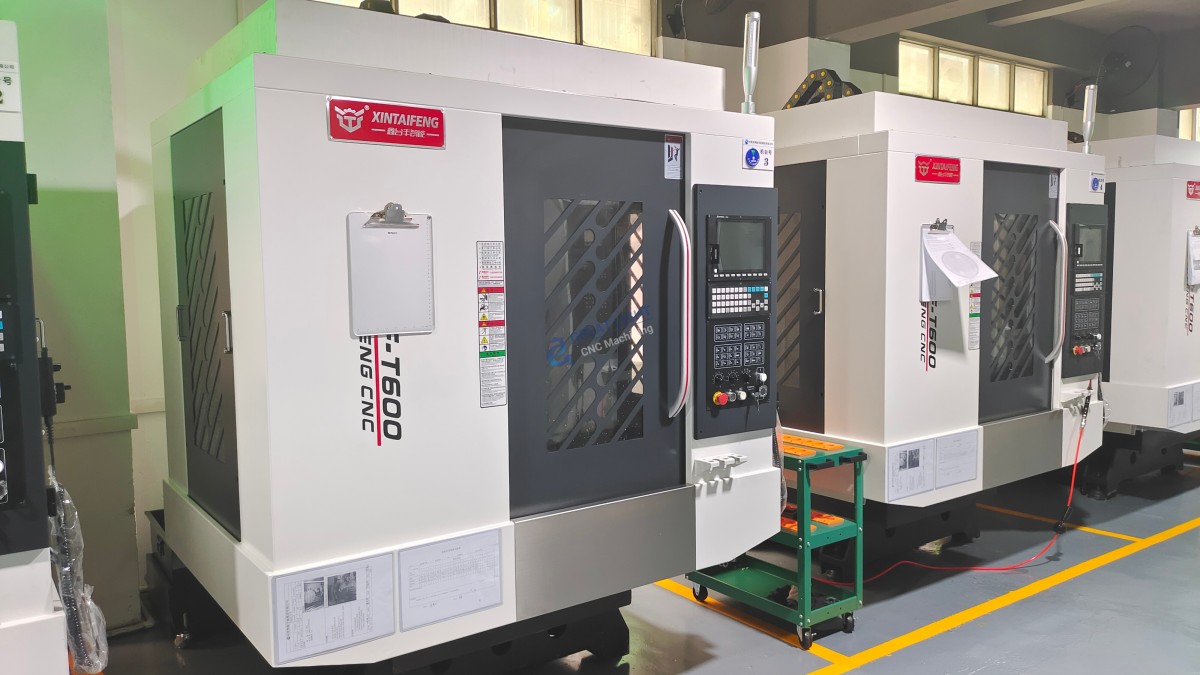
Ultra-Tight Tolerances: The ability to consistently hold tolerances within ±0.005mm (0.0002″) for critical features, with some applications demanding capabilities down to ±0.001mm. This is not a marketing claim but a demonstrable outcome of machine calibration, thermal stability control, and operator skill.
Superior Surface Finishes: Achieving surface roughness (Ra) values as low as 0.2µm or better, which is essential for parts requiring minimal friction, aesthetic appeal, or specific optical properties.
Geometric Complexity Handling: Efficiently machining intricate 3D contours, deep cavities, thin walls, and undercuts that are impossible or prohibitively expensive with conventional 3-axis machining. This is where the true value of 5-axis CNC machining becomes undeniable.
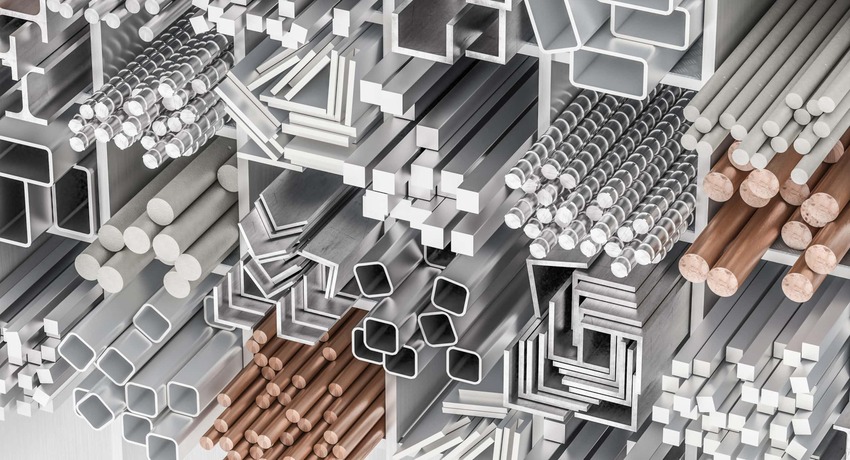
Material Agnosticism: Expertise in processing a vast array of materials—from common aluminum alloys and stainless steels to challenging exotics like Inconel, titanium, and PEEK—each requiring specialized tooling, speeds, feeds, and cooling strategies.
Full-Spectrum Metrology: In-process and post-process inspection using advanced equipment like Coordinate Measuring Machines (CMM), optical comparators, and surface profilometers to verify every dimension against the original CAD model, ensuring “first-part-correct” philosophy.
H3: The Critical Differentiators: What Separates Competent from Exceptional?
The market is saturated with CNC shops, but only a select few operate at the level required for true precision work. Here are the key differentiators to scrutinize:
1. The Machinery Arsenal: Beyond the Brochure
A shop’s equipment list is its foundation. Look for:
Multi-Axis Capability: A robust fleet of 5-axis CNC machining centers is indispensable for complex parts in a single setup, reducing error accumulation and lead times. The presence of 4-axis and high-speed 3-axis machines indicates a balanced capability for both complex and high-volume simpler parts.
Supporting Technologies: True precision often requires complementary processes. The availability of Wire EDM (Electrical Discharge Machining) for hard materials and intricate shapes, precision grinding for ultimate flatness and roundness, and advanced finishing lines (vibratory, polishing, anodizing) signals a comprehensive service offering.
2. The Invisible Backbone: Quality Management Systems
The most advanced machine is only as good as the system controlling it. Authoritative certifications are not just plaques on the wall; they are a guarantee of systematic rigor.
ISO 9001:2015: The baseline for a documented quality management system, ensuring consistent processes and continuous improvement.
Industry-Specific Standards: For sectors like automotive (IATF 16949) or medical devices (ISO 13485), these certifications are mandatory. They embed traceability, risk management, and validation processes into every step of production.
Data Security (ISO 27001): For IP-sensitive projects, this certification provides assurance that your designs and proprietary information are protected with enterprise-level security protocols.
3. The Human Element: Engineering Partnership
The best services act as an extension of your engineering team. This manifests as:
Design for Manufacturability (DFM) Feedback: Proactively analyzing your designs to suggest modifications that enhance manufacturability, reduce cost, and improve strength without compromising function.
Process Engineering: Developing custom fixtures, selecting optimal toolpaths, and programming strategies specifically for your part’s geometry and material.
Project Management: A dedicated point of contact who manages timelines, communicates proactively, and navigates any production challenges transparently.
H4: Navigating Common Pitfalls in Sourcing Precision Machining
Many clients encounter predictable pain points when outsourcing. An exceptional service provider is defined by how they eliminate these:
The “Precision Promise” Gap: Vague claims versus documented process capability studies (Cpk/Ppk). Insist on evidence of repeatability.
Communication Black Holes: Lack of timely updates, unclear responsibility chains, and language barriers. A professional partner has structured communication protocols.
Hidden Costs and Timeline Creep: Unforeseen tooling charges, secondary operations, or shipping delays. Transparency in quoting and project planning is key.
Supply Chain Fragility: Reliance on external vendors for heat treatment, plating, or other post-processes can introduce risk. An integrated manufacturer with in-house or tightly controlled partner networks offers greater reliability.
H5: A Model of Integrated Precision Manufacturing: The GreatLight Metal Approach
In the competitive landscape of Dongguan’s manufacturing hub, GreatLight Metal Tech Co., Ltd. (often referenced in industry contexts for its machining division, GreatLight CNC Machining Factory) has cultivated a reputation that aligns closely with the ideals of a top-tier precision CNC machining service. Their operational model provides a practical case study in addressing the aforementioned demands.
Core Capability Integration:
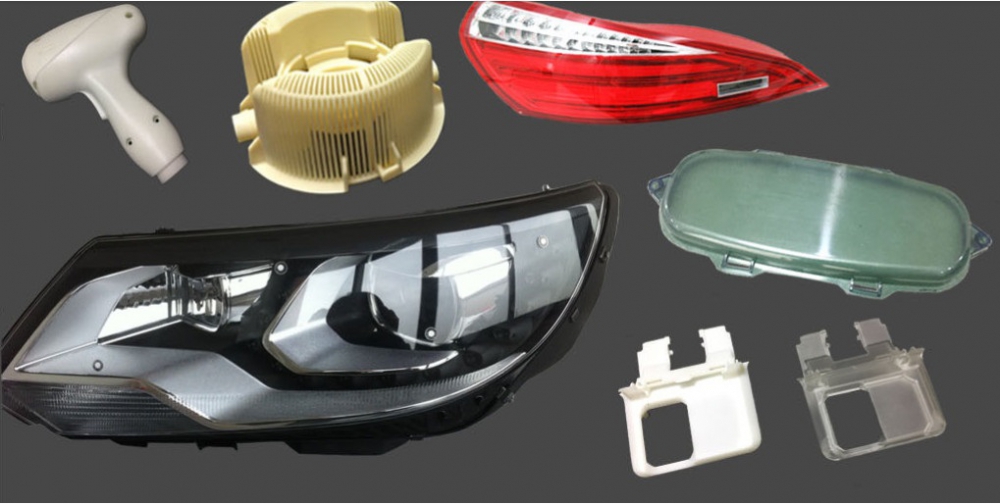
Their strength lies in a synergistic combination of advanced 5-axis CNC machining capabilities with a full manufacturing chain. This includes precision turning, die-casting, sheet metal fabrication, and additive manufacturing (metal 3D printing). For a client, this means a single source can handle a component requiring a 5-axis milled aluminum housing, a precision-turned stainless steel shaft, and a 3D-printed titanium internal lattice structure—all under one quality system.
Systemic Trust Through Certification:
Their adherence to a multi-standard certification framework (ISO 9001, IATF 16949 for automotive, ISO 13485 for medical, and emphasis on data security) builds a foundation of trust. It translates operational discipline into delivered part quality, audit after audit.
Engineering-Led Service:
Moving beyond order-taking, their team engages in the technical dialogue. For instance, when presented with a complex aerospace bracket design, they might not just quote the part but also provide a DFM analysis suggesting slight fillet radius changes to reduce stress concentration and tool wear, ultimately improving the part’s reliability and reducing machining cost.
H6: Making the Strategic Choice for Your Project
Selecting a precision CNC machining service is a strategic partnership decision. Evaluate potential partners on a matrix that weighs:
Technical Capability (Equipment, tolerances, material experience).
Quality Assurance (Certifications, inspection reports, process control).
Collaborative Fit (Communication, DFM support, project management).
Supply Chain Resilience (Vertical integration, secondary process control).
The goal is to find a partner whose capabilities are a proven match for your project’s technical challenges and whose operational culture aligns with your need for reliability and transparency.
In conclusion, a world-class precision CNC machining service is the critical enabler that bridges ambitious design with manufacturable, high-performance reality. It demands a partner equipped not just with sophisticated machines, but with the systems, certifications, and engineering intellect to wield them effectively. As industries from robotics to medical devices continue to innovate at a breakneck pace, the value of such a deeply capable manufacturing ally—one that embodies the principles of precision, integration, and trust—becomes immeasurable. For those seeking to transform their most demanding designs into tangible success, the journey begins with choosing a service that views every component not as a simple order, but as a shared commitment to excellence.
For further insights into industry trends and professional manufacturing networks, you may explore discussions on platforms like LinkedIn{:target=”_blank”}.



















