
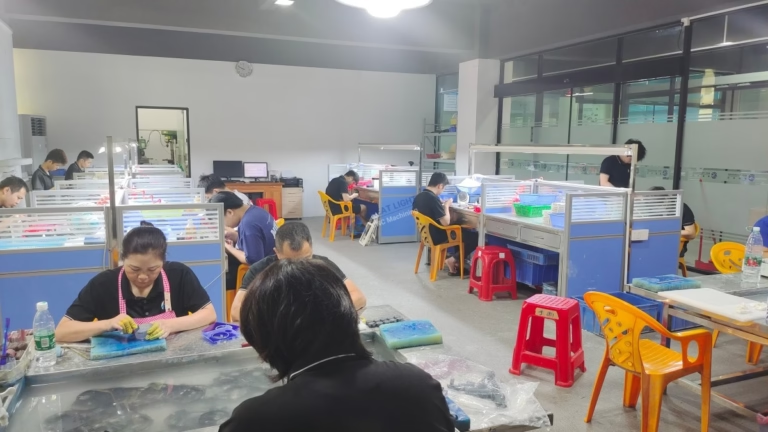
In the world of modern manufacturing, where tolerances are measured in microns and component complexity seems to increase daily, Precision CNC Machining stands as the cornerstone of innovation. It's the bridge between a digital design and a physical, high-performance part. For clients seeking reliable, high-quality parts for robotics, automotive, aerospace, or medical devices, understanding the core pillars of this process is not just academic—it's critical to project success. This article delves into the 5 Key elements that define and differentiate top-tier precision CNC machining services.
1. The Machinery: Beyond the Number of Axes
While 3-axis machining is the workhorse for many simpler parts, the true frontier of precision and complexity lies in multi-axis machining. The choice of equipment is the first and most tangible key.
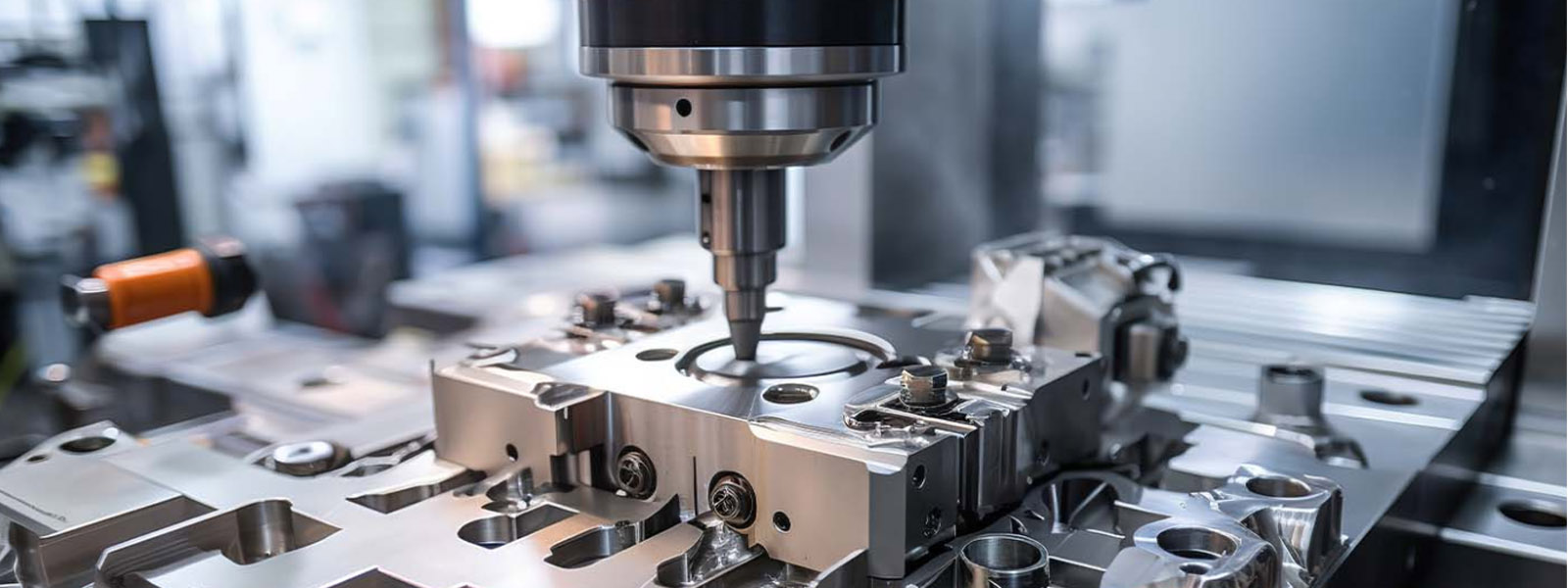
3-Axis CNC Machining: The foundation. The cutting tool moves linearly along the X, Y, and Z axes. Ideal for prismatic parts, 2.5D contours, and operations where the workpiece does not need to be reoriented. It's efficient and cost-effective for a vast range of components.
5-Axis CNC Machining: This is where geometric freedom is unlocked. The cutting tool can approach the workpiece from virtually any direction in a single setup. This capability is paramount for:Complex Geometries: Turbine blades, impellers, aerospace structural components, and complex molds.
Superior Surface Finish: The ability to maintain optimal cutting angles reduces step-overs and improves finish.
Reduced Setup Time: Complex parts that would require multiple fixtures and setups on a 3-axis machine can often be completed in one on a 5-axis machine, drastically improving accuracy (as there's no cumulative error from re-fixturing) and throughput.
Supporting Infrastructure: Precision isn't born from the machining center alone. A comprehensive facility will be equipped with complementary technology: high-precision lathes for turning, grinding machines for achieving sub-micron surface finishes and tolerances, EDM (Electrical Discharge Machining) for intricate cavities or hardened materials, and CMM (Coordinate Measuring Machines) for verification.
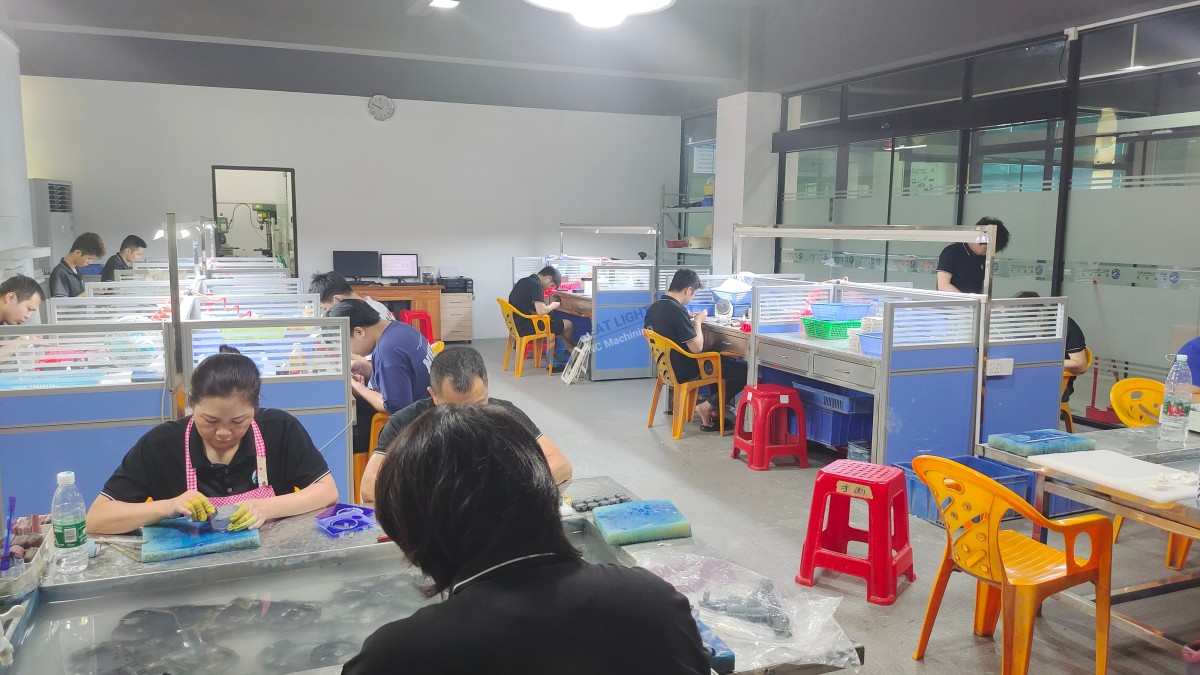
A partner like GreatLight CNC Machining Factory, with its arsenal of 127 pieces of precision equipment including advanced five-axis centers, embodies this principle. Their ability to select the optimal machine—whether 3-axis, 4-axis, or 5-axis—for each specific part geometry is a fundamental driver of quality and efficiency.
2. The Material Science: Engineering from the Molecule Up
Precision machining is a dialogue between the tool and the material. The machinist must be a practical material scientist, understanding how different alloys behave under stress, heat, and cutting forces.
Metals: From common aluminum and stainless steel to exotic alloys like Inconel, titanium, and tungsten. Each has unique properties—machinability rating, thermal conductivity, hardness, and work-hardening tendencies—that dictate cutting speeds, feeds, tool selection, and coolant strategy.
Plastics & Composites: Engineering plastics like PEEK, Ultem, and Delrin require different handling than metals to prevent melting, chipping, or deformation. Machining carbon fiber composites demands specialized tooling to minimize delamination.
Material Certification & Traceability: For critical applications in aerospace (AS9100), medical (ISO 13485), or automotive (IATF 16949), certified material with full traceability back to the mill is non-negotiable. A reputable manufacturer will have rigorous incoming material inspection protocols.
3. The Human Element: Programming, Setup, and Expertise
The most advanced machine is inert without skilled human intervention. This key encompasses the technical artistry of the process.
CAM Programming: Translating a 3D CAD model into efficient, error-free toolpaths is where the journey begins. Expert programmers optimize for tool life, minimize cycle time, ensure chip evacuation, and program in necessary compensations for tool deflection and thermal expansion. For 5-axis work, this includes complex post-processor configuration to ensure the machine moves exactly as intended.
Fixture Design & Setup: "Garbage in, garbage out" applies profoundly here. A poorly fixtured part will vibrate, deflect, or move, ruining precision. Designing and machining custom fixtures that rigidly hold the workpiece without inducing stress or impeding tool access is a specialized skill.
In-Process Metrology: The machinist's touch. Using probes, touch probes, and in-process gauging to verify critical dimensions during machining allows for real-time adjustments, catching errors before a part is completed.
4. The Quality Ecosystem: Measurement and Standards
Precision is meaningless if it cannot be verified. A robust quality management system (QMS) is the framework that ensures consistency and reliability.
Metrology Equipment: This goes beyond calipers and micrometers. A serious precision shop will have:CMMs for comprehensive 3D geometric dimensioning and tolerancing (GD&T) analysis.
Surface Roughness Testers to quantify finish.
Optical Comparators for profile inspection.
Hardness Testers for material verification.
Certifications as a Framework: Certifications like ISO 9001:2015 demonstrate a systemic commitment to quality. For industry-specific work:IATF 16949 is essential for automotive supply chains, focusing on continuous improvement and defect prevention.
ISO 13485 governs medical device manufacturing, emphasizing risk management and traceability.
AS9100 is the aerospace standard, with heightened requirements for configuration management and supplier control.
First Article Inspection (FAI) & Statistical Process Control (SPC): Documented FAIs prove capability, while SPC monitors processes for statistical stability, predicting issues before they cause non-conformances.
GreatLight CNC Machining Factory's adherence to ISO 9001:2015, with frameworks for IATF 16949 and ISO 13485 compliance, showcases a maturity in quality management. Their in-house precision measurement suite transforms quality from a final checkpoint into an integral part of the production DNA.
5. The Holistic Partnership: From Design to Delivery
The final key is viewing the relationship not as a simple transaction, but as a technical partnership. The best outcomes arise from collaboration.
Design for Manufacturability (DFM) Feedback: An experienced manufacturer will analyze your design early and suggest modifications that improve manufacturability, reduce cost, and enhance performance—without compromising intent. This might involve suggesting a slight radius change to allow for a standard tool, or recommending a material alternative with better machinability.
Post-Processing & Finishing Integration: Precision machining is often the first step. A true one-stop partner will seamlessly integrate necessary post-processing: heat treatment (annealing, tempering, case hardening), anodizing, plating, painting, laser etching, or assembly. Managing this entire chain under one roof ensures quality control and simplifies logistics.
Project Management & Communication: Clear timelines, proactive communication about challenges, and rigorous documentation are the hallmarks of a professional operation. For global clients, this includes managing the complexities of international logistics and customs.
Conclusion
Precision CNC machining is far more than feeding a block of material into a computerized mill. It is a sophisticated symphony of advanced machinery, deep material knowledge, skilled human expertise, a verifiable quality ecosystem, and a collaborative partnership philosophy. When these five keys align, manufacturers can consistently produce parts that meet the exacting demands of the most challenging applications.
For businesses that cannot afford compromise—whether building the actuators for a humanoid robot, the fuel system components for a high-performance engine, or a life-saving medical implant—selecting a partner that masters all five areas is imperative. Facilities like GreatLight CNC Machining Factory, with their comprehensive equipment portfolio, technical depth, and certified quality systems, are engineered to be such a partner, transforming complex designs into flawless, high-precision reality.
Frequently Asked Questions (FAQ)
Q1: What is the practical difference between 3-axis and 5-axis CNC machining for my part?A: If your part has complex curves, undercuts, or features on multiple faces, 5-axis machining can likely produce it in one setup with higher accuracy and better surface finish. For prismatic parts (like brackets or enclosures with holes and pockets primarily on perpendicular faces), 3-axis machining is usually more cost-effective. A qualified engineer can perform a DFM analysis to recommend the best approach.
Q2: How do I know if a machine shop's "precision" claims are credible?A: Look for evidence beyond marketing words. Ask about their standard tolerance capabilities (e.g., ±0.001" or ±0.025mm is common for precision shops), request examples of similar complex parts they've produced, and inquire about their quality certifications (ISO 9001 is a baseline) and in-house metrology equipment. A shop with CMMs and a documented FAI process is demonstrating credible capability.
Q3: Can you machine both prototypes and production runs?A: Yes, a versatile precision machine shop is set up for both. The processes are identical; it's primarily a matter of scheduling and volume. For prototypes, the focus is on speed and flexibility. For production, the focus shifts to optimizing fixtures and toolpaths for sustained, repeatable output. Many shops, including GreatLight, specialize in this bridge from rapid prototyping to full-scale production.
Q4: What information do I need to provide to get an accurate quote?A: To receive a comprehensive and accurate quote, you should provide:
Detailed 2D Drawings or 3D CAD Models (STEP, IGES, SLDPRT, etc.) with all critical dimensions and GD&T callouts.
Material Specification (e.g., 6061-T6 Aluminum, 316L Stainless Steel).
Quantity Required (prototype, low-volume, high-volume).
Required Surface Finish and any Post-Processing (e.g., anodizing, plating).
Intended Application (this helps the engineer understand the criticality of features).
Q5: How are tight tolerances and quality maintained over a large production run?A: This is where process control shines. Techniques include:
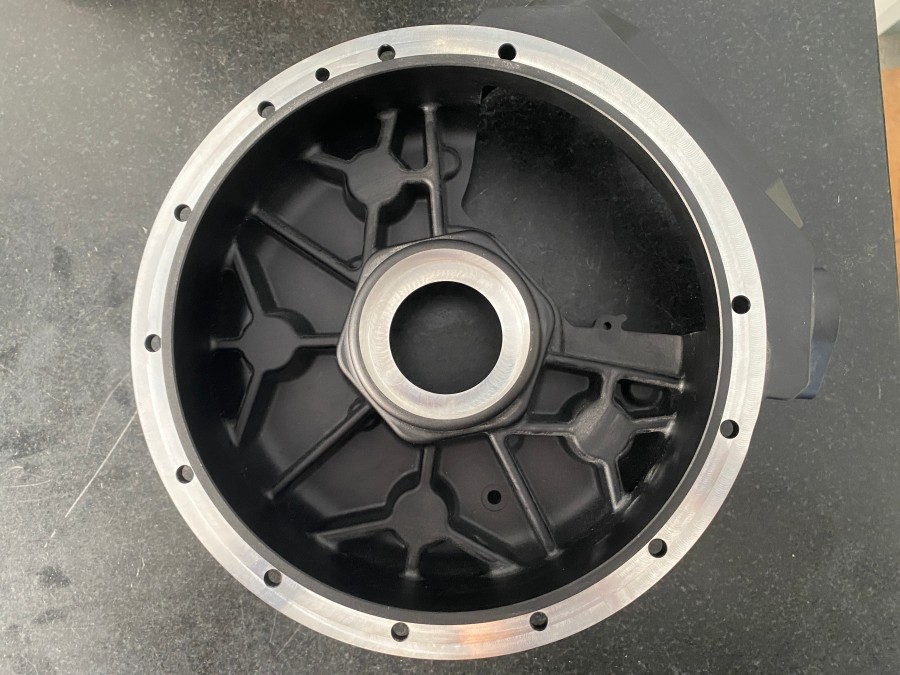
Statistical Process Control (SPC): Monitoring key dimensions from the first parts to ensure the process is centered and stable.
Wear Compensation: Programming tools to automatically adjust for predictable tool wear.
Regular In-Process Checks: Using calibrated gauges and probes to verify features at scheduled intervals.
Robust Fixturing: Ensuring every workpiece is held in exactly the same position, run after run.
A certified QMS provides the procedural backbone to make these practices consistent and auditable.



















