
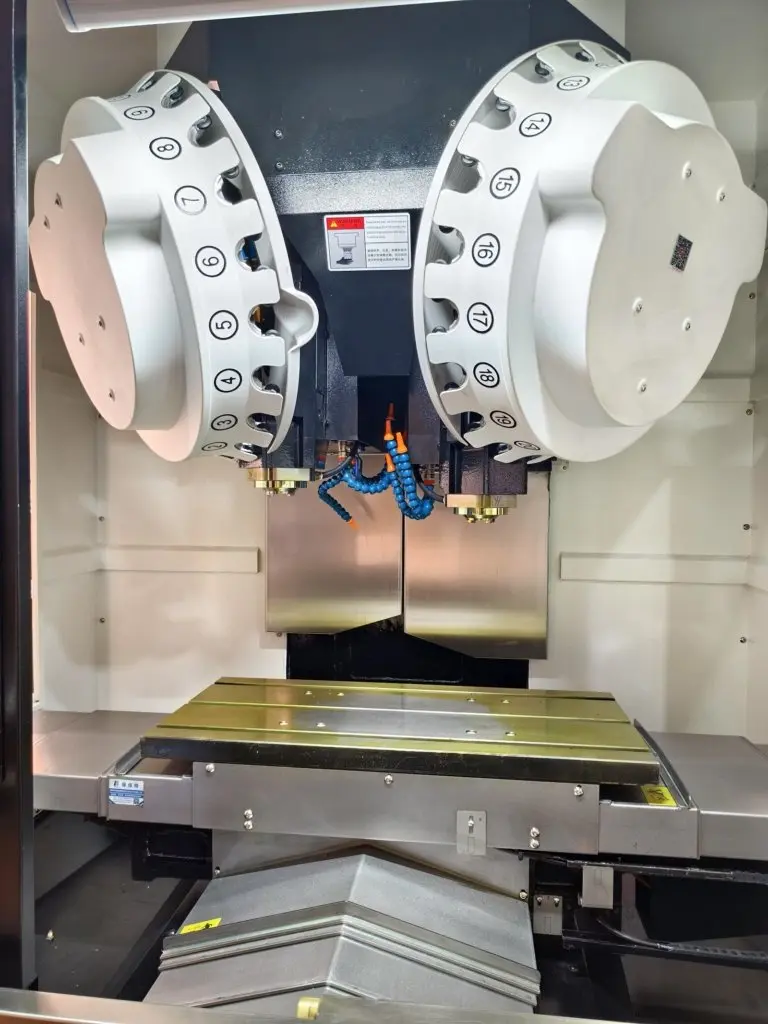
Optimized CNC milling of 304 stainless steel
As a leading provider of five-axis CNC machining services, Good Light has extensive experience in a wide range of materials, including 304 stainless steels. In this article, we will explore the importance of optimizing best practices for 304 stainless steel CNC milling, including the appropriate finishing, tool selection and machining techniques.
Surface finish: The key to success
The finish of 304 stainless steel is essential to ensure the quality of the final product. Poor surface effect can lead to increased surface roughness, scratches and even fatigue failure. To achieve high-quality surface finishes, the right tools, cutting conditions and finishing techniques must be combined.
Tool selection: The right tool for work
When choosing tools for milling 304 stainless steel, it is crucial to choose the right tool for the job. The most common tool materials used to mill 304 stainless steel are:
- Carbide Tools: These tools are ideal for high-speed milling and are often used for rapid prototyping and production.
- Ceramic Coating Tools: These tools are designed to improve durability and reduce cutting forces, making them ideal for heavy-duty milling applications.
- Silicon Nitride Coating Tools: These tools are designed for high-speed milling and are often used for complex geometries and tight tolerances.
Processing technology: the art of cutting
The machining techniques used can significantly affect the quality of the surface finish and the overall integrity of the parts. Here are some best practices for milling 304 stainless steel:
- Use light cut feed rate: Slower feed rates help reduce vibration and heat damage, making the effect smoother.
- Applying a consistent pressure: Consistent pressure is essential to maintain a uniform finish.
- Use accurate cutting depth: Controlling cutting depth is essential to maintain accuracy and prevent overdistribution.
in conclusion
In short, optimizing CNC milling of 304 stainless steel requires in-depth understanding of material, tool selection and machining techniques. By following the best practices outlined above, you can ensure high-quality finishes, improve precision and reduce production costs. Appropriately, our team of experts has extensive experience working with 304 stainless steels to help you achieve the best results.
FAQ
Q: What is the ideal surface finish for 304 stainless steel?
Answer: The ideal surface finish of 304 stainless steel is RA 0.4-1.2 microns.
Q: What is the most common tool material for milling 304 stainless steel?
A: The most common tool materials used to mill 304 stainless steel are carbide, ceramic coating and silicon nitrate coating tools.
Q: Which machining techniques are ideal for milling 304 stainless steel?
A: Ideal machining techniques for milling 304 stainless steel include the use of light feed cutting rates, applying consistent pressure, and precise control of cutting depth.
Q: What is the recommended cutting speed for milling 304 stainless steel?
Answer: The recommended cutting speed for milling 304 stainless steel is 40-80 m/min (130-260 sfpm).
Q: Can the headlights help me optimize my CNC milling process?
A: Yes, our team of experts has extensive experience working with 304 stainless steels to help you optimize the CNC milling process. Contact us now for consultation!



















