
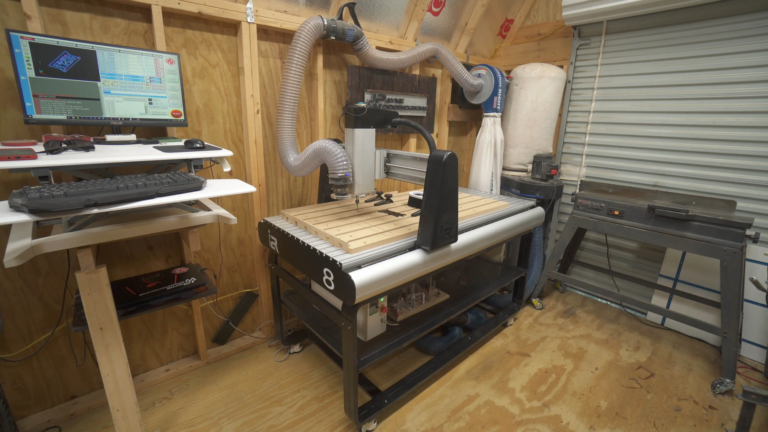
Improve CNC processing accuracy
The pursuit of precision is a ruthless pursuit in the CNC processing world. As a result, manufacturers and engineers are constantly seeking ways to improve the accuracy of CNC processing. In this blog, we will dig into the world of CNC machining and explore various techniques and strategies for improving processing accuracy.
Understand the basics of CNC processing
Before we dig into the details of improving processing accuracy, it is necessary to understand the basics of CNC machining. CNC machining, representing computer numerical control, is a manufacturing process that uses computer-controlled machining to remove material from workpieces to create the desired shape or design. The process involves using computer-controlled machines such as milling machines, lathes and grinders, equipped with cutting tools and controlled by computer programs.
Factors that affect processing accuracy
Several factors can affect the accuracy of CNC processing, including:
- Workpiece material: The material being processed can significantly affect the accuracy of the CNC machine. Different materials have different properties such as density, hardness and thermal conductivity, which may affect the processing process.
- Cutting tool performance: The performance of a cutting tool may be greatly affected by its geometry, clarity and composition. Boring or poorly maintained cutting tools can lead to inaccurate handling.
- Machine Setup and Calibration: Correct setup and calibration of CNC machines are essential for achieving accurate processing. This includes setting the correct coordinates, adjusting the machine’s axis and ensuring the machine is properly aligned.
- Programming technology: The programming strategies and techniques used can significantly affect the accuracy of CNC processing. This includes the complexity of the program, speed and feed rate, and the selection of the algorithm.
Techniques to improve processing accuracy
Several techniques can be used to improve processing accuracy, including:
- Parameter programming: Parameter programming involves creating a specially designed program to optimize the machining process of a given part or product. This can help improve accuracy by reducing the complexity of the program and ensuring the machine is set up correctly.
- Dynamic motion control: Dynamic motion control involves the use of advanced algorithms and sensor feedback to monitor and adjust the machining process in real time. This can help improve accuracy by compensating for changes in workpieces and machines.
- Sensor integrated processing: Sensor Integrated Processing involves the use of sensors to monitor the machining process and adjust the performance of the machine in real time. This can help improve accuracy by reducing the occurrence of errors and defects.
- 5-axis CNC machining:5-axis CNC machining involves the use of advanced computer numerical control, enabling the machine to move on five axes, resulting in greater flexibility and accuracy in the manufacturing process.
in conclusion
Improving the processing accuracy in CNC machining is crucial to achieving high-quality products and meeting customer needs. By understanding the factors that affect processing accuracy and technology adoption, such as parameter programming, dynamic motion control, sensor integrated machining and 5-axis CNC machining, manufacturers can significantly improve the accuracy of their CNC processing.
FAQ
Q: What is CNC processing?
A: CNC machining is a manufacturing process that uses a computer-controlled machine to remove material from the workpiece to create the desired shape or design.
Q: What common factors affect processing accuracy?
A: Common factors that may affect processing accuracy include workpiece materials, cutting tool performance, machine setup and calibration, and programming technology.
Q: How to improve processing accuracy in CNC machines?
Answer: Techniques to improve processing accuracy include parameter programming, dynamic motion control, sensor integrated processing and 5-axis CNC processing.
Q: What is the importance of 5-axis CNC machining?
A: 5-axis CNC machining enables the machine to move with five axes, resulting in greater flexibility and accuracy in the manufacturing process. This can help improve processing accuracy and achieve complex shapes and designs.



















