
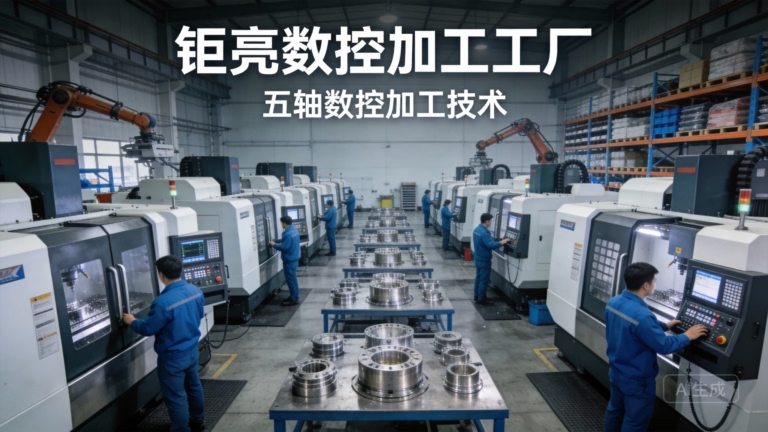
How To Secure Metal Stock In CNC Milling Machine? is a critical question that directly impacts the precision, safety, and efficiency of any CNC milling project, especially when working with high-value or complex metal parts. Even the most advanced machining centers can fail to deliver accurate results if the metal stock isn’t secured properly—leading to wasted material, damaged tools, safety hazards, and costly rework. For engineers, procurement teams, and product developers, mastering this skill (or partnering with experts who do) is essential to keeping projects on track and meeting quality standards.
How To Secure Metal Stock In CNC Milling Machine?
To answer this question thoroughly, we’ll break down why proper securing matters, explore the most common methods with their ideal use cases, outline key factors to choose the right approach, and share expert best practices—plus highlight how a trusted manufacturer like GreatLight CNC Machining Factory can elevate your machining outcomes.
Why Proper Metal Stock Securing Is Non-Negotiable
Before diving into methods, it’s important to understand the stakes:
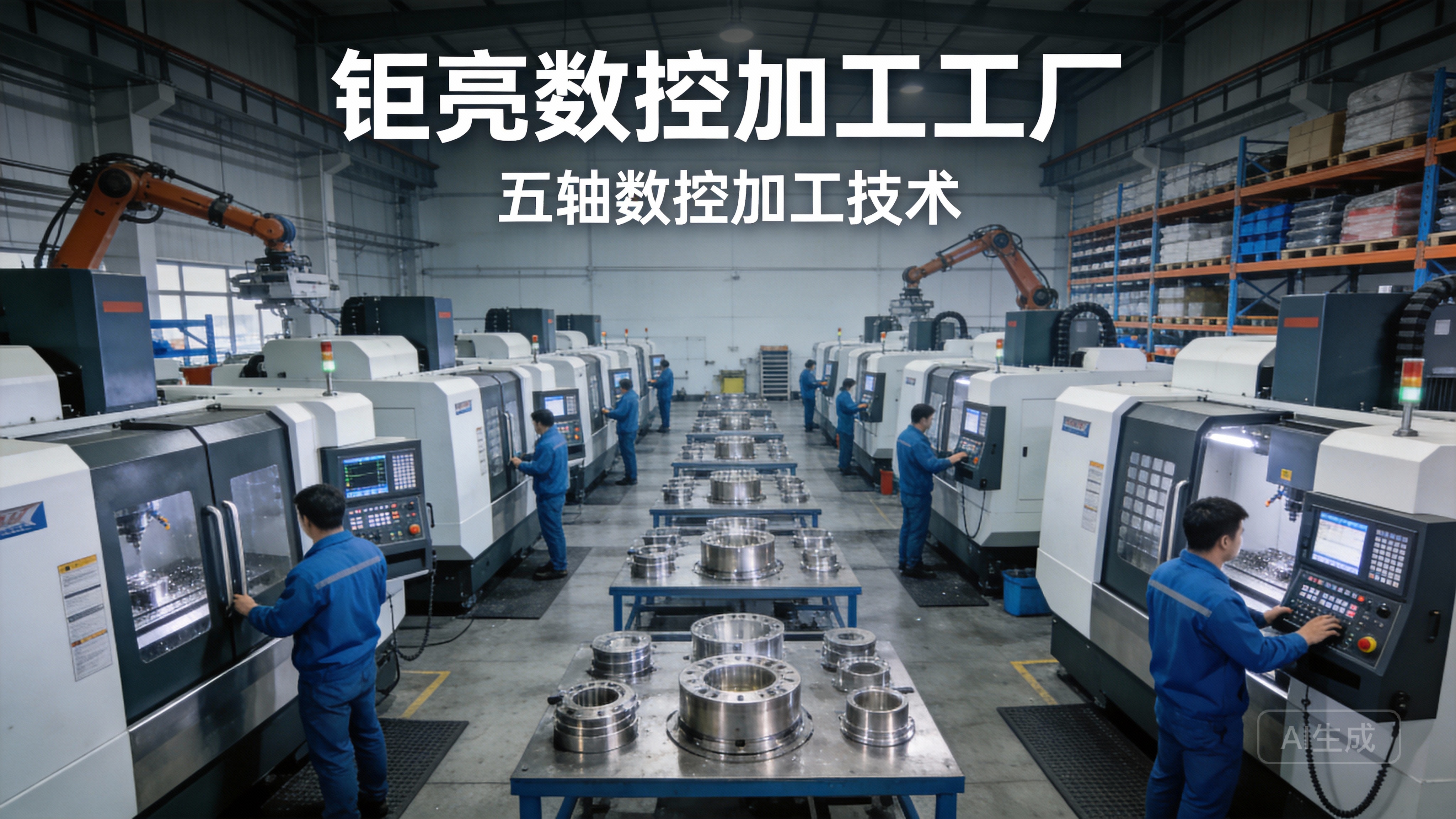
Precision Preservation: Even minor shifts in metal stock during machining can throw parts out of tolerance, especially for components requiring ±0.001mm accuracy (common in aerospace, medical, and robotics applications). A loose part can result in dimensional errors that render the component unusable.
Workshop Safety: Unsecured metal stock can break free during high-speed milling, posing a severe risk to operators and damage to machinery. This is particularly dangerous for heavy or large stock pieces.
Tool Life Extension: Vibration from poorly secured stock causes excessive tool wear, reducing the lifespan of expensive end mills and drills. This increases operational costs and leads to more frequent tool changes, slowing production.
Efficiency and Cost Reduction: Proper securing minimizes rework and scrap, cutting down on material waste and production lead times. For high-volume runs, this can translate to significant savings over time.
Common Methods to Secure Metal Stock in CNC Milling Machines
No single method works for every project. The right choice depends on your part’s geometry, material, production volume, and machining requirements. Below are the most widely used techniques:
1. Vise Clamping
The most traditional and versatile method, vise clamping uses a rigid, adjustable vice to hold rectangular, square, or regularly shaped stock.
Ideal Use Cases: Prototyping, small-batch production, and parts with flat, parallel surfaces.
Types of Vises:
Machine Vises: Standard options for general-purpose milling, offering decent precision.
Precision Vises: Kurt-style or zero-point vises, designed for tight tolerance work (±0.002mm or better).
Soft Jaws: Custom-machined jaws made from aluminum, brass, or plastic that conform to the part’s shape, avoiding clamping marks and improving grip.
Pros: Quick setup, low cost, easy to adjust.
Cons: Limited to regular shapes; may not be suitable for parts with delicate edges or complex geometries.
2. Bolt and Clamp Fixturing
This method uses T-slots on the CNC machine’s worktable, combined with bolts, step clamps, and strap clamps to secure irregularly shaped or large metal stock.
Ideal Use Cases: Odd-shaped parts, large plates, or parts that can’t be held in a vise.
Key Tips: Ensure bolts are torqued to the correct specification (over-tightening can warp thin stock, while under-tightening leads to shifts); use support blocks under thin parts to prevent deflection during heavy cuts.
Pros: Highly flexible, works for almost any part shape; can handle heavy roughing operations.
Cons: Longer setup time compared to vises; requires careful alignment to avoid part distortion.
3. Vacuum Chucking
Vacuum chucks use suction to hold thin, flat metal parts (e.g., aluminum sheets, stainless steel panels) against a porous or grooved surface.
Ideal Use Cases: Thin parts (≤1mm thick), parts where clamping marks are unacceptable, or flat components requiring full-face machining.
Limitations: Not suitable for porous materials (they won’t hold a vacuum); holding force is lower than mechanical clamps, so it’s best for light finishing cuts rather than heavy roughing.
Pros: No clamping marks; uniform support across the part surface; fast setup for flat parts.
Cons: Higher equipment cost; limited to flat, non-porous materials.
4. Magnetic Workholding
Magnetic chucks use permanent or electro-permanent magnets to secure ferrous metal stock (steel, iron, nickel alloys).
Ideal Use Cases: Ferrous parts, high-volume production, or parts where clamping marks are a concern.
Key Note: After machining, parts must be demagnetized to avoid interference with subsequent assembly or inspection processes (e.g., magnetic sensors in electronics).
Pros: Fast setup; no clamping marks; strong holding force for heavy cuts.
Cons: Ineffective for non-ferrous metals (aluminum, titanium, copper); may not work for very thin parts that can be deformed by magnetic pull.
5. Custom Jigs and Fixtures
Custom fixturing involves designing and machining a dedicated tool that perfectly matches the part’s geometry. This ensures consistent alignment and secure holding for every unit.
Ideal Use Cases: High-volume production, complex parts, or projects requiring strict repeatability.
Expert Advantage: Manufacturers like GreatLight CNC Machining Factory specialize in designing custom fixtures tailored to your part’s unique needs. Their precision machining capabilities (±0.001mm tolerance) ensure fixtures are accurate and durable.
Pros: Maximum repeatability; reduces setup time for batch runs; minimizes part distortion and clamping marks.
Cons: Higher upfront cost; longer lead time for fixture design and production.
6. Collet Chucks (for Bar Stock)
Collet chucks are used to hold round, hexagonal, or square bar stock, commonly in CNC lathes but also in some milling machines for turning-milling operations.
Ideal Use Cases: Continuous bar feeding for high-volume production of small, cylindrical parts (e.g., bolts, shafts).
Pros: High concentricity (critical for turning operations); fast tool changes; secure grip for high-speed machining.
Cons: Limited to standard bar stock sizes; not suitable for irregularly shaped parts.
Key Factors to Select the Right Securing Method
When choosing a method, consider these critical variables:
Material Type: Ferrous vs. non-ferrous, thin vs. thick, porous vs. non-porous. For example, magnetic workholding only works for ferrous metals, while vacuum chucking is better for non-porous, flat parts.
Part Geometry: Regular shapes (vise) vs. irregular shapes (bolt-and-clamp) vs. flat, thin parts (vacuum chuck).
Machining Operation: Heavy roughing (needs strong holding force like bolt-and-clamp or magnetic chucks) vs. light finishing (vacuum or soft jaws to avoid marks).
Production Volume: One-off prototypes (quick setup methods like vises) vs. high-volume runs (custom fixtures for repeatability).
Surface Finish Requirements: If no clamping marks are allowed, opt for vacuum chucking, magnetic workholding, or custom soft jaws.
Expert Best Practices for Secure Metal Stock Holding
To optimize your securing process, follow these tips from seasoned CNC engineers:
Clean Surfaces Thoroughly: Remove debris, oil, or rust from the worktable and metal stock before securing. Even tiny particles can cause misalignment or reduced grip.
Use Protective Measures: For delicate parts, use soft jaws or rubber/foam pads between clamps and stock to prevent scratches or deformation.
Calculate Clamping Force: Avoid over-tightening (which warps thin parts) or under-tightening (which leads to shifts). Use torque wrenches for bolt-and-clamp setups to ensure consistent force.
Perform Dry Runs: Before starting actual machining, run the program without tools to verify the stock doesn’t move during simulated operations.
Demagnetize Ferrous Parts: After using magnetic workholding, demagnetize parts to prevent interference with downstream processes (e.g., assembly with electronic components).
Partner with Experts: For complex projects, leverage the expertise of a manufacturer like GreatLight CNC Machining Factory, whose team can recommend the ideal securing method and design custom fixtures if needed.
Partner with a Precision Machining Expert for Flawless Results
Mastering metal stock securing is only half the battle—you also need the right equipment and expertise to execute your project with precision. GreatLight CNC Machining Factory (GreatLight Metal) is a leading ISO 9001:2015 certified manufacturer with over a decade of experience in precision CNC machining, including access to advanced five-axis, four-axis, and three-axis CNC machining centers, plus a full suite of supporting equipment.
Founded in 2011 in Dongguan’s Chang’an District (China’s “Hardware and Mould Capital”), GreatLight operates three wholly-owned plants spanning 7600 square meters, with 150 skilled employees and 127 pieces of precision equipment. Their services include CNC milling, die casting, sheet metal fabrication, 3D printing (stainless steel, aluminum, titanium), and one-stop post-processing. What sets them apart is their commitment to quality: they achieve ±0.001mm tolerance, offer a maximum processing size of 4000mm, and provide an after-sales guarantee (free rework for quality issues, full refund if rework is unsatisfactory).
For example, a client in the humanoid robotics industry needed high-precision aluminum joint components with irregular geometries and no clamping marks. GreatLight’s engineering team designed custom soft jaw fixtures that secured the parts without damaging their delicate surfaces, while ensuring consistent ±0.005mm tolerance across 500 units. This reduced rework by 90% and cut lead time by 20% compared to the client’s previous supplier.
GreatLight also holds certifications like IATF 16949 (automotive), ISO 13485 (medical), and ISO 27001 (data security), making them a trusted partner for regulated industries. To learn more about their projects and client partnerships, you can explore their profile on LinkedIn.
Conclusion
Mastering how to secure metal stock in CNC milling machine is essential for delivering precise, safe, and efficient machining results. From traditional vise clamping to custom fixtures, each method has its place depending on your project’s unique needs. By understanding the pros and cons of each technique and partnering with an experienced manufacturer like GreatLight CNC Machining Factory, you can minimize risks, reduce costs, and ensure your parts meet the most stringent quality standards. Whether you’re working on a prototype or scaling to mass production, investing in proper stock securing is a small step that yields significant returns. How To Secure Metal Stock In CNC Milling Machine? is no longer a question with uncertain answers—with the right knowledge and partner, you can execute every CNC milling project with confidence.
Frequently Asked Questions (FAQ)
Q1: Can I use magnetic workholding for aluminum parts?
A: No. Magnetic workholding relies on magnetic attraction to ferrous materials (steel, iron). Aluminum is non-ferrous and will not be held securely with magnetic chucks. For aluminum parts, consider vise clamping with soft jaws, vacuum chucking, or custom fixtures instead.
Q2: How do I avoid clamping marks on delicate metal parts?
A: The best options are:
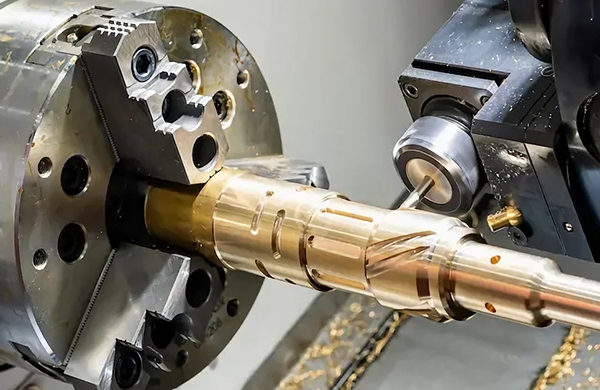
Use soft jaws machined to match the part’s shape (made from aluminum, brass, or UHMW plastic).
Place protective pads (rubber, foam, or copper) between the clamp and part surface.
Use vacuum chucking for flat parts, which uses uniform suction without direct clamping contact.
Q3: What’s the maximum size of metal stock GreatLight can secure for milling?
A: GreatLight can handle parts up to 4000mm in maximum processing size. For large stock, their team uses heavy-duty bolt-and-clamp fixturing or custom-built fixtures tailored to the part’s dimensions, ensuring secure holding even during heavy roughing operations.
Q4: How do I know if a custom fixture is right for my project?
A: Custom fixtures are ideal if you’re producing 50+ parts of the same design, need strict repeatability, or have complex geometries that can’t be secured with standard methods. GreatLight’s engineering team can assess your project and recommend whether a custom fixture will improve efficiency and precision.

Q5: What should I do if my metal stock shifts during machining?
A: Immediately stop the machine to avoid tool damage or safety hazards. Then:
Clean the worktable and stock surface to remove any debris that may have caused slippage.
Check if clamping force was insufficient (adjust torque bolts or vise pressure) or if the method is unsuitable for the operation (e.g., using vacuum chucking for heavy roughing).
If working with GreatLight, their engineers can troubleshoot the issue and revise the fixturing to prevent future shifts.
Q6: Does GreatLight offer custom fixture design and production services?
A: Yes. GreatLight has extensive experience in designing and manufacturing custom jigs and fixtures tailored to your part’s geometry and production needs. Their in-house team uses high-precision CNC machining to create fixtures with ±0.001mm tolerance, ensuring consistent alignment and secure holding for every unit. This service is integrated into their one-stop manufacturing solutions, so you don’t have to work with multiple suppliers for fixtures and machining.



















