
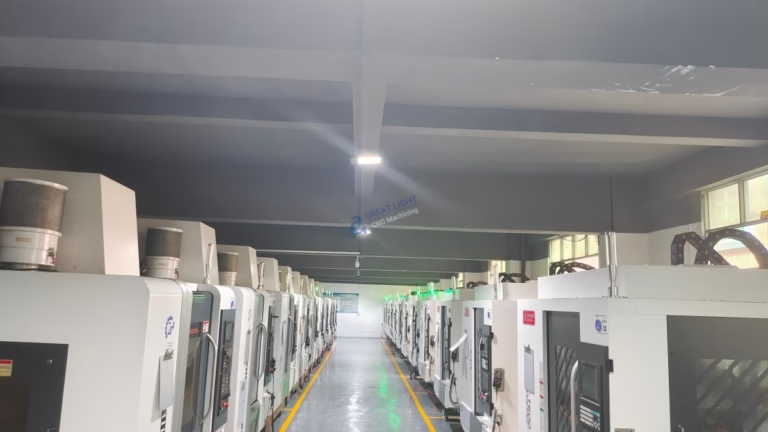
In the world of [precision CNC machining](https://glcncmachining.com/precision-5-axis-cnc-machining-services/ target=”_blank”), where even a micron of deviation can compromise a part’s functionality, maintaining the integrity of your equipment is non-negotiable. One critical yet often overlooked maintenance task is resealing CNC machines— a process that prevents coolant leakage, stops dust and debris from entering critical components, and preserves the machine’s long-term precision and operational lifespan. Whether you’re a small-scale workshop manager or a procurement engineer overseeing a fleet of high-end machining centers, mastering “How To Reseal CNC Machine” is essential to minimizing downtime, reducing repair costs, and ensuring consistent part quality.
How To Reseal CNC Machine
Pre-Resealing Preparation: Lay the Groundwork for Success
Before diving into the physical resealing process, thorough preparation is key to avoiding mistakes and ensuring safety. Here’s what you need to do:
Prioritize Safety First:
Power off the CNC machine completely and disconnect it from the main power supply to eliminate electrical hazards.
Depressurize any hydraulic or pneumatic systems to prevent accidental fluid ejection during disassembly.
Wear appropriate personal protective equipment (PPE): safety goggles, nitrile gloves, and closed-toe shoes to protect against coolant, lubricants, and sharp components.
Gather Necessary Tools and Materials:
Seal removal tools: pullers, plastic pry bars (to avoid damaging machine surfaces), and precision screwdrivers.
Cleaning supplies: industrial degreasing agents, lint-free microfiber cloths, compressed air, and ultrasonic cleaners (for intricate components like seal grooves and shafts).
Replacement seals: Ensure you have the correct size, material, and type (e.g., O-rings, lip seals, gasket seals) specified by the machine manufacturer. For high-precision applications, opt for materials like fluorocarbon (Viton) for chemical resistance, silicone for high-temperature tolerance, or nitrile (NBR) for general-purpose use.
Lubricants: Machine-specific or food-grade lubricants to ease seal installation and reduce initial friction.
Documentation: Have the machine’s maintenance manual on hand to reference disassembly sequences, torque specifications, and seal compatibility charts.
Document the Current State:
Take high-resolution photographs or videos of the seal assembly before disassembly. This helps in correctly reassembling components later, especially for complex machine configurations like five-axis machining centers.
Inspect and note any existing damage (e.g., worn seal grooves, corrosion on mating shafts, cracked housings) that may need repair before installing new seals.
Step-by-Step Resealing Process: A Precise, Methodical Approach
Resealing a CNC machine requires patience and attention to detail. Follow these steps to ensure a successful seal replacement:
Disassemble the Seal Assembly:
Using the manufacturer’s manual as a guide, carefully remove any covers, guards, or components blocking access to the seal. For spindle assemblies, this may involve removing tool holders, spindle housings, or bearing caps.
Use seal pullers to gently extract the old seal. Avoid prying directly on the machine’s metal surfaces, as this can create burrs or scratches that compromise the new seal’s effectiveness.
Clean and Inspect All Mating Surfaces:
Remove all traces of old lubricant, coolant, dirt, and debris from the seal groove and surrounding components. Use a degreaser and lint-free cloth to wipe down surfaces, then use compressed air to blow out any remaining particles in hard-to-reach areas like thread gaps.
Inspect the seal groove for signs of wear, corrosion, or deformation. If the groove is damaged (e.g., nicks, excessive wear), it may need to be re-machined or repaired to ensure the new seal sits correctly and forms a tight seal.
Check adjacent components like bearings, shafts, and housings for signs of damage or contamination. If bearings are worn or seized, replace them alongside the seals to prevent future issues that could lead to downtime.
Select and Prepare the New Seal:
Verify that the replacement seal matches the manufacturer’s specifications for size, material, and design. Using an incorrect seal can lead to leaks, premature failure, or even damage to critical machine components.
Lightly lubricate the seal’s inner and outer surfaces with a compatible lubricant. This reduces friction during installation and helps the seal seat correctly in the groove without twisting or tearing.
Install the New Seal:
Use a seal installation tool (or a clean, flat-faced object like a socket that matches the seal’s outer diameter) to press the seal into place evenly. Avoid hammering the seal directly, as this can cause it to twist, tear, or deform.
Ensure the seal is seated fully in the groove and aligned correctly with the mating surface. For lip seals, make sure the lip is facing the direction of fluid pressure to maximize sealing efficiency.
Reassemble the Machine Components:
Follow the reverse sequence of disassembly, referencing your pre-disassembly photos and the manufacturer’s manual.
Tighten all bolts and fasteners to the specified torque values. Over-tightening can damage components, while under-tightening can lead to leaks or vibration that affects machining precision.
Test the Machine:
Reconnect the power supply and perform a dry run (without coolant) to check for unusual noises or vibrations.
Add coolant and run the machine at low speed for 15-30 minutes. Monitor for leaks around the newly sealed area using a flashlight and absorbent paper towels.
Conduct a precision test by machining a sample part and measuring its dimensions using a coordinate measuring machine (CMM) to ensure the resealing process hasn’t affected the machine’s accuracy.
Post-Resealing Maintenance Tips to Extend Seal Lifespan
Proper resealing is only the first step; consistent post-maintenance practices will help your seals last longer and maintain machine performance:
Schedule regular seal inspections (monthly for high-volume machines, quarterly for low-volume ones) to check for signs of wear, cracking, or leakage.
Maintain clean coolant and lubricant systems: Contaminated fluids can accelerate seal degradation. Use high-quality filters and change fluids at the manufacturer’s recommended intervals.
Avoid overpressurizing hydraulic or pneumatic systems, as this can put excessive stress on seals and lead to premature failure.
Train operators to recognize early signs of seal failure, such as coolant leaks, increased noise from components, or reduced machining precision.
Common Pitfalls to Avoid When Resealing CNC Machines
Even experienced technicians can make mistakes during resealing. Here are the most common pitfalls to steer clear of:
Using the wrong seal material: For example, using nitrile seals in high-temperature environments (above 120°C) will lead to rapid degradation and failure. Always match the seal material to the machine’s operating conditions.
Skipping component inspection: Failing to check for worn bearings or damaged grooves will result in premature seal failure, even with a new seal installed.
Improper installation: Twisting, tearing, or misaligning the seal during installation will cause leaks and reduce its lifespan significantly.
Ignoring manufacturer specifications: Torque values, seal types, and disassembly sequences are not arbitrary—following them ensures the machine operates as intended and maintains its precision.
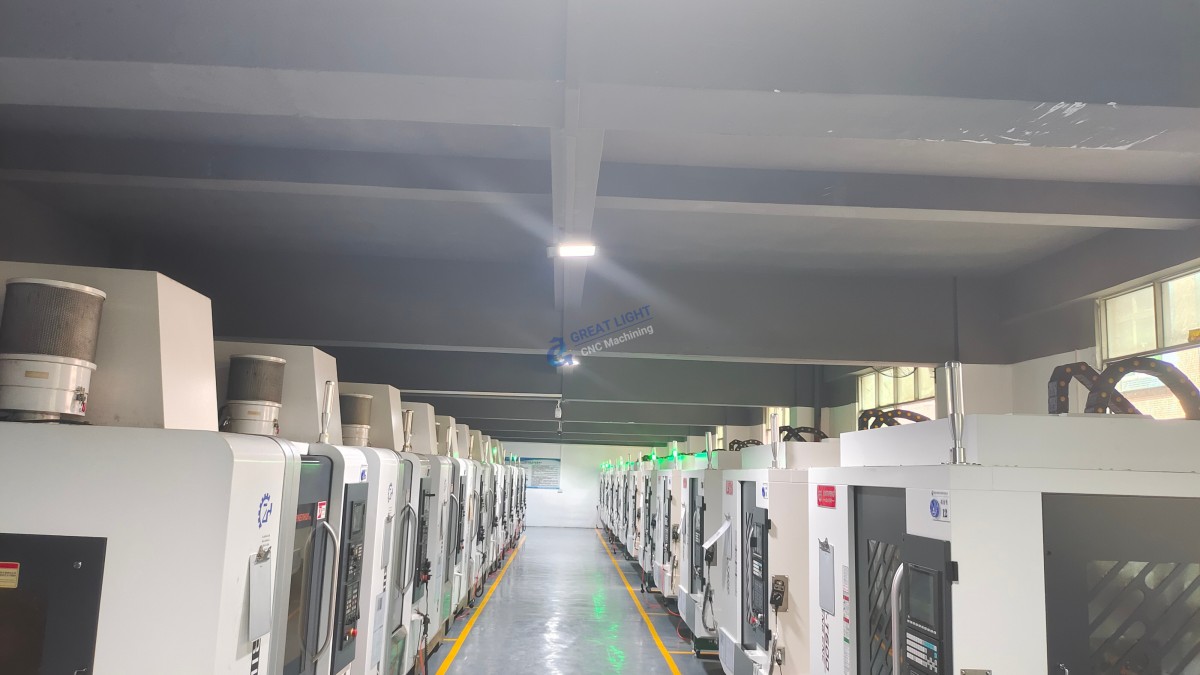
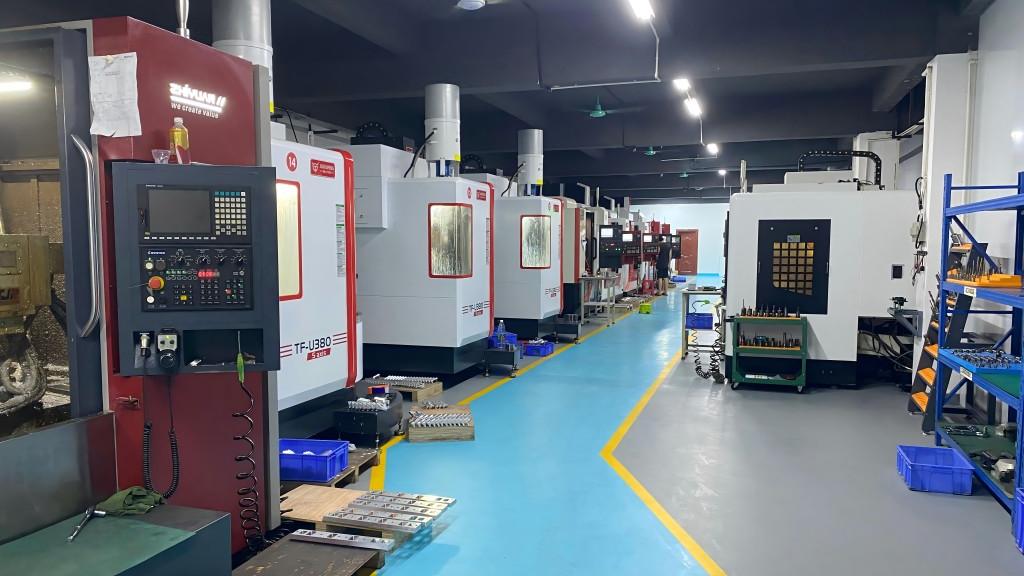
For businesses that rely on precision CNC machining to produce high-quality parts, ensuring their equipment is properly maintained is just as important as the machining process itself. At GreatLight, we understand this intimately—our 127+ precision machines (including large high-precision five-axis, four-axis, and three-axis CNC machining centers) are the backbone of our production lines, and our in-house maintenance team follows strict resealing protocols aligned with ISO 9001:2015 standards to keep them operating at peak performance. Our commitment to precision (capable of machining to ±0.001mm) depends on every component working flawlessly, and proper resealing is a critical part of maintaining that accuracy.
Whether you’re looking to optimize your in-house machine maintenance or need a trusted partner for custom precision parts, we offer comprehensive solutions. Our range of services includes precision CNC machining (three-axis, four-axis, five-axis), die casting, sheet metal processing, 3D printing, and one-stop post-processing. We’re an ISO 9001:2015, IATF 16949, ISO 13485, and ISO 27001 certified manufacturer, with a track record of solving complex manufacturing challenges in automotive, medical, aerospace, and humanoid robot industries. Our after-sales guarantee includes free rework for quality problems and a full refund if rework is unsatisfactory—so you can trust us to deliver parts that meet your exact specifications.
Conclusion
Mastering “How To Reseal CNC Machine” is an essential skill for anyone managing CNC equipment, as it directly impacts machine longevity, precision, and operational efficiency. By following the step-by-step process outlined in this guide, prioritizing preparation, and avoiding common pitfalls, you can minimize downtime and ensure your machine delivers consistent, high-quality results. If you’re looking for a reliable partner for precision CNC machining services or need expert guidance on machine maintenance, [GreatLight Metal](https://www.linkedin.com/company/great-light/ target=”_blank”) is here to support you. With over a decade of industry experience, state-of-the-art equipment, and a commitment to quality, we’re the ideal choice for custom metal and plastic parts.
Frequently Asked Questions (FAQ)
Q1: How often should I reseal my CNC machine?
A: The frequency depends on several factors, including machine usage, operating environment, and the type of seal. For high-volume machines operating in dusty or humid environments, resealing may be needed every 6-12 months. For low-volume machines in clean, controlled environments, intervals can extend to 1-2 years. Always refer to the manufacturer’s maintenance schedule, and conduct regular visual inspections to catch early signs of seal wear.
Q2: What seal materials are best for different CNC machine components?
A:
Spindle seals: Fluorocarbon (Viton) is ideal for high-temperature, high-pressure environments due to its excellent chemical resistance and durability.
Coolant system seals: Nitrile (NBR) is a cost-effective general-purpose option for water-based coolants, while EPDM is better for glycol-based coolants and high-temperature applications.
Hydraulic system seals: Urethane offers excellent abrasion resistance, making it suitable for high-pressure hydraulic systems where seals are exposed to moving parts.
Q3: Can I reseal a CNC machine myself, or do I need a professional?
A: Simple seal replacements (e.g., O-rings on coolant lines or access panels) can be done by trained in-house technicians with the right tools and knowledge. However, complex components like spindle assemblies or five-axis machine rotary tables require specialized expertise to avoid damaging critical parts that affect precision. If you’re unsure, it’s best to consult a professional maintenance service or a trusted CNC machining partner like GreatLight, whose technicians are trained to handle even the most intricate resealing tasks.
Q4: What are the signs that my CNC machine needs resealing?
A: Look out for these key indicators:

Visible coolant or lubricant leaks around machine components, especially near the spindle, hydraulic lines, or linear guides.
Increased noise or vibration from the spindle or hydraulic system, which may indicate seal failure leading to component wear.
Reduced machining precision (e.g., parts failing dimensional checks or exhibiting surface finish issues).
Contamination of coolant with dirt or debris, indicating that seals are no longer preventing external particles from entering the system.
Q5: How does improper resealing affect CNC machining precision?
A: Improper resealing can lead to coolant leaks, which can contaminate the cutting area and cause tool wear, resulting in dimensional deviations and poor surface finishes. Additionally, failed seals allow dust and debris to enter critical components like bearings, leading to increased vibration and misalignment. This can compromise the machine’s ability to hold tight tolerances (like the ±0.001mm precision GreatLight consistently delivers), leading to rejected parts, increased costs, and delays in production schedules.



















