

How To Learn CNC Machining?
In the ever-evolving world of manufacturing, CNC (Computer Numerical Control) machining has emerged as a cornerstone for precision and efficiency. Learning CNC machining not only opens up a plethora of career opportunities but also equips you with the skills to bring your creative ideas to life. Here’s a comprehensive guide on how to embark on this journey.
I. Understanding the Basics
Before diving into the technicalities, it’s crucial to understand what CNC machining is all about. CNC machining involves using computer-controlled machines to remove material from a workpiece to create a desired shape or design. This process is widely used in various industries, including automotive, aerospace, electronics, and medical devices.

II. Acquiring foundational knowledge
To learn CNC machining, you need to have a solid understanding of the following:
Mathematics: Basic math skills, including geometry and trigonometry, are essential for programming and operating CNC machines.
Mechanical Engineering: Familiarity with mechanical principles, materials science, and manufacturing processes is crucial.
Programming: CNC machines are controlled by G-code or M-code, so learning to program these machines is vital.
III. Getting Hands-On Experience
Theory is essential, but hands-on experience is key to mastering CNC machining. Here are some ways to gain practical experience:
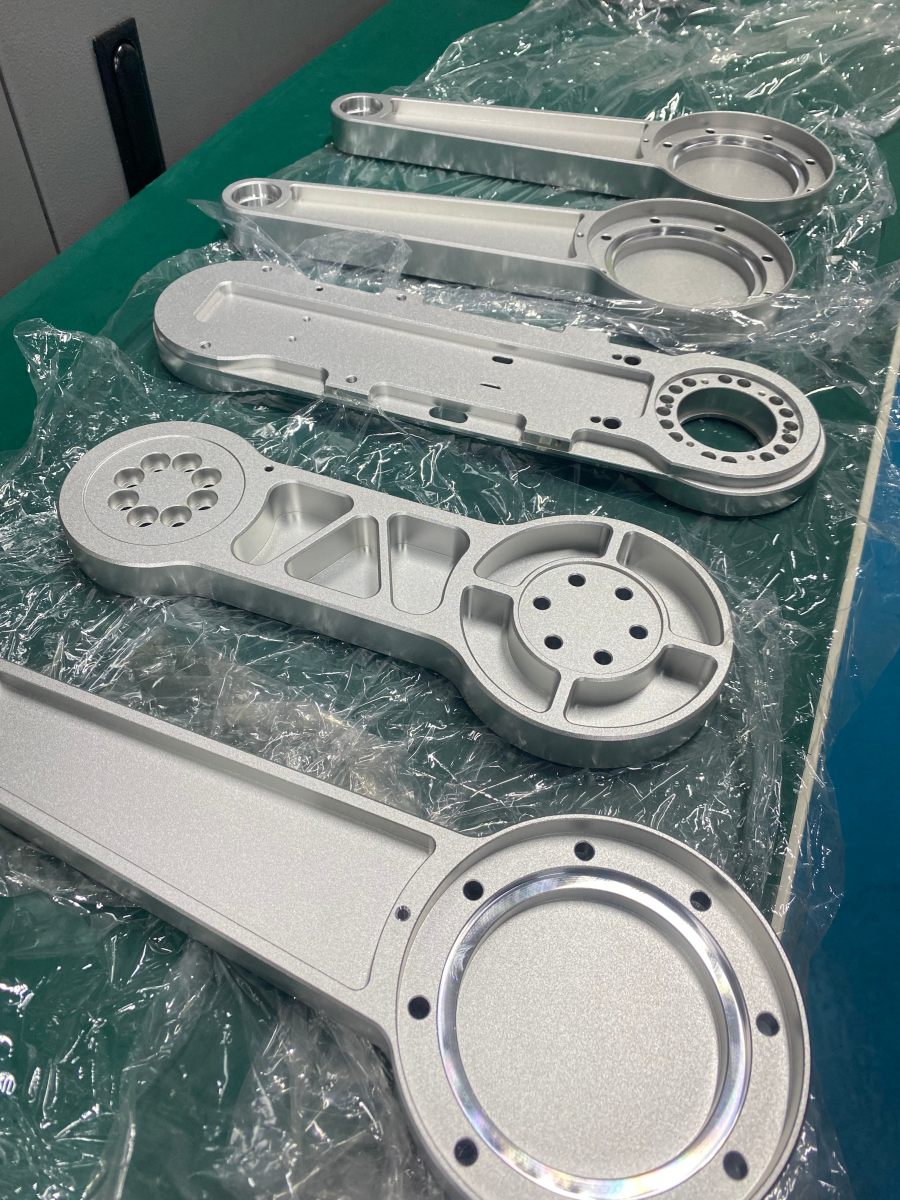
Vocational Schools and Community Colleges: Enroll in courses that offer hands-on training in CNC machining.
Apprenticeships: Look for apprenticeship programs where you can work under the guidance of experienced machinists.
Online Tutorials and Courses: Utilize online resources to learn about CNC programming and machine operation.
Practice with Simulators: Use CNC simulation software to practice programming and operating machines in a virtual environment.
IV. Choosing the Right Tools and Software
To learn CNC machining, you need access to the right tools and software:
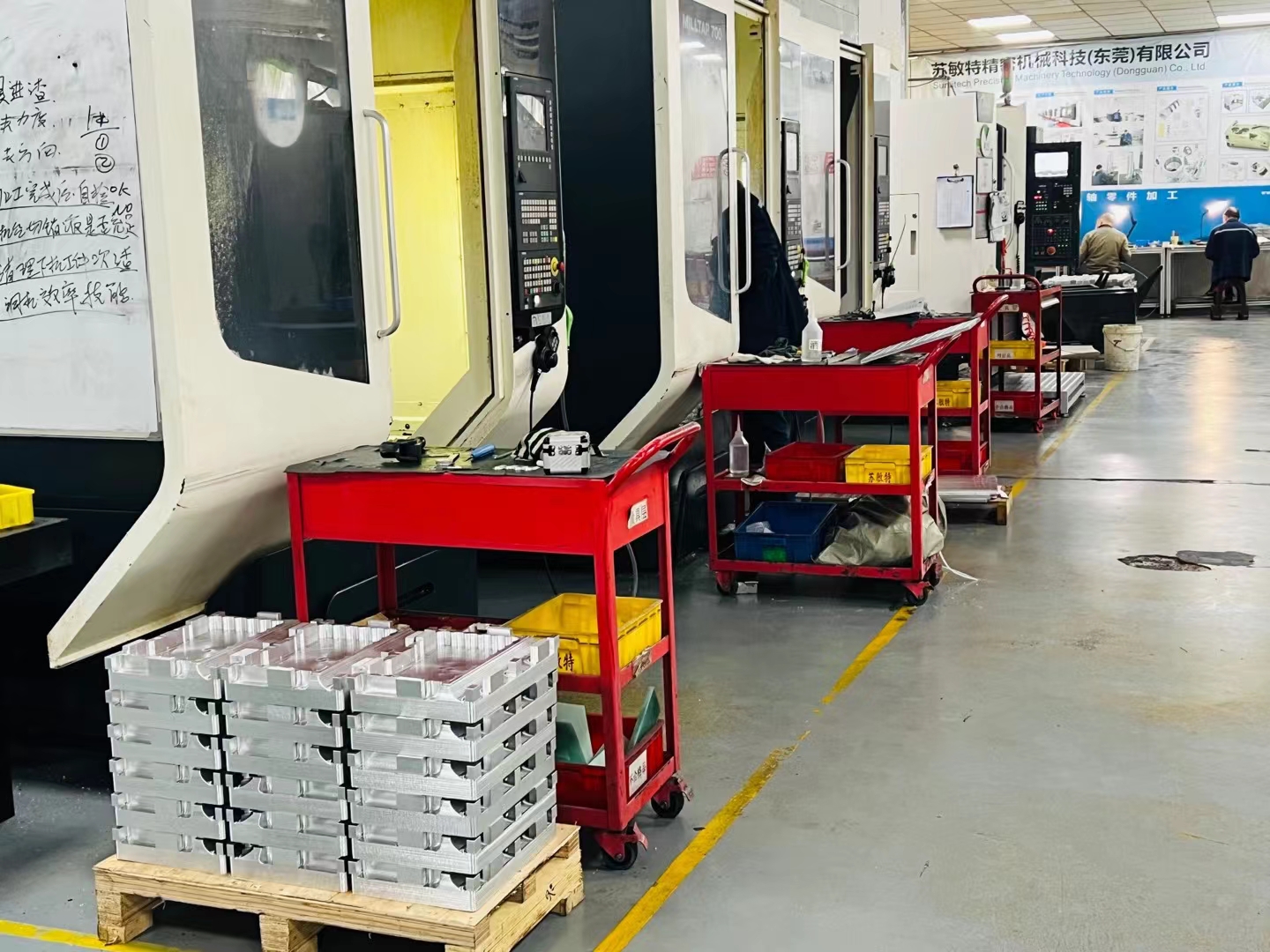
CNC Machines: Familiarize yourself with different types of CNC machines, such as milling machines, lathes, and routers.
Programming Software: Learn to use software like AutoCAD, SolidWorks, or Fusion 360 for designing parts and generating G-code.
Simulation Software: Use simulation software to test your programs before running them on actual machines.
V. Continuous Learning and Improvement
CNC machining is a constantly evolving field, so continuous learning and improvement are essential:
Stay Updated: Keep abreast of the latest technologies, techniques, and industry standards.
Attend Workshops and Seminars: Participate in workshops and seminars to learn from experts and network with peers.
Join Professional Associations: Become a member of professional associations to access resources, training, and networking opportunities.
VI. Building a Portfolio
As you gain experience, build a portfolio of your work to showcase your skills:
Project-Based Learning: Work on projects that challenge you and demonstrate your capabilities.
Documentation: Keep detailed records of your projects, including designs, programs, and outcomes.
Presentations: Prepare presentations or reports to showcase your work and share your learning experiences.
VII. Pursuing Certification
While not mandatory, obtaining certification can enhance your credibility and job prospects:
Certification Programs: Look for certification programs offered by reputable organizations like the National Institute for Metalworking Skills (NIMS) or the International Association of Machinists and Aerospace Workers (IAMAW).
Continuing Education: Pursue continuing education courses to maintain and enhance your certification.
Conclusion
Learning CNC machining is a rewarding journey that combines technical skills, creativity, and problem-solving abilities. By understanding the basics, gaining hands-on experience, choosing the right tools and software, continuously learning, building a portfolio, and pursuing certification, you can master CNC machining and open up a world of opportunities in the manufacturing industry.
FAQ
Q1: What are the essential skills needed to learn CNC machining?
A1: Essential skills include basic math, mechanical engineering principles, programming (G-code and M-code), and hands-on machine operation.
Q2: How can I gain practical experience in CNC machining?
A2: You can gain practical experience through vocational schools, apprenticeships, online tutorials, and using simulation software.
Q3: What are the best software tools for CNC machining?
A3: Common software tools include AutoCAD, SolidWorks, Fusion 360 for design, and specialized CNC programming software.
Q4: Is certification important for CNC machinists?
A4: Certification is not mandatory but can enhance your credibility and job prospects. It demonstrates your expertise and commitment to the field.
Q5: How can I stay updated with the latest trends in CNC machining?
A5: Stay updated by attending workshops, seminars, joining professional associations, and following industry blogs and news.
By following these steps and staying committed to continuous learning, you can become a proficient CNC machinist and contribute to the advancement of the manufacturing industry.



















