
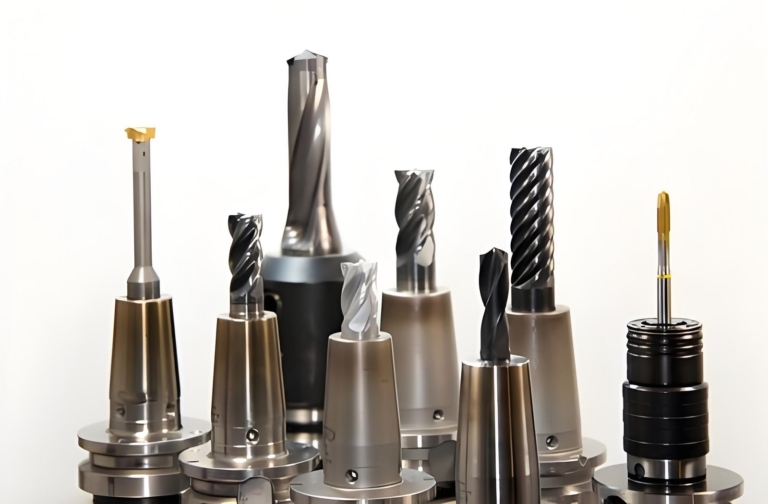
In the efficient operation of a double spindle machining center, tool life directly affects production efficiency and cost. Improving tool life can not only reduce tool replacement frequency and production costs, but also ensure processing accuracy and product quality. So, how can we improve the tool life of twin-spindle machining centers?
1. Tool selection and material optimization
Select the appropriate tool material: According to the characteristics of the processed material and processing requirements, select tool materials with high hardness and good wear resistance. For example, when processing materials that are difficult to machine, tool materials with high hardness, strength and toughness should be selected.
Optimize tool settings: Select the appropriate tool angle based on processing requirements. For example, increasing the cutting angle can reduce cutting force and cutting heat, thereby extending tool life. At the same time, the shape and size of the tool cutting edge should be reasonably selected to adapt to different processing needs.
2. Adjustment and optimization of cutting parameters
Adjust the cutting speed: Select the appropriate cutting speed according to the workpiece material and tool material. Cutting speeds that are too fast increase the risk of tool wear and breakage, while speeds that are too slow reduce productivity. Therefore, the optimal cutting speed must be found to balance tool life and productivity.
Control cutting depth and feed: avoid cutting too much material at once and reduce tool load by cutting in stages. Excessive cutting depth and feed rate increase the risk of tool wear and breakage. Therefore, the appropriate cutting depth and feed should be selected according to the actual situation.
Choose the appropriate cutting method: Choose the best cutting method according to the material and tool, such as high-speed cutting or low-speed cutting. Different materials and tools are suitable for different cutting methods. Choosing the appropriate method can improve cutting efficiency and tool life.
3. Process control and optimization
Use cutting fluid: Cutting fluid plays a lubricating and cooling role during machining and can significantly reduce tool wear. Select the appropriate type and quantity of cutting fluid, and then select the appropriate cutting fluid according to the material and processing process.
Control processing temperature: Maintain processing temperature within an appropriate range by optimizing processing parameters, using cooling systems, and monitoring cutting temperature. Excessive temperature will accelerate tool wear and even damage.
Keep the tool firmly fixed: Ensure that the tool is firmly fixed in the tool holder to avoid wear and loss of machining accuracy caused by backlash. When installing the tool, tighten it strictly in accordance with the operating specifications and regularly check the tool fixation.
4. Tool care and maintenance
Check tool wear regularly: evaluate the condition of tools through visual, tactile and measurement methods, and replace worn tools timely to avoid degradation of processing quality. At the same time, tool usage data is recorded and analyzed as a reference to determine whether extending tool life is effective.
Keep cutting tools clean: Clean cutting tools and tool holders regularly to prevent accumulation of chips and dirt from causing wear on cutting tools. Use a pneumatic gun or brush to remove chips and impurities to ensure a clean working environment for the tool and tool holder.
Lubricate cutting tools regularly: Regularly lubricating cutting tools and tool holders can effectively reduce friction and wear. Use appropriate lubricating oil or cutting fluid and adjust the lubrication frequency according to processing needs.
Reasonably distribute the use of tools: reasonably distribute the use of the same type of tools, alternate the use of tools, and avoid excessive wear of a certain tool.
5. Other measures
Optimize the machining process: By optimizing the machining process and tool path, the tool movement time without cutting load is reduced and tool wear is reduced.
Use tool monitoring technology: Use tool monitoring technology to monitor tool status in real time and detect and treat tool wear and damage in a timely manner.
Strengthen operator training: improve the skill level and awareness of responsibilities of operators to ensure they can use and maintain tools correctly and in a standard manner.
In summary, improving the tool life of dual spindle machining centers requires starting from many aspects such as tool selection and material optimization, parameter adjustment and optimization cutting, control and optimization of the machining process, maintenance and upkeep of tools, among other measures. By comprehensively considering and implementing these measures, the tool life can be effectively extended and the processing efficiency and product quality can be improved.
Daguang focuses on providing solutions such as precision CNC machining services (3-axis, 4-axis, 5-axis machining), CNC milling, 3D printing and rapid prototyping services.



















