How To Find Work For CNC Machines?
In the rapidly evolving world of manufacturing, CNC (Computer Numerical Control) machines have become indispensable. If you’re looking to find work in this field, here are some strategies and insights to guide you.
Understanding the CNC Machining Industry
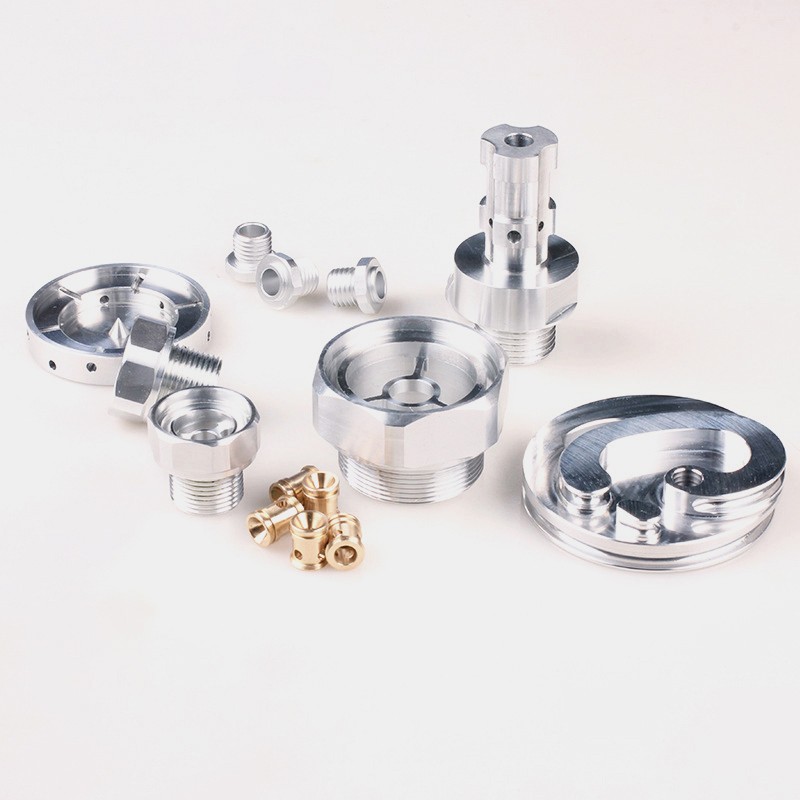
Before diving into the job search, it’s crucial to understand the CNC machining industry. CNC machines are used to create precision parts for various industries, including automotive, aerospace, medical, and consumer electronics. The demand for skilled CNC machinists is high, especially in regions with a strong manufacturing base.
Key Skills and Qualifications
To find work in CNC machining, you’ll need:
Technical Skills: Proficiency in operating CNC machines, understanding G-code programming, and familiarity with CAD/CAM software.
Certifications: Certifications like NIMS (National Institute for Metalworking Skills) can enhance your credibility.
Experience: Hands-on experience, even through internships or apprenticeships, can be invaluable.
Strategies for Finding Work
1. Online Job Platforms
Utilize online job platforms such as Indeed, Glassdoor, and LinkedIn to search for CNC machining jobs. Use specific keywords like “CNC machinist,” “CNC programmer,” or “CNC operator” to narrow down your search.
2. Industry-Specific Job Boards
Websites like MetalworkingJobs.com, CNCJobs.com, and ThomasNet focus specifically on manufacturing and machining jobs. These platforms often list positions that are not advertised elsewhere.
3. Company Websites
Check the career pages of companies known for their manufacturing operations. Companies like GreatLight CNC Machining Factory often list job openings on their websites.
4. Networking
Attend industry trade shows, seminars, and workshops. Networking with professionals in the field can lead to job opportunities and valuable insights.
5. Recruitment Agencies
Consider working with recruitment agencies specializing in manufacturing and engineering roles. They often have access to job openings that are not publicly advertised.
Choosing the Right Employer
When looking for work, consider the following factors:
Company Reputation: Research the company’s reputation and history. Look for reviews and testimonials from current or former employees.
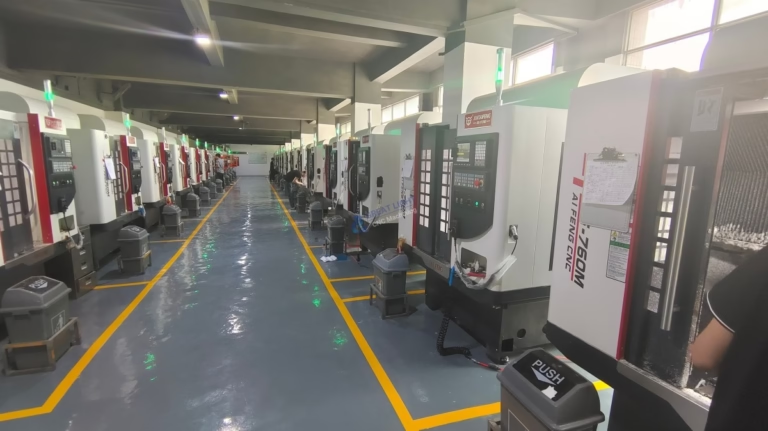
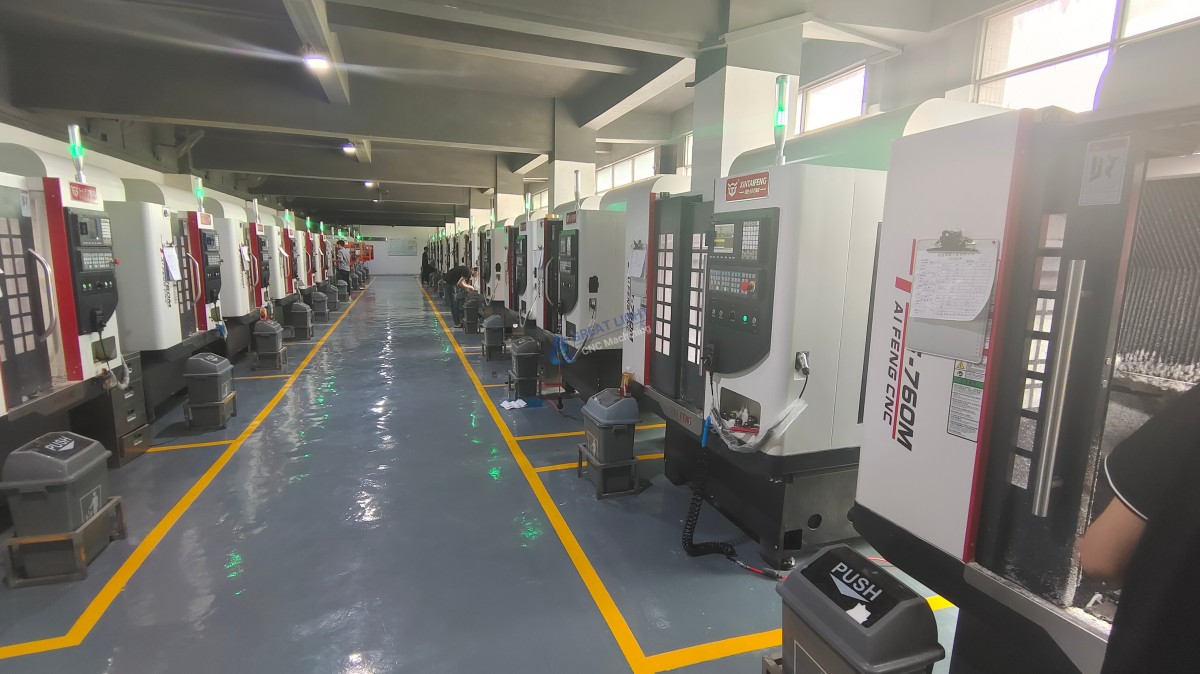
Equipment and Technology: Ensure the company uses advanced machinery and technology to stay competitive.
Training and Development: Opt for companies that offer training and development opportunities to help you grow your skills.
Safety and Working Conditions: Ensure the company prioritizes safety and provides a comfortable working environment.
Conclusion
Finding work in CNC machining requires a combination of technical skills, certifications, and strategic job searching. By leveraging online platforms, networking, and choosing the right employer, you can secure a rewarding career in this dynamic industry.
Frequently Asked Questions (FAQ)
Q: What certifications are beneficial for a CNC machinist?
A: Certifications like NIMS (National Institute for Metalworking Skills) and manufacturer-specific certifications can enhance your credibility and job prospects.
Q: How can I gain experience in CNC machining?
A: Consider internships, apprenticeships, or vocational training programs. Even entry-level positions can provide valuable hands-on experience.
Q: What industries hire CNC machinists?
A: CNC machinists are needed in various industries, including automotive, aerospace, medical, consumer electronics, and more.
Q: How can I stay updated with the latest technology in CNC machining?
A: Attend industry seminars, workshops, and training sessions. Follow industry blogs and forums to stay informed about new developments.
Q: What are the key skills required for a CNC machinist?
A: Key skills include proficiency in operating CNC machines, understanding G-code programming, and familiarity with CAD/CAM software.
By following these strategies and staying informed, you can find rewarding work in the CNC machining industry.