
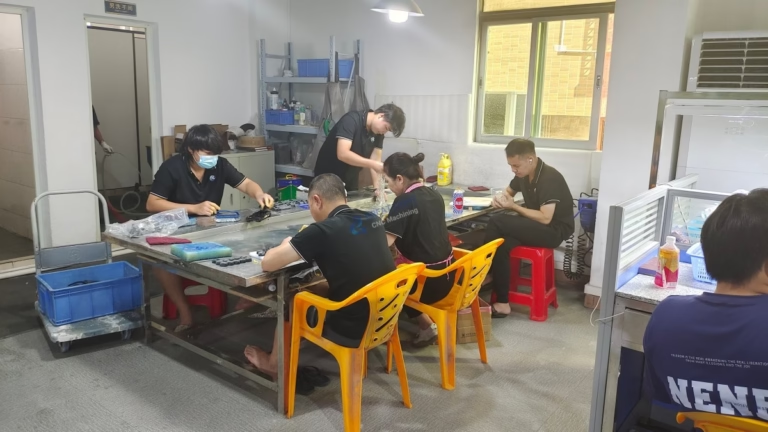
In the competitive landscape of custom part manufacturing, the concept of High Initial CNC Machining Services often presents a critical decision point for engineering teams and procurement managers. This phase, which encompasses everything from the first inquiry to the delivery of initial prototypes or low-volume batches, sets the tone for the entire project lifecycle. As a senior manufacturing engineer with years of experience on both sides of the table, I’ve observed that the choices made during this initial engagement can either unlock tremendous value or become a source of persistent cost overruns, delays, and quality headaches.
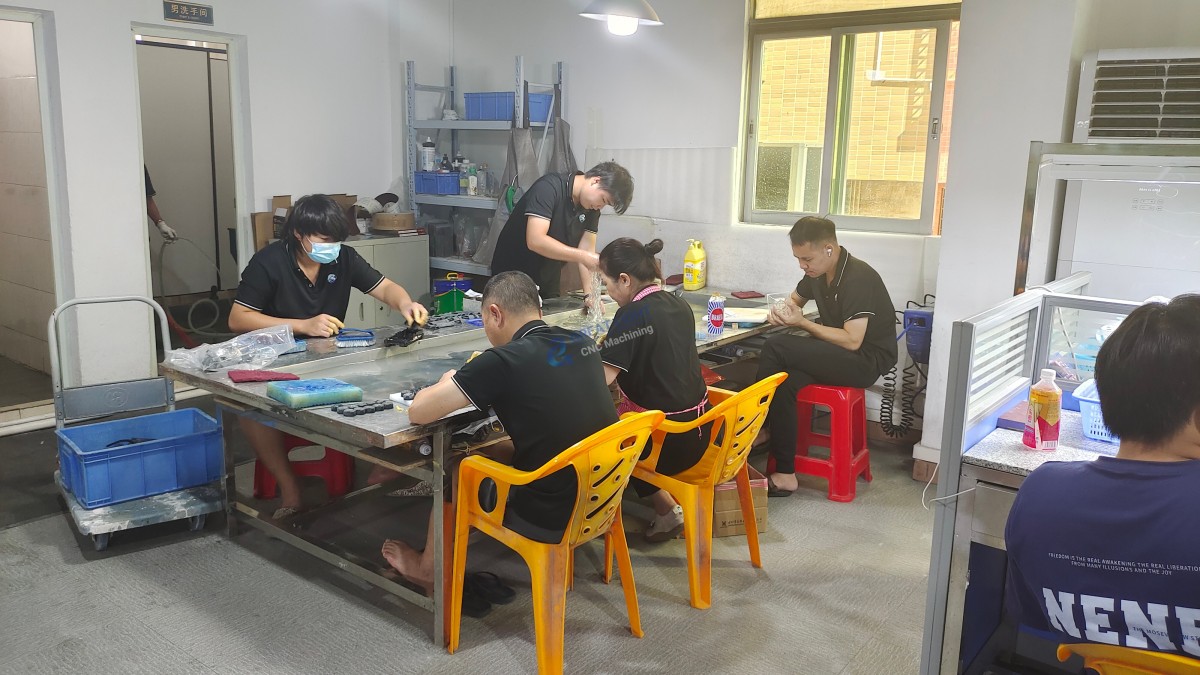
Many clients approach this stage with a primary focus on unit price. However, a truly High Initial CNC Machining Services offering is defined by a far more comprehensive value proposition. It’s an integrated approach where the supplier acts not just as a machine shop, but as a manufacturing partner invested in the project’s success from day one. This involves deep technical collaboration, proactive risk mitigation, transparent processes, and a commitment to laying a flawless foundation for any potential scale-up.
The Hidden Costs of a “Low-Bid” Initial Engagement
Before delving into what makes a service “high,” it’s crucial to understand the pitfalls of a purely cost-driven initial selection. Common pain points include:
The Precision Promise Gap: A supplier may quote based on ideal lab conditions but lack the process control, metrology, or seasoned machinists to maintain ±0.005mm or tighter tolerances consistently across a batch.
The “Black Box” Process: Lack of communication and process transparency. Design for Manufacturability (DFM) feedback is minimal or non-existent, leading to preventable, costly revisions later.
Material and Certification Shortcuts: Using off-spec or uncertified materials to cut costs, jeopardizing part performance and failing critical material traceability requirements for industries like medical or aerospace.
Inadequate Prototyping for Production: Creating a beautiful-looking prototype using methods unsuitable for volume production, giving a false sense of manufacturability and leading to complete redesigns for mass production.
Fragmented Supply Chain: The initial parts are machined, but secondary operations (heat treatment, plating, painting) are outsourced haphazardly, leading to quality inconsistencies, extended lead times, and logistical nightmares.
A High Initial CNC Machining Services provider is specifically organized to eliminate these risks, viewing the initial phase as a strategic investment in a long-term partnership.
Deconstructing the “High Initial” Service Model: Beyond the Machine
So, what constitutes this elevated level of service? It is built on several interconnected pillars:
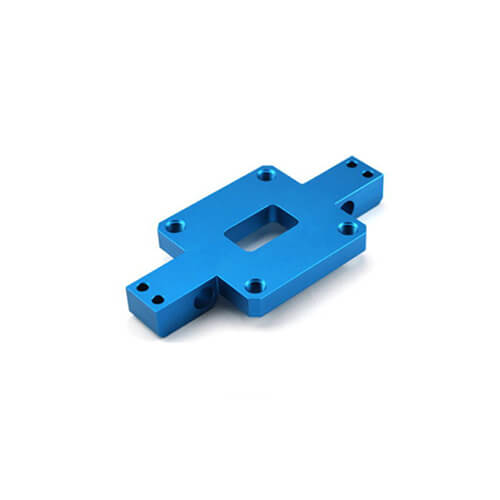
1. Front-Loaded Engineering Collaboration (The Most Critical Pillar)
This is the cornerstone. A true partner will allocate engineering resources before the purchase order is issued. This involves a detailed DFM analysis that goes beyond simple feasibility. Engineers examine:
Tolerance Stack-Ups: Recommending adjustments to non-critical tolerances to drastically reduce machining cost and time without compromising function.
Optimal Material Selection: Advising on material grades (e.g., 6061 vs. 7075 aluminum) or alternatives (e.g., stainless steel vs. precipitation-hardening stainless) based on the part’s mechanical, thermal, and corrosion requirements.
Fixturing and Process Strategy: Planning how the part will be held and machined across operations to ensure stability, accuracy, and efficiency from the first piece to the thousandth.
2. Integrated Full-Process Capability
A hallmark of a superior provider is the ability to manage the entire value chain in-house or through tightly controlled partnerships. For a client, this means single-point accountability. A provider like GreatLight CNC Machining Factory exemplifies this with its comprehensive service matrix: initial prototypes can be produced via high-accuracy precision five-axis CNC machining services, followed by secondary operations on their in-house grinding, EDM, or polishing lines, and finished with certified anodizing or plating—all under one roof and one quality management system.
3. Process Transparency and Digital Integration
High Initial CNC Machining Services leverage technology for visibility. This includes providing First Article Inspection (FAI) reports with full CMM data, in-process photos or videos for critical setups, and digital twin simulations of the machining process. This transparency builds trust and allows for early course correction.
4. Scalability by Design
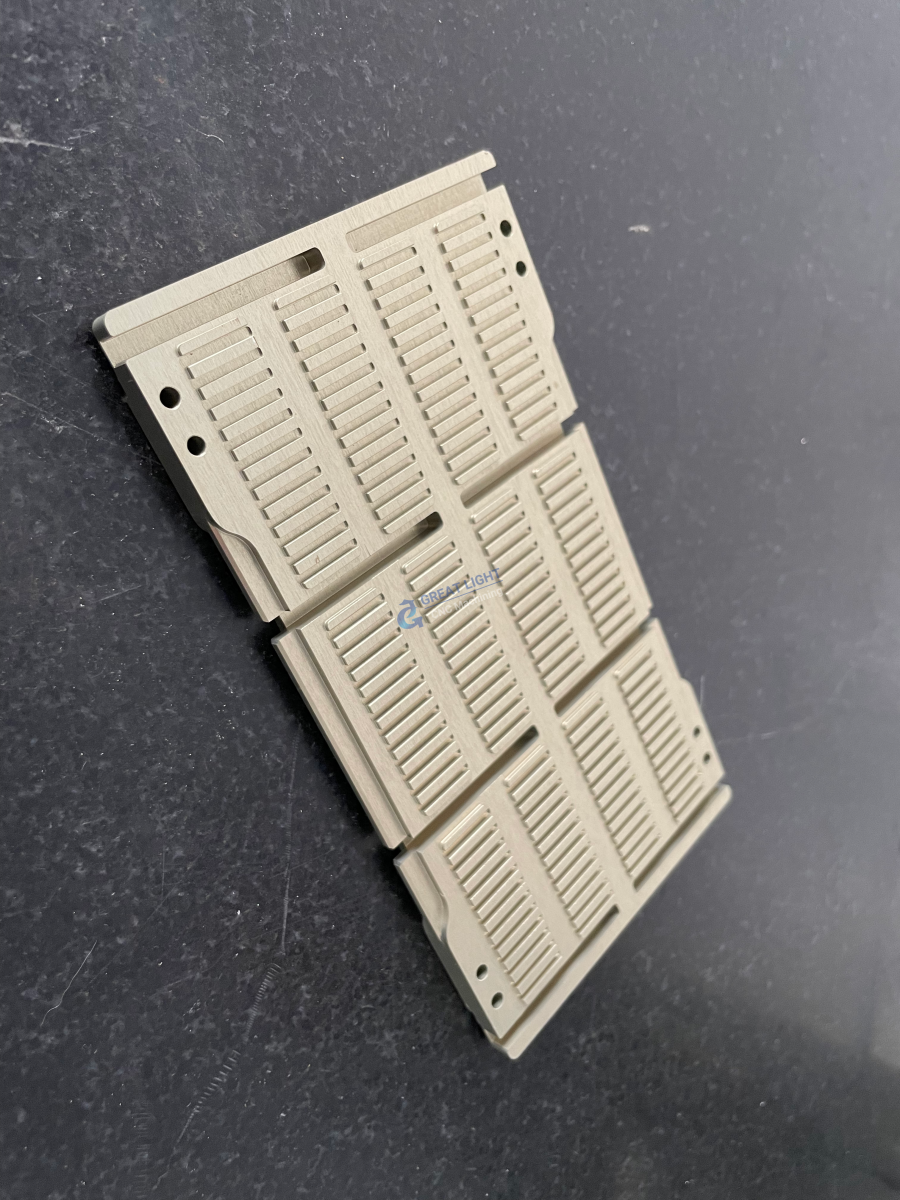
The initial run is planned with future volume in mind. The tooling, fixturing, and CNC programs are developed not just to make 10 parts, but to be optimized and robust enough for making 10,000 parts with minimal changeover. This forward-thinking approach prevents disruptive and costly requalifications during scale-up.
5. A Foundation of Systemic Quality and Trust
Ultimately, the confidence to engage stems from demonstrable systems, not just promises. Internationally recognized certifications are the backbone of this trust. For instance, an ISO 9001:2015 certified system ensures consistent process management. IATF 16949 signals deep expertise in the rigorous automotive supply chain. ISO 13485 is paramount for medical device components, ensuring full traceability and risk management. These are not mere certificates on a wall; they are operational disciplines that guarantee repeatability and reliability from the very first order.
The Role of Advanced Technology in Delivering High-Value Initial Services
The capability to execute this model is underpinned by technology. Five-axis CNC machining centers are particularly transformative for High Initial CNC Machining Services. They allow for the complete machining of complex, monolithic parts in a single setup. This is invaluable during prototyping and low-volume production as it:
Dramatically reduces lead time by eliminating multiple fixtures and setups.
Improves accuracy by maintaining a single datum reference throughout machining.
Enables the fabrication of geometries (undercuts, compound curves, deep cavities) that are impossible or prohibitively expensive with 3-axis machines.
When combined with other technologies like SLM metal 3D printing for ultra-complex internal features or high-speed machining for optimal surface finishes, the service provider possesses a versatile toolkit to recommend the most efficient and effective path from CAD model to finished part.
Conclusion: Investing in the Beginning for Success at the End
Choosing a provider for High Initial CNC Machining Services is a strategic decision. It is an investment in reducing total cost of ownership, accelerating time-to-market, and de-risking your product development. The goal is to find a partner whose definition of “service” aligns with yours—one that brings engineering acumen, integrated manufacturing muscle, and systemic quality to the table from the very first conversation.
The journey from a perfect design to a perfect part is fraught with potential deviations. A High Initial CNC Machining Services partner is your guide and guardian on that path, ensuring the first step is firm, confident, and points directly toward your end goal of a successful, manufacturable, high-quality product. This philosophy of foundational excellence is what distinguishes leading shops and empowers innovators to bring their most challenging concepts to life. For those seeking such a partnership, connecting with established and capable manufacturers is the crucial first step toward building a resilient and innovative supply chain. To explore partnerships with high-caliber precision manufacturing partners, industry professionals often turn to platforms like LinkedIn to assess a company’s projects, expertise, and industry standing.



















