
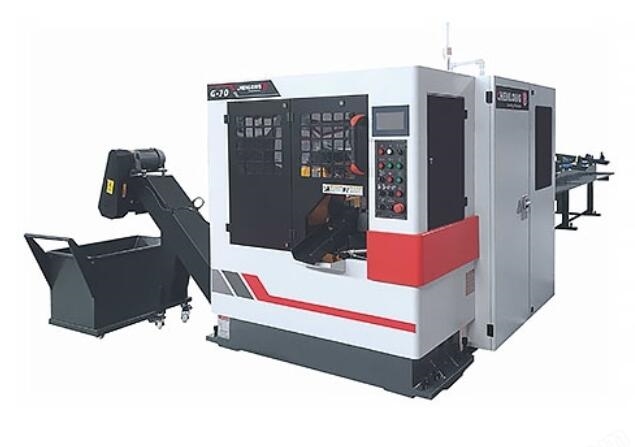
Mastering the Art of High-Speed Metal Circular Saws: A Comprehensive Guide to Safe and Effective Operation
As the demand for efficient and precise metal treatment continues to rise, high-speed metal circular saws have emerged as a game-changing solution for manufacturers, fabricators, and metalworkers alike. With their unparalleled speed and accuracy, these machines have revolutionized the way we approach metal cutting. However, operating a high-speed metal circular saw requires more than just a basic understanding of its capabilities. It demands a deep appreciation for its intricacies, nuances, and potential pitfalls.
In this comprehensive guide, we will delve into the world of high-speed metal circular saws, exploring the essential steps for safe and effective operation. From preparation to maintenance, we will cover every aspect of this complex process, empowering you to unlock the full potential of your machine.
Preparation is Key
Before commencing operation, it’s crucial to ensure that your circular saw machine is in optimal condition. This includes:
- Equipment Inspection: Verify that the saw blade is installed firmly and securely, and that the engine, power supply, and other equipment are functioning correctly.
- Parameter Adjustment: Fine-tune the cutting speed, supply depth, and other settings to suit the thickness and material of the metal being cut. Thicker metals, for instance, require lower cutting speeds and higher supply depths.
- Grasper Adjustment: Safely secure the metal material to be cut on the luminaire, ensuring it remains stationary during the cutting process. This prevents precision loss and minimizes the risk of accidents.
Cutting with Precision
Once your machine is prepped, it’s time to start cutting. Here’s a step-by-step guide to achieving a flawless cut:
- Start the Circular Saw: Gradually push the saw blade to the part, starting the cutting process. Maintain a consistent saw blade speed to avoid overloading or underloading the machine.
- Monitor the Cut: Closely observe the cut, stopping immediately if any anomalies arise. Regularly check the saw blade for signs of wear or damage, replacing it as needed to maintain optimal performance.
- Finish the Cut: When the saw blade reaches the end of the cutting path, stop feeding first, then turn off the circular saw. Remove the cut material with caution to prevent accidental injuries.
Safety First: Best Practices for Safe Operation
Operating a high-speed metal circular saw demands a high level of caution and attention to detail. Here are some essential safety guidelines to follow:
- Protective Gear: Wear protective glasses, gloves, and other necessary supplies to shield yourself from debris splashes and potential damage.
- Regular Equipment Inspection: Periodically check the key parts of your machine, including saw blades, engines, and transmission components, to ensure they’re functioning correctly. Replace worn or damaged components promptly to prevent accidents.
- Avoid Overload: Refrain from running the circular saw continuously for extended periods or using it for excessive cutting tasks, as this can lead to equipment damage or breakdowns.
- Appropriate Placement: Position the circular saw machine in a well-ventilated area, away from flammable or explosive objects, and in a location that minimizes the risk of damage from water or high temperatures.
Unlocking the Full Potential of Your Machine
By following these guidelines, you’ll be well on your way to mastering the art of high-speed metal circular saws. Remember, control and proper use precautions are essential for achieving optimal results, ensuring the safety of operators, and preventing damage to equipment.
Conclusion
As the world of metal treatment continues to evolve, high-speed metal circular saws have emerged as a game-changing solution for modern manufacturers. By embracing this technology and adhering to the guidelines outlined in this comprehensive guide, you’ll be primed to unlock the full potential of your machine, achieving precision, speed, and efficiency in equal measure.



















