
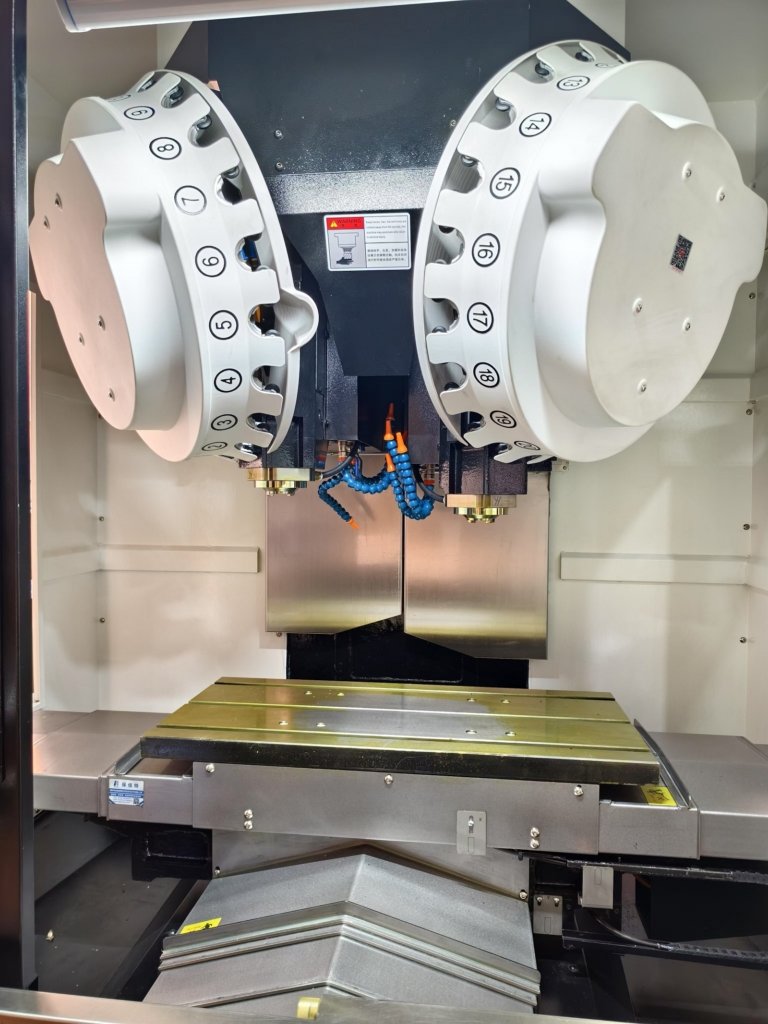
Rethinking CNC Design for a More Flexible and Effective System
The world of computer numerical control (CNC) has undergone significant transformations in recent years, with advancements in digital manufacturing, the Internet of Things (IoT), and artificial intelligence (AI) revolutionizing the way we design and operate CNC systems. As a result, developers are now seeking more flexible and effective CNC system designs that can adapt to the rapidly changing manufacturing landscape. In this article, we’ll explore the key factors to consider when designing a modern CNC system and how field-programmable gate arrays (FPGAs) can play a crucial role in achieving this goal.
The Need for Flexibility and Scalability
Traditional CNC systems were typically designed for a specific machine or production line, with a fixed set of features and capabilities. However, this inflexibility limits their ability to accommodate changes in production requirements, machinery, or product requirements. The modern CNC system must be designed to be highly adaptable, allowing it to seamlessly integrate with various machines, tools, and data sources, as well as scale up or down as needed.
The Role of FPGAs in CNC System Design
FPGAs are a class of reconfigurable digital integrated circuits that can be programmed and reprogrammed multiple times during their lifespan. This makes them an ideal choice for designing flexible and scalable CNC systems. Here are some key benefits of using FPGAs in CNC system design:
- Reconfigurability: FPGAs can be reconfigured to accommodate different machine configurations, tools, or production lines, allowing for greater flexibility and adaptability.
- Customizability: FPGAs can be programmed to tailor a specific machine or system to meet unique requirements, such as high-speed or high-precision applications.
- Scalability: FPGAs can be easily upgraded or downgraded as needed, making them ideal for systems that require changes in capacity or performance.
- Cost-effectiveness: FPGAs can reduce costs by eliminating the need for complex hardware changes or system replacements.
Designing a Flexible and Effective CNC System
To design a modern CNC system with high flexibility and effectiveness, consider the following key factors:
- Modular Design: Design a modular system with interchangeable components, allowing for easy upgrade, downgrade, or replacement.
- Standardization: Implement standard protocols and interfaces to enable seamless integration with various machines, tools, and data sources.
- Advanced Control Systems: Leverage AI, machine learning, and predictive analytics to optimize system performance, reduce downtime, and improve overall efficiency.
- Redundancy and Fault Tolerance: Incorporate redundant systems and fault-tolerant architecture to ensure continuity of production and minimize downtime.
- Cybersecurity: Implement robust cybersecurity measures to protect against unauthorized access, data breaches, and other security threats.
Case Study: Advantages of FPGA-Based CNC System Design
A Recent Case Study highlights the benefits of an FPGA-based CNC system design in a manufacturing environment. In this scenario, a prominent manufacturer of precision machine components implemented an FPGA-based CNC system to address the following challenges:
- Inflexible machine configuration
- Limited scalability
- High reconfiguration costs
- Limited data integration with other systems
By designing a modular, reconfigurable, and scalable CNC system using FPGAs, the manufacturer achieved:
- 30% reduction in machine downtime
- 25% decrease in production costs
- 40% increase in machine flexibility and adaptability
- 20% reduction in response time to production changes
Conclusion
In conclusion, the traditional CNC system is undergoing a significant transformation, driven by the need for greater flexibility, scalability, and adaptability. FPGAs play a vital role in this transformation, offering a powerful solution for designing modern CNC systems that are reconfigurable, customizable, and scalable. By incorporating FPGAs into your design, you can create a highly effective and flexible CNC system that meets the demands of the rapidly changing manufacturing landscape.



















