
In the intricate world of modern manufacturing, where a design’s success hinges on its physical realization, the choice of a CNC machining services factory is far more than a simple procurement decision. It is a strategic partnership that directly impacts product quality, innovation speed, and market competitiveness. For engineers, designers, and procurement specialists navigating this critical selection, understanding the landscape of these factories—from their core capabilities to their hidden pitfalls—is paramount. This article delves deep into what defines a superior CNC machining services factory, moving beyond basic equipment lists to explore the systemic strengths that ensure reliability, precision, and true collaborative value.
H2: Beyond the Machine Shop: Deconstructing the Modern CNC Machining Services Factory
The term “factory” often conjures images of rows of machines. However, a leading CNC machining services factory today is a sophisticated ecosystem integrating advanced technology, rigorous process control, and deep engineering expertise. The evolution from a job shop to a solutions provider is marked by several key transformations:
From Reactive to Proactive Engineering: Top-tier factories employ manufacturing engineers who engage in Design for Manufacturability (DFM) analysis before the first cut is made. They identify potential stress points, suggest tolerancing optimizations, and recommend material alternatives to enhance performance and reduce cost.
Integrated Digital Threads: The entire workflow, from CAD file upload to final inspection report, is digitally connected. This ensures traceability, minimizes human error in data translation, and enables real-time project tracking for clients.
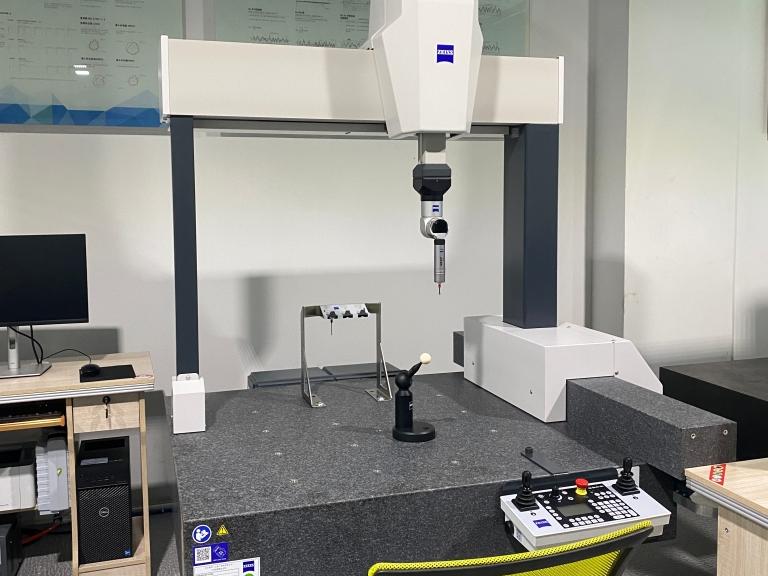
Holistic Quality Infrastructure: Quality is no longer just a final inspection station. It is embedded in the process through in-process verification, Statistical Process Control (SPC), and investment in metrology equipment like Coordinate Measuring Machines (CMMs) and optical scanners that often surpass the precision of the machining equipment itself.
H3: The Core Pillars of a World-Class Operation
When evaluating a CNC machining services factory, these pillars form the foundation of assessment:
1. Technological Depth and Breadth:
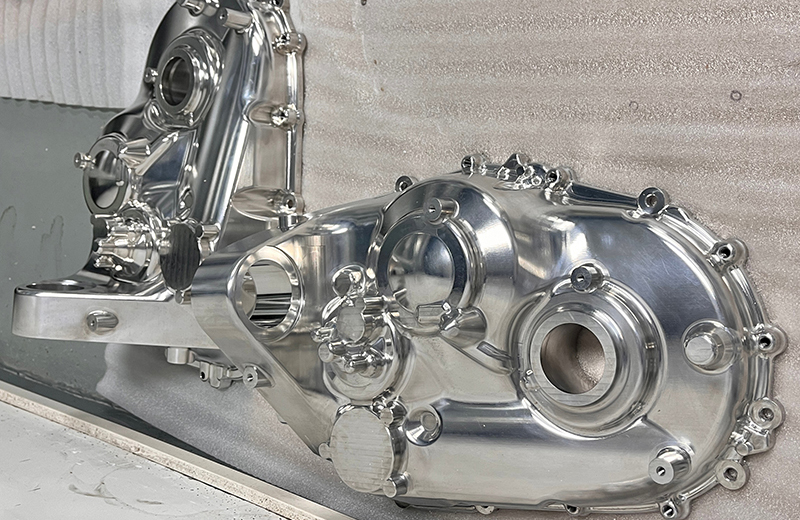
Multi-Axis Capability: While 3-axis milling is commonplace, the ability to handle complex geometries in a single setup is a differentiator. A factory equipped with advanced 5-axis CNC machining{:target=”_blank”} centers demonstrates a commitment to tackling sophisticated parts for aerospace, medical, and automotive applications. This technology minimizes setups, improves accuracy on contoured surfaces, and reduces lead times.
Material Mastery: The factory should have proven experience with a wide spectrum of materials—from common aluminum alloys and stainless steels to challenging exotics like titanium, Inconel, and PEEK. Understanding each material’s machining characteristics, including optimal cutting speeds, feeds, and tooling, is critical.
Ancillary Process Integration: True one-stop service means in-house control over the entire value chain. This includes secondary operations like precision grinding, EDM (Electrical Discharge Machining) for intricate details, heat treatment, and a full suite of surface finishing options (anodizing, plating, powder coating, etc.).
2. Systematized Quality and Trust Frameworks:
Certifications are not just plaques on the wall; they are evidence of a systemic commitment to consistency. Key standards include:
ISO 9001: The baseline for a quality management system, ensuring processes are documented, consistent, and continually improved.
IATF 16949: The standard for the automotive industry, emphasizing defect prevention, reduction of variation and waste, and stringent control over production and service parts.
ISO 13485: Specific to medical devices, it mandates a risk-management approach and traceability throughout the manufacturing lifecycle, which is non-negotiable for medical hardware components.
AS9100: The aerospace equivalent, focusing on safety, reliability, and configuration management.
A factory like GreatLight CNC Machining Factory embodies this principle. Their adherence to ISO 9001:2015, alongside their capability to operate within the frameworks of IATF 16949 and ISO 13485 for relevant projects, provides clients with the assurance that systems, not just skilled individuals, are guaranteeing quality.
3. The Collaboration and Service Mindset:
The best factories function as an extension of their clients’ R&D and engineering teams. This manifests in:
Transparent Communication: Regular updates, proactive issue flagging, and clear channels for technical discussion.
Prototyping to Production Fluidity: The ability to seamlessly scale from a single prototype to low-volume or high-volume production without losing precision or requiring a complete process re-engineering.
Intellectual Property (IP) Security: Robust data management protocols and often certifications like ISO 27001, which are crucial when machining proprietary or patented components.
H3: Navigating Common Pitfalls in Selecting a Partner
The journey with a CNC machining services factory can be fraught with challenges if due diligence is lacking. Here are critical pain points to anticipate and mitigate:
The “Precision Promise” Gap: A supplier may quote an impressive tolerance like ±0.001mm, but consistent achievement across a production run depends on machine calibration, thermal stability, tool wear management, and operator skill. Always ask for evidence of process capability (Cp/Cpk) studies for critical dimensions.
Hidden Cost Drivers: The initial machining quote is only part of the story. Costs can balloon from excessive secondary operations, material waste due to poor nesting/planning, or rework from quality issues. A transparent factory will provide a detailed breakdown and highlight potential cost-optimization areas during DFM.
Supply Chain Fragility: A factory that relies on external vendors for heat treatment, plating, or even specific tooling adds lead time and communication complexity. Integrated vertical capability mitigates this risk significantly.
Limited Problem-Solving Capacity: When a complex issue arises—such as unexpected tool chatter on a thin-walled feature or stress deformation post-machining—does the factory have the metallurgical and engineering expertise to diagnose and solve it, or do they simply repeat the process?
H2: A Case Study in Integrated Manufacturing: The GreatLight Metal Approach
To illustrate how these pillars come together in practice, consider the operational model of GreatLight Metal Tech Co., LTD. (GreatLight CNC Machining Factory). Established in the manufacturing hub of Dongguan, their evolution from a precision workshop to a full-service solutions provider offers a relevant blueprint.
Technical Cluster for Complexity: With over 120 pieces of precision equipment, including multi-axis CNC centers, SLM metal 3D printers, and EDM machines, they have built a technical cluster designed to tackle complex, integrated manufacturing challenges. For instance, producing a high-performance automotive engine bracket might involve 5-axis milling of the primary aluminum form, wire-EDM for internal fuel passages, and then precision grinding for critical bearing surfaces—all under one roof.
Full-Process Chain Accountability: By controlling CNC machining, die casting, sheet metal fabrication, and finishing processes internally, they assume end-to-end accountability for the final part. This eliminates finger-pointing between different vendors and streamlines quality control.
Application-Driven Expertise: Their experience spans demanding sectors such as new energy vehicles, where they have solved challenges like manufacturing complex, leak-proof e-motor housings, and humanoid robotics, requiring lightweight, high-strength structural components. This application knowledge allows them to anticipate industry-specific requirements.
H4: Making the Informed Choice: A Decision Framework
When selecting your CNC machining services factory, move beyond price comparisons. Use this framework:
Define Your Non-Negotiables: Is it aerospace certification? Experience with titanium? Micro-tolerances under 5 microns? Start with your hardest requirements.
Audit the Process, Not Just the Portfolio: Request a virtual or in-person tour. Observe shop floor organization, machine maintenance logs, and quality station setups.
Request a Test DFM: Submit a challenging part of your design. The quality and depth of the factory’s manufacturability feedback are strong indicators of their engineering engagement level.
Evaluate Communication Protocols: From the outset, assess responsiveness, clarity, and the technical proficiency of your point of contact.
Verify Scalability: Discuss not just your prototype needs but your potential path to production. Does their capacity and quality system support that growth?
The landscape of precision manufacturing is demanding ever-greater integration, intelligence, and reliability from its suppliers. The modern CNC machining services factory is no longer a passive order-taker but an active engineering partner. By prioritizing factories that demonstrate strength across technology, systematized quality, and collaborative service—much like the integrated approach seen in operations such as GreatLight CNC Machining Factory—businesses can transform the procurement of precision parts from a operational necessity into a genuine competitive advantage, ensuring their most innovative designs are realized with fidelity and reliability. For ongoing insights into the evolution of precision manufacturing, follow industry thought leaders on platforms like LinkedIn{:target=”_blank”}.



















