
In the intricate world of modern manufacturing, where innovation cycles accelerate and product complexity soars, the choice of a CNC machine service partner is far more than a simple procurement decision. It is a strategic alliance that directly impacts your product’s quality, time-to-market, and ultimately, your competitive edge. For engineers, designers, and procurement specialists navigating this critical selection, understanding the full spectrum of what a top-tier service entails is paramount.
H2: Deconstructing the Modern CNC Machine Service: Beyond Basic Machining
Today, a comprehensive CNC machine service is a multifaceted ecosystem. It begins with the core act of machining but extends deeply into pre-production engineering and post-processing finesse.
Pre-Production Collaboration & DFM Analysis: The most valuable services start before the first tool touches the metal. Expert providers conduct rigorous Design for Manufacturability (DFM) reviews. They analyze your 3D models, identifying potential issues like thin walls, hard-to-machine internal features, or tolerance stack-ups that could lead to cost overruns or production failures. This collaborative front-end engineering is crucial for optimizing the design for efficient, reliable, and cost-effective production.
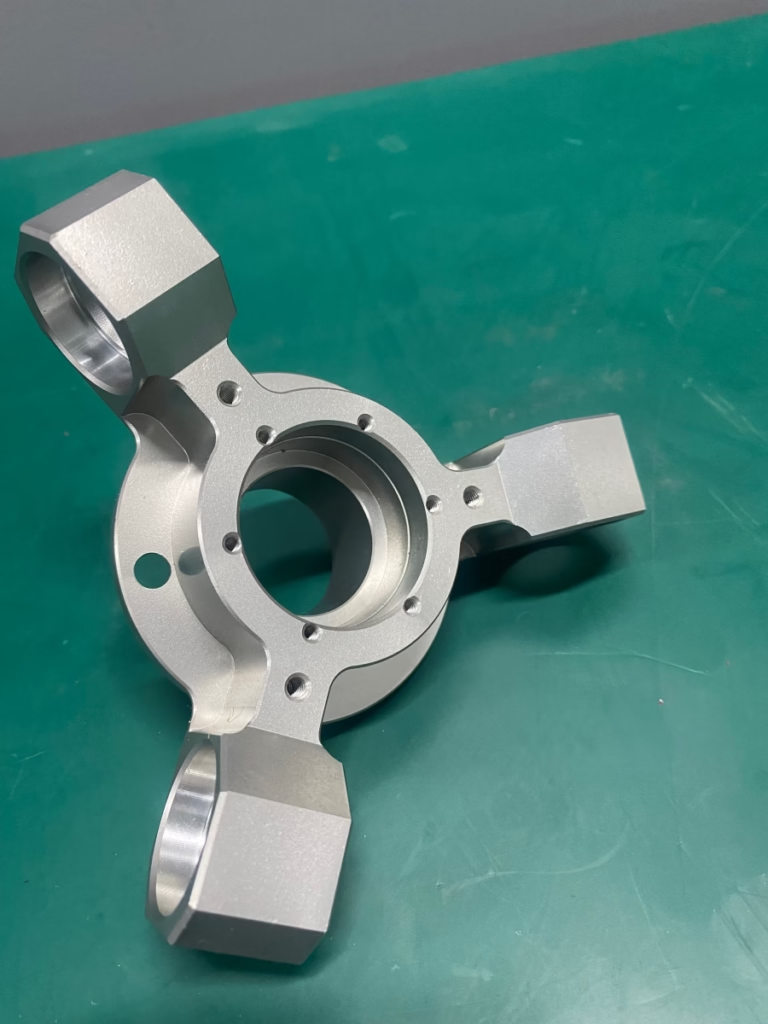
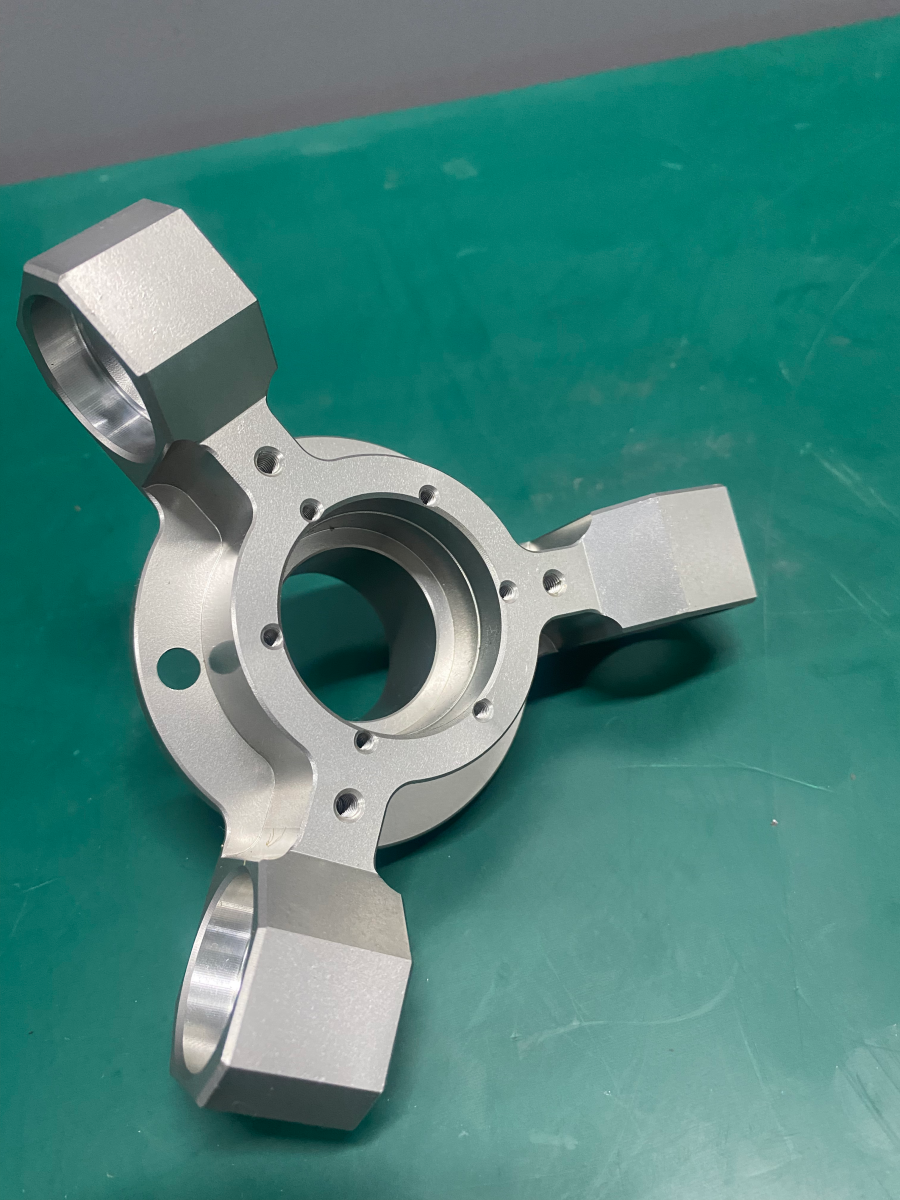
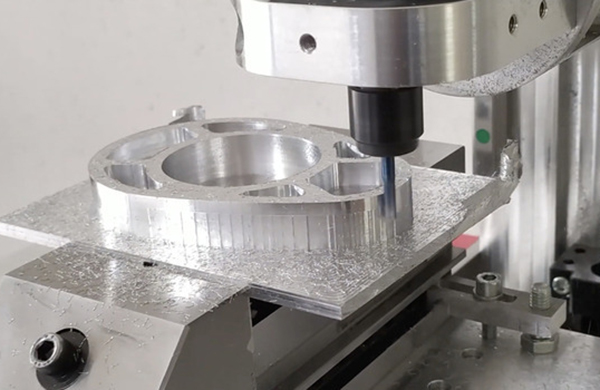
The Machining Core: Multi-Axis Capability as Standard: While 3-axis machining remains fundamental, the ability to handle complex parts in a single setup is a key differentiator. Advanced providers leverage 4-axis and 5-axis CNC machining to machine intricate contours, undercuts, and compound angles without multiple fixturing, ensuring superior accuracy and surface finish. For instance, a partner like GreatLight CNC Machining Factory utilizes advanced 5-axis centers to tackle the most challenging geometries for aerospace brackets or medical implant prototypes, where precision is non-negotiable.
Post-Processing & Finishing as an Integrated Service: Machining is often just the first step. A full-service partner offers a complete suite of finishing options—from basic deburring and polishing to anodizing, plating, powder coating, heat treatment, and silk-screening. This one-stop-shop approach guarantees consistency, reduces logistical complexity, and accelerates the journey from raw material to finished, assembly-ready component.
H3: The Critical Pain Points in Sourcing CNC Services
Selecting the wrong partner can lead to significant project setbacks. Common pain points include:
The “Precision Promise” Gap: Suppliers may advertise exceptional tolerances (e.g., ±0.001mm), but inconsistent results in production due to equipment wear, thermal instability, or operator variance betray that promise. True precision is demonstrated through consistent, verifiable results across batches.
Communication and Technical Support Black Holes: Delayed responses, lack of proactive engineering input, and difficulty communicating technical adjustments can stall projects. An ideal partner acts as an extension of your engineering team.
Supply Chain and Lead Time Volatility: Unreliable material sourcing or poor production planning leads to missed deadlines. Robust suppliers have established material networks and transparent, data-driven scheduling systems.
Surface Finish and Aesthetic Inconsistencies: Especially for consumer-facing or high-wear parts, variations in surface texture, color matching, or coating thickness can render entire batches unusable.
H2: The Hallmarks of a World-Class CNC Machine Service Provider
How does one identify a partner that transcends these challenges? Look for these foundational pillars:
Technical Depth and Equipment Portfolio: The machinery is the bedrock. Look for a mix of modern, well-maintained multi-axis CNC mills, turning centers, and specialized equipment like EDM or precision grinders. The presence of 5-axis CNC machining capabilities is a strong indicator of a provider equipped for high-complexity work.
Systemic Quality Management: Certifications like ISO 9001:2015 are not just plaques on the wall; they represent a codified system for consistent quality control, traceability, and continuous improvement. For specific industries, IATF 16949 for automotive or ISO 13485 for medical devices are essential, demonstrating adherence to sector-specific rigorous standards.
Full-Process Integration and Material Expertise: The ability to handle diverse materials—from common aluminum and stainless steels to exotic alloys like Inconel or titanium—and guide you on material selection for function and cost is invaluable. Integration of complementary processes like 3D printing for prototypes or complex fixtures adds tremendous flexibility.
Proactive Engineering Partnership: The best providers don’t just follow instructions; they offer solutions. This includes value engineering to reduce cost without compromising function, suggesting alternative materials or processes, and guiding design optimizations.
H3: A Service Paradigm in Action: The GreatLight Metal Approach
To illustrate these principles in a real-world context, consider the operational philosophy of GreatLight Metal Tech Co., LTD. Their model exemplifies how a modern CNC machine service is delivered.
Consultative Engagement: Projects initiate with a deep-dive technical review, where their engineers collaborate with clients to dissect the design intent, functional requirements, and potential manufacturing hurdles.
Technology-Driven Execution: Leveraging a cluster of precision equipment, including high-end 5-axis machining centers, they execute the machining plan. Their in-house metrology lab, equipped with CMMs and optical comparators, provides real-time, data-backed verification that parts meet specified tolerances.
Seamless Value-Add Services: From the machined state, parts flow seamlessly into their post-processing department for any required finishing, assembly, or even low-volume packaging, delivering a turnkey solution.
Rooted in Trust Frameworks: Their adherence to multiple international management system standards (ISO 9001, IATF 16949, etc.) provides clients with the assurance that processes are controlled, quality is systemic, and the partnership is built on a foundation of reliability.
H2: Making the Strategic Choice for Your Project
When evaluating a CNC machine service, move beyond simple price-per-part comparisons. Develop a scorecard that weighs:
Technical Capability & Fit: Do they have the specific machine tooling and experience for your part’s geometry and material?
Quality & Certification Framework: Are their quality systems externally audited and relevant to your industry?
Communication & Transparency: Is their project management proactive, with clear milestones and open channels for issue resolution?
Overall Value Proposition: Consider the total cost of engagement, including the value of engineering support, reduced risk of rework, and on-time delivery assurance.
In conclusion, the landscape of CNC machine service has evolved from a transactional commodity to a strategic, knowledge-intensive partnership. The right provider acts as a force multiplier for your innovation, transforming complex designs into flawless, reliable components. By prioritizing technical depth, systemic quality, and collaborative engineering, you secure not just a supplier, but a pivotal ally in bringing your most ambitious products to life. For those seeking a partner that embodies this comprehensive, trust-based approach in precision manufacturing, exploring the capabilities of established specialists like GreatLight CNC Machining Factory can be a decisive step toward achieving manufacturing excellence. To connect with industry professionals who live this philosophy daily, you can find further insights on platforms like LinkedIn.



















