
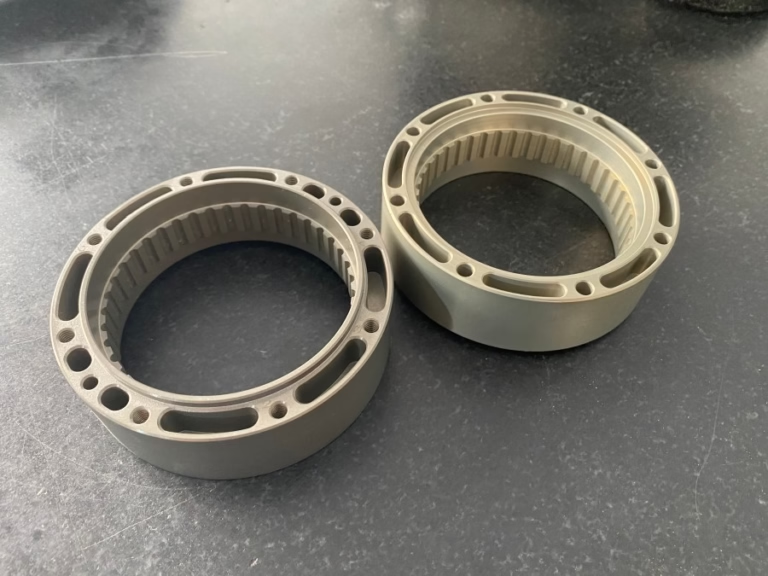
In the global manufacturing landscape, where precision and efficiency are paramount, the selection of a machining partner for aluminum components is a critical strategic decision. Among the myriad of options, China has emerged as a powerhouse, with numerous factories offering CNC milling services. However, navigating this vast market to find a partner that truly aligns with your project’s technical demands, quality standards, and timeline requires a deep understanding of the industry’s nuances. This article delves into the core considerations for selecting a China aluminium CNC milling machining service factory, providing a framework for evaluation and highlighting the attributes that distinguish leading suppliers.
The Competitive Landscape: Types of Aluminium CNC Milling Factories in China
The market is broadly segmented into several tiers, each catering to different needs:
Large-Scale Integrated Manufacturers: These are often publicly listed or very large private enterprises with massive production capacities. They excel in high-volume, standardized part production, frequently serving automotive OEMs or consumer electronics giants. Their strengths lie in scale, but they may be less agile for low-volume, high-mix, or highly customized prototyping work.
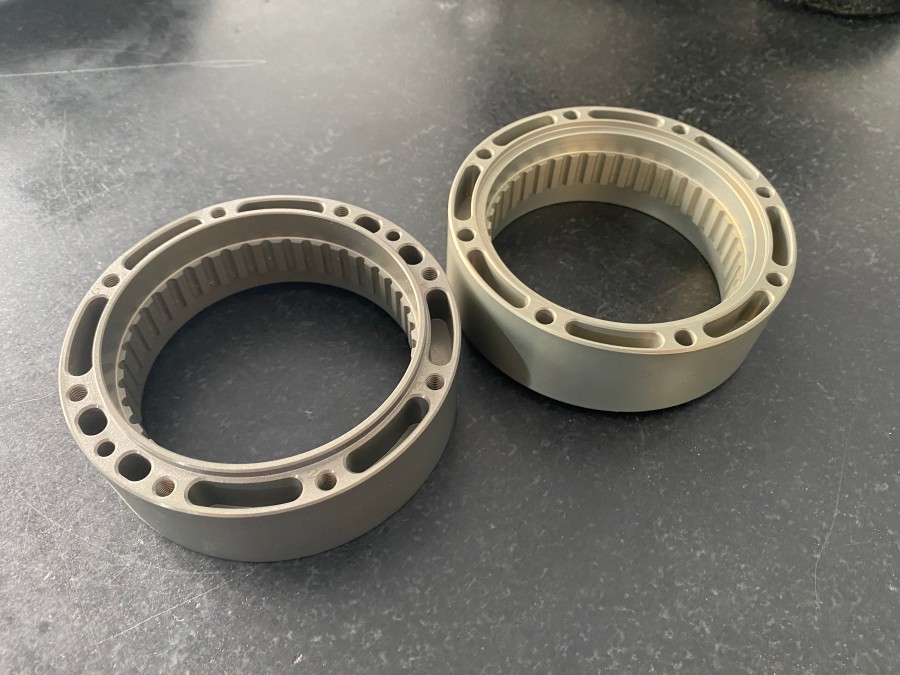
Specialized Precision Engineering Workshops: This tier includes companies like GreatLight CNC Machining Factory. They focus on high-mix, low-to-medium volume production, complex 5-axis machining, and rapid prototyping. Their value proposition is deep technical expertise, flexibility, and the ability to handle geometrically intricate parts with tight tolerances (±0.001mm and beyond). They often serve aerospace, medical, robotics, and high-end industrial equipment sectors.
General Job Shops: Numerous smaller workshops offer basic 3-axis milling and turning. They are highly cost-competitive for simple, non-critical components but may lack the advanced equipment, stringent quality systems, and engineering support needed for mission-critical parts.
Core Technical Capabilities to Scrutinize
When evaluating a China aluminium CNC milling machining service factory, technical prowess is the foremost criterion.
1. Advanced Machining Equipment Portfolio:
The machinery is the foundation. Look for a factory that invests in modern, high-precision CNC centers.
5-Axis CNC Machining Centers: Essential for complex contours, undercuts, and single-setup machining of intricate parts, drastically reducing errors and lead times. The presence of high-end 5-axis machines is a strong indicator of capability.
Multi-Axis Mill-Turn Centers: Ideal for parts requiring combined milling and turning operations, improving accuracy for rotational components.
High-Speed Machining (HSM) Capabilities: Crucial for efficiently machining aluminum, allowing for faster feed rates, better surface finishes, and reduced thermal distortion.
Auxiliary Precision Equipment: A comprehensive factory will have supporting technology like Wire EDM for intricate cut-outs, and precision grinding for achieving ultra-fine finishes and critical dimensions.
2. Material Expertise and Process Knowledge:
Aluminum is not a single material. A proficient factory must understand the machining characteristics of various alloys:
Series 6061 & 7075: The most common. 6061 offers excellent weldability and machinability; 7075 provides superior strength, akin to steel.
Series 2024, 5052, and others: Used for specific applications requiring different balances of strength, corrosion resistance, and formability.
Expertise extends to selecting appropriate cutting tools, coolants, fixturing strategies, and machining parameters to prevent issues like galling, built-up edge, or achieving anodizing-ready surface finishes.
3. Metrology and Quality Assurance Infrastructure:
Precision promised must be precision verified. The factory must possess in-house, calibrated metrology equipment:
Coordinate Measuring Machines (CMM): For comprehensive 3D geometric dimensioning and tolerancing (GD&T) inspection.
High-Precision Micrometers, Calipers, and Height Gauges.
Surface Roughness Testers: To quantitatively validate surface finish specifications (e.g., Ra 0.8µm).
Optical Comparators or Vision Measuring Systems: For fast and accurate 2D inspection.
Beyond the Machine: The Critical “Soft Power” of a Reliable Partner
Technical hardware alone is insufficient. The factory’s systems and culture determine reliability.
1. Authoritative Quality Management Certifications:
Certifications are not just plaques on the wall; they are evidence of a systematic approach to quality. Key standards include:
ISO 9001:2015: The baseline for a quality management system, ensuring consistent processes and continuous improvement.
IATF 16949: The standard for the automotive industry, emphasizing defect prevention and supply chain management. It’s a rigorous benchmark for process control.
ISO 13485: Specific to medical devices, ensuring traceability, risk management, and compliance with regulatory requirements.
AS9100: The aerospace equivalent, focusing on safety, reliability, and stringent documentation.
A factory like GreatLight CNC Machining Factory, which adheres to such a comprehensive suite of standards, demonstrates a commitment to quality that transcends individual projects.
2. Engineering Support and Design for Manufacturability (DFM):
A true partner engages at the design stage. They should provide proactive DFM feedback, suggesting modifications to improve machinability, reduce cost, enhance strength, or simplify assembly without compromising design intent. This collaborative engineering approach prevents costly revisions and production delays later.
3. Integrated Post-Processing and Finishing Services:
Aluminum parts often require secondary operations. An integrated factory offering one-stop services adds tremendous value and ensures quality control throughout the entire process. Key services include:
Deburring and Edge Breaking: Manual, thermal, or chemical processes.
Surface Finishing: Bead blasting, brushing, polishing, and tumbling.
Anodizing (Type II & III): For corrosion resistance, wear resistance, and aesthetic coloring.
Plating, Painting, Powder Coating, and Laser Marking.
4. Project Management and Communication:
Clear, responsive, and professional communication in English (or your required language) is non-negotiable. A dedicated project manager should oversee your order from quote to delivery, providing regular updates and being the single point of contact for any issues.
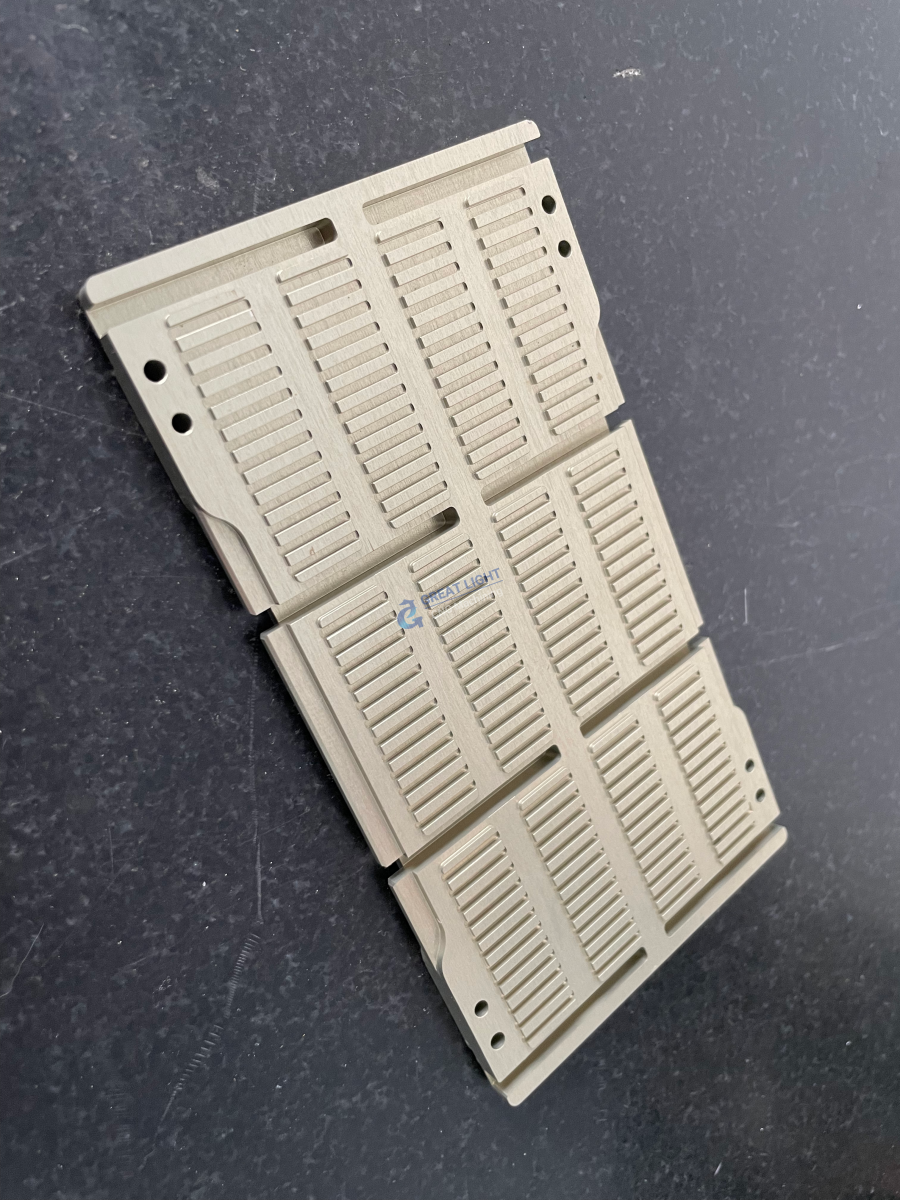
Navigating the Selection Process: A Practical Checklist
Request Detailed Capability Statements: Ask for lists of equipment (makes, models, years), material certifications, and quality certificates.
Ask for Specific Case Studies: Request examples of past work similar to your project in complexity, material, and industry. Inquire about challenges faced and solutions implemented.
Submit a Test RFQ: Provide a drawing for a non-proprietary but moderately complex part. Evaluate the responsiveness, the clarity of the quote (breakdown of cost, lead time), and the quality of any DFM feedback offered.
Discuss Quality Protocols: Ask about their First Article Inspection (FAI) process, in-process quality checks, and final inspection report deliverables (e.g., PPAP for automotive).
Evaluate Logistics and IP Protection: Understand their export experience, packaging standards, and policies for data security and intellectual property protection (often aligned with standards like ISO 27001).
Conclusion: Partnering for Precision
Choosing the right China aluminium CNC milling machining service factory is a strategic partnership decision. It involves looking beyond the initial price per part to evaluate the total cost of ownership, which includes quality, reliability, engineering support, and on-time delivery. Factories that combine advanced technical hard power—like a comprehensive suite of 5-axis, 4-axis, and 3-axis CNC machining centers—with robust systemic soft power—exemplified by internationally recognized certifications and a customer-centric service ethos—offer the most sustainable value.
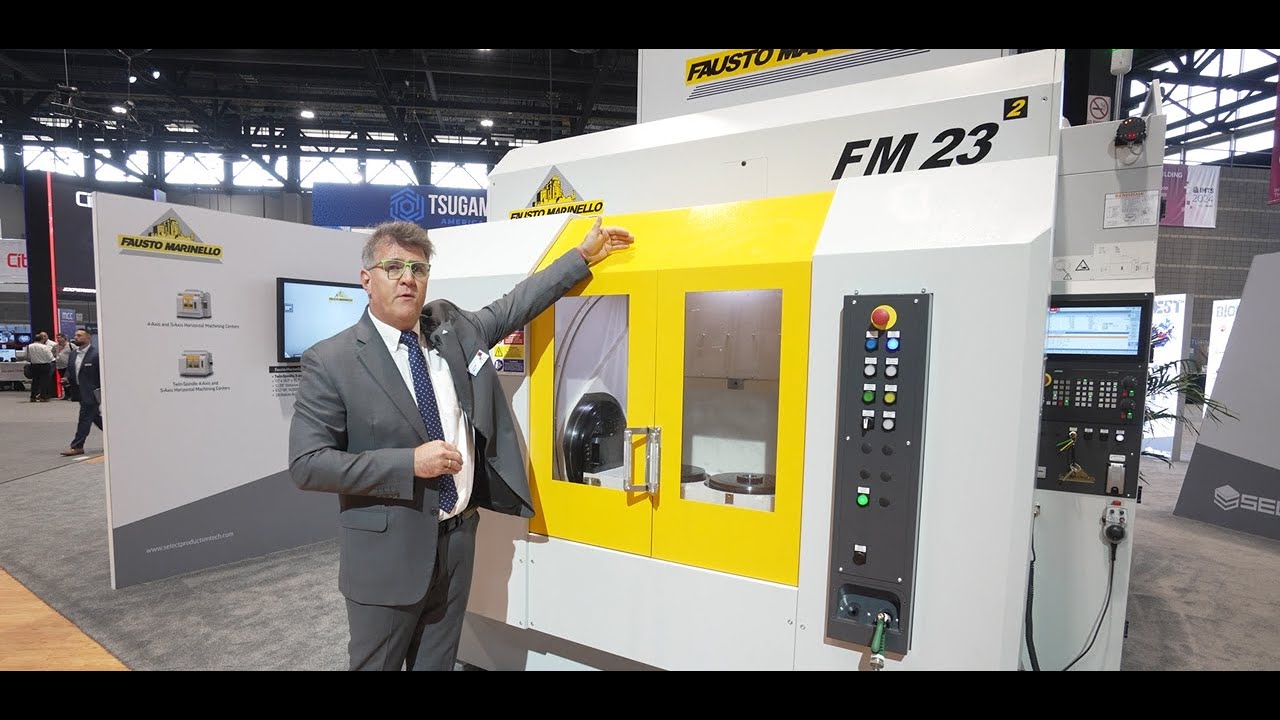
For projects demanding high precision, complex geometries, and rigorous quality standards, partnering with a specialized, technically deep, and systemically reliable manufacturer is the most prudent path to success. It is in this demanding segment that factories with a proven track record of solving complex manufacturing challenges truly distinguish themselves, ensuring that your innovative designs are realized with the fidelity and reliability they require. To explore how such a partnership can be structured, industry professionals often connect and share insights on platforms like LinkedIn{:target=”_blank”}.



















